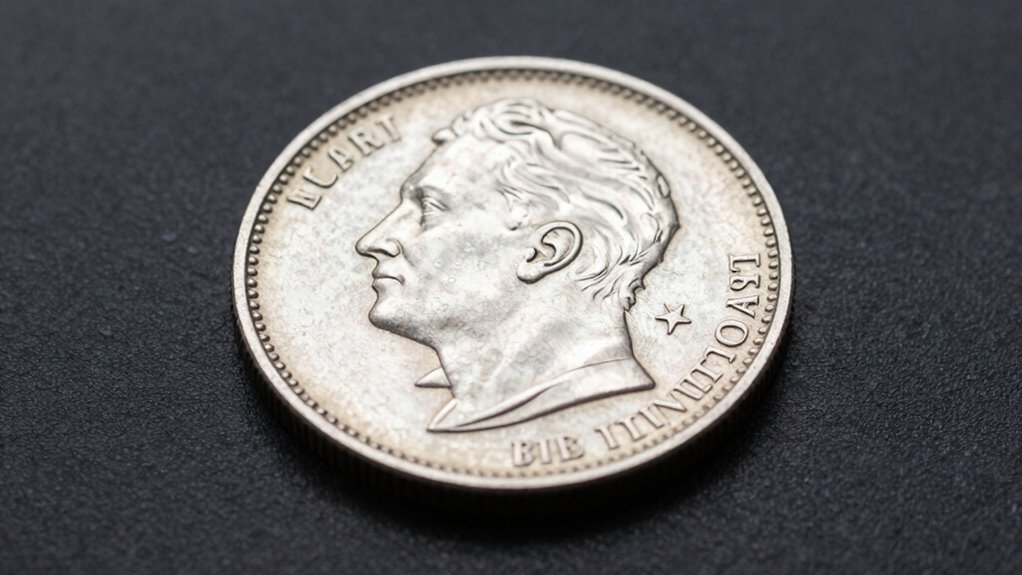

To photograph coins for insurance, use a clean, neutral background and guarantee good, diffused lighting to avoid shadows and reflections. Focus sharply on details like mint marks, dates, and surface textures using macro mode or manual focus. Take multiple angles and include close-ups of unique features, adding a scale for reference. Label your images clearly and keep organized records. Following these steps helps ensure your coins are well-documented and protected—continue to learn more about perfecting your method.

Get smart everyday buys delivered free — and shop member deals
- Fast, free delivery on millions of items
- Access to Prime Big Deal Days deals on October 6–7
- Prime Video, Amazon Music and more included
Key Takeaways
- Use a clean, neutral background and proper lighting to ensure clear, shadow-free images of the coin.
- Capture multiple angles, focusing on inscriptions, mint marks, and surface details for comprehensive documentation.
- Employ macro mode or manual focus for sharp, detailed close-up shots of key features.
- Include a scale or common object for size reference to aid in accurate assessment.
- Label each photo with specific details like coin type, year, condition, and notable features for organized records.
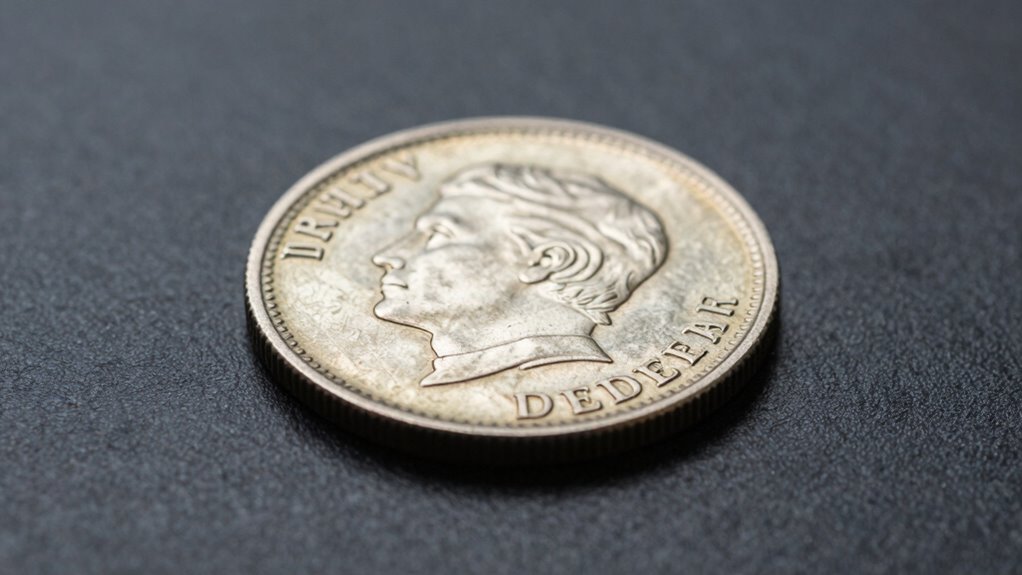
Photographing your coins accurately is essential for insurance purposes, especially in case of theft or loss. When you capture clear, detailed images, you create a visual record that can verify your collection’s authenticity and value. This step is crucial in establishing proof of ownership and guaranteeing you receive fair compensation if something happens to your coins. To get the best results, focus on highlighting each coin’s unique features, including its historical value, which can considerably impact its worth. By documenting details like mint marks, date, and other distinguishing characteristics, you help insurers assess your collection more accurately.
Photographing coins accurately verifies authenticity, highlights unique features, and ensures fair insurance valuation.
When photographing your coins, consider your display techniques to maximize clarity. Use a clean, neutral background—white or black works well—to make the coins stand out. A flat surface ensures stability, reducing the risk of blurry images. Proper lighting is essential: natural light or soft, diffused artificial light prevents harsh shadows and reflections that can obscure details. You might want to use a lightbox or a simple diffuser over your light source to achieve even illumination. Focus is key; make sure your camera or smartphone is set to macro mode or manual focus to capture the fine details, such as mint marks and surface textures. Multiple shots from different angles help showcase the coin’s full profile and any unique features.
Incorporate close-up images that emphasize the coin’s inscriptions, date, and any minting anomalies. These details are often crucial in establishing authenticity and confirming the coin’s historical value. If your collection contains rare or valuable coins, consider including a scale or a common object for size comparison, which adds context for insurers. For better documentation, understanding comogenic ratings can help you select the best coatings or storage methods to preserve your coins’ condition over time. Additionally, researching how to document coin condition accurately can further strengthen your insurance claims. Regularly reviewing best practices for coin photography ensures your images remain clear and professional-looking, which can be beneficial during claim processes. Avoid cluttered backgrounds or distracting reflections; instead, keep the focus on the coin itself. Use a steady hand or tripod to prevent camera shake, and make sure your images are sharp and well-exposed.
Finally, organize your photos systematically. Label each image with relevant details—coin type, year, condition, and any notable features—so you can easily reference them later. Having a full set of high-quality images, taken with proper display techniques, not only helps with insurance claims but also preserves the integrity of your collection’s historical value. The effort you put into careful documentation assures your coins are protected and accurately represented, giving you peace of mind in managing your collection.
As an affiliate, we earn on qualifying purchases.
Frequently Asked Questions
How Often Should I Update My Coin Photographs for Insurance?
You should update your coin photographs whenever grading standards change or if your storage conditions alter. Regular updates guarantee your images accurately reflect the coin’s current condition, especially if you notice any deterioration or damage. By doing so, you maintain precise insurance records that match your coin’s actual state. Keep in mind that good storage considerations help preserve your coins, reducing the need for frequent photographs.
What Lighting Conditions Are Best for Photographing Coins?
You’ll want to use soft, diffused lighting setups to highlight your coins’ details without harsh shadows or glare. Natural light from a cloudy day often works best, or you can use a lightbox with adjustable LED lights. Shadow control is essential—position your lights to minimize unwanted shadows and reflections. Experiment with angles until you find even, clear illumination that showcases your coin’s features authentically.
Should I Include Any Specific Measurements in the Photos?
Yes, you should include a scale reference in your photos to show the coin’s size clearly. Use a small ruler or a coin-sized object next to it for accuracy. Make certain the background contrast is high so details stand out. This helps you and others verify the coin’s measurements easily, making insurance claims smoother. Clear measurements and scale references add credibility and precision to your coin documentation.
How Do I Prevent Reflections or Glare on Shiny Coins?
You can prevent reflections or glare on shiny coins by using reflection control techniques. Start by angling your light sources away from the coin, and use diffused lighting or softboxes to reduce harsh reflections. Position the coin at a slight angle to the camera, not directly flat, which also minimizes glare. Employ a polarizing filter on your camera lens to further control glare and achieve clear, glare-free images.
Can I Use a Smartphone Camera for High-Quality Coin Photos?
Yes, you can use a smartphone camera for high-quality coin photos. To get sharp images, enable macro focus and steady your shot. Use a contrasting background—preferably plain and non-reflective—to make the coin stand out. Avoid glare by adjusting the angle, and consider using natural light or diffusers. These tips help you capture detailed, clear images suitable for insurance records with your smartphone.
As an affiliate, we earn on qualifying purchases.
Conclusion
By following these simple tips, you guarantee your coin collection is well-documented for insurance purposes. Accurate photos can make a huge difference if you ever need to file a claim, saving you time and stress. Did you know that collections with detailed images are 40% more likely to be fully reimbursed? So, take the time to photograph your coins properly—your future self will thank you if the unexpected happens.
As an affiliate, we earn on qualifying purchases.
As an affiliate, we earn on qualifying purchases.
Halloween Picks
halloween
As an affiliate, we earn on qualifying purchases.