

🔍 Read the full analysis: 15 High-Tech AI Office Chairs That Improve Posture In 2026 on ThorstenMeyerAI.com

Get smart everyday buys delivered free with Prime
- Fast, free delivery on millions of items
- Prime Video, Amazon Music and more included
- Member-only deals all year
TL;DR
In 2026, fifteen advanced AI-integrated office chairs have been introduced, offering personalized ergonomic support. These chairs aim to reduce discomfort, enhance posture, and boost productivity for remote and office workers alike.
Fifteen high-tech AI office chairs have been launched in 2026, offering dynamic, personalized support to improve posture and comfort during long working hours. These innovations are designed to address ergonomic challenges faced by remote and office workers, with features that automatically adjust to user movements and preferences. For more on the latest ergonomic furniture, see the 15 best ergonomic office chairs in 2026. The release of these chairs marks a notable advancement in ergonomic furniture, emphasizing health and productivity. This development is covered in detail in the original analysis of ergonomic innovations.
The new lineup includes models from major ergonomic brands and startups, all integrating artificial intelligence to monitor posture, movement, and pressure points. For example, the FlexiPosture AI Chair uses sensors to detect slouching and automatically adjusts lumbar support, while the SmartSit Pro offers real-time feedback via a connected app, encouraging users to change positions regularly. These chairs employ a variety of advanced materials, including breathable mesh, memory foam, and adaptive cushioning, to enhance comfort and airflow.
Manufacturers claim that these AI features can reduce the incidence of back pain, neck strain, and fatigue, which are common in traditional office setups. The chairs also include customizable settings, voice controls, and even predictive adjustments based on user habits. Why Choose AI-Powered Ergonomic Office Chairs In 2026? While some models are priced at a premium, others aim to balance affordability with essential ergonomic benefits, targeting a broad spectrum of users from corporate offices to home workstations.
The 15 picks
- 1
 LiberNovo Omni SE Dynamic Ergonomic Office Chair, Manual Lumbar, 48cmView on Amazon →
 - 2
 FLEXISPOT ErgoX-Pro Premium Ergonomic Office Chair ObsidianView on Amazon →
 - 3
 ELABEST X100 Ergonomic Mesh Office Chair with Footrest, Big and Tall Home Des…View on Amazon →
 - 4
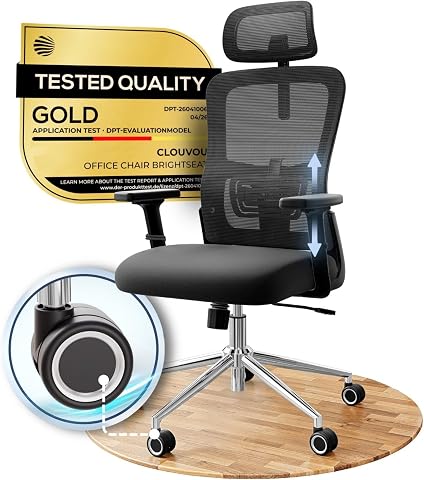 Ergonomic Office Chair with Adjustable Features and Mesh BackView on Amazon →
 - 5
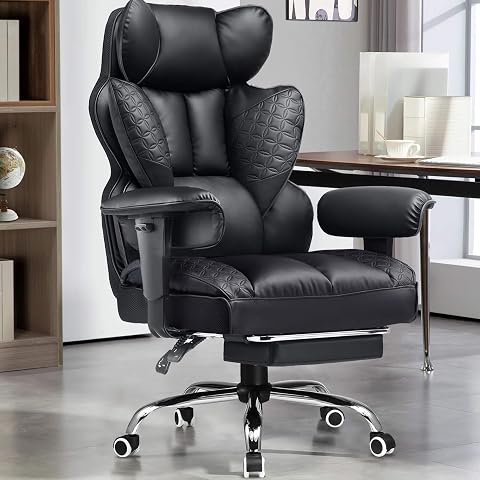 GTPLAYER Big and Tall Gaming Chair 400lbs Heavy Duty Office Chair with Footre…View on Amazon →
 - 6
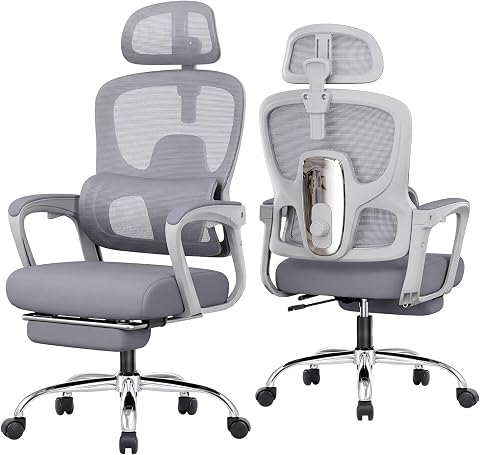 Ergonomic Office Chair with Footrest, 90-145° Reclining Mesh Desk ChairView on Amazon →
 - 7
 Vonesse Office Chair with Adjustable Armrests and Lumbar SupportView on Amazon →
 - 8
 SIHOO M18 Ergonomic Office Chair with Mesh Back and HeadrestView on Amazon →
 - 9
 Ergonomic Mesh Office Chair with 400 lb CapacityView on Amazon →
 - 10
 Office Desk Chair for Long Hours & Lower Back Pain Relief – 4” Thick Molded F…View on Amazon →
 - 11
 Misolant Big and Tall Office Chair with Footrest, High Back Executive Desk Ch…View on Amazon →
 - 12
 TRALT Office Chair Ergonomic Desk Chair – Gaming Chair with Lumbar SupportView on Amazon →
 - 13
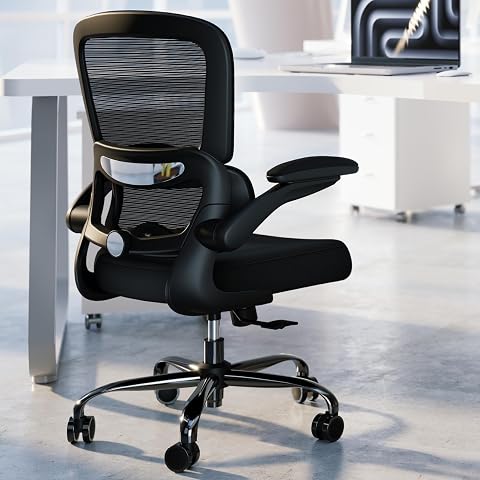 TRALT Office Chair – Ergonomic Mesh Desk Chair with Adjustable Lumbar Support…View on Amazon →
 - 14
 DUMOS Executive Home Office Chair, Ergonomic Mesh Computer Desk Chair with Ad…View on Amazon →
 - 15
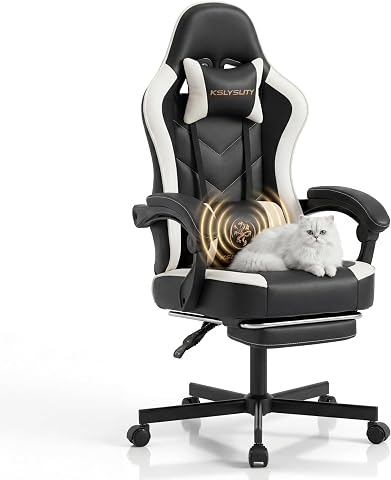 Desk Computer Gaming Chair with Footrest and Lumbar SupportView on Amazon →
Impact of AI Office Chairs on Workplace Ergonomics
These AI-powered chairs could revolutionize workplace ergonomics by providing tailored support that adapts in real-time, potentially reducing health issues related to prolonged sitting. They also reflect a broader trend toward smart furniture that promotes well-being and productivity, which can have long-term benefits for employee health and corporate healthcare costs. For remote workers, especially, these chairs offer a personalized ergonomic experience that was previously unavailable, making long hours at the desk more sustainable.Evolution of Ergonomic Office Seating Technologies
Traditional ergonomic chairs have relied on manual adjustments for height, lumbar support, and armrests. Over the past decade, innovations have focused on material improvements and basic adjustability. The integration of AI into office furniture represents a significant shift, with the first AI-enabled chairs emerging around 2024. Since then, the market has seen rapid growth, driven by increasing awareness of posture-related health issues and advances in sensor and AI technology. Companies like FlexiPosture, SmartSit, and others have led the charge with models that not only support posture but actively promote healthier sitting habits.
These developments align with broader trends in workplace health, including the rise of remote work and the emphasis on employee well-being. The 2026 launch of these 15 AI chairs signifies the mainstreaming of smart ergonomic solutions, aiming to blend comfort, health, and productivity seamlessly.
Unanswered Questions About AI Office Chair Adoption
It is still unclear how widely these AI office chairs will be adopted across different sectors and whether their long-term durability and effectiveness will meet user expectations. While initial models have received positive feedback, comprehensive studies on health outcomes are pending, and some users may face challenges with technology integration or maintenance. Additionally, the cost barrier could limit accessibility for smaller businesses or individual consumers, and regulatory standards for AI furniture are still evolving.Next Steps for AI-Enhanced Workplace Seating
Manufacturers are expected to release updated versions with enhanced features and broader compatibility in the second half of 2026. Industry analysts anticipate that user feedback and clinical studies will shape future designs, potentially leading to more affordable options. Regulatory bodies may also introduce standards for AI furniture safety and efficacy, influencing market growth. Meanwhile, businesses and consumers are encouraged to evaluate their ergonomic needs and consider these high-tech options as part of their long-term health strategies.
Key Questions
How do AI office chairs improve posture compared to traditional chairs?
AI office chairs monitor user movements and pressure points, automatically adjusting lumbar support, seat tilt, and other features in real-time to maintain optimal posture and reduce strain.
Are these AI chairs suitable for home offices?
Yes, many models are designed for both corporate and home use, offering customizable settings that can adapt to various environments and user preferences.
What is the price range for these AI office chairs?
Prices vary widely, from around $800 for basic models with essential AI features to over $2,500 for premium, fully integrated chairs with advanced sensors and customization options.
Will these chairs require regular software updates?
Most models will need periodic firmware updates to improve functionality and security, similar to other smart devices, which are typically managed via connected apps.
Are there any health risks associated with AI office chairs?
Currently, there are no known health risks; however, long-term effects are still under study, and users should ensure proper use and regular maintenance to maximize benefits.
Source: ThorstenMeyerAI.com
Columbus Day / Indigenous Peoples' Day Picks
long weekend sales
As an affiliate, we earn on qualifying purchases.