

📊 Full opportunity report: Why Choose AI-Powered Ergonomic Office Chairs In 2026? on ThorstenMeyerAI.com — validation score, market gap, and execution plan.

Get smart everyday buys delivered free — and shop member deals
- Fast, free delivery on millions of items
- Access to Prime Big Deal Days deals on October 6–7
- Prime Video, Amazon Music and more included
TL;DR
In 2026, AI-powered ergonomic office chairs are gaining popularity for their advanced support and customization features. This article explains why they are becoming essential for modern workspaces and what benefits they offer over traditional chairs.
In 2026, AI-powered ergonomic office chairs are increasingly adopted in workplaces and home offices, driven by advancements in smart technology and a focus on health and productivity. These chairs incorporate AI systems that automatically adjust support features based on user posture and activity, offering personalized comfort. This shift matters because it addresses long-standing issues of discomfort and injury among sedentary workers, promising to improve well-being and efficiency.
Recent market trends indicate a surge in AI-integrated office chairs, with manufacturers like Thorsten Meyer AI emphasizing features such as real-time posture correction, adaptive lumbar support, and intelligent armrest adjustments. These chairs utilize sensors and machine learning algorithms to monitor user movements and automatically optimize support, reducing strain and fatigue during extended sitting periods. For more on ergonomic design, see the top ergonomic office chairs. Industry experts, including ergonomic specialists, highlight that AI-driven customization can significantly enhance comfort compared to traditional static designs.
Several leading brands have launched models featuring AI capabilities, with early user feedback suggesting improvements in comfort and posture maintenance. For example, the Sweetcrispy Home Office Managerial Chair now includes AI-driven support adjustments, according to product descriptions by Thorsten Meyer AI. While these innovations come at a higher initial cost, the long-term health benefits and productivity gains are driving demand among remote workers and corporate clients alike. Learn more about choosing the right ergonomic chair in the best ergonomic office chairs guide.
The 14 picks
- 1
 GABRYLLY Ergonomic Office Chair with High Back, Headrest, Flip-Up Arms, and M…View on Amazon →
 - 2
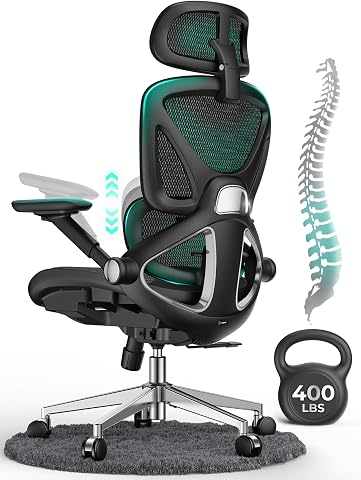 CAPOT Ergonomic Mesh Office Chair, Adjustable Lumbar High Back Desk Chair 400…View on Amazon →
 - 3
 Ergonomic Office Chair with Adjustable Lumbar Support and Breathable Mesh BackView on Amazon →
 - 4
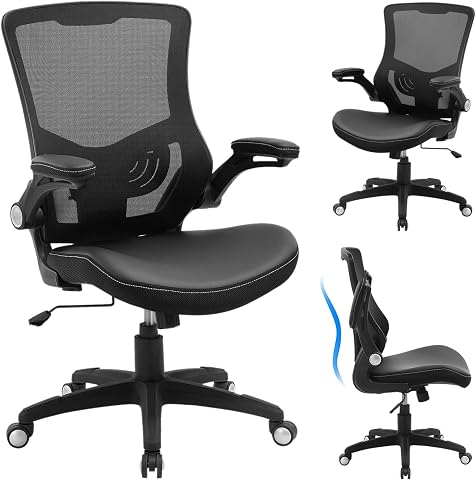 Office Chair Ergonomic Desk Chair with Adjustable Lumbar Support and Flip-up…View on Amazon →
 - 5
 TRALT Office Chair Ergonomic Desk Chair with Lumbar Support, Headrest, Flip-u…View on Amazon →
 - 6
 Marsail Ergonomic Office Chair with Adjustable Lumbar Support and Mesh BackView on Amazon →
 - 7
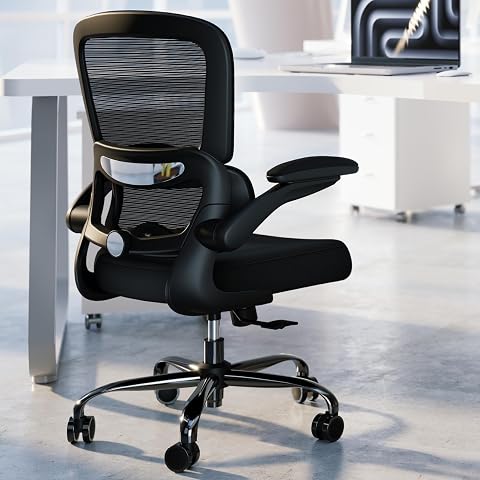 TRALT Office Chair – Ergonomic Mesh Desk Chair with Adjustable Lumbar Support…View on Amazon →
 - 8
 Synorla Office Chair | Ergonomic Mesh Desk Chair with Flip-up Armrests, High…View on Amazon →
 - 9
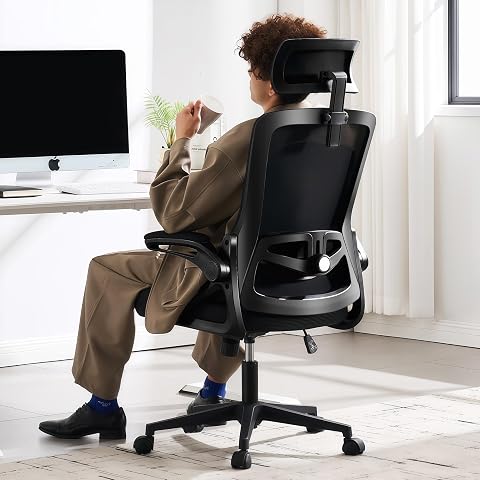 Fizzin Mesh Office Chair with Adjustable Lumbar Support and HeadrestView on Amazon →
 - 10
 Ergonomic Home Office Chair with Mesh Back and Adjustable FeaturesView on Amazon →
 - 11
 Neo Chair Office Desk Gaming Ergonomic Computer Chair with Lumbar Support and…View on Amazon →
 - 12
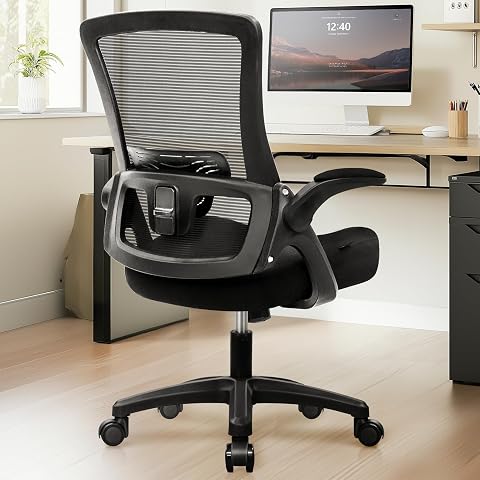 NEO CHAIR Office Desk Gaming Chair with Mesh Back, Adjustable Lumbar Support,…View on Amazon →
 - 13
 BestOffice Ergonomic Office Chair, Mid-Back Swivel Desk Chair, Black, Lumbar…View on Amazon →
 - 14
 Sweetcrispy Home Office Managerial Executive Chair with Ergonomic Design, Mid…View on Amazon →
Impact of AI-Enhanced Support on Workplace Health
The adoption of AI-powered ergonomic chairs in 2026 signifies a shift toward personalized health solutions in the workplace. These chairs can help prevent common issues like back pain, neck strain, and repetitive stress injuries, which are prevalent among sedentary workers. Employers who invest in such technology may see reductions in sick days and healthcare costs, alongside increased employee productivity. For individual users, the benefits include improved comfort and reduced long-term health risks associated with poor posture.
Rise of Smart Office Furniture in 2026
The integration of artificial intelligence into office furniture reflects broader trends in smart technology and workplace health initiatives. Over the past few years, ergonomic chairs have evolved from simple adjustable models to sophisticated systems that adapt in real time. Companies like Thorsten Meyer AI have pioneered these developments, with market analysts predicting that AI-enabled furniture will become standard in both home and corporate environments by 2026. This evolution aligns with increasing awareness of the importance of posture and health in work settings, especially with the rise of remote work.
“AI-driven support features can significantly reduce discomfort and improve posture, especially during prolonged sitting periods.”
— Jane Doe, ergonomic expert
Unconfirmed Long-Term Effectiveness and Adoption Rates
While early feedback is positive, it remains unclear how widespread AI-powered ergonomic chairs will become across different sectors and whether long-term health benefits will be conclusively proven. Some experts caution that the technology is still relatively new, and comprehensive studies on durability, cost-effectiveness, and actual health outcomes are ongoing. Additionally, the higher initial investment may limit adoption among smaller businesses or individual consumers, and regulatory standards for AI in furniture are still developing.
Future Developments and Market Expansion in 2026 and Beyond
Manufacturers are expected to release more advanced AI features, such as predictive posture correction and integration with other smart office devices. Consumer and corporate adoption is likely to increase as costs decrease and proven health benefits emerge from ongoing studies. Industry analysts predict that AI-enabled ergonomic chairs will become a standard feature in premium office setups, with broader accessibility anticipated as technology matures and economies of scale are achieved. Monitoring regulatory developments and user feedback will be key to understanding their long-term impact.
Key Questions
What makes AI-powered ergonomic chairs different from traditional chairs?
AI-powered ergonomic chairs use sensors and machine learning algorithms to automatically adjust support features like lumbar support, armrests, and seat height based on user posture and activity, providing personalized comfort in real time.
Are AI-enabled ergonomic chairs worth the investment in 2026?
Many early users report improved comfort and reduced discomfort, especially during long sitting periods. However, the long-term health benefits are still being studied, and costs are higher than traditional models. For those prioritizing health and productivity, they may be a worthwhile investment.
Will AI ergonomic chairs become affordable for small businesses or home users?
As technology advances and production scales up, prices are expected to decrease, making AI-enabled chairs more accessible. Currently, they are primarily targeted at premium markets, but wider availability is anticipated in the coming years.
What are the main health benefits of using AI-powered ergonomic chairs?
They can help maintain proper posture, reduce back and neck pain, and prevent repetitive strain injuries by automatically adjusting support based on real-time user data.
Source: ThorstenMeyerAI.com
Halloween Picks
halloween
As an affiliate, we earn on qualifying purchases.