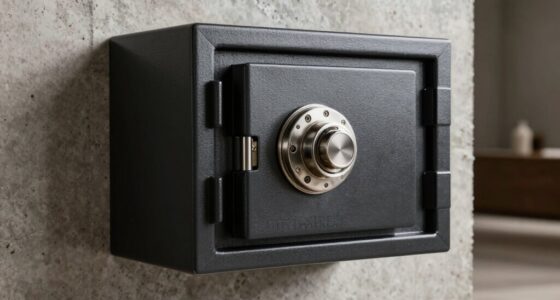

Having a maintenance budget in later retirement is essential to protect your home’s value, safety, and comfort. Regular upkeep prevents costly repairs and keeps your home safe and functional. It also helps you manage expenses proactively, reducing surprises that can strain your finances. By planning ahead, you’ll guarantee your home remains a secure refuge for years to come. Keep going to discover how to create a smart maintenance strategy that supports your overall well-being.

Get smart everyday buys delivered free with Prime
- Fast, free delivery on millions of items
- Prime Video, Amazon Music and more included
- Member-only deals all year
Key Takeaways
- A dedicated maintenance budget prevents costly emergency repairs, ensuring home safety and comfort in later retirement.
- Regular upkeep extends the lifespan of home systems, protecting your long-term home equity.
- Combining maintenance with healthcare planning reduces future health-related home hazards and expenses.
- Proactive budgeting promotes safety, independence, and peace of mind during retirement years.
- Managing a maintenance budget supports a resilient financial foundation for sustained homeownership.

Ever wonder how you’ll cover ongoing upkeep costs once you retire? As you approach later retirement, maintaining your home becomes an increasingly important part of your financial planning. Your home equity, which you’ve likely built up over years, can serve as a valuable resource. But relying solely on home equity isn’t enough; you need a dedicated maintenance budget to prevent unexpected expenses from catching you off guard. By setting aside funds specifically for upkeep, you guarantee your home remains safe, comfortable, and functional without draining your retirement savings. Regular maintenance can actually save you money in the long run by avoiding costly repairs caused by neglect.
Planning for home upkeep in retirement ensures safety, comfort, and savings—protect your investment with a dedicated maintenance budget.
A maintenance budget isn’t just about fixing things when they break—it’s about proactive planning. You’ll want to account for routine tasks like roof inspections, HVAC servicing, plumbing checks, and appliance replacements. These smaller expenses, if ignored, can escalate into major repairs that threaten your financial stability. Establishing a separate fund for home maintenance makes it easier to manage these costs without impacting your other retirement plans. It also gives you peace of mind, knowing that you’re prepared for inevitable home-related expenses. Incorporating household products that enhance safety and durability can further reduce long-term costs. Incorporating preventive maintenance techniques can extend the lifespan of your home systems and reduce the likelihood of emergencies. Additionally, understanding home maintenance costs can help you set realistic savings goals and avoid surprises. Staying informed about typical home repair expenses is essential for effective financial planning and prioritization.
Healthcare planning is another critical element that intertwines with your maintenance budget. As you age, health issues may become more frequent and costly, which makes allocating funds for healthcare essentials essential. Combining your healthcare planning with your maintenance budget helps you see the bigger picture—both your home and your health require ongoing attention and investment to keep your retirement years comfortable. Just as you plan for insurance, medical bills, and prescriptions, you should also plan for how much you’ll spend on home upkeep to prevent health hazards like mold, leaks, or unsafe living conditions. Recognizing the importance of home safety features can significantly reduce risks associated with aging in place.
Having a clear maintenance budget also encourages you to prioritize repairs that improve safety and accessibility, such as installing grab bars or repairing uneven flooring. These investments can prolong your ability to live independently and reduce future healthcare costs. Ultimately, a well-thought-out maintenance budget acts as a safeguard, ensuring your home remains a refuge that supports your health and well-being well into later retirement. It’s about being proactive rather than reactive, knowing that your home equity can be a resource, but only if you manage it wisely. By integrating your maintenance and healthcare planning, you create a more resilient financial foundation that keeps you secure, comfortable, and independent for years to come.
As an affiliate, we earn on qualifying purchases.
Frequently Asked Questions
How Should I Estimate Maintenance Costs for My Specific Home?
You should start by scheduling a thorough home inspection to identify existing issues and potential problems. Use this information to estimate future maintenance costs, focusing on preventive measures that can reduce long-term expenses. Regularly review your home’s age, materials, and local climate, adjusting your budget accordingly. Keep track of ongoing repairs and maintenance tasks to refine your estimates over time, ensuring your budget stays realistic and effective.
When Is the Best Time to Start a Maintenance Budget in Retirement?
You should start a maintenance budget as soon as you retire, balancing home safety with financial planning. Early budgeting helps you spot future repairs and prioritize safety upgrades, like securing reliable contractor selection. While it’s tempting to delay, proactive planning guarantees you avoid costly emergencies later. By beginning now, you safeguard your home’s value and your peace of mind, making maintenance a manageable part of your retirement life.
How Can I Balance Maintenance Costs With Other Retirement Expenses?
To balance maintenance costs with other retirement expenses, prioritize essential home upgrades and set a clear budget. Carefully select reputable contractors to guarantee quality work at fair prices. Schedule regular maintenance to prevent costly repairs later, and integrate these expenses into your overall retirement plan. By managing home upgrades proactively and choosing trusted contractors, you keep costs predictable, helping you enjoy your retirement without financial stress.
What Are the Tax Implications of Maintenance Expenses in Retirement?
Maintenance expenses in retirement can impact your taxes through potential deductions, especially if they qualify as home improvements or repairs. These tax deductions may reduce your taxable income, offering some relief. However, they might also influence your investment impact by affecting your cash flow and savings strategy. Keep detailed records of all maintenance costs and consult a tax professional to optimize your deductions and understand how they fit into your overall retirement plan.
How Can I Adjust My Maintenance Budget for Unexpected Repairs?
Think of your maintenance budget as a flexible river, flowing around rocks of unexpected repairs. When surprises hit, tap into your emergency fund to keep the current smooth. Prioritize repairs by urgency and impact, slicing through minor fixes to address critical issues first. Adjust your budget by reallocating funds, ensuring you’re prepared for surprises without capsizing your financial stability. Stay adaptable, and your retirement home will stay shipshape.
As an affiliate, we earn on qualifying purchases.
Conclusion
By setting aside a maintenance budget, you’re planting a sturdy tree in your retirement garden—its roots firm, its branches ready to bear the weight of unexpected needs. Think of it as a financial safety net that catches you before you fall. Embrace this proactive approach, and you’ll find your retirement journey smoother, with fewer surprises and more peace of mind. After all, a well-maintained garden blooms brightest when nurtured with care.
As an affiliate, we earn on qualifying purchases.
home safety and security devices
As an affiliate, we earn on qualifying purchases.
As an affiliate, we earn on qualifying purchases.
Columbus Day / Indigenous Peoples' Day Picks
long weekend sales
As an affiliate, we earn on qualifying purchases.