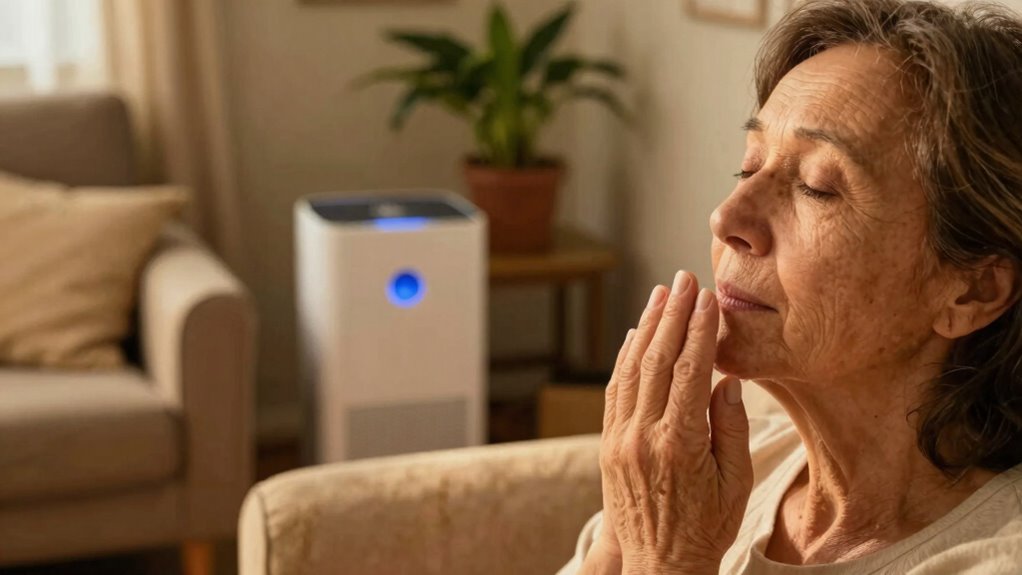

As you age, your lungs and immune system become more fragile, making you more susceptible to airborne irritants like dust, allergens, and indoor pollutants. These irritants can trigger asthma attacks, allergic reactions, or respiratory infections, especially if your ventilation isn’t properly managed. Small improvements, like opening windows or using air purifiers, can greatly reduce risks. If you want to understand more about protecting your indoor environment as you age, there’s plenty to explore.

Get smart everyday buys delivered free with Prime
- Fast, free delivery on millions of items
- Prime Video, Amazon Music and more included
- Member-only deals all year
Key Takeaways
- Aging increases susceptibility to airborne irritants, making poor indoor air quality more harmful for older individuals.
- Older adults often have pre-existing respiratory conditions that worsen with exposure to indoor pollutants.
- Ventilation and air purification become crucial as the body’s ability to combat airborne irritants declines with age.
- Small improvements in air quality have a greater health impact on vulnerable populations like seniors.
- Awareness and management of indoor pollutants are essential to protect aging individuals from respiratory health risks.
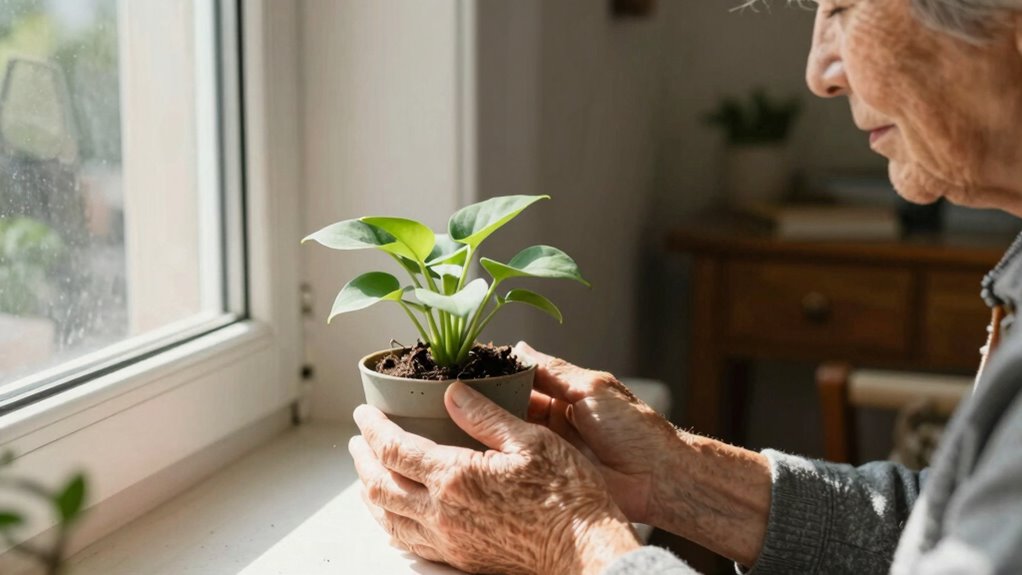
As your body becomes more susceptible to airborne irritants, it’s essential to consider how your living space is ventilated. Poor ventilation can lead to a higher concentration of indoor pollutants, which might trigger asthma attacks, allergic reactions, or respiratory infections. Upgrading your ventilation system or adopting simple habits like leaving a window open for a few minutes each day can dramatically improve air quality. Even small changes, like using air purifiers equipped with HEPA filters, can catch tiny particles and reduce indoor pollutants further. These measures are especially important if you spend most of your time indoors or live in an area with high pollution levels. Proper indoor air quality management can significantly reduce health risks associated with indoor pollutants. Additionally, being aware of ethics in genetic testing and other consumer choices can help you make more informed decisions about products that affect your indoor environment. Paying attention to microplastics in dust**** can also be crucial, as they are an emerging concern linked to indoor air quality.
As an affiliate, we earn on qualifying purchases.
Frequently Asked Questions
How Often Should I Check My Home’s Indoor Air Quality?
You should check your home’s indoor air quality at least once a month using air quality sensors to monitor pollutants and humidity levels. Regular checks help identify issues early. Also, evaluate your ventilation strategies, ensuring proper airflow and fresh air exchange. If you notice persistent odors, allergies, or respiratory symptoms, increase the frequency of checks. Staying proactive keeps your indoor environment healthier, especially as your home ages.
Are Air Purifiers Effective for Improving Indoor Air Quality?
Yes, air purifiers are effective for improving indoor air quality when you perform regular maintenance and replace filters as recommended. Proper air purifier maintenance guarantees ideal performance, filtering out dust, allergens, and pollutants. Keep an eye on the filter replacement frequency—usually every 3 to 6 months—to maintain efficiency. When used correctly, air purifiers can notably enhance your home’s air quality, especially as you age and become more sensitive to airborne particles.
What Are Common Indoor Pollutants That Worsen With Age?
Indoor allergens and chemical emissions are common pollutants that worsen with age. As you grow older, allergens like dust mites, mold, and pet dander can accumulate more, triggering allergies or respiratory issues. Chemical emissions from paints, cleaning products, and furniture also build up, impacting your health. You need to stay vigilant, improve ventilation, and use air purifiers to reduce these pollutants and protect your home environment.
Can Poor Air Quality Cause Health Issues in Seniors?
Poor indoor air quality can definitely cause health issues in seniors. You might notice that indoor allergens like dust, mold, or pet dander worsen respiratory health, leading to coughing, wheezing, or infections. As you age, your immune system weakens, making you more vulnerable. Ensuring good ventilation, regular cleaning, and air purification can help reduce indoor allergens, protecting your respiratory health and improving overall well-being.
How Does Humidity Affect Indoor Air Quality as I Age?
As you age, humidity levels greatly impact indoor air quality. Proper moisture control helps prevent mold growth and dust mites, which can worsen respiratory issues. Too much humidity creates a damp environment, increasing health risks, while low levels can cause dry skin and irritation. Maintaining balanced humidity, around 40-50%, ensures cleaner air and reduces allergens, making your home safer and more comfortable as you get older.
As an affiliate, we earn on qualifying purchases.
Conclusion
As you age, your body becomes more sensitive to pollutants, making good home air quality essential. Some experts suggest that our lungs and immune systems weaken over time, increasing vulnerability to indoor toxins. While this theory isn’t fully proven, it’s a compelling reason to prioritize clean, well-ventilated spaces. By taking steps now, you can help protect your health as you age, ensuring your home remains a safe haven for years to come.
ventilation system for elderly homes
As an affiliate, we earn on qualifying purchases.
As an affiliate, we earn on qualifying purchases.
As an affiliate, we earn on qualifying purchases.
Fall Picks
fall essentials
As an affiliate, we earn on qualifying purchases.