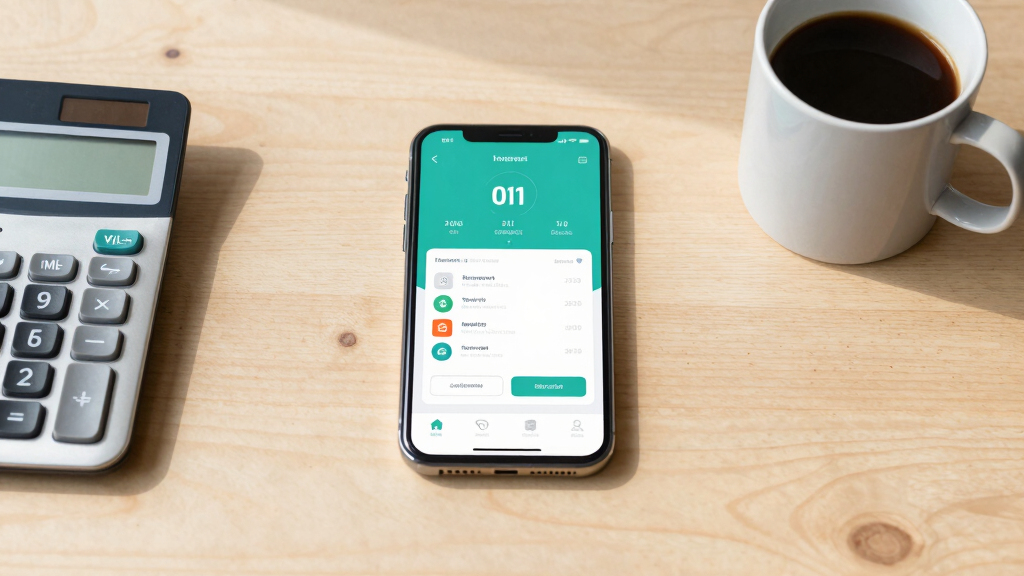

Investors seeking to monitor and grow their portfolios need reliable investment tracking tools. The best options offer comprehensive performance analysis, trade logging, and asset allocation tracking. The Ultimate Investment Portfolio Tracker stands out as the overall top pick for its versatility, while Trading Journal appeals to active traders needing detailed trade analysis. However, choosing the right tool involves balancing features, ease of use, and price. Continue reading for a full breakdown of the top 12 options and what makes each unique.

Get smart everyday buys delivered free with Prime
- Fast, free delivery on millions of items
- Prime Video, Amazon Music and more included
- Member-only deals all year
Key Takeaways
- Top picks excel in balancing usability and advanced features, making them suitable for both beginners and experienced investors.
- Trade logging and performance analysis are the most common standout features across the best options.
- Many tools cater specifically to long-term investors or active traders, so matching the tool to your investing style is crucial.
- Pricing varies significantly, with premium options offering more comprehensive analytics, but at a higher cost.
- Ease of use often correlates with fewer features; the most feature-rich tools may require a learning curve.
| The Ultimate Investment Portfolio Tracker |  | Best Overall Investment Tracking Tool | Ease of Use: High | Tracking Scope: Broad (diverse assets) | Analytics Features: Basic | VIEW LATEST PRICE | See Our Full Breakdown |
| Investment Planner: 365-Day Guide to Smart Investing and Portfolio Management |  | Best for Structured Planning and Education | Duration: 365 days | Target Audience: Beginners and experienced investors | Content Type: Guided daily planning | VIEW LATEST PRICE | See Our Full Breakdown |
| Investment Tracker |  | Best for Stock Growth Monitoring | Focus: Stocks | Tracking: Growth over time | Features: Basic monitoring | VIEW LATEST PRICE | See Our Full Breakdown |
| Investment Tracker: Log Every Trade, Analyze Performance, Grow Your Portfolio |  | Best for Active Traders and Trade Logging | Trade Logging: Yes | Performance Analysis: Included | Target User: Active traders | VIEW LATEST PRICE | See Our Full Breakdown |
| Investment Tracker |  | Best for Personal Finance Management | Interface: User-friendly | Tracking Features: Comprehensive | Analytics: Limited | VIEW LATEST PRICE | See Our Full Breakdown |
| My Investment Logbook: Investment and Financial Track Records |  | Best for Basic Record-Keeping and Manual Tracking | Format: Physical logbook | Pages: Multiple dedicated pages for transactions | Size: Compact, portable | VIEW LATEST PRICE | See Our Full Breakdown |
| Long-term Investment Logbook |  | Best for Long-Term Portfolio Management | Format: Physical logbook | Focus: Long-term portfolio management | Page Layout: Organized pages for transactions and goals | VIEW LATEST PRICE | See Our Full Breakdown |
| Investment Tracker Log Book |  | Best for General Portfolio Monitoring | Format: Physical logbook | Tracking Focus: Portfolio performance and transactions | User Level: Beginners to experienced investors | VIEW LATEST PRICE | See Our Full Breakdown |
| Investment Portfolio & Asset Allocation Tracker: Stock Market & ETF Logbook |  | Best for Stock and ETF Strategy Optimization | Format: Physical logbook | Focus: Stock and ETF portfolio management | Features: Dividends, DCA, compound interest tracking | VIEW LATEST PRICE | See Our Full Breakdown |
| Trading Journal: Stocks, Forex, Options, and Crypto Trading Log Book for Organized Traders |  | Best for Active Traders Across Multiple Markets | Format: Physical logbook | Trade Capacity: Up to 1000 trades | Markets Supported: Stocks, Forex, Options, Crypto | VIEW LATEST PRICE | See Our Full Breakdown |
| Stock Market Trading Journal: Track Profit/Loss, Avoid Mistakes, Investment Tracker for Stocks, Futures, Options, Forex, and Commodities |  | Best for Active Traders Seeking Discipline | Markets Covered: Stocks, Futures, Options, Forex, Commodities | Tracking Focus: Profit/Loss, Mistakes | Design & Usability: Unclear, No digital features detailed | VIEW LATEST PRICE | See Our Full Breakdown |
| Monthly Dividend Tracker |  | Best for Income-Focused Investors Planning for Financial Independence | Income Tracking: Monthly Dividends | Purpose: Financial Independence Planning | Features: Organized Income Monitoring | VIEW LATEST PRICE | See Our Full Breakdown |
More Details on Our Top Picks
The Ultimate Investment Portfolio Tracker
This portfolio tracker stands out for its ease of use combined with comprehensive monitoring features, making it an ideal choice for investors who want a straightforward yet powerful tool. Unlike the more specialized Investment Tracker (B0DGGPDS59), which focuses solely on stock growth, this option supports a broad view of long-term wealth management. Its simplicity is a double-edged sword: while easy for most users, it lacks detailed specifications and advanced analytics, which may frustrate more experienced investors seeking granular control. Nevertheless, for those prioritizing a balanced, all-in-one solution, this tracker offers a solid foundation for managing investments and maximizing returns.
Pros:- Easy to use with intuitive interface
- Supports broad investment tracking for long-term growth
- Helps maximize returns through comprehensive monitoring
Cons:- Lacks detailed specifications and advanced features
- No user reviews or ratings to verify performance
Best for: Investors seeking an easy-to-use, comprehensive portfolio overview without complex features
Not ideal for: Advanced traders requiring detailed analytics and customization options
- Ease of Use:High
- Tracking Scope:Broad (diverse assets)
- Analytics Features:Basic
- Target User:General investors
- Support:Long-term growth focus
Bottom line: This tracker is best suited for investors wanting a simple, all-in-one portfolio management tool.
Investment Planner: 365-Day Guide to Smart Investing and Portfolio Management
This planner excels at guiding both beginners and experienced investors through daily investment tasks, making it ideal for those who prefer a structured approach. Compared with the Investment Tracker (B0DGGPDS59), which is more focused on real-time monitoring, this guide emphasizes education and systematic planning, although it doesn’t include digital tools or detailed content. Its biggest limitation is the absence of integrated tracking features—users need to manually implement its advice—so it’s better suited for learners who want a disciplined, step-by-step process rather than instant automation. For anyone seeking a disciplined framework over raw tracking capability, this planner offers valuable structure.
Pros:- Provides structured daily investment guidance
- Suitable for both beginners and experienced investors
- Helps organize multiple asset types
Cons:- No digital tracking tools included
- Requires prior investment knowledge
- Lacks detailed content descriptions
Best for: Beginners or intermediate investors who appreciate a daily structured approach to planning
Not ideal for: Active traders looking for real-time data and detailed analytics
- Duration:365 days
- Target Audience:Beginners and experienced investors
- Content Type:Guided daily planning
- Tools Included:None
- Asset Coverage:Stocks, bonds, real estate, more
Bottom line: This guide makes the most sense for disciplined investors who value routine and education over instant data analysis.
Investment Tracker
This simple tracker focuses on monitoring stock investments and growth trajectories, making it suitable for investors who want to keep a close eye on their equities. Compared to the more comprehensive Ultimate Investment Portfolio Tracker, which covers multiple asset classes, this tool is more specialized and lacks detailed features or specifications. It’s ideal for those who need a straightforward way to see stock performance over time but falls short for users managing diversified portfolios or seeking in-depth analytics. If your primary goal is tracking stocks and growth, this basic tool can help, but it might leave you wanting more for complex strategies.
Pros:- Helps monitor stock investments and growth
- Assists in refining investment strategies
- Supports goal achievement with focused tracking
Cons:- Lacks detailed features or analytics
- No user reviews or ratings available
Best for: Stock-focused investors looking for simple growth tracking
Not ideal for: Investors with diversified portfolios needing multi-asset tracking and analytics
- Focus:Stocks
- Tracking:Growth over time
- Features:Basic monitoring
- User Feedback:None
- Intended Use:Strategy improvement
Bottom line: Ideal for stock investors who want a straightforward tool to track growth without extra complexity.
Investment Tracker: Log Every Trade, Analyze Performance, Grow Your Portfolio
This tracker emphasizes logging each trade and analyzing performance, making it suitable for active traders seeking granular control over their trading history. Compared to the broad scope of the Ultimate Investment Portfolio Tracker, which is more comprehensive but less detailed on individual trades, this tool offers focused trade logging and performance insights. Its main limitation is the lack of detailed feature descriptions and compatibility information, which could hinder integration with other platforms. For traders who want organized trade records and performance analysis to improve their strategies, this tracker provides targeted support, though it might require additional tools for a full trading suite.
Pros:- Easy to log and track individual trades
- Provides performance analysis tools
- Supports portfolio growth through detailed records
Cons:- Lacks detailed feature descriptions
- Limited info on platform compatibility
- Potentially less useful for passive investors
Best for: Active traders who want detailed trade logging and performance analysis
Not ideal for: Long-term investors seeking a broad portfolio overview without detailed trade data
- Trade Logging:Yes
- Performance Analysis:Included
- Target User:Active traders
- Compatibility:Unknown
- Trade Types:Stocks, options, forex, crypto
Bottom line: This tool suits active traders needing focused trade management and performance insights.
Investment Tracker
This investment tracker offers a user-friendly interface and broad tracking features, making it well-suited for individuals managing personal or small-scale investment portfolios. Compared with the Ultimate Investment Portfolio Tracker, which aims for comprehensive wealth growth, this model emphasizes ease of use and trend analysis over detailed analytics. Its limited customization options and lack of advanced analytics mean it might not satisfy those with complex investment strategies, but for everyday investors wanting to monitor asset performance and trends, it provides a practical solution. Its simplicity can be a strength or a weakness, depending on your level of investment sophistication.
Pros:- User-friendly interface
- Offers comprehensive asset tracking
- Useful for personal finance management
Cons:- Lacks detailed analytics
- Limited customization options
Best for: Personal investors who want an accessible, easy-to-navigate tracking tool
Not ideal for: Advanced investors needing in-depth analytics and customization features
- Interface:User-friendly
- Tracking Features:Comprehensive
- Analytics:Limited
- Customization:Limited
- Use Case:Personal finance
Bottom line: This tracker is best for personal investors seeking straightforward management and trend monitoring without complex features.
My Investment Logbook: Investment and Financial Track Records
This logbook excels at providing a straightforward, organized space for manually recording all your investment transactions, making it ideal for those who prefer paper-based tracking. Compared with digital tools like the Investment Tracker, it lacks automation and real-time updates, but it offers a tactile experience that can reinforce discipline. Its compact design makes it easy to carry and store, perfect for investors who want a physical record without digital distractions. However, it doesn’t include guidance or analysis features, which might limit its usefulness for those seeking insights or strategies. This pick makes the most sense for beginners or investors who value simplicity and physical documentation over digital automation.
Pros:- Organized layout for easy record keeping
- Helps track multiple investments and finances
- Compact and user-friendly design
Cons:- Lacks detailed instructions or guidance
- No digital features or integrations
Best for: Investors who prefer manual, paper-based record keeping and are not reliant on digital features
Not ideal for: Tech-savvy investors seeking automated analysis or integration with financial apps
- Format:Physical logbook
- Pages:Multiple dedicated pages for transactions
- Size:Compact, portable
- Intended Use:Manual record keeping
- Design:Organized layout
- Guidance:None
Bottom line: This logbook is best suited for investors who want a simple, physical way to track their financial activities without digital bells and whistles.
Long-term Investment Logbook
This logbook is tailored for investors focusing on long-term growth, offering clear pages to track portfolio performance, goals, and transactions over time. Unlike the Investment Tracker Log Book, which supports more frequent updates, this one emphasizes steady monitoring suited to buy-and-hold strategies. Its simplicity allows users to organize their investments without the distraction of complex analytics, making it ideal for beginners or those without active trading. However, the absence of analytical tools or digital features means it won’t support detailed performance analysis or quick data retrieval. It’s a good choice for long-term investors who prefer paper and slow-paced tracking.
Pros:- Helps organize and monitor investment portfolios
- Simple and easy to use
- Suitable for long-term investors
Cons:- Lacks detailed analysis tools
- No digital integration
Best for: Long-term investors who want a straightforward, paper-based way to monitor their portfolios
Not ideal for: Active traders or those looking for detailed analytics and real-time updates
- Format:Physical logbook
- Focus:Long-term portfolio management
- Page Layout:Organized pages for transactions and goals
- Ease of Use:Simple and straightforward
- Intended Audience:Long-term investors
- Digital Features:None
Bottom line: This logbook is ideal for investors pursuing a buy-and-hold strategy who prefer manual long-term tracking.
Investment Tracker Log Book
This log book offers a balanced approach for tracking investments, providing space to record transactions, monitor performance, and plan future moves. Compared with the My Investment Logbook, it adds a focus on portfolio management but still lacks automation or analytics, making it suitable for investors who want control without digital complexity. Its versatility makes it appropriate for both beginners starting out and experienced investors managing multiple assets manually. However, the absence of digital integration limits its usefulness for those who prefer quick data entry or analysis. This pick fits investors who want a simple, organized manual record of their portfolio’s progress.
Pros:- Easy to organize investment data
- Helps track portfolio performance
- Useful for both beginners and experienced investors
Cons:- Lacks detailed analytics features
- No digital integration
Best for: Both new and seasoned investors seeking an easy-to-use, physical portfolio tracker
Not ideal for: Active day traders or those needing real-time analytics and automation
- Format:Physical logbook
- Tracking Focus:Portfolio performance and transactions
- User Level:Beginners to experienced investors
- Features:Performance tracking and planning space
- Digital Integration:None
- Size:Standard notebook size
Bottom line: This log book suits investors who want a straightforward manual method to oversee their portfolios without digital tools.
Investment Portfolio & Asset Allocation Tracker: Stock Market & ETF Logbook
This tracker stands out for its focus on stocks and ETFs, supporting detailed record-keeping of trades, dividends, DCA, and compound interest, which can help users refine their investment strategies. Unlike the basic Investment Tracker Logbook, it offers more specialized features aimed at optimizing stock and ETF portfolios, making it ideal for active investors aiming for strategic growth. Still, it doesn’t include detailed instructions or digital options, which can be a hurdle for beginners or those wanting automated insights. This tool makes sense for investors who want to organize and improve their stock and ETF investments manually.
Pros:- Comprehensive tracking for stocks and ETFs
- Helps optimize investment strategies
- Includes features for dividends and compound interest
Cons:- Lacks detailed instructions or templates
- No digital or app integration
Best for: Active stock and ETF investors seeking structured tracking to enhance strategies
Not ideal for: Investors focused on other asset classes or those needing digital advice tools
- Format:Physical logbook
- Focus:Stock and ETF portfolio management
- Features:Dividends, DCA, compound interest tracking
- Intended Users:Active investors
- Guidance:None
- Size:Standard notebook
Bottom line: This logbook is best for investors looking to manually refine their stock and ETF strategies with detailed, organized records.
Trading Journal: Stocks, Forex, Options, and Crypto Trading Log Book for Organized Traders
This trading journal supports recording up to 1000 trades across various markets, making it a versatile choice for serious traders. Unlike the more general Investment Tracker Log Book, which is geared toward longer-term investors, this journal emphasizes detailed trade organization, helping traders analyze their performance and identify mistakes. Its large capacity is a clear advantage, but the lack of detailed specifications or additional features means traders may need supplementary tools for comprehensive analysis. It’s particularly well-suited for traders who need a dedicated, organized space to track a high volume of trades across different markets.
Pros:- Supports multiple trading markets
- Large capacity for up to 1000 trades
- Helps improve trading organization and analysis
Cons:- No detailed specifications provided
- Limited information on additional features
Best for: Active traders in stocks, forex, options, or crypto markets who want detailed trade tracking
Not ideal for: Passive investors or those seeking automated analysis tools
- Format:Physical logbook
- Trade Capacity:Up to 1000 trades
- Markets Supported:Stocks, Forex, Options, Crypto
- Focus:Trade organization and performance tracking
- Guidance:Limited
- Size:Standard notebook
Bottom line: This journal fits traders who need a dedicated, organized way to track a high volume of trades across various markets.
Stock Market Trading Journal: Track Profit/Loss, Avoid Mistakes, Investment Tracker for Stocks, Futures, Options, Forex, and Commodities
This trading journal stands out for its focus on helping active traders monitor their profit and loss across multiple markets, including stocks, futures, options, and forex. Unlike the comprehensive Investment Portfolio & Asset Allocation Tracker, which emphasizes broad portfolio management, this tool prioritizes detailed trade tracking and mistake identification, making it ideal for traders looking to refine their strategies. Its main tradeoff is the lack of detailed digital features or integration options, which may limit usability for those seeking automation. While it offers robust record-keeping for individual trades, the absence of user reviews or a clear interface makes assessing its ease of use difficult. This journal is best suited for traders who want disciplined trade tracking but don’t need advanced digital tools or extensive analysis features.
Pros:- Helps monitor profit and loss effectively for multiple markets
- Assists in identifying trading mistakes to improve strategies
- Suitable for traders engaged in stocks, futures, options, and forex
Cons:- Lacks detailed features or digital integration options
- No user reviews or ratings available, making usability assessment difficult
Best for: Active traders in stocks, forex, or commodities who want to improve discipline and learn from mistakes
Not ideal for: Long-term investors seeking a broad portfolio overview or automated tracking solutions
- Markets Covered:Stocks, Futures, Options, Forex, Commodities
- Tracking Focus:Profit/Loss, Mistakes
- Design & Usability:Unclear, No digital features detailed
- Review & Rating:No user reviews or ratings
Bottom line: This journal suits active traders focused on disciplined trade tracking and mistake correction over broad portfolio management.
Monthly Dividend Tracker
This tool excels at helping investors monitor their monthly dividend income, a feature that sets it apart from the broader Investment Tracker which emphasizes overall portfolio performance. Unlike the Investment Portfolio & Asset Allocation Tracker, which provides a more comprehensive view of asset distribution, this tracker zeroes in on income streams, making it ideal for those relying on dividends for cash flow. Its main tradeoff is the limited feature set; it offers basic income tracking but lacks advanced analysis or automation. The absence of user reviews or detailed usability insights makes it harder to gauge its practical application. This tracker is best suited for investors who prioritize income tracking and dividend planning over complex portfolio management.
Pros:- Helps track monthly dividend income effectively
- Supports planning investments toward financial independence
- Provides organized financial management for income streams
Cons:- Lacks detailed features or advanced analysis tools
- No user reviews or extensive usability information
- Limited to dividend income tracking without broader portfolio features
Best for: Income-focused investors aiming to track and optimize their monthly dividend cash flow
Not ideal for: Growth investors seeking detailed asset allocation insights or automated portfolio analysis
- Income Tracking:Monthly Dividends
- Purpose:Financial Independence Planning
- Features:Organized Income Monitoring
- Reviews:No user reviews
Bottom line: This dividend tracker is ideal for investors who want a straightforward way to monitor and plan their income streams rather than detailed asset management.
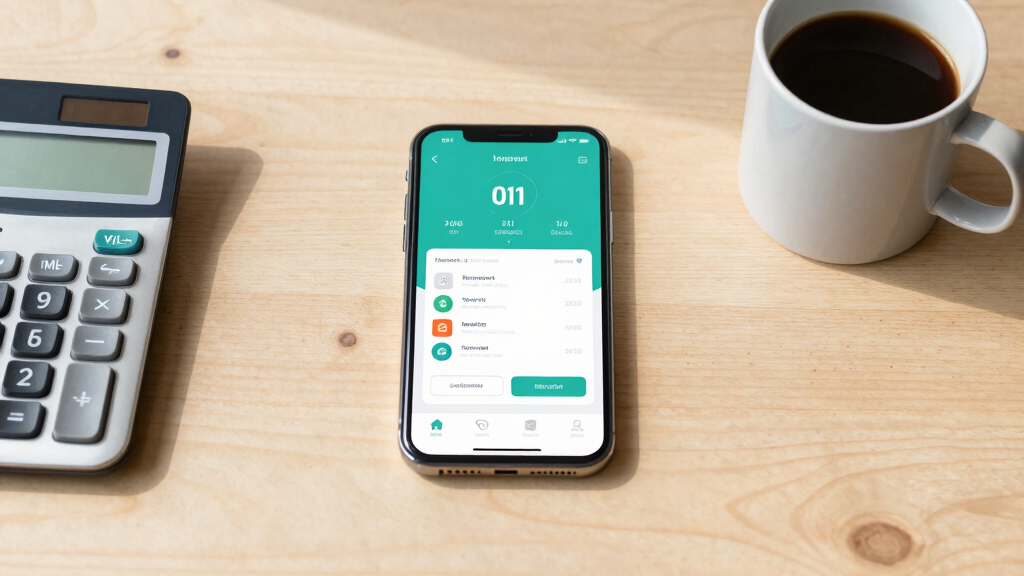
How We Picked
We evaluated each investment tracking tool based on key factors such as feature set, ease of use, customization options, data security, and value for money. Tools that offered comprehensive portfolio management, trade analysis, and intuitive interfaces ranked higher. We also considered user feedback and the ability of each tool to serve different investor profiles, from beginners to seasoned traders. The ranking reflects a balance between versatility, usability, and cost, ensuring readers can find options suited to their specific needs.Factors to Consider When Choosing Investment Tracking Tools
Choosing the right investment tracking tool requires considering several important factors. First, assess whether you need a simple portfolio overview or detailed trade analysis, as some tools cater to active traders while others suit long-term investors. Usability is key—look for interfaces that match your comfort level with technology. Price is another consideration; premium features often come with higher costs, but basic tools can suffice for casual investors. Data security should not be overlooked, especially if sensitive financial information is involved. Finally, compatibility with your devices and integration with other financial apps can streamline your investing process.Features and Functionality
Ensure the tool offers core features relevant to your investing style. Long-term investors might prioritize asset allocation tracking and dividend management, while active traders need trade logging, performance analytics, and real-time data. Some tools include tax reporting and scenario analysis, which can add value but may also increase complexity. Avoid tools that promise too many features without delivering usability or clarity, as this can lead to frustration and errors.
Ease of Use
Intuitive interfaces save time and reduce frustration, especially for beginners. Look for tools with clear navigation, customizable dashboards, and helpful tutorials. Overly complex platforms can be overwhelming and discourage regular use. Conversely, some experienced investors may prefer more advanced features that come with a steeper learning curve. Balancing ease of use with feature depth is key—select a tool that you can comfortably operate as your skills grow.
Pricing and Value
Investment tracking tools range from free basic versions to premium subscriptions that cost hundreds annually. Consider whether the extra features justify the price. Free tools often lack advanced analytics or trade logging but can be sufficient for casual investors. Paid options tend to offer more comprehensive insights, automation, and integrations. Be wary of hidden costs or features locked behind paywalls—opt for a solution that aligns with your investment goals and budget.
Data Security and Privacy
Your financial data is sensitive, so choosing a platform with strong security measures is essential. Look for providers with encrypted data storage, secure login protocols, and transparent privacy policies. Cloud-based tools offer convenience but depend on the provider’s security practices. Local or offline options reduce online vulnerabilities but might lack real-time updates. Weigh convenience against security to find a trustworthy solution.
Compatibility and Integration
Check if the tool works seamlessly across your devices—desktop, tablet, or smartphone—and whether it integrates with your brokerage accounts or financial apps. Compatibility can save time by importing data automatically, reducing manual entry errors. Some tools offer API connections or third-party integrations that expand their functionality. Making sure your chosen tool fits into your existing digital ecosystem can significantly enhance your investing experience.
Frequently Asked Questions
Can investment tracking tools help me with tax reporting?
Many investment tracking tools include features that assist with tax reporting by organizing trade history, dividends, and capital gains. Some platforms generate reports compatible with tax software or IRS forms, simplifying year-end preparation. However, the level of detail and accuracy varies, so it’s important to choose a tool that matches your tax complexity. Using a dedicated tax professional alongside your tracking tool can further ensure compliance and accuracy.
Are free investment tracking tools reliable for serious investing?
Free tools can be quite effective for casual investors or those just starting out, offering basic portfolio views and trade logging. However, they often lack advanced analytics, automation, and integrations needed for more active or sophisticated investing strategies. If you manage a large or complex portfolio, investing in a paid platform may provide more accurate insights and save time in the long run. Carefully evaluate whether the free version covers your core needs before relying solely on it for serious investing decisions.
Should I prioritize ease of use or advanced features?
It depends on your experience level and investing goals. Beginners typically benefit from simple, easy-to-navigate tools that help them understand their investments without overwhelming complexity. More experienced investors or active traders need advanced features like detailed trade analysis, performance metrics, and automation, even if that means a steeper learning curve. Ideally, look for a platform that offers both—simple interfaces with optional advanced modules that you can explore as your skills grow.
How often should I update or review my investment tracker?
Regular updates are essential to keep your investment data accurate and relevant. For most investors, weekly or monthly reviews strike a good balance, allowing you to monitor performance and make informed decisions without becoming overwhelmed. Active traders might need real-time updates and frequent logging, while long-term investors can focus on quarterly or biannual reviews. Consistency in reviewing your tracker helps identify trends, rebalance portfolios, and avoid costly mistakes.
What should I do if my investment tracking tool doesn’t sync with my brokerage?
If your preferred tracking tool lacks direct integration with your brokerage, manual data entry becomes necessary, which can be time-consuming and prone to errors. Before choosing a platform, verify compatibility or look for options that support importing data via CSV files or API connections. Some tools offer third-party integrations that can automate data syncing, saving time and increasing accuracy. If data sync is critical, prioritize tools with robust integration features to ensure your information stays current and reliable.
Conclusion
For most investors, the Ultimate Investment Portfolio Tracker offers the best combination of features, usability, and value, making it ideal for those managing diverse assets. Budget-conscious users or beginners will find My Investment Logbook a simple, effective choice. Active traders and professionals should consider platforms like Trading Journal for its detailed trade analytics. If you’re seeking a premium experience with advanced analytics and integrations, the Investment Portfolio & Asset Allocation Tracker provides comprehensive tools. Ultimately, your choice depends on your investing style, experience, and specific needs.Columbus Day / Indigenous Peoples' Day Picks
long weekend sales
As an affiliate, we earn on qualifying purchases.