

Choosing the right personal finance book as a student can be challenging, with options ranging from quick crash courses to comprehensive guides. The best overall pick is How to Adult: Personal Finance for the Real World for its practical advice tailored to real-life situations. For those seeking a quick, engaging read, It’s Not Common Cent$: A 30-Day Personal Finance Crash Course stands out, while Personal Finance for Teens and Young Adults offers foundational skills for beginners. The main tradeoffs include balancing depth versus accessibility and affordability versus comprehensiveness. Continue reading for a detailed breakdown of each option to find the perfect fit for your learning style and budget.

Get smart everyday buys delivered free with Prime
- Fast, free delivery on millions of items
- Prime Video, Amazon Music and more included
- Member-only deals all year
Key Takeaways
- The top-ranked books combine practical advice with relatable language tailored for students.
- Many of the best options include step-by-step guides or actionable plans, making complex concepts easier to grasp.
- Price and accessibility vary widely; some comprehensive books are more expensive but offer in-depth knowledge, while others focus on quick tips.
- Books that include visual aids or interactive elements tend to be more engaging for beginners.
- The most useful books balance foundational concepts with real-world applications, avoiding overly theoretical content.
| How to Adult: Personal Finance for the Real World |  | Best Overall Guide for Practical Financial Literacy | Format: Print | Pages: Unknown | Language: English | VIEW LATEST PRICE | See Our Full Breakdown |
| Personal Finance for Teens and Young Adults: Learn Money Skills Not Taught in School |  | Best for Young Adults Ready to Achieve Financial Independence | Format: Print | Pages: Unknown | Language: English | VIEW LATEST PRICE | See Our Full Breakdown |
| The Complete Guide to Personal Finance for Teenagers and College Students – Revised 2nd Edition |  | Best for Young Adults Who Want Updated, Practical Advice | Format: Print | Pages: Unknown | Language: English | VIEW LATEST PRICE | See Our Full Breakdown |
| Business and Personal Finance, Student Edition |  | Best for Classroom Learning and Practical Skills | Format: Print | Pages: Unknown | Language: English | VIEW LATEST PRICE | See Our Full Breakdown |
| It’s Not Common Cent$: A 30-Day Personal Finance Crash Course for College Students and Young Adults | 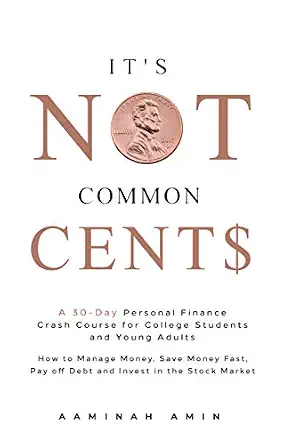 | Best for Quick Financial Skills in a Structured Program | Format: Print | Pages: Unknown | Language: English | VIEW LATEST PRICE | See Our Full Breakdown |
| High School Financial Literacy: A Practical Personal Finance Course for Homeschool Students |  | Best for Homeschool Students Seeking Practical Skills | Target Audience: Homeschool high school students | Coverage: Budgeting, saving, investing | Format: Course-based, self-guided | VIEW LATEST PRICE | See Our Full Breakdown |
| Get a Financial Life: Personal Finance in Your Twenties and Thirties |  | Best for Young Adults Building Foundations | Target Audience: Twenties and Thirties | Topics Covered: Budgeting, saving, investing, debt | Approach: Practical and straightforward | VIEW LATEST PRICE | See Our Full Breakdown |
| Personal Finance 101: From Saving and Investing to Taxes and Loans, an Essential Primer on Personal Finance |  | Best for Absolute Beginners Seeking Comprehensiveness | Target Audience: Beginners and students | Topics: Saving, investing, taxes, loans | Approach: Foundational and accessible | VIEW LATEST PRICE | See Our Full Breakdown |
| Personal Finance for Teens and College Students: 101 Money Secrets You Wish You Learned in High School |  | Best for Teens and College Students Early in Their Financial Journey | Target Audience: Teens and college students | Focus: Money secrets and habits | Approach: Practical and straightforward | VIEW LATEST PRICE | See Our Full Breakdown |
| Personal Finance For Dummies |  | Best for Beginners Needing Clear, Broad Guidance | Target Audience: Beginners and students | Topics: Budgeting, saving, investing, debt | Approach: Broad and clear | VIEW LATEST PRICE | See Our Full Breakdown |
| Personal Finance, Student Edition |  | Best for Foundational Learning | Target Audience: Students new to personal finance | Format: Print, classroom or self-study | Topics Covered: Budgeting, saving, debt management | VIEW LATEST PRICE | See Our Full Breakdown |
| Glencoe Personal Finance, Student Edition |  | Best for Comprehensive Coverage | Coverage: Comprehensive personal finance topics | Intended Audience: High school or college students | Format: Print | VIEW LATEST PRICE | See Our Full Breakdown |
| The Infographic Guide to Personal Finance: A Visual Reference for Everything You Need to Know | 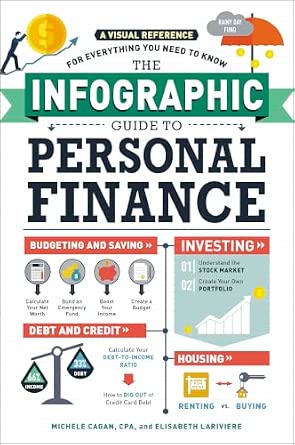 | Best Visual Learning Tool | Format: Infographics and visuals | Audience: Visual learners and quick-reference users | Topics Covered: Budgeting, investing, saving | VIEW LATEST PRICE | See Our Full Breakdown |
| Personal Finance for Teens Workbook: American Edition |  | Best for Practical Engagement | Target Audience: American teens and educators | Format: Workbook with exercises | Topics: Budgeting, saving, investing | VIEW LATEST PRICE | See Our Full Breakdown |
| Personal Finance for Teenagers: Fast Track to Financial Literacy with Teen-Tailored Money Management Skills |  | Best for Hands-On Teen Learning | Target Audience: Teenagers seeking practical skills | Format: Activity-based book | Topics: Earning, saving, investing | VIEW LATEST PRICE | See Our Full Breakdown |
| personal finance books for student | Format | Language | Target Audience |
|---|---|---|---|
| How to Adult: Personal Finance | English | Adults | |
| Personal Finance for Teens and | English | Teens and young adults | |
| The Complete Guide to Personal | English | — | |
| Business and Personal Finance | English | — | |
| It’s Not Common Cent$: A 30-Da | English | — | |
| High School Financial Literacy | Course-based, self-guided | English | Homeschool high school students |
| Get a Financial Life: Personal | Book | English | Twenties and Thirties |
| Personal Finance 101: From Sav | Book | English | Beginners and students |
| Personal Finance for Teens and | Book | English | Teens and college students |
| Personal Finance For Dummies | Book | English | Beginners and students |
| Personal Finance | Print, classroom or self-study | — | Students new to personal finance |
| Glencoe Personal Finance | — | — | |
| The Infographic Guide to Perso | Infographics and visuals | — | — |
| Personal Finance for Teens Wor | Workbook with exercises | — | American teens and educators |
| Personal Finance for Teenagers | Activity-based book | — | Teenagers seeking practical skills |
More Details on Our Top Picks
How to Adult: Personal Finance for the Real World
This book stands out for its accessible approach to everyday financial tasks, making it a strong choice for beginners. Compared with It’s Not Common Cent$, which offers a quick 30-day plan, How to Adult provides a broader overview of personal finance essentials, though it doesn’t delve deeply into investment strategies. Its practicality and straightforward language make it ideal for adults who want to build a solid foundation without overwhelming details. However, the lack of advanced investment advice and specific pricing info means it’s less suited for those seeking in-depth financial planning. This pick makes the most sense for adults new to managing money who prefer a wide-ranging, easy-to-understand guide.
Pros:- Practical advice for real-world financial situations
- Easy-to-understand guidance suitable for beginners
- Covers a wide range of personal finance topics
Cons:- Lacks detailed investment strategies
- No specific pricing or edition information provided
Best for: Adults seeking a comprehensive, beginner-friendly personal finance overview
Not ideal for: Experienced investors or those looking for detailed investment strategies
- Format:Print
- Pages:Unknown
- Language:English
- Target Audience:Adults
Our verdict“This book is best for adults who want a straightforward, all-encompassing guide to personal finance basics.”
Personal Finance for Teens and Young Adults: Learn Money Skills Not Taught in School
This book emphasizes practical money skills like budgeting and saving, making it perfect for teenagers and young adults who want to gain independence early. Its focus on skills not typically covered in school differentiates it from The Complete Guide to Personal Finance for Teenagers, which offers more detailed advice but may be less engaging for absolute beginners. The straightforward advice helps new earners understand core concepts, but the absence of reviews or specific features might make it less appealing to those seeking validation through community feedback. It’s an ideal pick for young learners eager to master basic financial skills quickly and confidently.
Pros:- Provides practical financial skills for young people
- Focuses on budgeting, saving, and investing
- Helps achieve financial independence early
Cons:- No specific features or editions mentioned
- No customer ratings or reviews available
Best for: Teenagers and young adults who want practical, actionable money skills
Not ideal for: Older students or those seeking detailed investing advice
- Format:Print
- Pages:Unknown
- Language:English
- Target Audience:Teens and young adults
Our verdict“This book is best suited for teens and young adults eager to learn essential money management skills in an accessible way.”
The Complete Guide to Personal Finance for Teenagers and College Students – Revised 2nd Edition
This revised edition offers updated insights into managing money for teenagers and college students, making it more relevant than the original. When compared with Personal Finance for Teens and Young Adults, it provides more structured content and clearer guidance on avoiding debt, but may feel somewhat basic for those already familiar with financial concepts. Its focus on essential topics like budgeting and investing makes it a good starting point for students building financial literacy. However, the lack of detailed pricing and mixed reviews about content depth suggest it’s better suited for beginners rather than advanced learners. It’s ideal for students seeking a straightforward, recent guide to financial basics.
Pros:- Provides practical financial advice for young adults
- Covers essential topics like budgeting and investing
- Revised 2nd edition with updated information
Cons:- No specific price information available
- Content may be basic for advanced learners
Best for: Teenagers and college students new to financial literacy looking for an updated resource
Not ideal for: Advanced learners seeking in-depth investment or financial planning strategies
- Format:Print
- Pages:Unknown
- Language:English
- Edition:2nd
Our verdict“This book best serves students new to personal finance who want an updated, straightforward introduction to managing money.”
Business and Personal Finance, Student Edition
This comprehensive student edition combines both business and personal finance concepts, making it suitable for classroom settings or those seeking a well-rounded understanding. Compared with The Complete Guide to Personal Finance for Teenagers, it offers more structured exercises and practical recordkeeping activities, yet it may lack the engaging narrative some young learners prefer. Its focus on core principles and exercises helps students grasp fundamental concepts, but the absence of digital resources could be a limitation for tech-savvy learners. This book is ideal for students who prefer structured coursework and want to develop practical skills through exercises and recordkeeping.
Pros:- Comprehensive coverage of finance topics
- Suitable for students learning personal finance
- Includes practical recordkeeping exercises
Cons:- Lacks detailed examples in some areas
- No digital or online resources mentioned
Best for: Students in a classroom or self-learners seeking a structured, comprehensive overview
Not ideal for: Self-directed learners who prefer digital or multimedia content
- Format:Print
- Pages:Unknown
- Language:English
- Subject Focus:Business and Personal Finance
Our verdict“This book makes sense for students who learn best through structured exercises and want a broad overview of finance principles.”
It’s Not Common Cent$: A 30-Day Personal Finance Crash Course for College Students and Young Adults
This book offers a practical, step-by-step 30-day plan, making it ideal for students who want rapid results in managing money, paying off debt, and investing basics. When compared with Personal Finance for Teens and Young Adults, which covers broader skills, It’s Not Common Cent$ emphasizes a focused, day-by-day approach—great for those who prefer structured routines. Its simplicity and clear timeline make it suitable for beginners, but more experienced students may find it too basic or limiting. This pick is best for college students or young adults eager to see quick progress and establish solid financial habits in a month.
Pros:- Provides a structured 30-day financial plan
- Focuses on practical money management skills
- Covers saving, debt repayment, and investing basics
Cons:- No detailed specifications or features listed
- Content may be too basic for experienced investors
Best for: College students and young adults needing a focused, time-limited financial boost
Not ideal for: Advanced investors or those seeking in-depth financial education beyond basics
- Format:Print
- Pages:Unknown
- Language:English
- Focus:30-day financial plan
Our verdict“This book is perfect for students who want a quick, disciplined approach to building essential financial habits within a month.”
High School Financial Literacy: A Practical Personal Finance Course for Homeschool Students
This course stands out for its tailored approach to homeschooling, providing a comprehensive overview of personal finance topics like budgeting, saving, and investing in an accessible format. Compared with books like Personal Finance for Teens and College Students, this course offers a more structured curriculum specifically designed for self-guided learning at home. The main tradeoff is its limited format details and absence of customer feedback, which makes gauging engagement harder. It’s ideal for homeschoolers who want a practical, straightforward introduction to money management but might fall short for those seeking a detailed, reviewable program or a more interactive experience.
Pros:- Tailored specifically for homeschool students
- Covers essential topics like budgeting, saving, and investing
- Practical and easy-to-understand lessons
Cons:- Lacks detailed specifications or format information
- No customer reviews available, making it hard to assess engagement or effectiveness
Best for: Homeschool high school students who need a practical finance course tailored to their learning environment
Not ideal for: Students in traditional schools or those looking for an in-depth, interactive course with reviews and community feedback
- Target Audience:Homeschool high school students
- Coverage:Budgeting, saving, investing
- Format:Course-based, self-guided
- Language:English
- Age Range:High school
Our verdict“This course is best suited for homeschoolers seeking a straightforward, practical introduction to personal finance without the need for detailed specifications or reviews.”
Get a Financial Life: Personal Finance in Your Twenties and Thirties
This book makes the most sense for readers in their twenties and thirties who want practical advice on managing their finances, including budgeting, saving, and investing. Compared with Personal Finance 101, it offers more tailored guidance for early career stages and life milestones. However, it doesn’t include updated financial strategies or detailed tools, which could limit its relevance over time. Its straightforward, real-world advice helps young adults avoid common pitfalls, but those seeking in-depth strategies or the latest investment options might find it somewhat basic.
Pros:- Practical advice tailored for twenties and thirties
- Focuses on key topics like debt management and investing
- Accessible and easy to follow
Cons:- Lacks detailed, updated financial strategies
- No information on digital tools or recent financial trends
Best for: Young adults in their twenties or early thirties looking to establish a solid financial foundation
Not ideal for: Older individuals seeking advanced investment strategies or comprehensive financial planning
- Target Audience:Twenties and Thirties
- Topics Covered:Budgeting, saving, investing, debt
- Approach:Practical and straightforward
- Format:Book
- Language:English
Our verdict“This book is perfect for young adults early in their financial journey who want practical, no-nonsense advice without the complexity of advanced planning.”
Personal Finance 101: From Saving and Investing to Taxes and Loans, an Essential Primer on Personal Finance
This book offers a broad overview of personal finance, making it ideal for beginners who want a foundational understanding of topics like taxes, loans, saving, and investing. Unlike Get a Financial Life, which targets a slightly older demographic, Personal Finance 101 provides a more accessible entry point for those new to financial literacy. The main tradeoff is its lack of advanced strategies or specific tools, which might leave readers wanting more depth eventually. Still, its clear explanations make it a strong starting place for anyone just beginning to learn about money management.
Pros:- Comprehensive coverage of basic financial topics
- Clear, accessible explanations suitable for beginners
- Good foundation for further financial learning
Cons:- Lacks detailed examples or advanced content
- No mention of the latest financial tools or updates
Best for: Beginners and students new to personal finance who need a comprehensive, easy-to-understand guide
Not ideal for: Readers with prior financial knowledge seeking advanced strategies or detailed case studies
- Target Audience:Beginners and students
- Topics:Saving, investing, taxes, loans
- Approach:Foundational and accessible
- Format:Book
- Language:English
Our verdict“Ideal for absolute beginners who want a broad, accessible overview of personal finance fundamentals without unnecessary complexity.”
Personal Finance for Teens and College Students: 101 Money Secrets You Wish You Learned in High School
This book makes practical financial tips highly relevant for teenagers and college students, focusing on habits and secrets that help develop responsible money management early. Compared with High School Financial Literacy, which provides a broader curriculum, this one emphasizes quick, actionable secrets for young adults eager to start managing money effectively. Its main limitation is the absence of detailed strategies for complex financial planning, making it better suited for beginners rather than those seeking comprehensive financial education or long-term planning skills.
Pros:- Practical, relevant tips for young adults
- Easy-to-understand advice
- Focuses on developing healthy money habits early
Cons:- Lacks detailed strategies for advanced financial planning
- No specific pricing or rating info provided
Best for: Teenagers and college students who want quick, practical money tips and habit-building advice
Not ideal for: Students looking for a detailed guide on investments, taxes, or long-term financial planning
- Target Audience:Teens and college students
- Focus:Money secrets and habits
- Approach:Practical and straightforward
- Format:Book
- Language:English
Our verdict“This book is best for young adults seeking quick, practical secrets to start managing their money responsibly early on.”
Personal Finance For Dummies
This book earns its place as a comprehensive, beginner-friendly guide that covers the essentials of personal finance, from budgeting to investing and debt management. Compared with Personal Finance 101, which offers a more basic overview, Personal Finance For Dummies provides more detailed explanations and a wider scope suitable for those just starting out. However, it doesn’t include the latest digital tools or advanced strategies, making it less ideal for readers seeking cutting-edge advice. Its straightforward language and broad coverage make it a dependable starting point for new learners.
Pros:- Comprehensive and beginner-friendly
- Clear explanations of complex concepts
- Good for building a solid financial foundation
Cons:- Lacks recent updates on digital financial tools
- No focus on advanced or niche strategies
Best for: Beginners and students who need a broad, easy-to-understand introduction to all aspects of personal finance
Not ideal for: Advanced learners or those seeking detailed, up-to-date strategies and tools
- Target Audience:Beginners and students
- Topics:Budgeting, saving, investing, debt
- Approach:Broad and clear
- Format:Book
- Language:English
Our verdict“Perfect for absolute beginners who want a broad, accessible guide that covers all the essentials without overwhelming detail.”
Personal Finance, Student Edition
This student edition offers a solid foundation in essential financial topics like budgeting, saving, and managing debt, making it ideal for beginners who need a broad overview. Compared with Personal Finance for Teens Workbook, it provides more structured content suitable for classroom use or self-study, but it falls short in digital resources and advanced topics. This makes it a good starting point for students new to personal finance, though those seeking deeper or more interactive tools might find it lacking. Its comprehensive approach ensures learners understand core concepts, but the lack of digital engagement could limit appeal for tech-savvy students.
Pros:- Provides a broad overview of essential financial topics
- Practical guidance on budgeting and saving
- Suitable for classroom use or self-study
- Clear, straightforward explanations
Cons:- Lacks detailed digital resources and online tools
- Limited coverage of complex financial strategies
- May feel basic for students with prior financial knowledge
Best for: Students seeking a comprehensive, easy-to-understand introduction to personal finance fundamentals
Not ideal for: Advanced learners or students looking for interactive digital resources and in-depth financial strategies
- Target Audience:Students new to personal finance
- Format:Print, classroom or self-study
- Topics Covered:Budgeting, saving, debt management
- Digital Resources:Limited
- Advanced Topics:Limited
Our verdict“This book is perfect for beginners or students in need of a clear, structured introduction to personal finance basics.”
Glencoe Personal Finance, Student Edition
This edition stands out for its thorough exploration of personal finance, covering topics like investing, financial planning, and credit management, making it suitable for students eager for a holistic understanding. Compared with Personal Finance, Student Edition, it offers broader scope, but its lack of detailed specifications and absence of user reviews make assessing its depth difficult. It’s a strong choice for educators or motivated students who want an all-in-one resource, but its limited online support and sparse detail could be a drawback for self-learners. If you’re seeking a comprehensive curriculum, this book delivers, though it might require supplementary materials for in-depth study.
Pros:- Extensive coverage of personal finance topics
- Suitable for structured learning environments
- Helps build a solid financial literacy foundation
- Clear organization of complex concepts
Cons:- No detailed specifications or user ratings available
- Lacks interactive or digital components
- May be overwhelming for absolute beginners
Best for: Students who want a thorough, textbook-style resource to build a complete understanding of personal finance
Not ideal for: Students who prefer digital tools or quick-reference guides, due to lack of online features and detailed specs
- Coverage:Comprehensive personal finance topics
- Intended Audience:High school or college students
- Format:Print
- Digital Resources:Not specified
- Supplementary Materials:Not provided
Our verdict“This book is ideal for students who want an in-depth, textbook-style approach to mastering personal finance concepts.”
The Infographic Guide to Personal Finance: A Visual Reference for Everything You Need to Know
This book makes personal finance accessible through engaging infographics, helping visual learners grasp complex ideas quickly. Compared with Personal Finance, Student Edition or Glencoe Personal Finance, it sacrifices depth for clarity, making it less suitable for advanced study but excellent as a quick reference or revision aid. Its visual format helps demystify topics like investing and budgeting, but the lack of detailed advice means it’s best used alongside more comprehensive texts. This pick is perfect for students who learn best through visuals and need a handy, easy-to-understand guide, though it won’t replace in-depth coursework.
Pros:- Visually engaging and easy to understand
- Provides a broad overview of personal finance topics
- Useful as a quick reference or revision tool
- Simplifies complex financial concepts
Cons:- Lacks detailed financial advice or advanced strategies
- Not suitable as a sole resource for in-depth learning
- Limited coverage on some complex topics
Best for: Visual learners or students who need a quick, accessible overview of personal finance concepts
Not ideal for: Students seeking detailed financial strategies or comprehensive coursework, as it offers limited depth
- Format:Infographics and visuals
- Audience:Visual learners and quick-reference users
- Topics Covered:Budgeting, investing, saving
- Depth:Basic to intermediate
- Digital Resources:None
Our verdict“This guide is best for students who prefer visual learning and need a quick, easy-to-navigate overview of personal finance.”
Personal Finance for Teens Workbook: American Edition
This workbook makes financial lessons practical through exercises and activities, ideal for teens who learn by doing. It focuses on essential skills like budgeting, saving, and investing, making it more interactive than traditional texts like Personal Finance, Student Edition. However, its content may be somewhat basic for older or more advanced students, and it lacks detailed specifications or digital support. This book suits American teens who benefit from hands-on learning, but those seeking comprehensive or advanced financial education may find it limited.
Pros:- Teaches essential personal finance skills through exercises
- Engaging, hands-on activities enhance learning
- Specifically tailored for American students
- Good for beginners and practical learners
Cons:- No detailed specifications or digital support
- Content may be too basic for advanced learners
- Limited scope beyond fundamental skills
Best for: American teens or educators looking for an engaging, activity-based introduction to personal finance
Not ideal for: Older teens or students seeking in-depth, theory-based financial education, due to its basic content
- Target Audience:American teens and educators
- Format:Workbook with exercises
- Topics:Budgeting, saving, investing
- Interactivity:High
- Digital Resources:None
Our verdict“This workbook is ideal for American teens who learn best through practical activities and engaging exercises.”
Personal Finance for Teenagers: Fast Track to Financial Literacy with Teen-Tailored Money Management Skills
This book emphasizes practical activities and real-world skills, making it ideal for teens eager to learn through doing. Its focus on earning, saving, and investing helps build a strong foundation for financial literacy, especially for students who prefer active engagement. Compared with Personal Finance for Teens Workbook, it offers more guidance on earning money and additional activities, but it lacks specific pricing and customer ratings, which makes gauging its popularity difficult. This pick works best for teens who want to develop money management skills through practical exercises and real-life scenarios, though it may be too basic for those seeking a detailed course.
Pros:- Provides hands-on activities for financial skill development
- Focuses on earning, saving, and investing
- Tailored specifically for teenagers
- Encourages active learning through practical exercises
Cons:- No specific pricing or customer ratings available
- Content may be too basic for advanced students
- Limited coverage beyond core money skills
Best for: Teens interested in a practical, activity-based approach to developing money management skills
Not ideal for: Students seeking detailed financial education or advanced strategies, due to its basic content and lack of reviews
- Target Audience:Teenagers seeking practical skills
- Format:Activity-based book
- Topics:Earning, saving, investing
- Approach:Practical exercises
- Digital Resources:None
Our verdict“This book is well-suited for teens who learn best through practical activities and real-world money management exercises.”
How We Picked
To evaluate these books, I considered several key factors: clarity of explanation, relevance to student life, ease of reading, and practical usefulness. I prioritized titles that offer actionable advice over purely theoretical content, recognizing that students need tangible skills they can apply immediately. The selection also reflects a balance between affordability and depth, ensuring options are accessible for different budgets. The ranking emphasizes books that are highly rated by readers and educators, with a focus on clarity, engagement, and real-world applicability.Factors to Consider When Choosing Personal Finance Books For Students
When selecting a personal finance book for students, it’s important to consider your current knowledge level, learning style, and specific financial goals. The right book should be approachable yet comprehensive enough to provide real value. Beyond reading reviews, think about the book’s format, whether it includes exercises, visual aids, or case studies that match your learning preferences. A good finance book should also address common student financial challenges, such as budgeting, student loans, and saving strategies. Be wary of overly technical books that might be too dense or those that lack practical advice, as these can hinder your ability to apply what you learn.Ease of Understanding
Look for books written in clear, straightforward language designed for beginners. Books that use jargon-free explanations and relatable examples are more likely to keep you engaged and help you retain information. Avoid overly technical titles if you’re just starting out, as complex language can discourage continued learning.Practical Focus
Choose books that emphasize actionable advice and real-world applications. Books with checklists, step-by-step plans, or worksheets help reinforce learning and encourage you to implement new habits. Practical focus ensures you’re not just learning theories but also developing skills you can use immediately.Coverage of Key Topics
Ensure the book covers essential topics such as budgeting, saving, investing, credit management, and understanding student loans. A comprehensive overview tailored to students’ specific financial situations makes the book more relevant and valuable.Format and Engagement
Consider whether the book includes visual aids, infographics, interactive exercises, or online resources. Engaging formats can improve comprehension and make learning more enjoyable, especially for visual or hands-on learners.Price and Accessibility
Balance your budget with the depth of content offered. Some high-quality books are affordable and quick to read, while more detailed guides might cost more but provide greater value over time. Look for options that fit your financial situation without sacrificing quality.Frequently Asked Questions
Should I choose a book that is more beginner-friendly or one that offers advanced financial concepts?
For most students, starting with a beginner-friendly book makes the most sense. These titles focus on foundational concepts and practical skills, building your confidence and understanding first. Once you’re comfortable with the basics, you can explore more advanced books to deepen your knowledge. Avoid jumping into complex topics too early, as this can be overwhelming and discourage ongoing learning.Are visual aids and interactive elements important in a student finance book?
Yes, visual aids like charts and infographics can significantly enhance understanding, especially for complex topics such as investing or credit management. Interactive elements like worksheets or quizzes reinforce learning and help you apply concepts actively. Choosing a book with engaging visuals and exercises can make the learning process more enjoyable and effective, especially if you prefer hands-on or visual learning styles.Is it better to buy a comprehensive, in-depth book or a quick-reference guide?
It depends on your goals and current knowledge level. A comprehensive book offers detailed explanations and broader coverage, ideal if you want a solid foundation or plan to dive deeply into personal finance. A quick-reference guide is better if you prefer a concise overview or need a resource to consult periodically. For most students, starting with a balanced, approachable book that covers essentials is the best strategy.Should I prioritize affordability when choosing a finance book?
Affordability is important, especially for students on a tight budget. However, investing a little more in a highly-rated, well-reviewed book can provide better value and more practical insights. Look for affordable options that don’t sacrifice clarity and usefulness; sometimes, paying slightly more ensures you’re getting a resource that truly helps you improve your financial skills.Can I rely solely on books for my financial education, or should I look for additional resources?
While books are a great starting point, supplementing your learning with online courses, podcasts, or financial apps can deepen your understanding. Practical experience, such as budgeting or investing simulations, enhances what you learn from books. Combining multiple resources ensures a well-rounded education and helps reinforce key concepts more effectively.Conclusion
The best overall choice for most students is How to Adult: Personal Finance for the Real World due to its practical, relatable advice. If you’re seeking affordability and straightforward guidance, Personal Finance for Teens and Young Adults offers solid foundational knowledge. For those new to finance, a beginner-friendly book with visual aids like The Infographic Guide to Personal Finance is ideal. Budget-conscious learners should consider more affordable options that still provide actionable insights, while students seeking deep dives may prefer comprehensive titles like Personal Finance for Dummies. Your ideal pick depends on your current knowledge, learning style, and financial goals—use these recommendations to find the perfect match.Fall Picks
fall essentials
As an affiliate, we earn on qualifying purchases.