
When it comes to managing student savings, the right tools can make a significant difference in building good financial habits. The best student savings account tools combine ease of use, affordability, and features tailored to young savers. Our top pick is the Sooez Budget Binder with Money Saving Challenge for its versatility, while the SkyDUE Budget Binder with Zipper Envelopes stands out for portability. The main tradeoffs often involve balancing simplicity against feature richness, and digital versus physical options. Continue reading for a detailed look at these tools to decide which fits your savings goals best.

Get smart everyday buys delivered free with Prime
- Fast, free delivery on millions of items
- Prime Video, Amazon Music and more included
- Member-only deals all year
Key Takeaways
- Physical envelopes and binders remain popular for hands-on savings tracking, especially for visual learners.
- Digital tools are less common here but offer automation and easier tracking, appealing to tech-savvy students.
- Price and build quality vary widely; more expensive tools often provide more durability or features but aren’t always necessary.
- The most effective tools balance simplicity with enough features to motivate consistent savings.
- Multiple savings challenges, like the 100-envelope challenge, are well-represented and popular for goal motivation.


More Details on Our Top Picks
Laminated Money Savings Challenge Trackers for 6-Ring A6 Binders, Reusable Cash Savings Tracker Sheets (15 pcs)
This set of laminated savings challenge sheets stands out for its durability and reusability, making it ideal for families or individuals who prefer tangible, hands-on tracking. Compared with digital tools, these sheets offer a tactile experience that can motivate users through visual progress, but they require markers and are limited to the A6 binder size, which may not suit those with extensive savings goals. The waterproof surface helps prevent wear and tear, ensuring longevity, yet the need for physical markers could be a minor inconvenience. For users who enjoy physical, reusable tools and don’t mind manual updates, this option provides a straightforward way to make saving money engaging.
Pros:- Reusable and durable with laminated waterproof surface
- Fits standard 6-ring A6 binders for easy organization
- Includes multiple fun savings challenges to motivate users
Cons:- Requires markers for writing, which may need replacement
- Limited to A6 binder size, not compatible with larger binders
Best for: Families or individuals who prefer reusable, physical savings trackers that fit standard A6 binders.
Not ideal for: People seeking digital tracking solutions or those with larger savings goals requiring more extensive tools.
- Size:6.7″ x 4.1″
- Number of Sheets:15
- Material:Laminated cardstock
Our verdict“This pick is best for those who enjoy reusable, visual savings tools within a compact binder format.”
Jetec 1 Pcs 1000 Mini Money Saving Binder for Budgeting, Blue
The Jetec mini binder offers a portable solution for individuals who want to manage cash savings efficiently, with 25 waterproof PVC pockets and a secure buckle. Compared to larger, more comprehensive binders like the Sooez Budget Binder, this option is lightweight and easy to carry around, making it ideal for quick trips or small savings goals. Its limited number of pockets might not satisfy those with bigger savings ambitions, and it lacks digital features, so some users might miss automation. For budget-conscious savers who prefer physical cash management on the move, this binder provides a straightforward, durable option.
Pros:- Compact and portable design for easy on-the-go use
- Durable, waterproof PVC pockets for secure storage
- Secure wallet buckle enhances cash safety
Cons:- Limited to 25 pockets, which may not fit larger or multiple savings goals
- No digital tracking features for automatic updates
Best for: Individuals who need a portable, physical cash storage solution for small savings or daily expenses.
Not ideal for: Users with large savings goals or those who want integrated digital tracking and budgeting features.
- Brand:Jetec
- Number of Pockets:25
- Item Weight:3.2 ounces
Our verdict“Ideal for those who prioritize physical cash management in a small, portable format without digital bells and whistles.”
100 Envelopes Money Saving Challenge Binder, A5 Savings Challenges Book
This challenge binder with 100 numbered envelopes appeals to those who want to gamify their savings, encouraging consistent deposits and tracking with a reusable progress tracker. Compared to the simpler Jetec or Sooez binders, this set emphasizes a fun, family-oriented approach that can help kids learn about money. The manual cash handling might be cumbersome for some, and its focus solely on cash envelopes limits digital integration. If you enjoy a structured, game-like method to save money and involve others, this binder offers a compelling, engaging tool.
Pros:- Encourages saving through a gamified, engaging approach
- Includes a reusable tracker for progress monitoring
- Great for teaching kids and involving the whole family
Cons:- Requires manual cash handling and organization
- Limited to cash savings, no digital options
Best for: Parents or individuals seeking a fun, family-oriented way to teach and motivate savings with cash envelopes.
Not ideal for: Those who prefer digital tools or have large, complex savings plans beyond cash envelopes.
- Brand:Fabmaker
- Number of Envelopes:100
- Item Type:Savings Challenge Binder
- Material:PU
- Size:A5
Our verdict“Perfect for families or individuals who want to make saving fun and teach money management with cash envelopes.”
Sooez Budget Binder with Money Saving Challenge, Cash Envelopes, Expense Sheets, and Labels
The Sooez Budget Binder combines multiple tools—envelopes, expense sheets, challenge cards, and labels—making it versatile for users who want a comprehensive yet simple financial management system. Compared to the more specialized 100-envelope challenge or the SkyDUE zipper binder, Sooez offers a balanced mix of tracking and gamification at a compact size. Its limited features mean it’s less suited for advanced budgeting, but for basic savings and expense management, it’s straightforward. If you prefer an organized, all-in-one physical binder for daily or weekly savings, this is a practical choice.
Pros:- Comprehensive set with envelopes, sheets, and labels
- Motivational savings challenges boost engagement
- Compact and portable for everyday use
Cons:- Limited to basic budgeting features
- Some users may find the challenge system less effective for long-term goals
Best for: Budgeters who want a simple, all-in-one physical tool to manage cash savings and expenses without digital features.
Not ideal for: Advanced users seeking detailed financial planning or digital integrations.
- Brand:Sooez
- Number of Pieces:1
- Size:A6
- Model Number:A6
Our verdict“Suitable for basic budget-conscious users who want an easy, organized physical system for savings and expense tracking.”
SKYDUE Budget Binder with Zipper Envelopes and Expense Sheets
The SKYDUE budget binder features a PU leather cover with zipper envelopes and expense sheets, combining style and practicality for those who want a durable, portable solution. Compared with the simpler Sooez binder, SKYDUE emphasizes a more premium look and feel, with hidden compartments and a sleek design. Its limited number of envelopes (8) and sheets (12) make it better suited for short-term or specific savings categories rather than comprehensive financial planning. If you prefer a stylish, durable, and compact organizer with a focus on physical cash management, this binder fits the bill.
Pros:- Durable PU leather cover with hidden compartments
- Includes multiple zipper envelopes and expense sheets
- Portable size fits easily into bags or backpacks
Cons:- Limited to A6 size pages, may not accommodate larger documents
- Requires manual organization of categories and envelopes
Best for: Style-conscious budgeters who want a durable, portable binder for specific savings categories or short-term goals.
Not ideal for: People with extensive savings goals or those seeking digital tracking options.
- Material:PU leather
- Number of zipper envelopes:8
- Number of expense sheets:12
- Category stickers:Yes
- Binder size:A6
- Number of category labels:3 sheets
Our verdict“Ideal for users seeking a stylish, durable, and portable cash management binder for short-term or specific savings needs.”
AASLOB 100 Envelopes Money Saving Challenge Binder
This budget binder stands out for its generous offering of 100 durable, waterproof PVC envelopes, making it ideal for families or individuals managing multiple savings goals. Compared to the Mini Money Saving Binder, it handles larger cash amounts but lacks digital tracking, requiring manual record-keeping. Its portability and resilience are definite advantages, yet it limits users seeking digital integration or larger cash capacity. This pick is perfect for those who prefer tangible cash management and want a straightforward, durable solution for various savings targets.
Pros:- Durable, waterproof PVC material ensures long-term use
- Includes 100 envelopes for versatile savings goals
- Portable design facilitates on-the-go savings management
Cons:- Limited to cash savings, no digital tracking options
- May be too small for large cash amounts, restricting use for high savings targets
Best for: Families or individuals who prefer organizing savings with physical cash and need a durable, waterproof solution.
Not ideal for: Tech-savvy savers seeking digital tracking or those with large cash reserves, as it’s limited to cash envelopes and manual efforts.
- Number of Envelopes:100
- Material:PVC
- Pages:25
- Card Slots per Page:4
- Total Card Slots:100
Our verdict“This binder is ideal for cash-oriented savers who value durability and versatility over digital convenience.”
Savings Challenge Binder with Envelopes
This savings challenge binder is designed to inspire consistent saving habits with organized envelopes and goal-oriented challenges. While it lacks detailed specs and customer reviews, it differs from the 100 Envelope Challenge Binder by focusing more on motivational challenges rather than just storage. It’s best suited for beginners or those needing a structured, engaging approach to savings, but the limited information makes it less suitable for users seeking detailed features or digital tracking. This product makes sense for users who want a straightforward, goal-driven savings tool.
Pros:- Helps organize savings goals effectively
- Includes envelopes for easy cash management
- Designed to motivate consistent savings habits
Cons:- Limited product details and no reviews reduce confidence
- Lacks digital tracking or advanced features
Best for: Beginners or individuals motivated by challenge-based savings and goal setting.
Not ideal for: Advanced savers looking for detailed features, digital integration, or extensive tracking options, as info is limited.
Our verdict“Best suited for beginners seeking motivation and structure in their savings routines.”
Mini Money Saving Binder with 25 Envelopes
This compact, water-resistant binder offers 25 reusable envelopes, making it perfect for quick, portable savings challenges. Its small size, at just 4.5 by 4.7 inches, limits cash capacity, but its secure closure and family-friendly design promote participation and sustainable habits. Compared to the larger AASLOB 100 Envelopes Binder, it prioritizes portability and ease of use over capacity. It’s an excellent choice for those who want to manage small cash amounts while on the move, but it’s less ideal for users with larger savings goals or those seeking digital features.
Pros:- Highly portable and easy to carry
- Reusable envelopes promote sustainable savings
- Secure closure keeps cash safe
Cons:- Limited to small cash amounts due to size
- No digital tracking features
Best for: Parents or individuals who prefer small, portable cash management for family savings or personal challenges.
Not ideal for: People with substantial savings goals or who need digital or extensive tracking, as its size and manual management limit its scope.
- Dimensions:4.5 x 4.7 inches
- Number of Envelopes:25
- Material:High-quality, tear-resistant
- Color:Purple
- Includes:Savings challenge book
Our verdict“Ideal for on-the-go users focusing on small cash savings and family participation in savings challenges.”
100 Envelope Challenge Binder, Save $5,050/$10,000
This elegant PU leather binder with 100 clear cash envelopes offers a refined way to pursue large savings goals, like $5,050 or $10,000, with a dedicated space to track your progress. Unlike the Mini Money Saving Binder, it combines style and function, suitable for teens, adults, or families. However, it is limited to the envelope challenge method, lacking digital tracking options, which could be a drawback for tech-savvy users. This binder is best for those who appreciate a polished look and manual progress tracking, though it might not suit users wanting digital or multi-method approaches.
Pros:- Includes everything needed to start the envelope challenge
- Portable and easy to carry
- Suitable for all ages and makes a great gift
Cons:- Limited to envelope challenge method only
- No digital tracking features
Best for: Individuals or families committed to large savings goals who prefer a stylish, tangible method.
Not ideal for: Savers seeking digital tracking or a variety of saving methods, as it focuses solely on envelope challenges.
- Binder Material:PU leather
- Number of Envelopes:100
- Size:A6
- Purpose:Savings challenge
Our verdict“Best for style-conscious savers aiming for significant savings with a tangible, organized approach.”
SUNEE Budget Planner – Monthly Budget Book with Expense Tracker Notebook, Undated 12 Month Bill Organizer & Finance Planner, A5 (6.4″ x 8.3″)
This budget planner offers a detailed, flexible approach to managing finances over a year, making it suitable for those who want more than just cash envelopes. Its undated design allows starting at any time, and the colorful, full-page monthly layouts make tracking income, expenses, and savings straightforward. Compared with challenge-based tools like the 100 Envelope Challenge Binder, it provides a broader scope for tracking all aspects of personal finance. While it’s less portable than smaller binders and doesn’t include digital sync, its robust features suit users seeking a comprehensive, reusable planner for ongoing financial organization.
Pros:- Undated design offers flexibility and long-term use
- Bright, colorful pages improve readability
- Includes bonus stickers, elastic band, and pockets for organization
Cons:- Limited pages for extensive tracking
- Price may vary and isn’t specified upfront
Best for: Budget-conscious individuals who want a flexible, all-in-one planning tool to manage income, expenses, and savings.
Not ideal for: Savers focusing solely on cash envelope challenges or requiring digital features, as it primarily functions as a manual planner.
- Size:A5 (6.4″ x 8.3″)
- Pages:Approximately 120
- Cover:Water-resistant
- Includes:Stickers, elastic band, dual-sided pocket
- Design:Undated, 12-month layout
Our verdict“Ideal for users seeking a comprehensive, customizable financial planner for year-round management.”
NICOOTH Budget Binder A6 Money Saving Binder with Zipper Cash Envelopes
This trendy PU leather binder stands out for its portability and complete set of tools, including 8 zipper envelopes, expense sheets, and labels. Compared to bulkier options like the Sooez Budget Binder with Money Saving Challenge, it offers a more discreet and fashionable way to manage cash on the go. Its compact A6 size makes it ideal for students or budget-conscious users who prefer a sleek look, though small envelopes may limit larger cash storage. The material’s durability might decline with frequent handling, but it’s perfect for light daily use. This pick makes the most sense for students or budgeters seeking a stylish, portable solution without the need for large cash capacity or extensive features.
Pros:- Stylish and portable design perfect for on-the-go use
- Complete set with envelopes, expense sheets, and labels
- Easy to organize expenses with included tools
Cons:- Limited to A6 size, restricting cash capacity
- Material may wear out over time with frequent use
Best for: Students or young budgeters who want a stylish, portable cash management tool
Not ideal for: Users needing to store larger amounts of cash or requiring heavy-duty durability
- Material:PU leather
- Includes:8 zipper cash envelopes, 12 expense sheets, sticker labels, self-adhesive labels
- Size:A6
- Color options:Multiple
Our verdict“This binder is ideal for style-conscious students who want a compact, organized way to manage small cash amounts.”
Budget Planner – Monthly Finance Organizer with Expense Tracker, Undated, A5 (8.6×5.9 inch), 100gsm Paper, Silvery
This undated budget planner offers flexibility for users who want to start managing finances at any moment, unlike fixed-date planners like the Sooez 100 Envelope Money Saving Challenge Book. Its high-quality 100gsm paper prevents ink bleed and shading, making it suitable for frequent note-taking. The durable metal lay-flat binding ensures it stays intact over long-term use, appealing to those who prefer a sturdy, reusable tool. However, the absence of specified page count and detailed features means users must be prepared for manual customization. This planner is well-suited for students or individuals who value flexibility and quality in their financial tracking, even if it requires a bit of self-organization.
Pros:- Undated format allows flexible start dates
- High-quality 100gsm paper reduces ink issues
- Durable, lay-flat binding for long-term use
Cons:- No specified number of pages or detailed features
- Lacks pre-printed sections or prompts for specific budgeting tasks
Best for: Students or budgeters looking for a flexible, high-quality planning tool they can start anytime
Not ideal for: People needing a pre-structured, feature-rich budget system or detailed instructions
- Size:8.6×5.9 inches
- Paper Weight:100gsm
- Binding:Metal lay-flat twin-wire
- Pages:Not specified
Our verdict“This planner suits flexible users who prioritize quality and durability in a budget management tool, willing to organize manually.”
Savings Account Register Book: Personal Finance Bank Savings Tracker Log with Deposit, Withdrawal, and Balance
This simple savings account register book excels for users who want a straightforward way to monitor deposits, withdrawals, and balances, much like the Savings Tracker Log Book. Unlike multi-purpose budget planners, it concentrates solely on savings account activity, making it ideal for those aiming to keep a clear record of bank deposits. Its minimal design means it lacks extra features like interest calculations, which could be a drawback for users needing a comprehensive financial overview. This pick is best for individuals who prefer manual tracking and want a dedicated, uncomplicated record of their savings transactions without additional clutter.
Pros:- Simple and focused on savings account activity
- Easy-to-use log for deposits and withdrawals
- Helps organize and monitor savings progress
Cons:- No features for interest calculation or automation
- Limited to tracking bank savings account activity only
Best for: Individuals who want a dedicated, easy-to-use savings account tracker
Not ideal for: Those looking for a full budget planner or digital integration options
Our verdict“This tracker is perfect for users who want a straightforward, manual record of their savings account transactions.”
Savings Tracker Log Book: Account Ledger for Money Goals and Transactions
This log book offers a solid solution for tracking savings goals over time, especially for those who prefer manual record-keeping like with the Sooez 100 Envelope Money Saving Challenge Book. Its 100 pages and 6×9-inch size provide ample space for detailed entries, making it suitable for long-term tracking. However, lacking digital features or automation, it requires consistent manual input, which might be time-consuming for some. Its straightforward design makes it ideal for users who want a dedicated space for savings goals without digital distractions, but it isn’t suited for those seeking a tech-savvy or automated approach.
Pros:- Helps track savings goals and transactions effectively
- Generous 100 pages for detailed record-keeping
- Compact size for easy handling and storage
Cons:- No digital features or automation
- Requires consistent manual entry to stay current
Best for: Savvy savers aiming for long-term manual tracking of their savings goals
Not ideal for: Users seeking digital integration or quick, automated updates
- Pages:100
- Size:6 x 9 inches
Our verdict“This ledger is well-suited for committed savers who prefer manual tracking for long-term financial goals.”
Sooez 100 Envelope Money Saving Challenge Book with 100 Pre-Numbered Pockets
This challenge binder stands out for making saving money fun and engaging, with its 100 pre-numbered transparent envelopes and reusable laminated tracker. Unlike simple cash envelopes, it encourages active participation in savings through customizable challenges, appealing to those who enjoy gamified approaches, like in the Money Saving Challenge Binder with Envelopes. The high-quality PU leather cover adds a touch of elegance, but the small envelope size may limit larger cash amounts. Manual tracking can be time-consuming, making it less ideal for users seeking automation or quick updates. This tool is best for users who want a playful, organized way to reach savings goals over time.
Pros:- Reusable laminated tracker simplifies progress monitoring
- High-quality PU leather cover offers durability and style
- Pre-numbered envelopes keep savings organized and secure
Cons:- Small envelopes may not hold larger cash amounts
- Manual tracking can be time-consuming
Best for: Users who enjoy challenge-based saving and want a stylish, reusable system
Not ideal for: Those needing to store large sums or preferring digital tracking
- Brand:Sooez
- Number of Envelopes:100
- Material:PU leather, PVC
- Size:A5
Our verdict“This challenge binder suits motivated savers looking for a fun, organized way to build savings with a touch of elegance.”
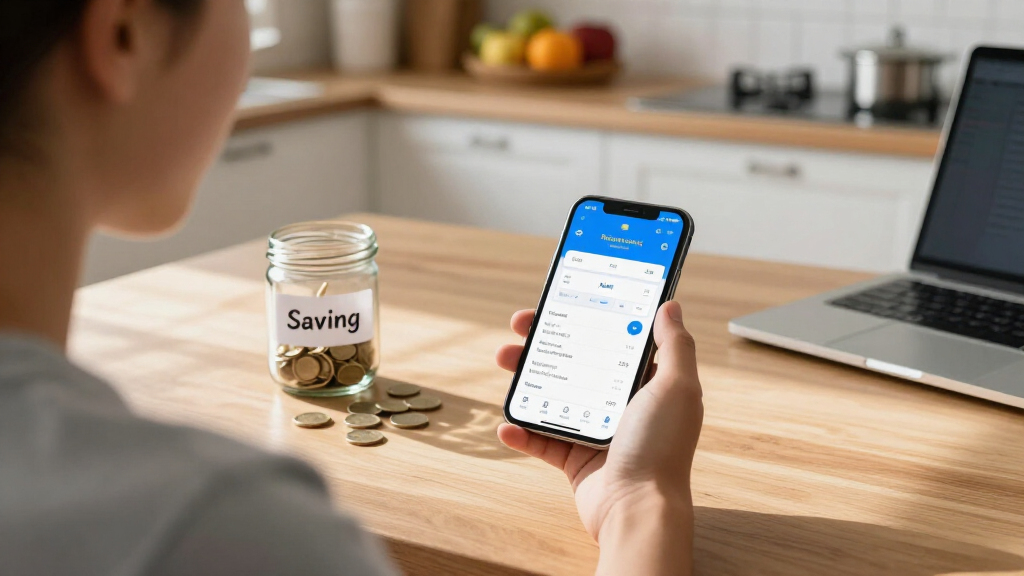
How We Picked
We evaluated these products based on usability, durability, flexibility, and how well they support different savings styles. Products with clear, easy-to-use interfaces—whether physical or digital—rank higher because they encourage consistent use. We also considered value for money, build quality, and whether the tools cater specifically to students or young savers. Products that offered unique features or innovative approaches to saving, like pre-numbered envelopes or comprehensive tracking logs, were prioritized. Our goal was to identify tools that make saving straightforward, motivating, and adaptable to various preferences.Factors to Consider When Choosing Student Savings Account Tools
Choosing the right student savings account tool depends on your personal habits, goals, and budget. A good starting point is understanding whether you prefer physical or digital tools, and how much complexity you want in your system. Consider durability, ease of use, and whether the tool aligns with your saving style—whether it’s a simple envelope system or a detailed ledger. Being aware of common pitfalls, like overspending or neglecting regular tracking, can help you select tools that promote consistent saving. The right tool should motivate you without feeling overwhelming, so balance features with your comfort level and goals.Ease of Use
It’s vital to choose a tool that fits your daily routine. If you prefer tactile, visual cues, physical binders with envelopes or trackers may be best. Conversely, digital options can automate calculations and send reminders, which helps if you tend to forget or procrastinate. Remember, a complicated system might discourage regular use, so prioritize intuitive designs. The easier it is to incorporate into your day, the more likely you’ll stick with your savings plan long-term.
Durability and Quality
Since physical tools are often used daily, durability matters. Cheap materials may fall apart quickly, leading to frustration and abandonment. Investing in sturdy binders or laminated trackers can save money in the long run. For digital tools, user-friendly apps with reliable performance are key. Well-made tools also tend to include better features, such as clear labeling and secure storage, which support consistent savings habits.
Flexibility and Customization
Look for tools that adapt to your specific savings goals and style. Some may focus on envelope challenges, while others offer comprehensive expense tracking. Customizable features—like adding or removing envelopes, setting savings targets, or personalizing labels—make it easier to stay motivated. Rigidity can hinder progress if the system doesn’t match your needs, so choose options that allow adjustments as your financial situation evolves.
Price and Value
Budget is a key factor, especially for students. Basic physical tools tend to be affordable, but premium options with durable materials or advanced features cost more. Digital tools may require subscriptions or app purchases, which can add up. Focus on finding a balance between cost and functionality—an inexpensive tool that encourages consistent savings can be more valuable than a costly one that feels cumbersome or unused.
Goal Motivation and Engagement
The best tools incorporate elements that keep you engaged, like visual progress indicators or gamified challenges. Envelopes labeled with specific goals or challenge trackers help maintain motivation over time. Avoid tools that are too monotonous or complicated, as they can dampen your enthusiasm. Finding a system that makes saving feel rewarding is essential for long-term success.
Frequently Asked Questions
Are physical savings tools better than digital ones for students?
Physical tools like envelopes and binders are often more tangible and visual, which can improve motivation and make savings feel more real. They require no batteries or subscriptions and are simple to use, making them ideal for students who prefer hands-on methods. Digital tools, however, can automate calculations, send reminders, and track progress across multiple accounts, appealing to tech-savvy students. The choice depends on your comfort with technology and whether you prefer tactile or automated systems.
How much should I expect to spend on a good student savings tool?
Basic physical systems like simple envelopes or binders are generally affordable, often under $20. More durable or feature-rich options, such as laminated trackers or specialized binders, might cost $30–$50. Digital apps can be free or require a small subscription fee, usually under $10 monthly. Think about how often you’ll use the tool and whether investing more upfront will encourage better savings habits. The most important factor is choosing a tool that motivates you consistently, regardless of price.
Can I combine physical and digital savings tools effectively?
Yes, combining physical and digital tools can offer a balanced approach—using envelopes or binders for visual, tactile cues, alongside digital apps for automation and detailed tracking. This hybrid method can help reinforce savings habits and reduce errors, especially if you’re someone who benefits from multiple reminders or visual progress indicators. Just be mindful to keep both systems organized and synchronized so they support each other rather than create confusion.
What common mistakes should I avoid when choosing a savings tool?
One common mistake is selecting a system that’s too complicated, which can lead to abandonment. Another is choosing a tool that doesn’t align with your saving goals or habits—like a complex ledger if you prefer simple visual cues. It’s also easy to underestimate the importance of durability and quality, leading to frustration. Lastly, neglecting to set specific goals or track progress regularly diminishes the effectiveness of any tool, so choose one that encourages consistent engagement.
Is it better to focus on physical or digital tools for long-term savings growth?
Both have their advantages, but long-term growth depends more on your consistency and discipline than the medium. Physical tools can be more motivating for visual learners and help develop tangible habits, while digital tools excel at automation and detailed analytics. For sustained savings, many find that using a combination—physical for motivation, digital for tracking—works best. The key is selecting tools that you will use regularly and that fit your personal style.
Conclusion
For students new to saving, a simple physical system like a budget binder or envelope challenge offers an approachable start. If you want a reliable, all-around option, the Sooez Budget Binder with Money Saving Challenge strikes a good balance of features and ease of use. Budget-conscious savers should opt for basic envelopes or logbooks, while those seeking a more structured approach might prefer digital or hybrid solutions. For anyone aiming for long-term growth, choosing tools that promote consistency and motivation will deliver the best results. Select based on your comfort level, goals, and budget to build effective savings habits in 2026.
Fall Picks
fall essentials
As an affiliate, we earn on qualifying purchases.