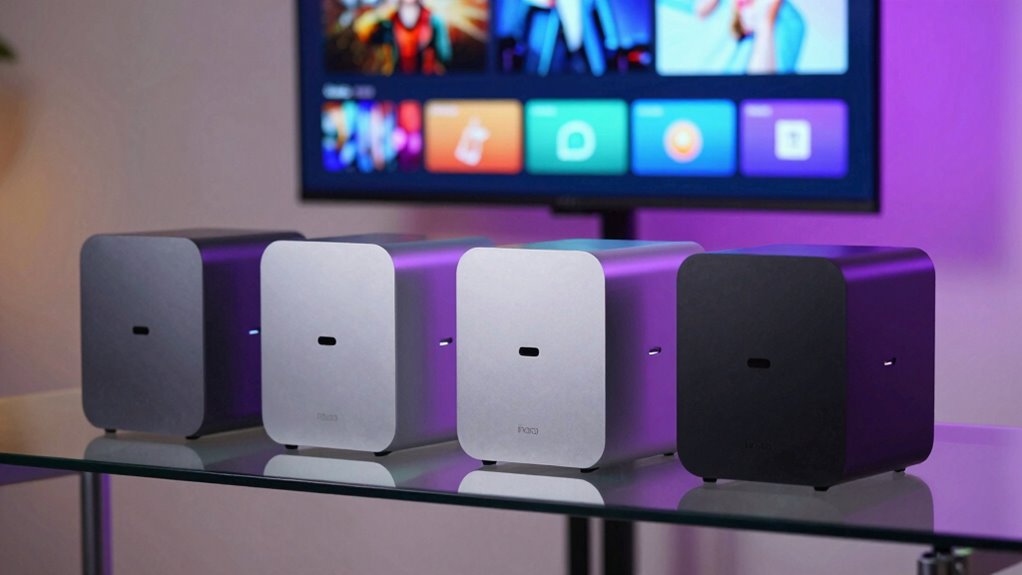

Choosing a Mac mini as a media server is only part of the setup: rack space, storage, cooling, and network connections can shape how well the server fits your home or studio. I put the Sonnet RackMac mini 2U first for housing as many as three recent Mac mini computers in one rack enclosure, while the Sonnet xMac mini Server 1U is the better fit when one Mac mini needs PCIe expansion for specialized networking or video hardware. The main tradeoff is straightforward: RackMac prioritizes multi-Mac organization and access; xMac prioritizes expansion and connectivity. Neither enclosure includes the USB SSD storage a media library may need, and the xMac specifically requires a Mac mini with Thunderbolt 3.

Get smart everyday buys delivered free — and shop member deals
- Fast, free delivery on millions of items
- Access to Prime Big Deal Days deals on October 6–7
- Prime Video, Amazon Music and more included
Key Takeaways
- The RackMac mini 2U can hold one to three Mac mini computers, making it the stronger choice for a growing rack-based server setup.
- The xMac mini Server 1U adds two PCIe slots through Thunderbolt 3, a more useful feature for specialized network or video cards than for a basic media library.
- Both enclosures provide rack organization, but the RackMac is described as 2U while the xMac occupies 1U.
- Neither product supplies USB SSDs, so storage for media files must be sourced separately.
- Choose by infrastructure need: RackMac for housing multiple Macs, xMac for PCIe expansion from a compatible single Mac mini.
| Sonnet RackMac mini 2U Rackmount Enclosure for 1–3 Mac mini (2024+) |  | Best Overall for a Multi-Mac Media Server Rack | Compatibility: Apple Mac mini (2024+) | Capacity: 1–3 Mac mini computers | Mounting: Rack mount | VIEW ON AMAZON | See Our Full Breakdown |
| Sonnet xMac mini Server 1U Rackmount Thunderbolt 3 PCIe Expansion Chassis |  | Best for PCIe Expansion and Specialized Connections | Form factor: 1U rackmount | Expansion slots: 2 PCIe | Host connection: Thunderbolt 3 | VIEW ON AMAZON | See Our Full Breakdown |
| mac mini as a media server | Weight | Compatibility | Capacity | Mounting |
|---|---|---|---|---|
| Sonnet RackMac mini 2U Rackmou | 6 lb | Apple Mac mini (2024+) | 1–3 Mac mini computers | Rack mount |
| Sonnet xMac mini Server 1U Rac | 19.2 lb | — | — | — |
More Details on Our Top Picks
Sonnet RackMac mini 2U Rackmount Enclosure for 1–3 Mac mini (2024+)
The RackMac mini 2U is my first pick for buyers who want the enclosure to do more than hold a single computer. It accommodates one to three Mac mini computers from 2024 or newer, which makes it a flexible home for a primary media server alongside other Mac-based services. For someone building a rack around more than one machine, that capacity can reduce hardware sprawl and keep the computers in a shared, accessible space.
Its media-server advantage is organizational rather than computational: the enclosure does not add processing power or include storage, but it leaves room beneath each computer for a separately purchased USB SSD. Front and rear port access can make connections easier to reach after installation, while front power buttons avoid reaching behind the rack just to operate a machine. Sonnet also describes the airflow as front-to-back, a useful design consideration for rack placement. Cushioned support is aimed at securing computers during transport, which gives this option more appeal for portable or shallow-rack setups than a fixed-only chassis might have.
Compared with the xMac mini Server 1U, the RackMac is the clearer choice when the goal is to house several Macs and keep their connections accessible. It does not match the xMac’s two PCIe expansion slots, so buyers who need a specialized card for faster networking or pro video should look closely at that model instead. The RackMac also takes 2U of rack height, rather than the xMac’s 1U, and its SSDs are not included. I would choose it for a multi-machine media setup, but not for a single Mac mini whose main requirement is PCIe expansion.
Pros:- Holds one to three compatible Mac mini computers in a single 2U enclosure.
- Provides front and rear port access plus front-panel power buttons.
- Designed for front-to-back airflow and includes cushioned computer support for transport.
- Leaves space beneath each Mac mini for a separately supplied USB SSD.
Cons:- USB SSDs must be purchased separately.
- Uses 2U of rack height, more than the xMac mini Server 1U.
Best for: People building a rack-based media setup who want space for multiple 2024-or-newer Mac mini computers, accessible connections, and room to position USB SSDs.
Not ideal for: Buyers who need PCIe cards, want an enclosure that includes media storage, or have only 1U of rack space available.
- Compatibility:Apple Mac mini (2024+)
- Capacity:1–3 Mac mini computers
- Mounting:Rack mount
- Rack height:2U
- Dimensions:5.2 in D × 19 in W × 3.4 in H
- Weight:6 lb
- Material:Stainless steel
- Warranty:2-year limited warranty
Our verdict“I recommend the RackMac mini 2U for buyers who value multi-Mac rack organization over PCIe expansion.”
Sonnet xMac mini Server 1U Rackmount Thunderbolt 3 PCIe Expansion Chassis
The xMac mini Server 1U is the more specialized option in this pair. It houses a Mac mini in a 1U rackmount chassis and adds two PCIe expansion slots through Thunderbolt 3. That matters when a media-server build needs a particular card—for example, 10 Gigabit Ethernet, fiber channel, or pro video hardware—rather than relying only on the Mac mini’s built-in connections. For users with that requirement, the xMac offers a capability the RackMac mini 2U does not.
It also provides front and rear USB 3.0 ports, along with HDMI and Gigabit Ethernet passthrough at the rear. Those connections can help keep common peripherals and cabling within reach once the enclosure is in a rack. Two quiet fans and a user-replaceable 150W power supply add practical serviceability details. Compared with the RackMac, though, this is not the multi-computer organizer: its appeal centers on expanding one compatible Mac mini, and its expansion depends on the host having Thunderbolt 3.
The biggest tradeoff is fit. At 19.2 pounds, it is substantially heavier than the 6-pound RackMac, so I would not favor it when light handling or frequent transport is a priority. Its PCIe slots can also be unnecessary complication for a media server that only needs ordinary network access and external storage. Buyers should confirm that the Mac mini and chosen cards suit the intended setup before choosing it. If those expansion needs are real, the xMac earns its place; if the priority is fitting multiple Macs into one enclosure, the RackMac is the more direct solution.
Pros:- Adds two PCIe expansion slots through a Thunderbolt 3 host connection.
- Supports expansion cards for uses such as fiber channel, 10 Gigabit Ethernet, and pro video.
- Includes front and rear USB 3.0 ports plus HDMI and Gigabit Ethernet passthrough.
- Has two quiet fans and a user-replaceable 150W power supply.
Cons:- Requires a Mac mini with Thunderbolt 3 connectivity.
- Weighs 19.2 pounds, making it much heavier than the RackMac mini 2U.
- Its PCIe expansion may be unnecessary for a basic media-server setup.
Best for: Media-server owners with a Thunderbolt 3-compatible Mac mini who need PCIe cards for faster networking, fiber channel, or pro video workflows.
Not ideal for: People who want to rack several Mac minis together, need a lightweight enclosure, or only require basic media serving without PCIe expansion.
- Form factor:1U rackmount
- Expansion slots:2 PCIe
- Host connection:Thunderbolt 3
- USB ports:3 total; USB 3.0
- Rear connectivity:Gigabit Ethernet, HDMI, USB 3.0
- Power supply:150W, user-replaceable
- Fans:2
- Weight:19.2 lb
Our verdict“I would choose the xMac mini Server 1U when PCIe expansion is a defined requirement, not simply as a rack for a Mac mini.”
How We Picked
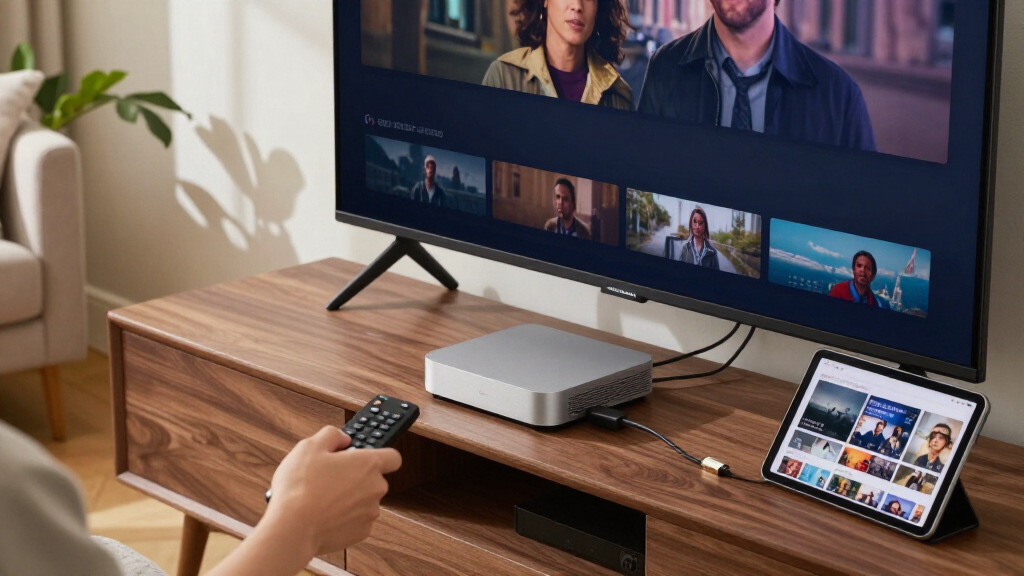
I ranked these enclosures by how directly they solve common Mac mini media-server problems: keeping hardware organized, allowing practical access to connections, supporting storage and network additions, and fitting a rack-based setup. The RackMac mini 2U takes the lead because its capacity of up to three Mac minis gives it a distinct advantage for buyers consolidating several server roles or planning to expand. Its front and rear port access, front power buttons, and stated front-to-back airflow add useful day-to-day convenience.
The xMac mini Server 1U ranks second overall, not because PCIe expansion is unimportant, but because it serves a narrower audience. Its two Thunderbolt 3-connected PCIe slots can make sense for compatible cards such as 10 Gigabit Ethernet or pro video hardware, yet those additions may be unnecessary for a straightforward media server. I also weighed practical limitations: the RackMac’s storage drives are separate, while the xMac is a heavy 19.2-pound chassis and needs a Mac mini with Thunderbolt 3. I did not treat either enclosure as a computer or storage solution by itself; buyers still need a Mac mini and a plan for their media files.
Factors to Consider When Choosing Mac Mini As A Media Server
I would choose between these enclosures by starting with the hardware your media server actually needs, not by rack height alone. Both products help organize a Mac mini, but they solve different infrastructure problems.Decide whether you need one Mac or several
The RackMac mini 2U supports as many as three compatible Mac minis, which is its clearest advantage for a growing rack. That can suit buyers separating media playback, file services, and other Mac tasks across multiple computers. The xMac mini Server 1U is the more focused choice for a single Mac mini with expansion needs; it is not presented as a multi-computer enclosure. If one Mac is all you plan to run, do not treat extra capacity as a requirement by itself.
Match expansion to the media workflow
The xMac’s two PCIe slots are valuable only if you have a card or connection need that justifies them. The supplied details cite fiber channel, 10 Gigabit Ethernet, and pro video as possible card uses. A simpler library server may be better served by the RackMac’s straightforward enclosure and separate USB SSD placement. Before selecting the xMac, confirm your Mac mini has Thunderbolt 3 and that the card you want suits the host and intended work.
Plan storage separately
Neither enclosure is listed as including USB SSDs, so the media library requires a separate storage plan. The RackMac leaves space beneath each computer for a USB SSD, making its layout especially clear for buyers who want drives near the Macs. The xMac supplies expansion and passthrough connections, but the product details do not identify included media storage. Consider library size, backup needs, and connection choices before treating either enclosure as a complete server setup.
Check rack fit, access, and handling
The RackMac occupies 2U, while the xMac is a 1U chassis; rack height may settle the choice if space is tight. They differ sharply in weight as well: the RackMac is listed at 6 pounds, compared with 19.2 pounds for the xMac. RackMac’s front and rear port access and front power buttons suit regular access, while its cushioned support is intended to help secure computers during transport. For a fixed rack that needs PCIe expansion, the xMac’s added heft may be an acceptable tradeoff.
Frequently Asked Questions
Which enclosure is better for a Mac mini media server?
I would choose the RackMac mini 2U for most rack-based media-server setups because it can hold up to three compatible Mac minis and provides front and rear access. The xMac mini Server 1U is the better fit when one Mac mini needs PCIe expansion through Thunderbolt 3. The right choice depends on whether multi-Mac organization or expansion cards matter more to your setup.
Does either enclosure include storage for media files?
The listed details do not include USB SSDs with either product. The RackMac has space beneath each computer for a separately purchased USB SSD, while the xMac is described around its PCIe slots and connectivity. I would budget and plan for storage separately, including how the library will be backed up.
Can the RackMac mini 2U hold more than one Mac mini?
Yes. The RackMac is specified for one to three Apple Mac mini computers from 2024 or newer. Its capacity makes it a stronger choice than the xMac for buyers consolidating several Macs in a rack, though it uses 2U of rack height and does not add PCIe expansion.
What does the xMac mini Server 1U add to a Mac mini?
It adds two PCIe expansion slots using a Thunderbolt 3 host connection, alongside front and rear USB 3.0 ports and rear HDMI and Gigabit Ethernet passthrough. Those slots can support compatible cards for uses such as faster networking or pro video. The host Mac mini must have Thunderbolt 3, so I would check compatibility before choosing this enclosure.
Which product is easier to move or handle?
The RackMac mini 2U is listed at 6 pounds and includes cushioned support intended to secure computers during transport. The xMac weighs 19.2 pounds, making it the heavier choice even before considering the installed Mac mini or expansion cards. For a setup that may be moved or used in a portable rack, the RackMac has the clearer advantage based on the supplied specifications.
Conclusion
For most buyers building a rack-based Mac mini media server, I recommend the Sonnet RackMac mini 2U: it can house up to three recent Mac minis, offers front and rear access, and leaves room for separately purchased USB SSDs. Choose the Sonnet xMac mini Server 1U instead if your single-Mac setup has a specific need for PCIe expansion, such as a supported network or video card, and your Mac mini has Thunderbolt 3. If neither multi-Mac organization nor PCIe expansion matters, decide whether a rack enclosure is needed at all—and remember that both choices still require a Mac mini and separate media storage.
Halloween Picks
halloween
As an affiliate, we earn on qualifying purchases.