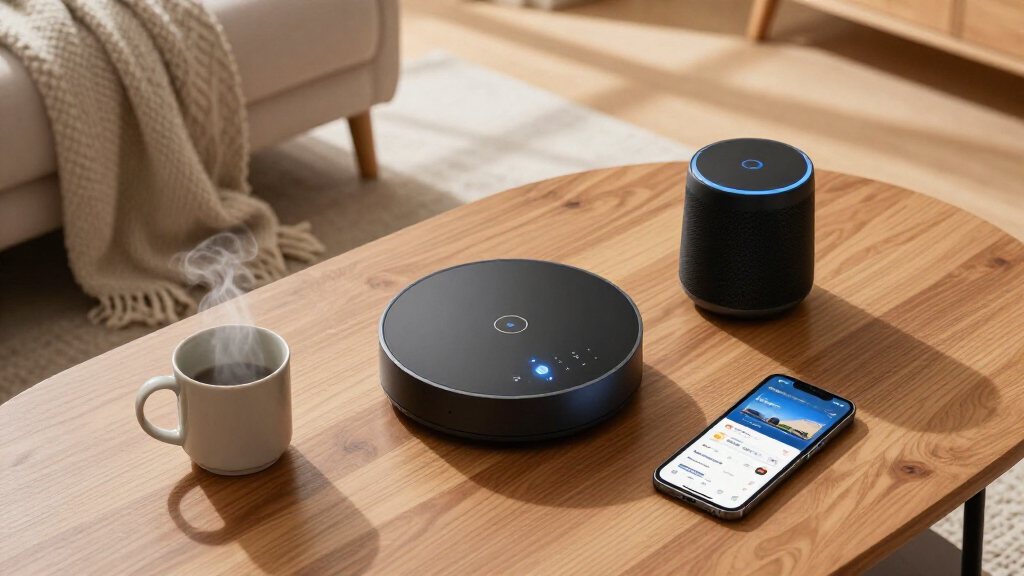

🔍 Read the full analysis: Smart Home Revolution: 11 Best AI Devices In 2026 on ThorstenMeyerAI.com

Get smart everyday buys delivered free with Prime
- Fast, free delivery on millions of items
- Prime Video, Amazon Music and more included
- Member-only deals all year
TL;DR
In 2026, the smart home market is dominated by 11 AI devices that enhance automation, privacy, and energy efficiency. This list highlights top options for various needs, from open-source hubs to budget-friendly switches.
In 2026, the smart home industry has seen a surge in AI-powered devices that offer more intuitive, efficient, and customizable automation solutions. The latest evaluations identify the top 11 devices that are transforming how consumers manage lighting, climate, security, and more, making home automation more accessible and intelligent than ever before. For a detailed overview, see the original analysis.
The list includes versatile AI hubs like the HomeClaw Smart Home Gateway, recognized for its open-source flexibility and broad protocol support, including Z-Wave, Zigbee, and Matter. For energy efficiency, the Google Nest Learning Thermostat remains a top choice, thanks to its adaptive learning capabilities, though it may require additional sensors for full coverage. Budget-conscious consumers will appreciate the Lutron Caseta Kit, offering reliable automation at an affordable price with simple installation. Many of these devices feature local AI processing, which enhances privacy and responsiveness, though some setups involve complex installation procedures. Compatibility across different protocols and ecosystems remains a key factor in device selection, with many options supporting voice assistants and third-party sensors. Learn more about which AI home automation devices make the list for 2026. As the market evolves, manufacturers are emphasizing user-friendly interfaces, seamless integration, and scalable systems to meet diverse consumer needs. Discover the top options in the best AI-powered home automation devices.
The 11 picks
- 1
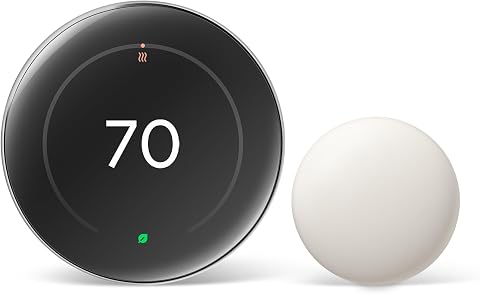 Google Nest Learning Thermostat (4th gen) + Nest Temperature Sensor (2nd gen)…View on Amazon →
 - 2
 SwitchBot AI Hub with OpenClaw Support and Local Camera StorageView on Amazon →
 - 3
 Lutron Caseta Deluxe Smart Switch Kit with 2 Switches, Hub, Remote, WallplateView on Amazon →
 - 4
 Hubitat Elevation C-8 Pro Smart Home Automation Hub – Matter 1.5, Z-Wave 800…View on Amazon →
 - 5
 HomeClaw Smart Home Gateway with Home Assistant & OpenClaw AIView on Amazon →
 - 6
 AI-Powered Smart Home DevicesView on Amazon →
 - 7
 iSG Box SE Smart Home Hub with Preinstalled Home AssistantView on Amazon →
 - 8
 Shelly 1PM Gen4 UL Smart Relay Switch with Power Metering, Wi-Fi, Zigbee & Ma…View on Amazon →
 - 9
 AI-Powered Smart Home Guide 2026: A Step-by-Step Guide to Designing, Optimizi…View on Amazon →
 - 10
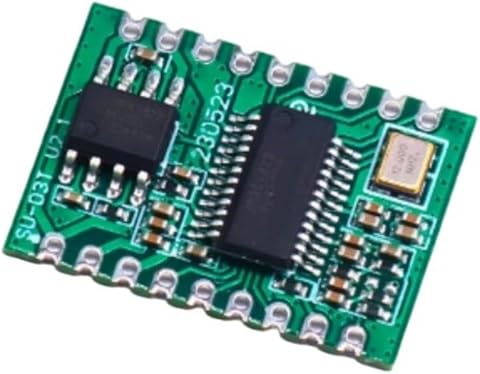 Local AI Voices Command Processor for Home Automation SystemsView on Amazon →
 - 11
 AI Powered Smart Home Guide for Beginners 2026View on Amazon →
Why These Devices Define the 2026 Smart Home Market
The adoption of these AI devices signifies a shift toward more intelligent, privacy-conscious, and adaptable home automation. They enable users to customize their environments with minimal effort, reduce energy consumption, and enhance security. As AI integration becomes more widespread, these devices are setting industry standards, influencing future product development, and expanding accessibility for both tech-savvy users and newcomers. Their emphasis on local processing and broad protocol support also addresses growing concerns over data privacy and device compatibility, making smart homes more reliable and secure.
Evolution of AI in Home Automation Leading to 2026
The smart home industry has rapidly evolved over the past decade, moving from basic remote-controlled devices to sophisticated AI systems capable of learning routines and adapting to user preferences. Early devices relied heavily on cloud processing, raising privacy concerns and latency issues. Recent advancements have prioritized local AI processing, open-source platforms, and multi-protocol compatibility, broadening accessibility and security. In 2026, the market is characterized by a diverse array of devices catering to different budgets and technical expertise, reflecting a mature ecosystem that balances innovation with user control.
Outstanding Questions About 2026 AI Smart Devices
While many devices are well-established, details about their long-term software support, compatibility with future protocols, and the full scope of AI capabilities are still emerging. It is also unclear how privacy concerns will evolve as more devices process data locally versus in the cloud. Additionally, the market’s rapid evolution raises questions about which devices will maintain relevance over time and how manufacturers will address interoperability challenges as new standards develop.
Future Developments in AI Home Automation Post-2026
Expect ongoing innovations in local AI processing, increased device interoperability, and expanded customization options. Manufacturers are likely to introduce more open-source solutions, further enhancing privacy and user control. Market growth may also lead to more affordable options for mainstream consumers, with integration becoming seamless across ecosystems. Additionally, advancements in AI learning capabilities could enable smarter, more predictive automation that anticipates user needs before they are explicitly programmed.
Key Questions
Can I upgrade my current smart home with these new AI devices?
Yes, many of these devices support common protocols like Z-Wave, Zigbee, and Matter, making integration into existing setups possible. However, compatibility varies by device, so verifying specific requirements before purchase is recommended.
Are local AI processing devices more secure than cloud-based ones?
Generally, yes. Local AI processing reduces data transmission over the internet, lowering privacy risks and improving response times. However, it may require more technical setup and maintenance.
What should I consider when choosing an AI device for my home?
Key factors include compatibility with your existing ecosystem, AI learning capabilities, ease of installation, privacy features, and scalability for future expansion.
Will AI devices become more affordable in the future?
As technology advances and economies of scale improve, AI-powered smart home devices are expected to become more accessible, offering better features at lower prices.
How do these devices impact home security?
Many AI devices enhance security through smarter surveillance, adaptive alarms, and integrated access controls. Local processing also minimizes privacy concerns related to data sharing with cloud services.
Source: ThorstenMeyerAI.com
Halloween Picks
halloween
As an affiliate, we earn on qualifying purchases.