
🔍 Read the full analysis: Which AI Home Automation Devices Make The 13 Best For 2026? on ThorstenMeyerAI.com

Get smart everyday buys delivered free with Prime
- Fast, free delivery on millions of items
- Prime Video, Amazon Music and more included
- Member-only deals all year
TL;DR
This article reviews the 13 best AI home automation devices for 2026, highlighting their features, compatibility, and suitability for different users. The list balances performance, ease of setup, and future expandability, helping consumers choose the right smart home tech.
Thirteen AI-powered home automation devices have been identified as the best options for 2026, offering a range of features from local control to broad compatibility. For a detailed overview, see the original analysis. These selections are based on performance, ease of use, and future-proofing, making them essential for homeowners seeking smarter, more efficient living spaces.
The list includes devices like the Hubitat Elevation C-8 Pro as the top overall choice due to its robust local processing and extensive automation capabilities. Learn more about smart home hubs in this guide. For budget-conscious consumers, the Linkind Matter Smart Plug offers broad compatibility at a lower price point. Beginners may prefer the iSG Box SE for its straightforward setup. Most devices support standards like Matter, Zigbee, or Z-Wave, ensuring future expandability, while features such as energy monitoring are increasingly common. For related energy management options, see this list of energy monitor devices.
Performance varies based on local versus cloud control, with local processing favored for speed and privacy. Compatibility across ecosystems like Apple HomeKit, Google Home, and Amazon Alexa is a key factor, along with ease of installation and user interface design. The cost ranges from affordable plugs to more complex, customizable hubs, reflecting their capabilities and target user base.
While many devices excel in automation and integration, some tradeoffs exist—more advanced features often require higher investment and technical knowledge. The overall ranking emphasizes reliability, versatility, and user-friendliness to meet diverse needs in the evolving smart home landscape.
The 13 picks
- 1
 SwitchBot AI Hub Bundle with PTC Plus 5MP Camera, OpenClaw Support, and Home…View on Amazon →
 - 2
 Emporia Energy Monitor with 16 Sensors and 4 Smart Plugs BundleView on Amazon →
 - 3
 SwitchBot AI Hub with OpenClaw Support, Local NVR Camera Storage, Home Assist…View on Amazon →
 - 4
 Hubitat Elevation C-8 Pro Smart Home Automation Hub – Matter 1.5, Z-Wave 800…View on Amazon →
 - 5
 Shelly Pro RGBWW PM Wi-Fi & LAN Smart LED Controller with Power MeteringView on Amazon →
 - 6
 AI-Powered Smart Home DevicesView on Amazon →
 - 7
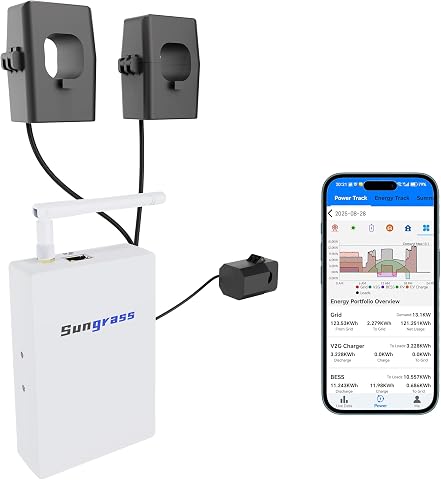 Home Energy Monitor Lite – Real-Time Electricity Usage & Power Consumption MeterView on Amazon →
 - 8
 iSG Box SE Smart Home Hub with Preinstalled Home AssistantView on Amazon →
 - 9
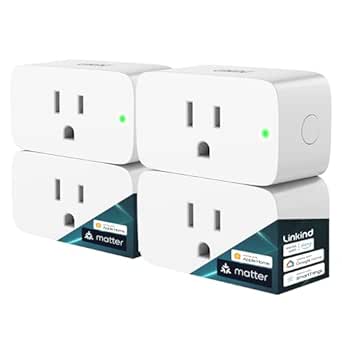 Linkind Matter Smart Plug with Apple Home, Alexa, Siri, Google Home Compatibi…View on Amazon →
 - 10
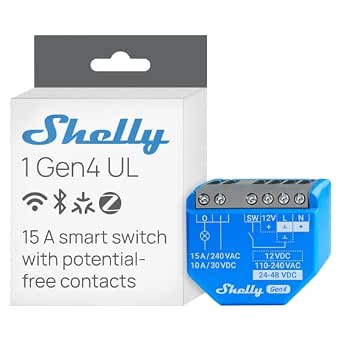 Shelly 1 Gen4 UL, Smart Relay Switch, Wi-Fi, Zigbee, Matter, Dry ContactView on Amazon →
 - 11
 AI-Powered Smart Home Guide 2026: A Step-by-Step Guide to Designing, Optimizi…View on Amazon →
 - 12
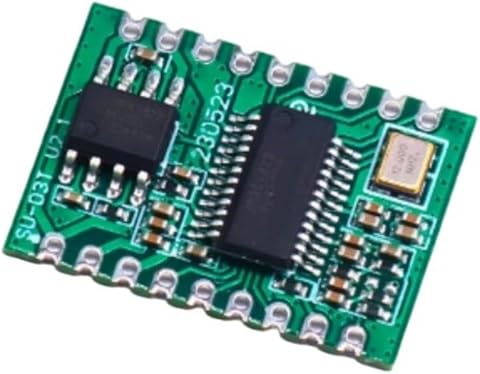 Local AI Voices Command Processor for Home Automation SystemsView on Amazon →
 - 13
 AI Powered Smart Home Guide for Beginners 2026View on Amazon →
Why These Devices Shape the Future of Smart Homes
The selection of these 13 devices underscores the shift toward more private, responsive, and adaptable home automation. Devices with local control reduce latency and enhance security, aligning with increasing privacy concerns. Compatibility with multiple platforms allows users to customize their ecosystems without vendor lock-in, fostering innovation and consumer choice. As smart homes become more integrated into daily life, choosing the right devices impacts energy efficiency, security, and convenience, making this list a vital resource for 2026 homeowners.
Products Worth Considering

Dell UltraSharp 32 U3226QER 4K Thunderbolt Hub Monitor

LG UltraGear 27-Inch QHD OLED Gaming Monitor, 240Hz, 0.03ms, G-SYNC Compatible, FreeSync Premium Pro, HDMI 2.1

Logitech MX Mechanical Full-Size Wireless Mechanical Keyboard, Tactile Quiet Switches, Backlit Keys, Bluetooth, USB-C, Multi-Device, Graphit
As an affiliate, we earn on qualifying purchases.
Evolution of Home Automation and Key Trends for 2026
Over the past few years, home automation has transitioned from niche luxury to mainstream necessity. The rise of AI integration, standardization through protocols like Matter, and the emphasis on local processing have driven this evolution. Previously, compatibility issues and privacy concerns limited adoption, but recent developments have addressed these challenges. The 2026 landscape features devices that prioritize speed, security, and ease of use, reflecting consumer demand for smarter, more reliable homes.
Notable trends include the proliferation of energy monitoring, the expansion of ecosystem support, and the increasing importance of future-proofing through standards like Zigbee and Thread. The market now favors devices that balance complexity with simplicity, catering to both tech-savvy users and beginners.
Outstanding Questions About Future Compatibility and Features
While the list is based on current standards and features, the rapid pace of technological development means some devices may face compatibility issues as new protocols emerge. It is not yet clear how future updates will affect device longevity or whether new standards will require hardware replacements. Additionally, the long-term reliability of certain energy monitoring features and AI integration remains to be seen, especially as software updates evolve.
Upcoming Developments and Market Trends for 2026 and Beyond
Manufacturers are expected to release firmware updates that enhance compatibility with emerging standards like Thread and improved AI capabilities. Consumer interest in privacy-focused devices will likely drive further innovations in local control and edge processing. Market growth will also depend on how well new devices integrate with existing ecosystems, with a focus on scalability, security, and ease of use. Industry experts anticipate that the next year will see a surge in modular, customizable solutions tailored to diverse user needs.
Key Questions
How do I choose the best AI home automation device for my needs?
Assess your priorities—whether it’s ease of setup, compatibility with existing systems, or advanced features like energy monitoring. Consider your technical skill level and budget, and look for devices supporting standards like Matter for future expandability.
Are local control devices more secure than cloud-based ones?
Generally, yes. Devices with local control process data within your home network, reducing exposure to external threats and minimizing latency. However, proper network security is still essential.
Can I mix different brands of smart home devices?
Yes, but compatibility depends on the standards supported. Devices supporting open protocols like Matter or Zigbee tend to work more seamlessly together, regardless of brand.
Will these devices require technical expertise to install?
Many devices, such as the Linkind Smart Plug, are designed for plug-and-play setup suitable for beginners. More advanced options like hubs may require some familiarity with home automation protocols, but comprehensive documentation is usually available.
What features should I prioritize in a home automation device?
Prioritize compatibility with your existing ecosystem, local control for speed and privacy, ease of setup, and expandability. Energy monitoring and AI capabilities are valuable but depend on your specific use cases.
Source: ThorstenMeyerAI.com