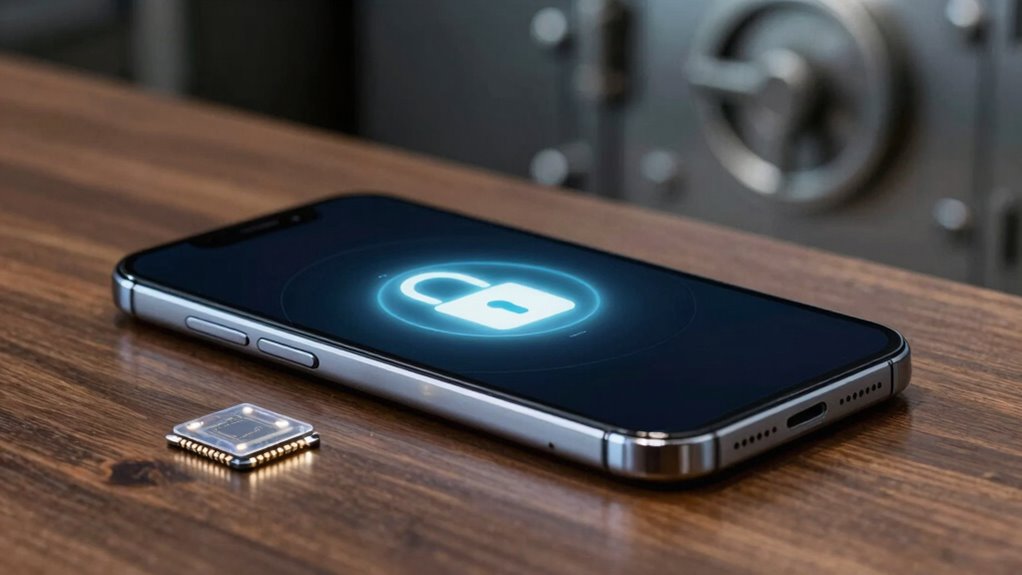

Secure element marketing often claims hardware is completely impenetrable, but real security depends on more than just the hardware. While secure elements protect encryption keys and biometric data, they aren’t foolproof on their own. Attackers can target software or exploit weak user authentication. True security requires a layered approach, combining hardware with strong software protocols and user practices. To get a clearer picture of how to stay protected, keep exploring these critical security aspects.
Key Takeaways
- Marketing often claims secure elements are impenetrable, but real security depends on proper implementation across the entire system.
- Hardware security alone cannot protect against software vulnerabilities or weak user authentication.
- Tamper-proof hardware can be bypassed if security architecture and software layers are not properly designed.
- True security requires layered defenses, including software protocols, user practices, and ongoing updates—hardware is just one layer.
- Relying solely on secure element marketing creates a false sense of security; comprehensive, continuous security measures are essential.
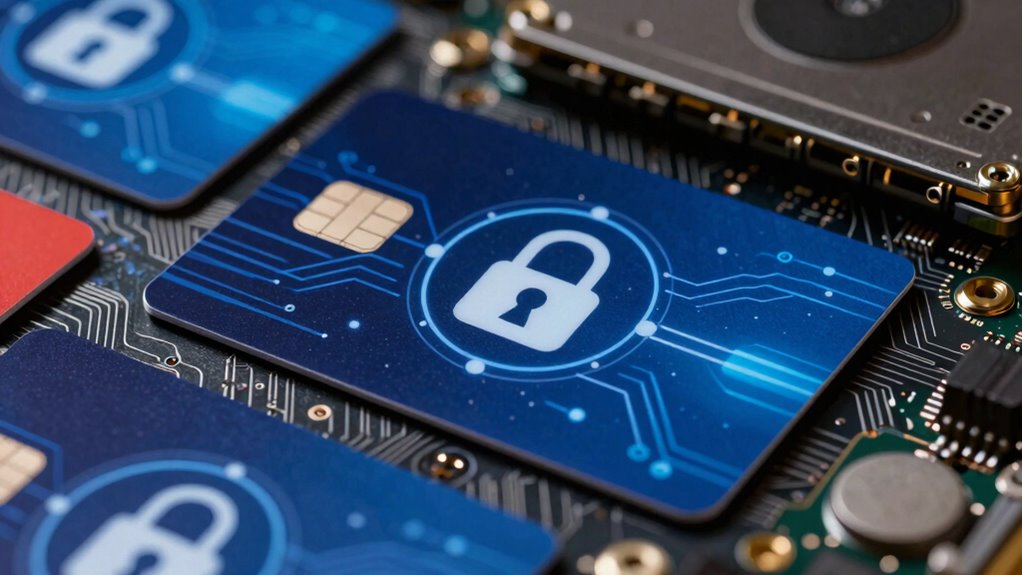
In the world of digital security, companies often promote their secure elements as impenetrable solutions, but the truth isn’t always as reassuring as marketing suggests. These secure elements are often marketed with promises of unbreakable protection, but in reality, their effectiveness depends on how they’re implemented and integrated into your systems. When you hear about device encryption, it’s easy to assume that your data is completely safe, but encryption alone isn’t enough if user authentication isn’t robust. A secure element’s primary goal is to protect sensitive data, like encryption keys or biometric information, but if user authentication processes are weak, attackers can still find ways in.
Many marketing campaigns emphasize the hardware’s ability to store keys securely, making it seem like once you’ve got a secure element in place, your data is invulnerable. However, this overlooks the importance of how those keys are accessed and used. If the user authentication process isn’t airtight—say, if you rely solely on simple PINs or passwords—then the security of the entire system is compromised. Attackers can exploit weak authentication or find ways to bypass device encryption altogether. The secure element acts as a shield, but only if it’s paired with strong, multi-layered user authentication protocols.
Secure hardware alone isn’t enough; strong, multi-layered user authentication is essential to truly protect your data.
Another common misconception is that secure elements are entirely tamper-proof. While they are designed to resist physical attacks, determined adversaries can still find vulnerabilities, especially if the overall security architecture isn’t carefully designed. The marketing often oversimplifies the complexity involved, leading you to believe that once a secure element is installed, your device is impenetrable. In reality, attackers may target the software components that interact with the secure element or exploit gaps in the authentication process. Simply relying on hardware security measures without considering the entire security ecosystem leaves your data vulnerable. Recognizing the importance of a comprehensive security approach is essential for truly safeguarding sensitive information. This approach should encompass not only hardware but also software security protocols and user practices.
Furthermore, many assume that once the secure element is integrated, ongoing updates and patches aren’t necessary, but security ecosystems must be maintained and refined continuously to stay ahead of emerging threats. Ultimately, real security isn’t just about hardware or a single feature like device encryption; it’s about how all components work together. You need a comprehensive approach that combines secure elements with strong user authentication, continuous monitoring, and timely updates. Marketing might paint a picture of a foolproof solution, but in practice, the security of your data hinges on the layered defenses you implement. Don’t fall for the illusion that a secure element alone guarantees safety—true security requires ongoing vigilance, thoughtful integration, and robust authentication methods. Additionally, understanding the security ecosystem and how different components interact is crucial for maintaining effective protection.

Hardware security module A Clear and Concise Reference
As an affiliate, we earn on qualifying purchases.
As an affiliate, we earn on qualifying purchases.
Frequently Asked Questions
How Do Secure Elements Integrate With Existing Security Protocols?
You integrate secure elements with existing security protocols through hardware integration and ensuring protocol compatibility. By embedding secure elements into your devices, you create a hardware layer that communicates seamlessly with your current systems. You may need to update firmware or software to support specific protocols, ensuring that the secure element works harmoniously with your security measures. This integration enhances overall security without disrupting your existing infrastructure.
What Are Common Misconceptions About Secure Element Capabilities?
As if you’re stepping into the future, many believe secure element capabilities are foolproof, but that’s a hardware misconception. Encryption myths often suggest secure elements alone guarantee security, yet they only form part of a broader, layered approach. You might think they make devices invulnerable, but in reality, secure elements are just one tool—security depends on proper implementation, ongoing updates, and complementary protocols.
Can Secure Elements Prevent All Types of Cyber Attacks?
Secure elements can’t prevent all cyber attacks because hardware vulnerabilities can still be exploited, and no system is entirely foolproof. They critically strengthen security by protecting sensitive data and enabling robust user authentication, but savvy attackers may find ways around these measures. You should view secure elements as an essential part of your security strategy, not an all-encompassing solution, since determined hackers may still find vulnerabilities to target.
How Often Should Secure Elements Be Updated or Replaced?
You should update your secure elements regularly, ideally with firmware updates every few months, to guarantee they stay protected against emerging threats. Hardware replacements might be necessary every 3-5 years, especially if the device shows signs of wear or security vulnerabilities. Studies show that timely firmware updates can reduce security risks by up to 60%, so staying current is essential for maintaining robust security.
What Are the Cost Implications of Implementing Real Secure Element Security?
Implementing real secure element security involves significant costs, which you need to take into account in your budget. A thorough cost analysis helps you understand expenses related to hardware, software, and ongoing maintenance. While these investments might seem high initially, they offer better protection and reduce risks of data breaches. Balancing security benefits against budget considerations ensures you deploy effective security measures without overspending.

Yubico – YubiKey 5C NFC – Multi-Factor authentication (MFA) Security Key and passkey, Connect via USB-C or NFC, FIDO Certified – Protect Your Online Accounts
POWERFUL SECURITY KEY: The YubiKey 5C NFC is the most versatile physical passkey, protecting your digital life from…
As an affiliate, we earn on qualifying purchases.
As an affiliate, we earn on qualifying purchases.
Conclusion
You might think that a secure element alone guarantees your safety, but the truth is, real security requires a holistic approach. While 85% of devices claim to have advanced security features, many still fall prey to sophisticated attacks. Don’t be fooled by marketing hype—understand the actual protections in place. Stay informed, ask the right questions, and prioritize thorough security measures over just impressive labels. Your data’s safety depends on it.

MTABCTY Anti Theft License Plate Screws Kit, Stainless Steel Security Bolts for Car Tag Frame Holder, M6 Tamper Resistant Fasteners, Rust Proof Caps Cover for Front Rear Frame Holder Mounting, Black
STAINLESS STEEL SCREWS FOR LICENSE PLATE: High-strength 304 stainless steel construction, more sturdy, durable, corrosion/rust/weather-resistant. No risk of…
As an affiliate, we earn on qualifying purchases.
As an affiliate, we earn on qualifying purchases.

Thales – SafeNet eToken FIDO – FIDO2 Certified Security Key – Passwordless Phishing-Resistant Authentication for Web Apps, Devices & Desktops – USB-A – Pack of 1
FIDO2 SECURITY KEY: A versatile, tamper-evident USB-A authentication device with sensitive presence detection for online security. FIDO 2.0…
As an affiliate, we earn on qualifying purchases.
As an affiliate, we earn on qualifying purchases.