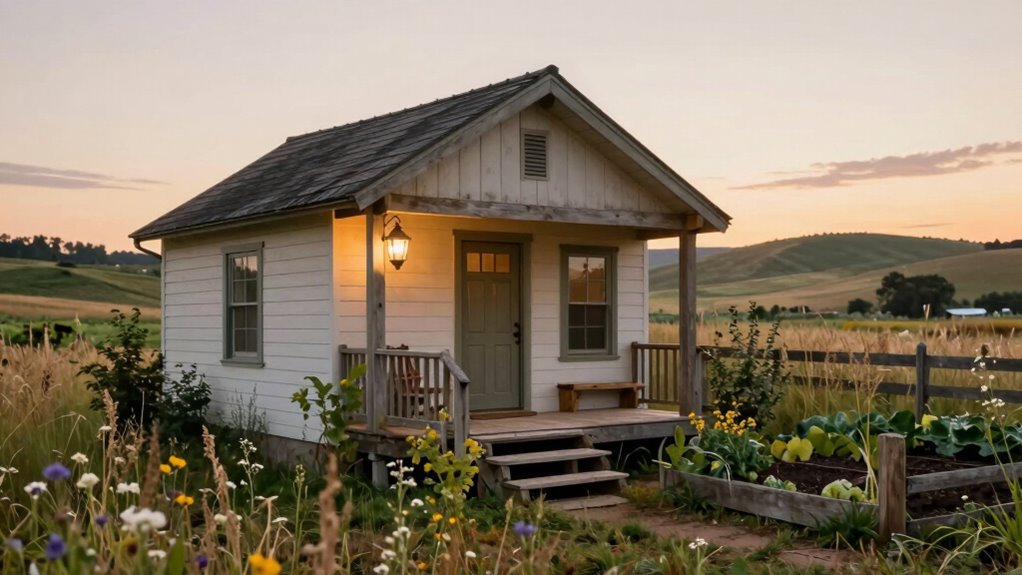

As a rural retiree, your home faces unique security risks like isolation, limited nearby help, and longer emergency response times. You need a tailored security plan that combines smart technology, physical safeguards, and community support to keep your property safe. Enhancing lighting, reinforcing doors, and building neighborhood connections can make a big difference. Want to discover more ways to protect your home effectively? Keep exploring to learn how you can stay secure in your rural retirement.

Get smart everyday buys delivered free — and shop member deals
- Fast, free delivery on millions of items
- Access to Prime Big Deal Days deals on October 6–7
- Prime Video, Amazon Music and more included
Key Takeaways
- Rural retirees face increased risks due to home isolation and longer emergency response times.
- Traditional security systems may be less effective without tailored technology suited for rural settings.
- Community engagement enhances surveillance and provides essential support during extended absences.
- Reinforced physical security measures compensate for limited immediate law enforcement access.
- A comprehensive, adaptable plan integrating smart tech, physical security, and community efforts ensures better protection.
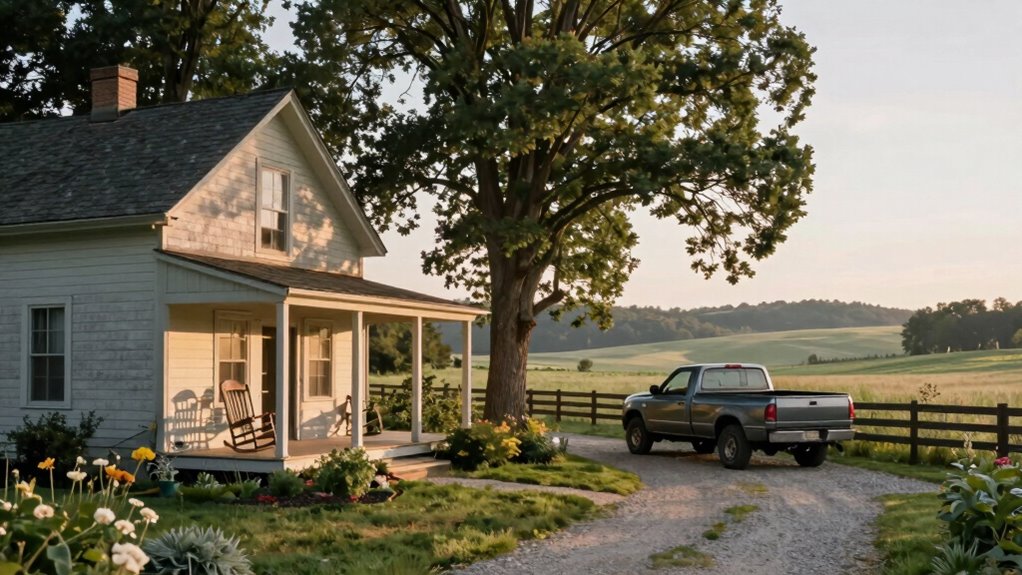
Living in a rural area offers peace and space, but it also comes with unique home security challenges. Unlike urban settings, where there are often neighbors close by and constant activity, rural homes tend to be more isolated. This means you need a security strategy tailored to your environment, one that addresses the specific risks you face. Smart technology can play a crucial role here. Installing smart cameras, motion sensors, and doorbell cameras allows you to monitor your property remotely. These devices provide real-time alerts and recordings, giving you peace of mind whether you’re at home or away. Modern smart security systems are user-friendly and can be integrated with your smartphone, so you stay connected to your property no matter where you are. They also act as a deterrent for potential intruders, who might think twice before approaching a well-monitored home.
Community engagement is equally important in a rural setting. Building relationships with neighbors creates a network of support that can be essential when you’re away or unable to respond quickly. Getting to know your neighbors means you’re more aware of who belongs in your area and who doesn’t. It also encourages a collective effort to watch out for each other’s properties, especially since your home may be far from emergency services or law enforcement. Participating in local neighborhood watch programs or casual community groups enhances this sense of security and helps establish trust. When everyone looks out for one another, it becomes more difficult for intruders to target your property without being noticed. Additionally, outdoor security lighting can significantly improve visibility and deter unwanted visitors from approaching your home at night. Incorporating security technology that is tailored to rural conditions can further enhance safety, such as solar-powered cameras or long-range sensors. Understanding the importance of watt-hours and capacity when selecting backup power solutions ensures your security devices remain operational during power outages.
You should also consider the physical aspects of home security. Reinforcing doors and windows, installing good lighting around your property, and trimming back overgrown bushes can make your home less attractive to burglars. Combining these measures with smart technology and community involvement creates a comprehensive security network that suits rural living. It’s also wise to inform trusted neighbors when you’re away for extended periods, so they can keep an eye on things. Developing a comprehensive security plan that integrates technology, physical security, and community support can be especially effective in rural areas. Having a plan that includes both technological tools and strong community ties ensures your safety without sacrificing the tranquility that makes rural retirement appealing. Recognizing the importance of preventative security measures can help you stay ahead of potential threats. In the end, your home security plan should be as spacious and adaptable as the landscape around you—focused, proactive, and rooted in community.
smart security cameras for rural homes
As an affiliate, we earn on qualifying purchases.
As an affiliate, we earn on qualifying purchases.
Frequently Asked Questions
How Can I Monitor My Rural Property Remotely?
You can monitor your rural property remotely by installing security cameras and smart sensors that connect to your smartphone. Join a community watch program to stay informed and coordinate with neighbors. Make sure your emergency contacts are easily accessible and updated in your security system. Regularly review camera footage and alerts, and set up notifications to receive instant updates. This way, you stay connected and protected, no matter where you are.
What Are the Best Security Options for Large Outdoor Areas?
Think of your large outdoor area as a fortress; you need strong defenses. The best options include security lighting to illuminate shadows and deter intruders, along with a neighborhood watch that keeps an eye on your property. Motion-activated cameras add an extra layer of security. Together, these tools create an active, vigilant perimeter, making it clear that your rural retreat is protected and watched over, day and night.
How Do I Ensure My Security System Works During Power Outages?
To guarantee your security system works during power outages, you should install indoor sensors with backup batteries and connect your system to a reliable power source. Keep personal alarms charged and accessible for emergencies. Regularly test your system’s backup power and alarm functions. This way, even during outages, your indoor sensors can detect intrusion and personal alarms can alert you or others promptly, keeping your home secure.
Are There Affordable Security Solutions Suitable for Rural Homes?
You don’t have to break the bank to secure your rural home. Affordable options include joining a community watch program and installing visible security signage to deter intruders. These cost-effective measures work like a charm, making your property less attractive to burglars. Plus, combining community efforts with simple security signs creates a stronger, united front that keeps your home safe without stretching your budget.
How Can I Protect Against Wildlife Interfering With Security Devices?
To safeguard your security devices from wildlife interference, use wildlife deterrents like motion-activated lights or noise makers around your property. Also, focus on strategic camera placement—install cameras higher on sturdy mounts away from animal pathways. Regularly check and maintain your equipment, and consider using wildlife-proof housing for your security devices. These steps help guarantee your security system stays effective despite local wildlife activity.
solar-powered outdoor security lights
As an affiliate, we earn on qualifying purchases.
As an affiliate, we earn on qualifying purchases.
Conclusion
Living in the countryside offers peace and beauty, but it also means you face unique security challenges. While your serene surroundings provide tranquility, they can also make you more vulnerable. You need a tailored security plan that balances the quiet with protection. Because in the countryside, safety isn’t just about peace of mind—it’s about being proactive, prepared, and resilient. Embrace your rural lifestyle confidently, knowing your home is secure amidst the calm and the quiet.
reinforced door and window security kits
As an affiliate, we earn on qualifying purchases.
As an affiliate, we earn on qualifying purchases.
long-range motion sensors for rural property
As an affiliate, we earn on qualifying purchases.
As an affiliate, we earn on qualifying purchases.
Halloween Picks
halloween
As an affiliate, we earn on qualifying purchases.