
TL;DR

Get smart everyday buys delivered free — and shop member deals
- Fast, free delivery on millions of items
- Access to Prime Big Deal Days deals on October 6–7
- Prime Video, Amazon Music and more included
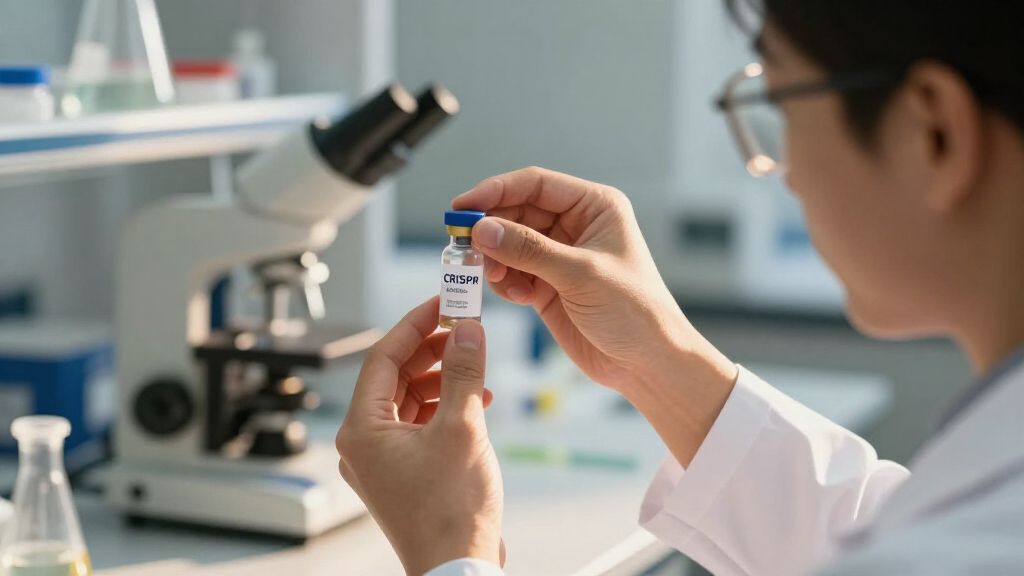
Recent developments in CRISPR technology demonstrate its ability to selectively eliminate ‘undruggable’ cancer cells. This breakthrough could impact future cancer treatments and consumer safety monitoring. Details are still emerging about clinical applicability.
Recent research indicates that CRISPR gene editing technology can selectively target and destroy ‘undruggable’ cancer cells, offering a potential new approach to treat difficult cancers. This breakthrough, announced by researchers in late October 2023, could influence future medical treatments and consumer safety assessments, especially for products derived from biotech innovations.
Scientists have demonstrated that CRISPR can be used to precisely target and shred specific cancer cells that have so far resisted traditional drug therapies, including those labeled as ‘undruggable.’ This development was reported in a peer-reviewed publication, where laboratory experiments showed significant reduction in tumor growth in preclinical models.
Experts involved in the research highlighted that CRISPR’s ability to be tailored to individual genetic profiles makes it a promising candidate for personalized cancer treatments. The method involves editing the cancer cells’ DNA to induce self-destruction or to disable their growth mechanisms, with minimal impact on healthy tissue.
While the findings are promising, the research is still at an early stage, and clinical trials in humans are not yet underway. Regulatory approval processes and safety assessments are ongoing, with scientists emphasizing the importance of thorough testing before any widespread medical or consumer application.
Potential Impact on Cancer Treatment and Consumer Safety
This breakthrough could transform how ‘undruggable’ cancers are approached, potentially leading to more effective treatments for patients with resistant tumors. For consumer safety, the development underscores the need for monitoring biotech innovations that could influence health products, foods, or supplements derived from gene editing technologies.
Moreover, as biotech companies explore CRISPR-based therapies, regulatory agencies and consumer safety bodies will need to update guidelines to ensure these advancements do not pose unforeseen risks to the public.
As an affiliate, we earn on qualifying purchases.
Advances in CRISPR and Oncology Treatment Development
CRISPR gene editing has been a focus of biomedical research since its discovery, with early applications targeting genetic disorders. Recent years have seen increased interest in using CRISPR for cancer therapy, especially for tumors resistant to conventional drugs.
Previous efforts faced challenges related to delivery mechanisms and off-target effects, but recent innovations have improved precision and safety profiles. The latest research builds on this momentum, aiming to expand CRISPR’s application to cancers previously deemed ‘undruggable,’ such as certain pancreatic and brain tumors.
This development comes amid a broader push for personalized medicine and safer gene-editing techniques, with regulatory agencies closely watching for safe implementation.
“This is a significant step forward in our ability to target cancers that have long evaded traditional therapies.”
— an anonymous researcher
personalized cancer treatment kits
As an affiliate, we earn on qualifying purchases.
As an affiliate, we earn on qualifying purchases.
Uncertainties Around Clinical Application and Safety
It is not yet clear when or if CRISPR-based treatments for ‘undruggable’ cancers will be approved for human use. The research remains in preclinical stages, and safety concerns, delivery methods, and off-target effects need to be thoroughly addressed before clinical trials can begin.
Regulatory pathways are still being defined, and potential risks to patients and consumers are under evaluation. The long-term effects of gene editing in humans are not yet fully understood.
As an affiliate, we earn on qualifying purchases.
Next Steps in Research and Regulatory Review
Researchers will focus on advancing preclinical studies, optimizing delivery techniques, and conducting safety assessments. Pending positive results, early-phase clinical trials could start within the next 1-2 years.
Regulatory agencies are expected to review these developments closely, updating guidelines for gene-editing therapies and monitoring potential consumer safety implications. Industry stakeholders are preparing for possible integration of CRISPR-based treatments into healthcare options.
As an affiliate, we earn on qualifying purchases.
Key Questions
How soon could CRISPR be used to treat ‘undruggable’ cancers?
It is uncertain; clinical trials have not yet begun, and regulatory approval could take several years after successful preclinical results.
Are there safety concerns with using CRISPR in humans?
Yes, safety concerns such as off-target effects and immune responses remain under investigation, and thorough testing is required before approval.
Could this technology impact consumer products or foods?
Potentially, if gene-edited organisms are used in food or supplements, regulators will need to assess safety and efficacy before approval.
What does ‘undruggable’ mean in cancer treatment?
It refers to cancers that do not respond to existing drugs because of their genetic makeup or resistance mechanisms.
Will this breakthrough affect current cancer therapies?
It could complement or eventually replace some existing treatments, but more research is needed to determine its clinical efficacy.
Source: IdeaNavigator AI
Halloween Picks
halloween
As an affiliate, we earn on qualifying purchases.