TL;DR

Get smart everyday buys delivered free with Prime
- Fast, free delivery on millions of items
- Prime Video, Amazon Music and more included
- Member-only deals all year
Researchers are developing a phone-camera shade scoring system for home teeth whitening. This technology aims to provide objective measurements, reducing guesswork for consumers. Validation against dental standards is underway, promising a new layer of accuracy in at-home whitening.
Researchers are testing a new phone-camera-based system that objectively scores teeth shade to help consumers track whitening progress at home. This innovation addresses a long-standing challenge in the home whitening market, where users rely on subjective visual assessment, often leading to ineffective product cycles. The technology, if validated, could transform how consumers evaluate whitening effectiveness, making it more precise and personalized.
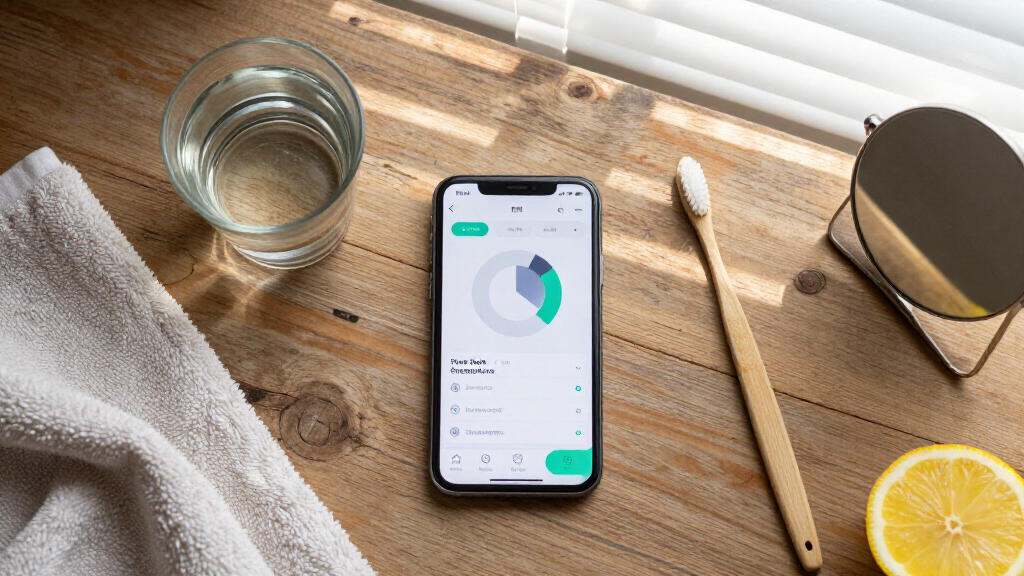
The system under development uses guided lighting and photo capture through a smartphone app to analyze tooth color against the dental shade scale. The goal is to provide users with a clear, measurable score that can be tracked over weeks, offering insights into which products are truly effective. This approach aims to reduce the guesswork involved in home whitening, where consumers frequently cycle through products without objective feedback.
According to an anonymous researcher involved in the project, the app will also recommend products based on the user’s initial shade and progress, potentially increasing the efficiency of at-home whitening routines. The developers plan to benchmark the app’s shade scores against dentist-standard VITA readings in a study involving fifty users. Early indications suggest a strong correlation, which would validate its use as a reliable measurement tool.
The market opportunity is significant, with the global consumer oral-care and beauty tech sectors expanding rapidly. The developers see this technology as a way to add a measurement layer to existing products, creating new revenue streams through subscriptions and affiliate sales of proven-effective whitening products.
Potential Impact on Home Whitening Effectiveness
If validated, this phone-camera shade analysis system could significantly improve the effectiveness of home whitening routines by providing consumers with objective, actionable data. This would reduce the frustration and product cycling driven by subjective visual assessments, leading to more consistent results and higher consumer satisfaction. Additionally, the technology could influence product development and marketing, emphasizing measurable outcomes over marketing claims.
For the broader industry, integrating objective shade measurement could elevate the standard of at-home dental aesthetics, aligning consumer expectations with actual results. It may also encourage brands to develop smarter, data-driven whitening solutions that adapt to individual needs.
As an affiliate, we earn on qualifying purchases.
Advances in Consumer Teeth Shade Measurement
Traditionally, teeth whitening progress has been judged visually in the bathroom mirror, which is inherently subjective and unreliable. Dentists use calibrated tools like VITA shade guides to measure tooth color, but such precision is rarely accessible to consumers at home. The lack of objective measurement has led to repeated product cycling, often with disappointing results.
Recent technological advances in smartphone cameras and guided lighting have opened the possibility of bringing dental-grade shade analysis into the consumer’s daily routine. Companies and researchers have explored digital solutions, but most have yet to reach widespread adoption or validation against clinical standards. The current development aims to bridge this gap by creating an easy-to-use, validated app that can reliably measure teeth shade and track progress over time.
This initiative comes amid a growing market for at-home whitening products, which is expected to reach billions of dollars globally. Consumers increasingly seek personalized, measurable results, making objective shade analysis a timely innovation.
“This technology could provide a much-needed objective measure for consumers, helping them make better decisions and achieve more consistent whitening results.”
— an anonymous researcher
As an affiliate, we earn on qualifying purchases.
Validation and Accuracy of Phone-Based Shade Scores
It is still unclear how well the app’s shade scores will correlate with dentist-standard VITA readings across diverse populations and lighting conditions. The validation study involving fifty users is ongoing, and results are not yet available. Additionally, questions remain about the app’s ability to account for variations in phone camera quality, ambient lighting, and user technique, all of which could impact accuracy.
Further testing is needed to confirm whether this technology can reliably replace or supplement professional dental shade assessments in the home setting.
As an affiliate, we earn on qualifying purchases.
Next Steps in Validation and Market Deployment
The developers plan to complete the validation study within the next few months, analyzing the correlation between app scores and dental shade guides. Pending successful validation, they will refine the app’s algorithms and user interface. A broader pilot program may follow to test real-world usability and accuracy.
If the technology proves reliable, commercialization could begin within the next year, with integration into existing whitening products or as a standalone app. Marketing efforts will likely focus on educating consumers about objective measurement and personalized whitening routines.
As an affiliate, we earn on qualifying purchases.
Key Questions
How accurate is the phone-camera shade analysis compared to professional dental assessments?
The accuracy is currently under validation. Early tests suggest a strong correlation with dentist-standard VITA readings, but full results are pending from ongoing studies involving fifty users.
Will this technology work with any smartphone?
The developers aim to design the app to work across a wide range of smartphones, but camera quality and lighting conditions may influence accuracy. Proper guided lighting within the app is intended to mitigate some variability.
Can this system recommend specific whitening products?
Yes, once validated, the app will track progress over time and suggest products that have proven effective for users starting at similar shades, potentially improving home whitening outcomes.
Is this technology available now?
The system is currently in the testing phase with a prototype app. It is not yet available for consumer use but could be released within the next year if validation is successful.
How will this impact the home whitening market?
If successful, it could introduce a new measurement layer that enhances product efficacy, reduces consumer frustration, and creates new revenue opportunities for brands offering personalized, data-driven solutions.
Source: IdeaNavigator AI
Fall Picks
fall essentials
As an affiliate, we earn on qualifying purchases.