
TL;DR

Get smart everyday buys delivered free with Prime
- Fast, free delivery on millions of items
- Prime Video, Amazon Music and more included
- Member-only deals all year
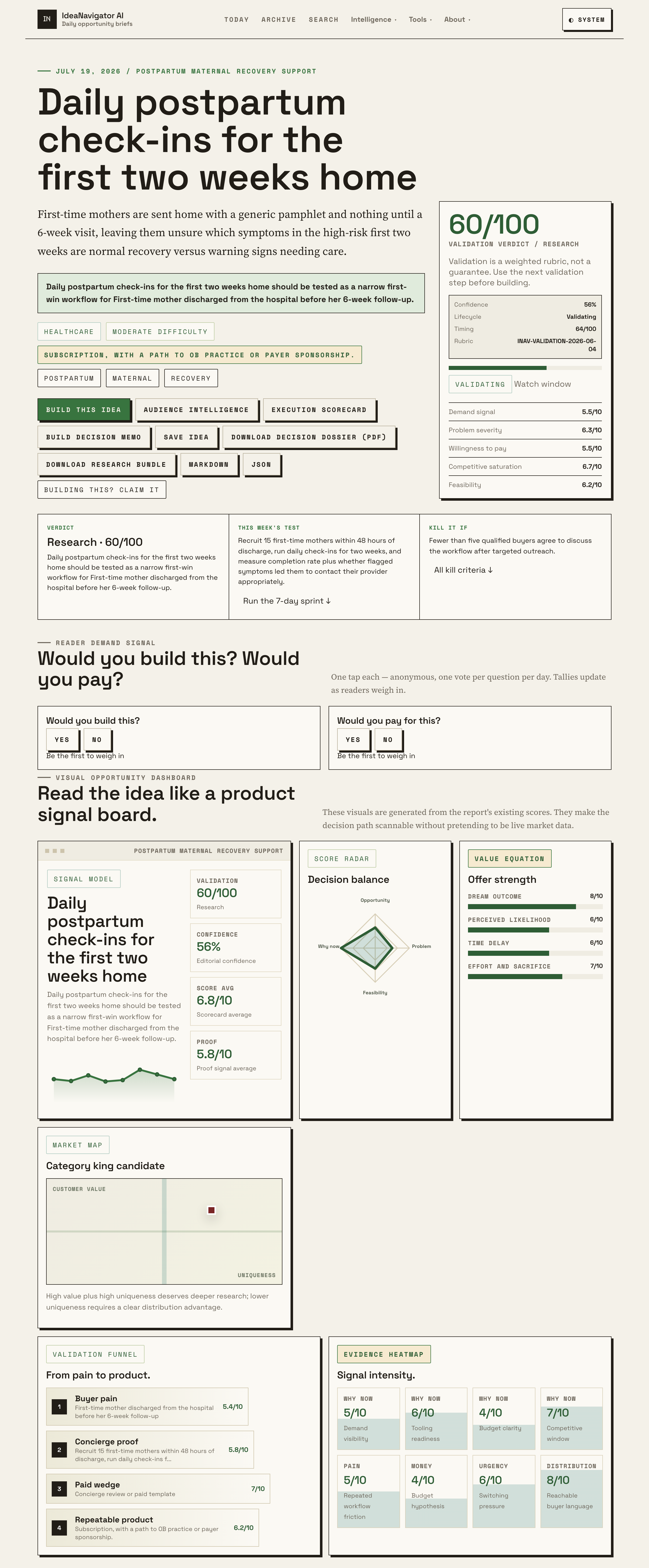
A pilot program is testing daily postpartum check-ins for first-time mothers in the first two weeks after hospital discharge. This approach aims to address gaps in current postpartum care by providing personalized, daily guidance and symptom monitoring. The initiative could reshape postpartum support and reduce health risks during the critical early recovery period.
Researchers and healthcare providers are testing a new approach that involves daily postpartum check-ins for first-time mothers during the first two weeks after hospital discharge. This initiative aims to address the gap in current postpartum care, which often leaves new mothers without personalized support until their 6-week follow-up, potentially risking delayed responses to complications.
The pilot program targets first-time mothers discharged early, before their six-week postpartum appointment. It involves an onboarding process that creates a recovery profile based on delivery details, feeding method, and mental health status. This profile guides daily check-ins via smartphone, delivering tailored recovery tips and prompting mothers to contact healthcare providers if certain symptoms are flagged.
According to an anonymous researcher involved in the project, the goal is to improve early detection of complications such as infections, hemorrhages, or mental health issues. The program plans to recruit 15 participants within 48 hours of discharge, monitoring their engagement, symptom reports, and whether the check-ins lead to appropriate medical contact.
Potential Impact on Postpartum Care Standards
This initiative could significantly improve postpartum safety by providing continuous, personalized support during the high-risk first two weeks after childbirth. It addresses a known gap in current care, which often relies on a single follow-up appointment at six weeks. Early detection of warning signs may reduce severe complications and improve maternal health outcomes.
postpartum recovery monitoring device
As an affiliate, we earn on qualifying purchases.
As an affiliate, we earn on qualifying purchases.
Current Postpartum Follow-up Practices and Challenges
Most healthcare systems recommend a postpartum check-up around six weeks after delivery. However, the first two weeks are considered the most critical, with many complications emerging during this period. Existing practices often rely on patient-initiated contact and generic advice, which can leave new mothers unsure of which symptoms warrant urgent care. Maternal health campaigns have highlighted this gap, emphasizing the need for more proactive support, especially as early discharge becomes more common.
“Daily check-ins could transform postpartum care by providing timely, personalized guidance when mothers are most vulnerable.”
— an anonymous researcher
As an affiliate, we earn on qualifying purchases.
Unanswered Questions About Implementation and Effectiveness
It is not yet clear how effective the daily check-in system will be in practice, including whether mothers will consistently engage with the platform or if flagged symptoms will lead to appropriate medical contact. The pilot is still in early stages, and results regarding safety, engagement, and cost-effectiveness are pending.
postpartum symptom tracking journal
As an affiliate, we earn on qualifying purchases.
As an affiliate, we earn on qualifying purchases.
Next Steps for Validation and Broader Adoption
The pilot will continue with the recruitment of 15 participants, with data collection on engagement rates and symptom reporting. If successful, larger studies will be needed to validate the approach’s impact on health outcomes. Future steps may include integrating the system into standard postpartum care and exploring sponsorship or reimbursement models with healthcare payers.
As an affiliate, we earn on qualifying purchases.
Key Questions
How do the daily postpartum check-ins work?
Participants receive daily prompts via a smartphone app, which ask about their recovery, mental health, and any symptoms. Based on their responses, the system provides tailored advice and flags concerning symptoms for prompt medical contact.
Who is eligible for this postpartum check-in program?
The program targets first-time mothers discharged early from the hospital, before their six-week postpartum appointment.
Will this replace in-person postpartum visits?
No, the check-ins are designed to supplement existing care, providing additional support during the critical first two weeks. In-person visits remain an essential part of postpartum care.
What are the potential benefits of daily check-ins?
Potential benefits include earlier detection of complications, personalized recovery guidance, and increased engagement with healthcare providers, which may improve overall maternal health outcomes.
When will this approach be widely available?
The current pilot is experimental, and broader availability depends on the outcomes of ongoing validation studies and potential integration into healthcare systems, which could take several years.
Source: IdeaNavigator AI
Fall Picks
fall essentials
As an affiliate, we earn on qualifying purchases.