📊 Full opportunity report: Vertigo relief app on IdeaNavigator AI — validation score, market gap, and execution plan.

Get smart everyday buys delivered free with Prime
- Fast, free delivery on millions of items
- Prime Video, Amazon Music and more included
- Member-only deals all year
TL;DR
A new mobile app designed for adults with benign paroxysmal positional vertigo (BPPV) is being developed to guide self-treatment and symptom tracking. It aims to support telehealth practices and reduce reliance on specialist visits, with testing planned among clinics and patients.
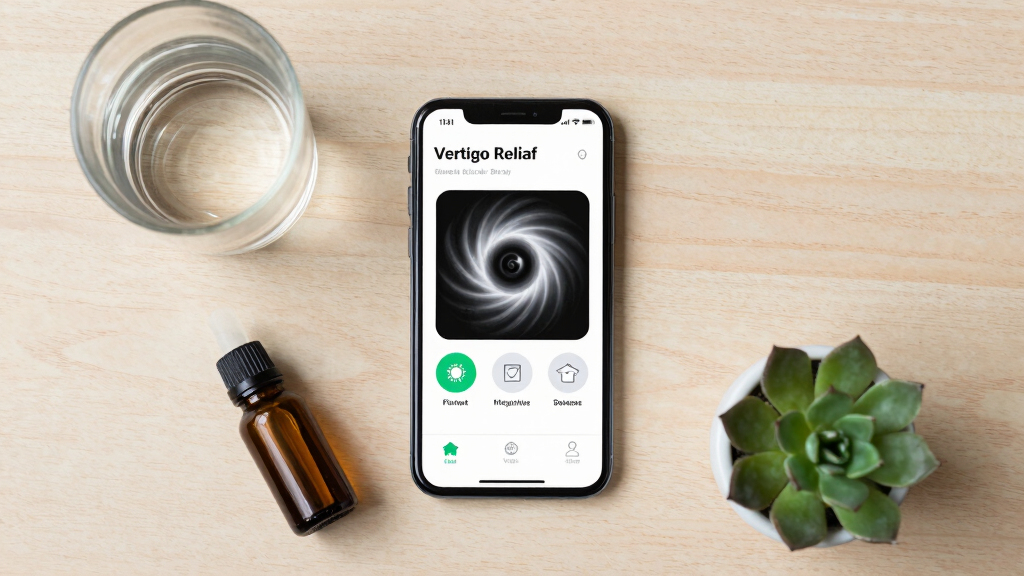
A new vertigo relief app is in development to help adults with recurrent BPPV perform repositioning maneuvers at home, with potential integration into clinical practice. The app aims to address long wait times for specialist care and improve self-management through guided exercises and symptom tracking, which could reduce relapse rates and improve daily functioning.
The app is designed for iOS and Android devices and will feature an initial screening questionnaire, guided step-by-step instructions for maneuvers like the Epley and Brandt-Daroff, and real-time gyroscope-based feedback to ensure correct head positioning. It will also log dizziness episodes, triggers, and severity over time, providing users and clinicians with valuable data.
Developers plan to offer a freemium model, with basic maneuver guides free and advanced features such as detailed symptom tracking, history export, and reminders available via subscription. Additionally, ENT clinics, audiologists, and vestibular physiotherapists could license the app for patient use between visits, creating a B2B revenue stream.
Market research indicates the digital vestibular rehabilitation space was valued near USD 498 million in 2024, with a projected annual growth rate of approximately 13.5%, reflecting increasing acceptance of telehealth and digital therapeutics solutions for dizziness and balance disorders. For more on digital health innovations, see our latest coverage.
Potential Impact on Vertigo Self-Management and Clinical Care
This app could significantly improve self-treatment accuracy for BPPV, reducing the risk of incorrect maneuvers and recurrence. It also offers a scalable way to extend clinical care outside of office visits, especially amid ongoing telehealth adoption. If successful, it could lower healthcare costs, improve patient outcomes, and foster wider acceptance of digital therapeutics in vestibular care.
Products Worth Considering

Logitech MX Mechanical Full-Size Wireless Mechanical Keyboard, Tactile Quiet Switches, Backlit Keys, Bluetooth, USB-C, Multi-Device, Graphit

Dell UltraSharp 32 U3226QER 4K Thunderbolt Hub Monitor

LG 34GX90SA-W 34-inch Ultragear WQHD OLED Curved Gaming Monitor
As an affiliate, we earn on qualifying purchases.
Growing Need for Accessible Vertigo Treatment Tools
Benign paroxysmal positional vertigo (BPPV) is the most common vestibular disorder, yet patients often face delays in specialist consultations and struggle with self-administered repositioning maneuvers. Traditionally, treatment involves in-office procedures performed by specialists, but recent shifts toward telehealth have increased demand for reliable home-based solutions. Advances in smartphone sensors now enable accurate motion tracking, making digital self-treatment tools more feasible. The development of this app aligns with broader trends in digital health and telerehabilitation, driven further by the COVID-19 pandemic, which accelerated telemedicine adoption.
Market estimates show the digital vestibular rehab space was valued at nearly USD 500 million in 2024, with growth expected to continue as payer reimbursement models mature and patient demand for self-care options increases.
“The integration of gyroscope sensors into smartphones enables real-time feedback that can guide patients through proper repositioning techniques with higher accuracy.”
— an anonymous researcher
Uncertainties About Clinical Validation and Adoption
It is not yet clear how effectively the app will perform in clinical settings or how many clinics will adopt it for routine patient use. Validation studies and pilot trials are still in planning or early testing phases, and user acceptance remains to be seen. Additionally, regulatory approval and reimbursement pathways for digital therapeutics targeting vertigo are still evolving.
Next Steps Include Pilot Testing and Clinic Trials
Developers plan to launch a lightweight landing page and conduct targeted advertising to measure interest among potential users. They will also seek partnerships with ENT and physiotherapy clinics to pilot the app with patients, assessing usability, effectiveness, and clinician willingness to recommend it. Results from these efforts will guide further development and potential commercialization.
Key Questions
How will the app ensure correct execution of maneuvers?
The app will use gyroscope sensors in smartphones to provide real-time head-angle feedback, guiding users through proper positioning with visual and audio cues.
Is this app a substitute for medical treatment?
No, the app is designed to support self-management and is accompanied by disclaimers advising users to consult healthcare professionals if symptoms worsen or red-flag signs appear.
Will clinics be able to recommend or license the app for patients?
Yes, the developers plan to offer a licensing model for ENT, audiology, and physiotherapy practices to incorporate the app into their patient care protocols.
When will the app be available to the public?
The app is still in development and testing phases; a full release date has not yet been announced, but pilot programs are expected within the next 6-12 months.
Source: IdeaNavigator AI