
TL;DR

Get smart everyday buys delivered free — and shop member deals
- Fast, free delivery on millions of items
- Access to Prime Big Deal Days deals on October 6–7
- Prime Video, Amazon Music and more included
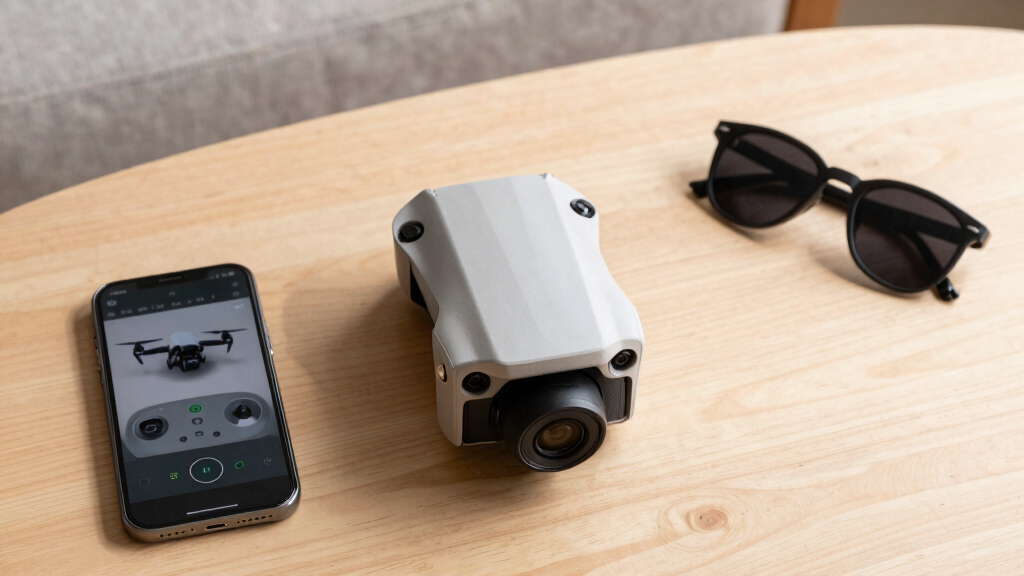
AI-enhanced camera drones are emerging as a game-changer in aerial videography, offering advanced stabilization, automation, and intelligent flight features. This development impacts both professional filmmakers and hobbyists by enabling higher-quality footage and easier operation.
AI-powered camera drones are now entering the market with sophisticated features that automate and improve aerial videography, offering higher stability and intelligent flight capabilities. This technological shift is poised to reshape how both professionals and hobbyists capture aerial footage, making high-quality filming more accessible and reliable.
Recent advancements in artificial intelligence have enabled camera drones to incorporate features such as obstacle avoidance, automated flight paths, and real-time scene analysis. Companies like DJI and startups are launching models that use AI to optimize shot framing, stabilize footage dynamically, and adapt to changing environments. These drones often combine machine learning algorithms with advanced sensors, enabling them to recognize subjects, avoid obstacles, and execute complex flight maneuvers with minimal human input.
One notable example is the latest DJI Mini 5 Pro, which integrates AI-driven subject tracking and obstacle sensing, similar to models discussed in the top camera drones for aerial video. Industry experts suggest that these features not only improve video quality but also expand the usability of drones in challenging environments, such as dense urban areas or rugged outdoor terrains. While these models are still being refined, early reviews indicate a marked increase in stability and ease of use compared to previous generations.
The 9 picks
- 1
 DJI Mini 5 Pro Fly More Combo Plus with DJI RC 2, 4K Camera, Obstacle Sensing…View on Amazon →
 - 2DJI Mini 5 Pro Fly More Combo with DJI RC 2, 1-Inch CMOS, 4K Drone for BeginnersView on Amazon →
- 3
 DJI Mini 4K Fly More Combo Drone with 4K UHD Camera, 3 Batteries, and 3-Axis…View on Amazon →
 - 4
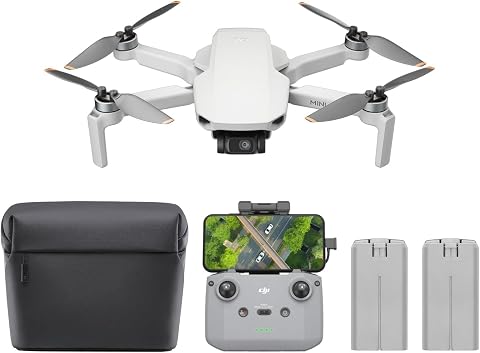 DJI Mini 4K Camera Drone Combo, 4K UHD, 3-Axis Gimbal, 10km Video Transmissio…View on Amazon →
 - 5
 DJI Mini 4K Drone with 4K UHD Camera, 3-Axis Gimbal, 10km Video Transmission,…View on Amazon →
 - 6
 GPS Drone with 4K Camera and 4.5-Inch FPV Screen – Foldable Quadcopter with 6…View on Amazon →
 - 7
 Oddire 4K GPS Foldable Drone with Camera, Auto Return, Waypoint Flight, Gestu…View on Amazon →
 - 8
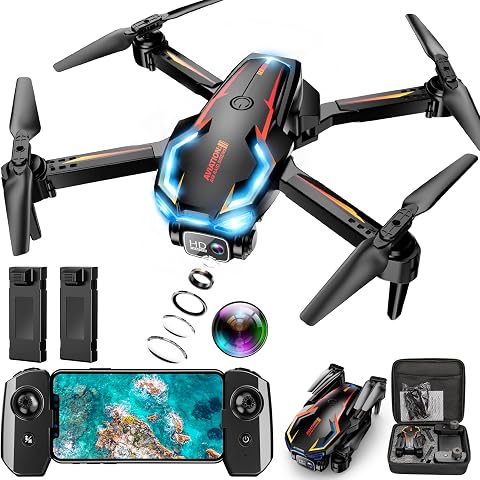 Drone with Camera for Adults, 2K HD FPV, Altitude Hold, One-Key Takeoff/Landi…View on Amazon →
 - 9
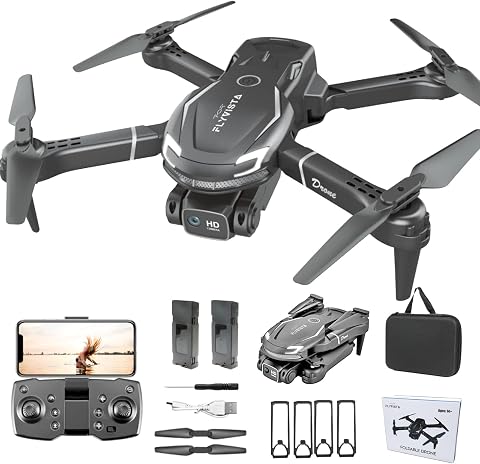 FlyVISTA Cool Mini Drone with Camera for Kids and Adults, 1080P FPV, Remote C…View on Amazon →
How AI-Enhanced Drones Impact Aerial Filming
This technological evolution is important because it lowers barriers to high-quality aerial videography, allowing amateurs and professionals to produce smoother, more professional footage with less effort. AI-driven automation reduces the need for extensive piloting skills, making advanced filming techniques accessible to a broader audience. For industries like real estate, film production, and event coverage, these drones can deliver better results faster and more reliably, potentially transforming workflows and creative possibilities.
Recent Innovations in Drone Technology and AI Integration
Over the past few years, drone manufacturers have progressively added features like obstacle detection, longer flight times, and improved stabilization. The integration of AI marks a significant step forward, with models now capable of scene recognition, dynamic adjustments, and autonomous flight paths. The push toward AI-enabled drones aligns with broader trends in automation and machine learning, which are increasingly shaping the consumer and professional drone markets. Prior to this, most high-end models relied heavily on manual control and pre-programmed flight paths, but AI now offers real-time adaptive capabilities that enhance both safety and footage quality.
“AI integration in camera drones is fundamentally changing aerial videography, making it more accessible, stable, and intelligent than ever before.”
— Thorsten Meyer, drone expert
What Aspects of AI Drones Are Still Developing
It is not yet clear how widely adopted these AI features will become across different drone models and price ranges. The long-term reliability and safety of autonomous flight in complex environments remain under evaluation, and regulatory frameworks are still evolving to address AI-driven automation in aerial operations.Future Developments and Market Adoption of AI Camera Drones
Manufacturers are expected to release more AI-integrated models in early 2024, with improvements in obstacle avoidance, scene recognition, and flight autonomy. Industry analysts anticipate broader adoption among hobbyists and professionals alike, as AI features become standard. Regulatory agencies may also develop new guidelines to ensure safe deployment of autonomous drones, influencing how quickly these technologies can be widely used. Consumers and businesses should watch for updates from leading brands and upcoming product launches that promise enhanced AI capabilities.
Key Questions
How does AI improve drone footage quality?
AI enhances footage by enabling real-time scene analysis, dynamic stabilization, and intelligent subject tracking, resulting in smoother, more professional-looking videos.
Are AI-enabled drones easy for beginners to operate?
Yes, AI automation reduces the need for advanced piloting skills by handling obstacle avoidance and flight planning, making it easier for newcomers to produce quality footage.
What safety concerns are associated with autonomous AI drones?
Safety concerns include the reliability of obstacle detection, decision-making in complex environments, and adherence to evolving regulations governing autonomous flight.
Will AI features significantly increase drone prices?
Initially, AI integration may add to costs, but as technology matures and scales, prices are expected to decrease, making advanced AI features more accessible.
When can consumers expect to see more AI drone models?
Major manufacturers are anticipated to release new AI-enabled models in early 2024, with ongoing updates and improvements throughout the year.
Source: ThorstenMeyerAI.com
Evergreen bestsellers Picks
bestsellers
As an affiliate, we earn on qualifying purchases.