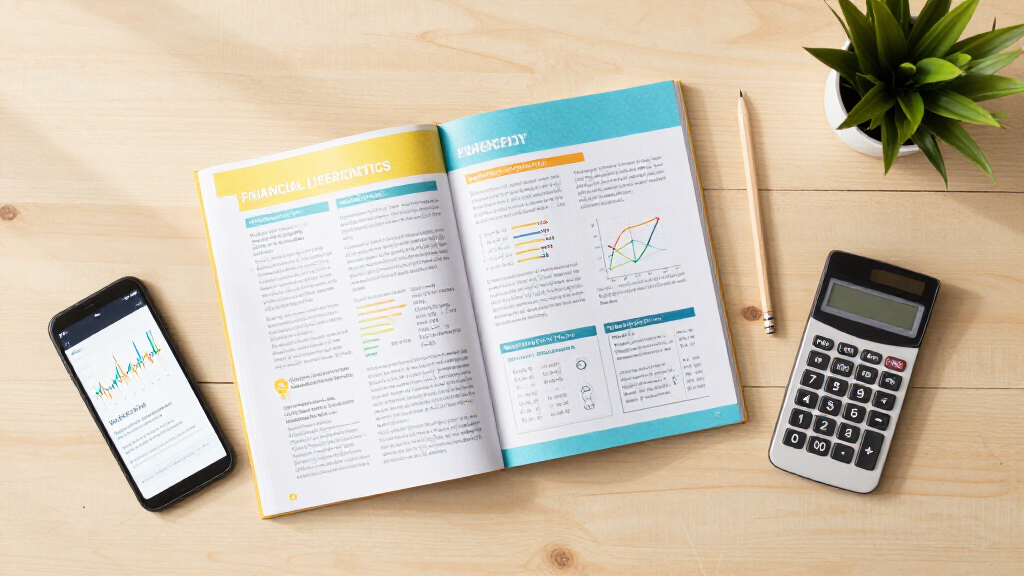

Finding effective financial literacy workbooks for students can be challenging, as options vary widely in scope, depth, and age suitability. The best picks balance practical content with engaging activities, helping students develop real-world money skills. The Career & Technical Education Financial Literacy Student Workbook Part 2 stands out for high school-level investing and life planning, while the Workbook for Financial Literacy for Young Adults offers a practical guide for early adults. However, tradeoffs include complexity for older students versus simplicity for younger learners. Continue reading to see how these options compare and which fits your needs best.
Key Takeaways
- Top-ranked workbooks combine age-appropriate content with actionable skills for real life.
- Workbooks targeting older students tend to be more comprehensive but may overwhelm beginners.
- Affordable options often cover basics but lack depth for long-term financial literacy.
- Premium workbooks provide detailed lessons and activities for more dedicated learners.
- Most effective sets include interactive exercises, real-life scenarios, and clear learning objectives.
| Career & Technical Education Financial Literacy Student Workbook Part 2: Investing, Consumer Skills and Life Planning |  | Best for In-Depth, Classroom-Ready Learning | Intended Audience: Students in career and technical education | Topics Covered: Investing, consumer skills, life planning | Format: Workbook with exercises | VIEW LATEST PRICE | See Our Full Breakdown |
| Workbook for Financial Literacy for Young Adults: A Practical Guide to Managing, Saving, and Investing Money |  | Best for Practical, Youth-Focused Financial Guidance | Intended Audience: Young adults and emerging professionals | Topics Covered: Managing, saving, investing | Format: Workbook with exercises | VIEW LATEST PRICE | See Our Full Breakdown |
| Evan-Moor Financial Literacy and Life Skills for Kids, Ages 12-13 |  | Best for Developing Teen Financial Skills with Real-World Activities | Intended Age Range: 12-13 years | Topics Covered: Budgeting, saving, spending, credit | Format: Workbook with activities | VIEW LATEST PRICE | See Our Full Breakdown |
| Evan-Moor Financial Literacy and Life Skills for Kids, Ages 10-11 |  | Best for Building Money Skills in Younger Children | Intended Age: 10-11 years | Topics Covered: Earning, saving, spending, credit | Format: Workbook with activities | VIEW LATEST PRICE | See Our Full Breakdown |
| Foolproof Guide to Financial Literacy Workbook: Master Saving, Curb Overspending, Manage Student Debt and Achieve True Independence |  | Best for Practical Debt and Savings Strategies for Young Adults | Intended Audience: Young adults and recent graduates | Topics Covered: Saving, debt management, overspending | Format: Workbook with exercises | VIEW LATEST PRICE | See Our Full Breakdown |
| Mark Twain Financial Literacy Workbook for Grades 5 and Up |  | Best Overall for Comprehensive Middle School Financial Education | Suitable Grade Level: Grades 5 and Up | Content Focus: Personal finance, economics, taxes | Format: Workbook | VIEW LATEST PRICE | See Our Full Breakdown |
| Humble Math – Money and Financial Literacy (U.S. Edition): Consumer Math (Ages 12+) Personal Finance for Kids and Young Adults |  | Best for Practical, Age-Appropriate Financial Skills for Ages 12+ | Suitable Age Range: Ages 12 and up | Topics Covered: Banking, investing, loans, business basics | Format: Educational resource | VIEW LATEST PRICE | See Our Full Breakdown |
| Teen Financial Literacy Made Simple: A Beginner’s Personal Finance Workbook for Kids and Teens |  | Best for Beginner Teens Needing Easy, Engaging Content | Suitable Age: Teens | Content Scope: Basic personal finance | Format: Workbook | VIEW LATEST PRICE | See Our Full Breakdown |
| Financial Literacy for Young Adults: Manage, Save, and Invest Money for a Secure Future |  | Best for Young Adults Planning Financial Independence | Target Audience: Young adults | Main Topics: Managing, saving, investing | Format: Book | VIEW LATEST PRICE | See Our Full Breakdown |
| Financial Literacy 101 for College Students Workbook: How to Find the Money, Budget the Money and Grow the Money |  | Best for College Students New to Budgeting and Money Management | Intended Audience: College students | Main Focus: Finding, budgeting, growing money | Format: Workbook | VIEW LATEST PRICE | See Our Full Breakdown |
| Financial Literacy Lessons and Activities for Grade 6 Teacher’s Resource Book |  | Best Teacher-Focused Resource for Middle School | Target Grade: 6th grade | Includes: Reproducible worksheets, classroom lessons, math word problems, money games | Format: Teacher’s resource book | VIEW LATEST PRICE | See Our Full Breakdown |
| Financial Literacy for College Students and Teens: Master These 9 Money Management Skills for Financial Independence |  | Best for Building Practical Money Skills for Teens and College Students | Target Audience: Teens and college students | Includes: Nine key money management skills | Format: Book | VIEW LATEST PRICE | See Our Full Breakdown |
| Financial Literacy Lessons and Activities for Grade 5 Teacher’s Resource Book |  | Best Introductory Resource for Elementary School | Target Grade: 5th grade | Includes: Reproducible worksheets, lessons, math problems, money games | Format: Teacher’s resource book | VIEW LATEST PRICE | See Our Full Breakdown |
| ARCHER STEM Financial Literacy Workbook |  | Best Interactive Workbook Covering Advanced Topics | Target Audience: Young adults, high school students | Topics Covered: Insurance, cryptocurrency, global markets | Format: Workbook | VIEW LATEST PRICE | See Our Full Breakdown |
| Financial Literacy Workbook for Teens Ages 14–18: A Practical Guide to Budgeting, Saving, Investing, Credit Building, and Smart Money Management with Real-Life Activities for High School Students |  | Best Comprehensive Teen Financial Workbook | Target Age: 14–18 years | Topics: Budgeting, saving, investing, credit | Format: Workbook | VIEW LATEST PRICE | See Our Full Breakdown |
| financial literacy workbooks for student | Format |
|---|---|
| Career & Technical Education F | Workbook with exercises |
| Workbook for Financial Literac | Workbook with exercises |
| Evan-Moor Financial Literacy a | Workbook with activities |
| Evan-Moor Financial Literacy a | Workbook with activities |
| Foolproof Guide to Financial L | Workbook with exercises |
| Mark Twain Financial Literacy | Workbook |
| Humble Math | Educational resource |
| Teen Financial Literacy Made S | Workbook |
| Financial Literacy for Young A | Book |
| Financial Literacy 101 for Col | Workbook |
| Financial Literacy Lessons and | Teacher’s resource book |
| Financial Literacy for College | Book |
| Financial Literacy Lessons and | Teacher’s resource book |
| ARCHER STEM Financial Literacy | Workbook |
| Financial Literacy Workbook fo | Workbook |
More Details on Our Top Picks
Career & Technical Education Financial Literacy Student Workbook Part 2: Investing, Consumer Skills and Life Planning
This workbook excels in delivering comprehensive coverage of key financial topics like investing, consumer skills, and life planning, making it a strong choice for educators seeking a well-rounded resource. Unlike the more practical and straightforward Workbook for Financial Literacy for Young Adults, this option emphasizes engaging exercises suited for classroom settings, though it lacks detailed descriptions or reviews, which could leave buyers uncertain about its full scope. Its focus on interactive, curriculum-compatible activities makes it ideal for structured learning environments, but the absence of specific edition information or publisher details may concern those needing verified, up-to-date content. This pick is best suited for teachers or programs aiming to provide a thorough financial literacy foundation.
Pros:- Covers a wide range of financial literacy topics thoroughly
- Designed for both classroom use and self-study, offering flexibility
- Includes interactive exercises that reinforce learning
Cons:- Lacks detailed description, edition info, or publisher details
- No pricing or rating information available, making evaluation difficult
Best for: Teachers and educational programs seeking a detailed, classroom-compatible workbook covering investing and life planning.
Not ideal for: Individual students or parents looking for a straightforward, self-guided workbook since details on content depth and usability are limited.
- Intended Audience:Students in career and technical education
- Topics Covered:Investing, consumer skills, life planning
- Format:Workbook with exercises
- Use Case:Classroom or self-study
- Edition Info:Not specified
- Publisher:Not specified
Our verdict“This workbook suits educators or institutions wanting an in-depth, engaging financial literacy resource, but may disappoint those seeking complete transparency or personal use guidance.”
Workbook for Financial Literacy for Young Adults: A Practical Guide to Managing, Saving, and Investing Money
This workbook makes a practical, hands-on approach to financial management, emphasizing managing, saving, and investing—ideal for young adults eager to build independence. Compared with the Evan-Moor Financial Literacy and Life Skills for Kids workbooks, this guide focuses more on practical exercises tailored to older teens and young adults, but it offers limited detail about the specific content or format, which could leave buyers uncertain about its depth. Its focus on real-world application makes it especially useful for individuals actively seeking to develop financial independence, but the lack of detailed content descriptions or included materials might be a drawback for those wanting a comprehensive package. This workbook suits young adults ready to take charge of their financial future through actionable steps.
Pros:- Focuses on managing, saving, and investing money with practical exercises
- Tailored for young adults aiming for financial independence
- Promotes real-world application of financial skills
Cons:- Limited detail on content and included materials
- No information on format or edition, which may hinder assessment
Best for: Young adults seeking practical, self-guided exercises to manage their finances and prepare for independence.
Not ideal for: Parents or educators looking for a detailed curriculum or classroom resource, as content specifics are sparse.
- Intended Audience:Young adults and emerging professionals
- Topics Covered:Managing, saving, investing
- Format:Workbook with exercises
- Edition Info:Not specified
- Publisher:Not specified
- Suitable for:Self-guided learning
Our verdict“This workbook is well-suited for motivated young adults seeking practical guidance to manage their finances independently, though it lacks detailed descriptions for evaluation.”
Evan-Moor Financial Literacy and Life Skills for Kids, Ages 12-13
This workbook is designed for tweens aged 12-13, combining real-world activities with essential financial concepts like budgeting, saving, spending, and credit use. Compared to the younger-aimed Evan-Moor Financial Literacy and Life Skills for Kids, Ages 10-11, this version dives deeper into more complex financial topics suitable for early teens. Its practical approach helps improve financial literacy and life skills, but it lacks detailed specifications and might require adult supervision for younger users to ensure comprehension. The focus on real-world scenarios makes it a strong choice for educators or parents wanting to prepare teens for financial independence while recognizing the need for guidance in using the material effectively.
Pros:- Provides practical, real-world financial activities
- Age-appropriate for middle school students
- Helps develop both financial literacy and life skills
Cons:- No detailed specifications provided
- Content may require adult supervision for proper understanding
Best for: Parents or educators working with 12-13-year-olds who need engaging activities to build foundational financial skills.
Not ideal for: Younger children or those seeking a teacher-free, self-guided resource, as content may need adult facilitation.
- Intended Age Range:12-13 years
- Topics Covered:Budgeting, saving, spending, credit
- Format:Workbook with activities
- Edition Info:Not specified
- Publisher:Not specified
- Developmental Focus:Financial literacy and life skills
Our verdict“This workbook is ideal for educators or parents aiming to introduce teens to essential financial skills through engaging activities, though it benefits from adult oversight.”
Evan-Moor Financial Literacy and Life Skills for Kids, Ages 10-11
This engaging workbook introduces children aged 10-11 to essential financial concepts like earning, saving, spending, and credit through real-world lessons and activities. It stands out for making money management fun and accessible, similar to the Workbook for Financial Literacy for Young Adults but tailored for a younger audience. Its practical activities help develop early financial habits, but the absence of detailed specifications and customer ratings makes it harder to gauge overall quality. This resource is particularly suited for parents or teachers wanting an age-appropriate, hands-on approach to foundational money skills, though it may require adult guidance for effective use.
Pros:- Provides practical lessons on earning, saving, and spending
- Suitable for children aged 10-11
- Includes engaging activities to reinforce learning
Cons:- No price or customer ratings available
- Limited detailed specifications
Best for: Parents or educators seeking an engaging, basic financial literacy workbook for children aged 10-11.
Not ideal for: Older teens or advanced learners who need more complex content, as it targets a younger audience.
- Intended Age:10-11 years
- Topics Covered:Earning, saving, spending, credit
- Format:Workbook with activities
- Edition Info:Not specified
- Publisher:Not specified
- Focus Area:Money management basics
Our verdict“This workbook offers an engaging, age-appropriate introduction to money skills for younger children, with adult guidance recommended to maximize learning.”
Foolproof Guide to Financial Literacy Workbook: Master Saving, Curb Overspending, Manage Student Debt and Achieve True Independence
This workbook targets young adults with a focus on practical, real-life financial challenges such as managing debt and avoiding overspending, making it more specialized than the broader Workbook for Financial Literacy for Young Adults. It emphasizes actionable strategies and exercises designed to foster financial independence, but the lack of detailed specifications and customer reviews makes it harder to evaluate its depth and usability. While it covers essential topics like saving and debt management, it may be too basic for those already familiar with personal finance concepts, requiring more advanced content for experienced users. It’s best suited for those just starting to navigate financial independence and debt management.
Pros:- Focuses on real-life financial challenges like debt and overspending
- Includes practical exercises to reinforce strategies
- Aims to foster genuine financial independence
Cons:- Limited detailed specifications or features listed
- No customer ratings or reviews available
Best for: Young adults or recent graduates seeking a focused, practical guide to managing debt, savings, and overspending.
Not ideal for: Financial professionals or advanced learners who need more in-depth or comprehensive content beyond basic strategies.
- Intended Audience:Young adults and recent graduates
- Topics Covered:Saving, debt management, overspending
- Format:Workbook with exercises
- Edition Info:Not specified
- Publisher:Not specified
- Focus:Practical financial independence strategies
Our verdict“This workbook is best for young adults beginning their journey to financial independence and debt management, but it may need more depth for experienced learners.”
Mark Twain Financial Literacy Workbook for Grades 5 and Up
This workbook stands out for its comprehensive approach to personal finance topics, making it a solid choice for educators and parents seeking a broad curriculum. Compared with the Teen Financial Literacy Made Simple, this pick covers a wider range of subjects suited for students in grades 5 and above, though it lacks detailed content descriptions or supplemental resources. Its strength lies in delivering foundational financial concepts in a classroom-ready format, but the absence of specific edition info or pricing details means buyers must verify suitability beforehand. Overall, this workbook is best for those who want a thorough, flexible resource for middle schoolers.
Pros:- Educational content tailored for middle school students
- Suitable for classroom or homeschool use
- Covers a wide range of personal finance topics
Cons:- No specific price or edition details available
- Lacks detailed content or lesson plans
Best for: Teachers or homeschoolers needing a comprehensive, adaptable curriculum for grades 5 and up
Not ideal for: Parents seeking a quick, simple introduction for younger children or detailed digital content
- Suitable Grade Level:Grades 5 and Up
- Content Focus:Personal finance, economics, taxes
- Format:Workbook
- Use Case:Classroom or homeschool
Our verdict“This workbook is ideal for educators and parents who want a thorough, flexible resource to introduce financial literacy at the middle school level.”
Humble Math – Money and Financial Literacy (U.S. Edition): Consumer Math (Ages 12+) Personal Finance for Kids and Young Adults
This resource excels in providing practical lessons on banking, investing, and loans, making it suitable for older children and young adults. Compared to the Teen Financial Literacy Made Simple, it offers broader coverage of real-world financial topics, though it may require adult oversight for younger users due to its complexity. Its strength lies in fostering essential money management skills through engaging activities, but the lack of specific pricing and the need for guidance could limit independent use. Best suited for parents or educators aiming to prepare kids for real-world financial decisions.
Pros:- Covers a broad spectrum of personal finance topics
- Designed for kids and young adults aged 12+
- Focuses on practical skills like banking and investing
Cons:- May require adult guidance for younger or less experienced learners
- No detailed pricing or edition info
Best for: Parents or teachers seeking a comprehensive, real-world financial literacy tool for ages 12 and up
Not ideal for: Younger children or learners needing very basic, guided instruction without adult supervision
- Suitable Age Range:Ages 12 and up
- Topics Covered:Banking, investing, loans, business basics
- Format:Educational resource
- Focus:Practical money skills
Our verdict“This workbook is well-suited for those wanting to equip older students with real-world financial skills but may need parental or teacher guidance for effective use.”
Teen Financial Literacy Made Simple: A Beginner’s Personal Finance Workbook for Kids and Teens
This workbook is tailored for teens just starting their financial journey, with engaging activities and straightforward explanations. Unlike the more comprehensive Mark Twain Workbook, it offers a simplified approach, making it ideal for beginners but lacking depth in complex topics like investing or taxes. Its biggest strength is accessibility; however, the limited scope and absence of digital resources mean it might not satisfy those seeking a more extensive curriculum. Best for teens who need a gentle, engaging introduction to personal finance concepts.
Pros:- Age-appropriate content for teens
- Interactive activities to reinforce concepts
- Easy-to-understand explanations
Cons:- Limited coverage of financial topics
- No digital resources included
Best for: Teens new to financial literacy or educators seeking a simple, accessible resource
Not ideal for: Older teens or students ready for more advanced, detailed financial topics
- Suitable Age:Teens
- Content Scope:Basic personal finance
- Format:Workbook
- Engagement:Activities and explanations
Our verdict“This workbook is perfect for teens beginning their financial education, especially those who benefit from simplified, engaging content.”
Financial Literacy for Young Adults: Manage, Save, and Invest Money for a Secure Future
This book offers practical advice on managing, saving, and investing, making it a good fit for young adults seeking to establish financial independence. Compared with the more targeted college-focused workbook, it emphasizes overall money management skills, but the lack of detailed case studies or advanced examples limits its depth for those already familiar with basic concepts. Its straightforward guidance helps build confidence, yet its simplicity may not satisfy more experienced or ambitious investors. Ideal for young adults wanting a clear, practical overview of personal finance fundamentals.
Pros:- Provides practical, actionable financial advice
- Focuses on managing, saving, and investing
- Aims to foster financial independence
Cons:- Lacks detailed examples or case studies
- No information on author credentials
Best for: Young adults starting to manage their own finances who need clear, practical guidance
Not ideal for: Experienced investors or those seeking detailed investment strategies and case studies
- Target Audience:Young adults
- Main Topics:Managing, saving, investing
- Format:Book
- Focus:Financial independence
Our verdict“This book suits young adults looking for straightforward, practical financial guidance to build independence but may be too basic for seasoned investors.”
Financial Literacy 101 for College Students Workbook: How to Find the Money, Budget the Money and Grow the Money
This workbook emphasizes practical skills like finding, budgeting, and growing money, making it especially useful for college students in their early financial stages. Compared to the Teen Financial Literacy Made Simple, it offers more targeted guidance on money management strategies, but its content description is minimal, and it lacks details about additional resources or tools. Its strength is in providing hands-on exercises for those new to budgeting, though it may fall short for students seeking advanced strategies or digital support. Best suited for college students who want a practical, beginner-friendly guide to managing their money effectively.
Pros:- Practical exercises for money management
- Suitable for beginners in college
- Focuses on fundamental financial skills
Cons:- Limited detailed content description
- No mention of additional resources or tools
Best for: College students starting to handle personal finances and seeking practical exercises
Not ideal for: Students with advanced financial knowledge or looking for in-depth investment advice
- Intended Audience:College students
- Main Focus:Finding, budgeting, growing money
- Format:Workbook
- Application:Early financial management
Our verdict“This workbook is well-suited for college students eager to develop foundational money management skills through hands-on activities but may lack depth for advanced learners.”
Financial Literacy Lessons and Activities for Grade 6 Teacher’s Resource Book
This teacher’s resource book stands out for its comprehensive collection of reproducible worksheets, engaging activities, and practical lessons tailored to sixth graders. Compared with simpler workbooks, it emphasizes classroom implementation, making it ideal for educators or homeschool parents seeking structured lesson plans. However, its effectiveness depends on the teacher’s ability to guide students through the materials, and without specific pricing, it may be less accessible for individual purchase. The variety of math word problems and money games promotes active learning, but the content may feel overwhelming without proper facilitation.
Pros:- Includes reproducible worksheets and engaging activities
- Suitable for classroom and homeschooling settings
- Focuses on practical financial literacy skills
Cons:- No specific price information available
- Content may require teacher guidance for effective use
Best for: Teachers and homeschooling parents looking for a detailed, classroom-ready curriculum for 6th-grade students
Not ideal for: Parents seeking individual student workbooks, as this is designed primarily as a teacher resource
- Target Grade:6th grade
- Includes:Reproducible worksheets, classroom lessons, math word problems, money games
- Format:Teacher’s resource book
Our verdict“This resource is perfect for educators and homeschooling parents who want a structured, activity-rich approach for teaching sixth graders about money management.”
Financial Literacy for College Students and Teens: Master These 9 Money Management Skills for Financial Independence
This book focuses on nine essential money management skills, making it highly practical for older teens and college students aiming for independence. Unlike the more activity-driven workbooks like the Financial Literacy Workbook for Teens, it emphasizes understanding key concepts necessary for real-world financial decisions. Its broad scope is a strength, but the lack of detailed specifications or reviews means I can’t gauge how well it engages students or how comprehensive each skill is. It makes a good supplement for those ready to deepen their financial knowledge but might lack the structured activities of other options.
Pros:- Focuses on practical money management skills
- Suitable for both teens and college students
- Helps build financial independence
Cons:- No detailed specifications provided
- No customer reviews or ratings available
Best for: Teens and college students seeking practical, skill-based financial education to support independence
Not ideal for: Younger students or beginners who need more guided, activity-based learning rather than straightforward skills coverage
- Target Audience:Teens and college students
- Includes:Nine key money management skills
- Format:Book
Our verdict“This book is a solid choice for older students who want to master key financial skills, though it lacks detailed content descriptions for full confidence.”
Financial Literacy Lessons and Activities for Grade 5 Teacher’s Resource Book
Compared to the Grade 6 version, this resource offers an early foundation with similar reproducible worksheets, activities, and money games tailored for fifth graders. It’s ideal for teachers or homeschoolers wanting to introduce financial concepts at an earlier stage, but like the Grade 6 version, it relies heavily on teacher guidance for maximum impact. The limited content details and lack of reviews make it harder to evaluate its depth, yet it provides practical, age-appropriate materials for building basic financial understanding before moving to higher grades.
Pros:- Includes a variety of reproducible worksheets and activities
- Suitable for classroom and homeschooling use
- Focuses on practical financial literacy skills
Cons:- No specific price or rating information provided
- Content details are limited without additional reviews
Best for: Elementary school teachers and homeschooling parents introducing money concepts to 5th graders
Not ideal for: Parents or educators seeking comprehensive or advanced financial literacy for older students, as content may be too basic
- Target Grade:5th grade
- Includes:Reproducible worksheets, lessons, math problems, money games
- Format:Teacher’s resource book
Our verdict“This resource is best suited for early learners and educators laying a foundational understanding of money and financial concepts for fifth graders.”
ARCHER STEM Financial Literacy Workbook
This workbook emphasizes interactive, engaging activities on topics like cryptocurrency, insurance, and global markets, making it ideal for young adults seeking a broad, modern financial education. Unlike the more straightforward workbooks for teens or high schoolers, such as the Financial Literacy Workbook for Teens, it explores complex topics with exercises designed to deepen understanding through practical engagement. Its lack of detailed content outlines and reviews makes it harder to assess, but its wide-ranging scope is a major asset for those interested in a comprehensive, real-world financial perspective.
Pros:- Interactive activities enhance engagement
- Covers a wide range of financial topics
- Suitable for young adults seeking practical knowledge
Cons:- No detailed content outline or specifications
- Lacks customer reviews or ratings
- No price information available
Best for: Young adults and high school students eager to explore advanced financial topics through interactive learning
Not ideal for: Beginners or younger teens who need simpler, step-by-step guidance on basic financial principles
- Target Audience:Young adults, high school students
- Topics Covered:Insurance, cryptocurrency, global markets
- Format:Workbook
Our verdict“This workbook is ideal for motivated young adults interested in a broad, interactive financial education, though it may be overwhelming for beginners.”
Financial Literacy Workbook for Teens Ages 14–18: A Practical Guide to Budgeting, Saving, Investing, Credit Building, and Smart Money Management with Real-Life Activities for High School Students
This workbook offers a thorough overview of essential financial topics tailored specifically for teenagers aged 14 to 18. Its inclusion of real-life activities like budgeting, saving, investing, and credit building makes it highly practical—more so than the more general Teen Financial Literacy Made Simple. The broad coverage ensures teens develop a well-rounded understanding of managing their money, but the lack of specific price or reviews leaves some questions about accessibility and user experience. It’s a strong choice for high school students ready to take their financial knowledge to the next level.
Pros:- Comprehensive coverage of key financial topics
- Includes real-life, practical activities
- Designed specifically for high school students
Cons:- No specific price information available
- No customer ratings provided
Best for: High school students seeking a practical, activity-based approach to developing their financial skills
Not ideal for: Younger teenagers or beginners who need more fundamental, guided instruction rather than comprehensive topics
- Target Age:14–18 years
- Topics:Budgeting, saving, investing, credit
- Format:Workbook
Our verdict“This workbook is best suited for high schoolers who want an in-depth, activity-driven guide to managing their money responsibly.”
How We Picked
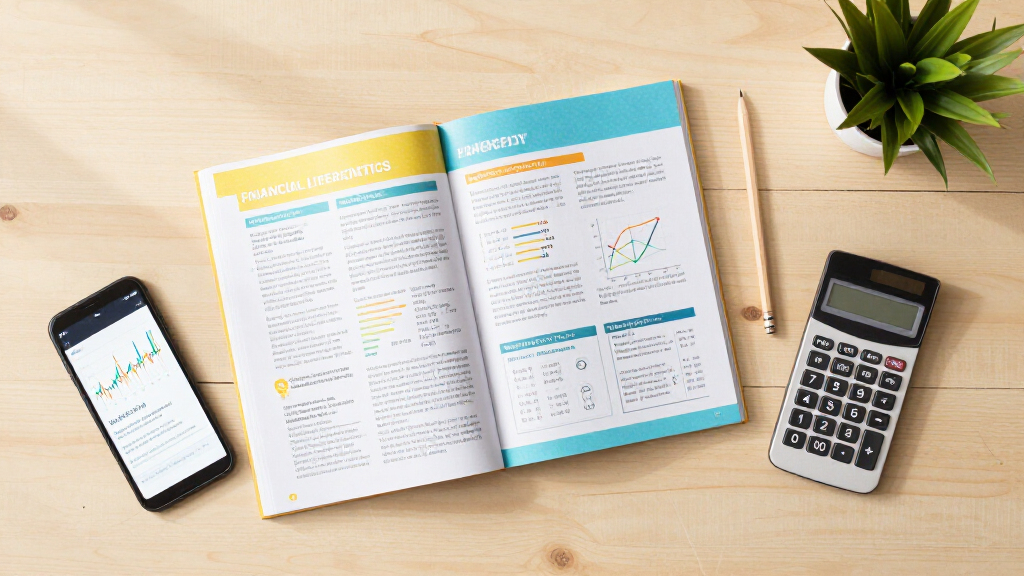
I evaluated these products based on clarity of content, age appropriateness, practical relevance, activity variety, and overall value. Workbooks that balanced engaging exercises with foundational concepts ranked higher, as they are more likely to foster long-term understanding. I also considered user reviews and the breadth of topics covered, ensuring that each pick offers a different niche or learner focus. The ranking reflects how well each workbook helps students develop essential financial skills in an accessible, effective manner.| financial literacy workbooks for student | Format |
|---|---|
| Career & Technical Education F | Workbook with exercises |
| Workbook for Financial Literac | Workbook with exercises |
| Evan-Moor Financial Literacy a | Workbook with activities |
| Evan-Moor Financial Literacy a | Workbook with activities |
| Foolproof Guide to Financial L | Workbook with exercises |
| Mark Twain Financial Literacy | Workbook |
| Humble Math | Educational resource |
| Teen Financial Literacy Made S | Workbook |
| Financial Literacy for Young A | Book |
| Financial Literacy 101 for Col | Workbook |
| Financial Literacy Lessons and | Teacher’s resource book |
| Financial Literacy for College | Book |
| Financial Literacy Lessons and | Teacher’s resource book |
| ARCHER STEM Financial Literacy | Workbook |
| Financial Literacy Workbook fo | Workbook |
Factors to Consider When Choosing Financial Literacy Workbooks For Students
Choosing the right financial literacy workbook involves considering several key factors that influence learning effectiveness and suitability. It’s important to match the content complexity with the student’s age and current knowledge level to prevent frustration or disinterest. The depth of coverage should align with your goals—whether it’s basic money management or deeper investing skills. Additionally, look for workbooks that incorporate interactive activities, as these foster better engagement and retention. Cost and format are also considerations—digital versus paper, for example—depending on how and where students will use the material.Age and Skill Level Alignment
Not all workbooks are suitable for every age or learning stage. Younger students benefit from simplified explanations, colorful visuals, and basic concepts like saving and spending. Older students or young adults can handle more complex topics such as investing, credit, and taxes. Matching the workbook’s complexity to the learner’s current understanding prevents overwhelm and encourages steady progress. Skipping this step can lead to disengagement or superficial learning, so prioritize age-appropriate content tailored to the student’s stage.
Content Depth and Scope
Some workbooks focus on fundamental money skills, like budgeting and saving, which are perfect for beginners. Others delve into advanced areas like investing, debt management, and financial planning, suitable for older or more motivated students. Consider your long-term goals—if you want a foundational resource, opt for simpler options. For comprehensive financial literacy, select workbooks that cover multiple topics thoroughly, but be aware they might require more time and effort from learners.
Engagement and Interactivity
Workbooks with interactive activities—quizzes, scenarios, real-life exercises—tend to promote better engagement and retention. Look for products that balance instructional content with practical tasks, such as budgeting exercises or decision-making scenarios. Passive reading alone often results in superficial understanding, so prioritize workbooks that encourage active participation. However, highly interactive options may be more time-consuming and require more guidance, which should be considered based on the learner’s motivation and support system.
Cost and Format
Price varies widely, but more expensive workbooks often include extensive content and supplementary resources. Consider whether a physical copy or digital version best suits your needs—digital formats offer convenience and updates, while printed books can be easier to annotate and use in group settings. Keep in mind that investing in a higher-quality, comprehensive workbook can pay off in better learning outcomes, but budget constraints may make simpler options more practical for casual or introductory use.
Long-Term Use and Supplementary Materials
Some workbooks serve as standalone resources, while others are part of a broader curriculum. Think about whether you want a flexible, quick-start guide or a comprehensive program that can be revisited over time. Check if the workbook offers additional online resources, answer keys, or companion guides—these can enhance learning and provide ongoing support. Overlooking this aspect might mean missing out on valuable reinforcement tools that improve comprehension and application.
Frequently Asked Questions
How do I choose a workbook suitable for a beginner with no prior financial knowledge?
For beginners, look for workbooks that start with fundamental concepts like saving, spending, and simple budgeting. They should use clear language, visuals, and engaging activities to introduce basic ideas gradually. Avoid overly complex topics like investing or credit initially, unless the learner shows strong interest or prior knowledge. A well-structured beginner workbook builds confidence and foundational skills that can be expanded later with more advanced resources.
Are digital workbooks as effective as printed ones for financial literacy learning?
Digital workbooks offer advantages like portability, ease of updates, and interactive features, which can boost engagement for tech-savvy learners. However, printed workbooks may be better for tactile learners who benefit from writing and highlighting directly on paper. The effectiveness depends on the learner’s preferences and environment—what matters most is that the format encourages active participation and consistent use. Combining both formats can also provide flexibility and reinforce learning.
Should I prioritize workbooks with real-life scenarios or theoretical lessons?
Workbooks with real-life scenarios tend to be more impactful because they help students see how concepts apply in everyday situations. Practical exercises promote retention and better decision-making skills. However, theoretical lessons are important for understanding foundational principles. The ideal choice offers a balance—clear explanations combined with scenario-based activities—so students can connect theory to practice effectively.
How much time should I allocate to using a financial literacy workbook with a student?
The time commitment varies depending on the workbook’s depth and the learner’s pace. Short, focused sessions of 20-30 minutes can be effective for younger students or busy schedules, while more comprehensive workbooks might require longer periods or multiple sessions. Consistency is key, so setting regular, manageable goals helps reinforce learning without causing fatigue. Consider the student’s interest level and adjust the pace to maintain motivation and comprehension.
Is it better to buy a single comprehensive workbook or multiple specialized ones?
A single comprehensive workbook offers a broad overview of financial topics, making it easier to follow a structured learning path. However, specialized workbooks can provide deeper dives into specific areas like investing or credit management, which might be more suitable for advanced learners or those with specific interests. Your choice depends on the learner’s current knowledge, goals, and engagement level—combining both approaches can also be effective for a balanced understanding.
Conclusion
For those seeking an all-around, reliable starting point, Career & Technical Education Financial Literacy Student Workbook Part 2 offers a comprehensive high school-level introduction. Parents and educators looking for affordability and simplicity may prefer the Workbook for Financial Literacy for Young Adults, which covers essential skills with practical exercises. For more advanced learners or high school students ready for in-depth topics, the Financial Literacy Workbook for Teens Ages 14–18 delivers real-world activities and detailed guidance. Budget-conscious buyers should focus on entry-level options, while those aiming for thorough coverage and long-term use should consider premium choices in this roundup.