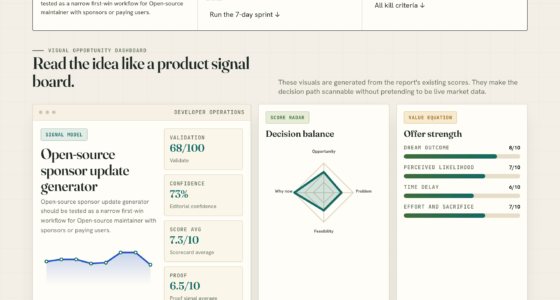
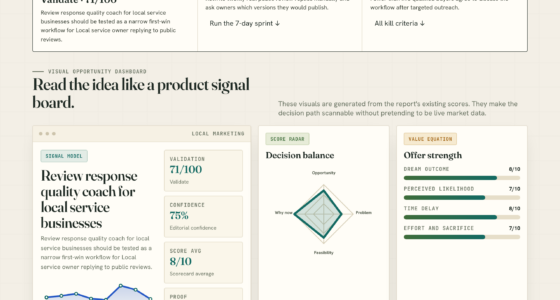
📊 Full opportunity report: Anonymous Daily Check-ins For 12-Step Sponsors on IdeaNavigator AI — validation score, market gap, and execution plan.
TL;DR
Researchers are testing a pseudonymous check-in system for 12-step sponsors supporting multiple sponsees. The goal is to enhance privacy while maintaining accountability, with initial trials planned for two weeks.
Researchers are testing a new system that enables 12-step sponsors to conduct anonymous daily check-ins with multiple sponsees using pseudonymous codes, aiming to improve privacy and support accountability. This development could address longstanding privacy concerns in addiction recovery support, potentially transforming how sponsors and sponsees interact while maintaining the tradition of home check-ins.
The proposed system involves a simple, pseudonymous check-in thread where sponsors invite sponsees via daily home check-ins with codes. Sponsees can then report their daily sobriety status with a green or red indicator and an optional note, without revealing their real names or phone numbers. The system is designed to store only minimal data, such as the codes and check-in statuses, to uphold anonymity.
This initiative is currently in the testing phase, with plans to recruit eight active sponsors and their sponsees for a two-week trial. The goal is to measure retention rates and verify that anonymity expectations are maintained, providing data on the system’s feasibility and effectiveness. The concept was proposed as a response to the challenge that mainstream messaging apps and habit trackers often leak personal information, conflicting with the traditions of home check-ins in recovery programs.
According to an anonymous researcher involved in the project, the prototype aims to offer a private, accessible alternative that integrates seamlessly with mobile devices, which are now central to recovery support. The subscription model would generate revenue by charging sponsors a low monthly fee for access to multiple sponsee threads, making it scalable for wider adoption.
Potential Impact on Privacy and Support Dynamics
This new check-in system could significantly enhance privacy for individuals in recovery, addressing concerns about personal data exposure on mainstream messaging platforms. By maintaining anonymity, it aligns with the core principles of twelve-step programs while leveraging modern technology to facilitate accountability and connection. If proven effective, it could set a precedent for specialized recovery tools that prioritize confidentiality, potentially increasing participation and honesty in sponsor-sponsee relationships, which are critical to sustained recovery.
As an affiliate, we earn on qualifying purchases.
Growing Need for Privacy-Sensitive Recovery Tools
As addiction recovery increasingly relies on mobile communication, traditional methods of tracking sobriety and progress—such as texts and calls—pose privacy risks, especially given the confidentiality requirements of twelve-step programs like Alcoholics Anonymous (AA) and Narcotics Anonymous (NA). Existing apps and messaging platforms often store identifiable information, creating potential vulnerabilities. The concept for anonymous check-ins emerges amid this landscape, aiming to balance the need for accountability with the imperative of maintaining anonymity.
This initiative follows broader trends in digital health, where privacy-preserving features are becoming essential. The idea was prompted by feedback from sponsors and sponsees who expressed discomfort with current tools that expose personal contact details or fail to provide a discreet way to monitor daily progress. The proposed pseudonymous system seeks to fill this gap, offering a lightweight, privacy-focused alternative.
While the concept is still in early testing, it reflects ongoing efforts within the recovery community and developers to adapt traditional support models to the digital age, emphasizing confidentiality and ease of use.
“The goal is to create a simple, privacy-preserving way for sponsors to check in with multiple sponsees without exposing their identities or contact details.”
— an anonymous researcher
As an affiliate, we earn on qualifying purchases.
Uncertainties Surrounding Effectiveness and Adoption
It is not yet clear whether the prototype will successfully maintain anonymity while providing sufficient support and accountability. The two-week trial is primarily designed to assess retention and privacy compliance, but longer-term effectiveness and user acceptance remain untested. Additionally, questions about scalability, integration with existing recovery practices, and potential resistance from traditionalists are still unresolved.
As an affiliate, we earn on qualifying purchases.
Next Steps for Validation and Broader Implementation
The initial testing phase will involve recruiting eight sponsors and their sponsees to use the pseudonymous check-in system over two weeks. Researchers will monitor engagement, privacy adherence, and user feedback to evaluate feasibility. Pending positive results, developers plan to refine the platform and consider expanding the trial to include more participants. They also aim to explore integration with existing recovery apps and gather input from the broader community to ensure the tool aligns with the values of anonymity and support.
addiction recovery app with anonymity
As an affiliate, we earn on qualifying purchases.
As an affiliate, we earn on qualifying purchases.
Key Questions
How does the pseudonymous check-in system protect privacy?
The system uses one-time codes assigned to sponsees, allowing them to report their daily status with no personal identifiers stored, thus maintaining anonymity.
Will this replace traditional sponsor-sponsee interactions?
It is designed as a supplementary tool to enhance privacy and accountability but not necessarily replace in-person or verbal check-ins.
How much will the service cost sponsors?
The model involves a low monthly subscription fee paid by sponsors for access to multiple sponsee check-in threads.
Could this system be adopted widely in recovery communities?
Its success depends on the trial outcomes, community acceptance, and integration with existing support practices. Further testing will clarify its potential for broader use.
What are the main challenges facing this project?
Key challenges include ensuring privacy compliance, user adoption, and demonstrating that the system can effectively support accountability without exposing identities.
Source: IdeaNavigator AI