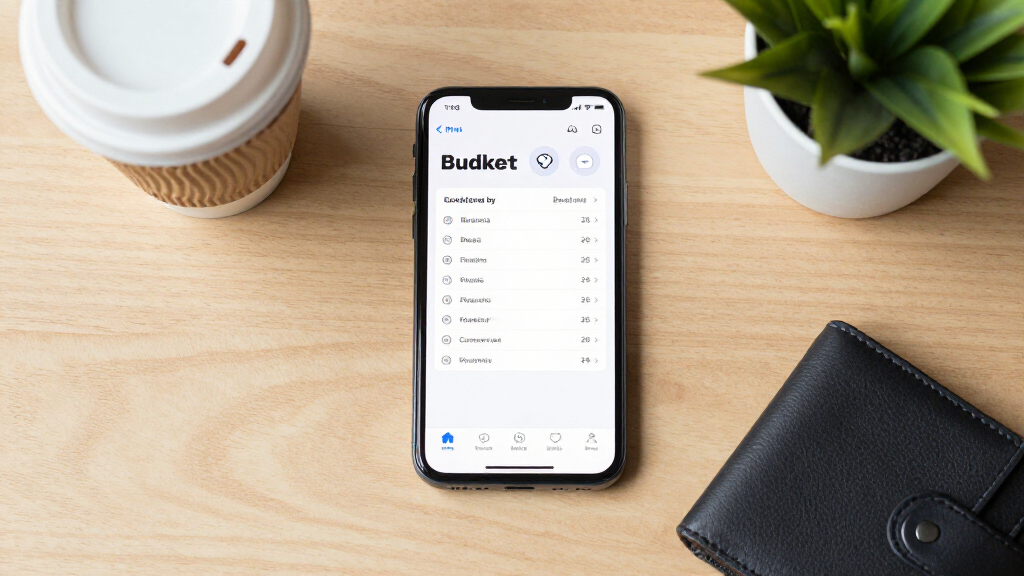

The best student budgeting apps do two jobs at once: they track where your money goes and they teach you how to stretch a thin income across rent, food, and the occasional night out. Of the nine options in this roundup, Money Manager – Expense Tracker, Budget App is my best overall pick because it combines fast expense logging with envelope-style budgets in a free tier that genuinely works on a student income. Smart Budgeting is the standout for beginners who want a five-minute setup, while the Budgeting Basics for Students guide is the strongest companion read for anyone who has never built a budget before. The main tradeoff in this category is effort versus insight: manual trackers cost nothing but demand discipline, while paid planners and fuller apps do more of the thinking for you. There is also a format split worth understanding, because live apps, printable planners, and money-skills books solve different problems, and some students need more than one. Keep reading for the full breakdown of all nine picks and who each one suits.

Get smart everyday buys delivered free with Prime
- Fast, free delivery on millions of items
- Prime Video, Amazon Music and more included
- Member-only deals all year
Key Takeaways
- Money Manager – Expense Tracker, Budget App took the top spot because it is the only pick in this lineup that pairs quick expense logging with real budget limits in a workable free tier.
- This roundup splits into three formats — apps, printable planners, and money-skills books — so the first decision is whether you need tracking, structure, or education.
- Smart Budgeting beat fuller apps for the beginner slot precisely because it removes features instead of adding them.
- Two products in this list are both named Monthly Budget and are near-duplicates; only one earns a recommendation, so check the exact listing before buying.
- Pairing one free tracker with one low-cost guide like Personal Finance for Teens and Young Adults covers most student needs for less than the price of a single takeaway meal.
| Budgeting Basics for Students: A 30-Page Guide to Financial Success |  | Best Quick-Start Guide | Format: Digital guide | Length: 30 pages | Topic focus: Student budgeting fundamentals | VIEW LATEST PRICE | See Our Full Breakdown |
| Monthly Budget |  | Best Minimalist Planner | Type: Monthly budget planner/tracker | Core function: Income and expense tracking | Tracking cadence: Monthly | VIEW LATEST PRICE | See Our Full Breakdown |
| Budgeting & Finances |  | Best for Financial Literacy | Format: Digital guide | Topic focus: Budgeting and personal finance | Skill level: Beginner | VIEW LATEST PRICE | See Our Full Breakdown |
| Personal Finance for Teens and Young Adults: Learn Money Skills Not Taught in School |  | Best Overall | Format: Book (digital) | Audience: Teens and young adults | Topics covered: Budgeting, saving, investing | VIEW LATEST PRICE | See Our Full Breakdown |
| Money Manager – Expense Tracker, Budget App |  | Best App Pick | Type: Mobile budgeting app | Core functions: Expense tracking and budget management | Interface: User-friendly, mobile-first | VIEW LATEST PRICE | See Our Full Breakdown |
| Smart Budgeting |  | Best Overall | Type: Digital budgeting and financial management tool | Core Functions: Expense tracking, budgeting, savings goals | Interface: Intuitive, user-friendly | VIEW LATEST PRICE | See Our Full Breakdown |
| Monthly Budget |  | Best for Beginners | Type: Budgeting tool / template | Planning Cycle: Monthly | Tracks: Income and expenses | VIEW LATEST PRICE | See Our Full Breakdown |
| Monthly Budget Planner |  | Best Structured Planner | Type: Budget planner | Planning Cycle: Monthly | Sections: Income, expenses, savings, financial goals | VIEW LATEST PRICE | See Our Full Breakdown |
| Budget Planner & Expense Tracker |  | Best for Screen-Free Budgeting | Type: Physical budget planner and expense tracker | Sections: Income, expenses, savings goals | Portability: Compact and portable | VIEW LATEST PRICE | See Our Full Breakdown |
| student budgeting app | Type |
|---|---|
| Budgeting Basics for Students: | — |
| Monthly Budget | Monthly budget planner/tracker |
| Budgeting & Finances | — |
| Personal Finance for Teens and | — |
| Money Manager | Mobile budgeting app |
| Smart Budgeting | Digital budgeting and financial management tool |
| Monthly Budget | Budgeting tool / template |
| Monthly Budget Planner | Budget planner |
| Budget Planner & Expense Track | Physical budget planner and expense tracker |
More Details on Our Top Picks
Budgeting Basics for Students: A 30-Page Guide to Financial Success
This option stands out for doing exactly one thing well: getting a student from zero to a working budget in a single sitting. The 30-page format is its real selling point — where Budgeting & Finances asks for a bigger reading commitment to deliver broader coverage, this guide strips the topic down to the practical tips a student will actually use this semester. Compared with Money Manager, it offers knowledge rather than an ongoing tool, so it teaches the habit without tracking anything for you. The tradeoff is depth. There are no detailed financial planning strategies and no worksheets or companion resources, so readers who want help with investing, debt payoff, or long-term planning will outgrow it quickly. It works best as a first read before moving to something more substantial, not as the only money resource a student ever picks up.
Pros:- Compact 30-page format readable in one sitting
- Written specifically around student spending situations
- Practical, plain-language tips rather than theory
- Low commitment entry point before heavier personal finance books
Cons:- Lacks detailed financial planning strategies beyond the basics
- No worksheets, templates, or companion tools included
- Coverage is too shallow to serve as a long-term reference
Best for: Students who have never budgeted and want a same-day, low-effort introduction before the semester starts
Not ideal for: Readers who already track spending and want deeper strategies for debt, saving, or investing — the content stays at beginner level
- Format:Digital guide
- Length:30 pages
- Topic focus:Student budgeting fundamentals
- Skill level:Beginner
- Tools included:None
- Coverage:Budgeting tips and strategies for college and beyond
Our verdict“Buy this if you want the fastest possible grounding in student budgeting and plan to graduate to a fuller guide or an app afterward.”
Monthly Budget
This pick makes the most sense for students who find feature-heavy apps distracting. Where Money Manager layers on expense categories, monitoring, and budget tooling, Monthly Budget keeps the scope narrow: track income, track spending, stay organized month to month. That simplicity is genuinely useful for a first budget, because there is less setup standing between the student and the habit. Compared with the Monthly Budget Planner also in this roundup, it serves the same purpose with an even lighter footprint. The honest tradeoff is opacity — the listing offers limited detail on features, so buyers cannot confirm ahead of time whether it includes savings goals, recurring expense handling, or export options. Students who want to know exactly what they are getting before paying should look at better-documented options instead.
Pros:- Keeps budgeting simple enough to actually maintain
- Easy monthly tracking of income and expenses
- Low setup overhead compared with full budgeting apps
- Suits students building their first money habit
Cons:- Listing provides limited detail on actual features
- No savings goals, reporting, or advanced tooling confirmed
- Lighter functionality than dedicated expense-tracking apps
Best for: Students who want a dead-simple monthly income-and-expense tracker with no learning curve
Not ideal for: Detail-oriented buyers who need confirmed feature lists, savings goals, or reporting before committing
- Type:Monthly budget planner/tracker
- Core function:Income and expense tracking
- Tracking cadence:Monthly
- Use case:Personal finance organization
- Skill level:Beginner
- Feature documentation:Limited
Our verdict“Choose this if you value simplicity over confirmed features and just need a monthly tracker you will stick with.”
Budgeting & Finances
Compared with similar options, this guide positions itself as the broadest teaching resource in the lineup. Budgeting Basics for Students compresses the topic into 30 pages of quick tips; Budgeting & Finances instead aims at overall financial literacy, connecting budgeting to wider money management and planning. That makes it a better fit than Personal Finance for Teens and Young Adults for an older student reader, though the teen-focused title goes further on investing. The tradeoffs sit on the practical side. The listing names no specific features, and the stated weakness in detailed financial strategies means it explains concepts more than it equips readers to act on them — there is no indication of budget templates, calculators, or actionable frameworks. Students who want to walk away with a built budget, not just understanding, will pair it with an app like Money Manager anyway.
Pros:- Broad coverage of budgeting and personal finance concepts
- Accessible to complete beginners
- Builds financial literacy rather than just tracking habits
- Suitable reading level for older students
Cons:- Lacks detailed financial strategies for applying what it teaches
- No specific features or contents listed
- Unclear content depth compared with more focused guides
Best for: Students who want to understand money concepts broadly before worrying about tools or tactics
Not ideal for: Readers who want actionable templates and step-by-step strategy — concept coverage outweighs instruction here
- Format:Digital guide
- Topic focus:Budgeting and personal finance
- Skill level:Beginner
- Goal:Financial literacy improvement
- Tools included:None listed
- Content depth:Not specified
Our verdict“Pick this if building money understanding matters more to you than walking away with a ready-made budget.”
Personal Finance for Teens and Young Adults: Learn Money Skills Not Taught in School
This option earns the top spot because it covers the widest useful ground for its audience: budgeting, saving, and investing in one place, framed around the money gaps school leaves. Every other reading pick here is narrower — Budgeting Basics for Students stops at foundational tips, and Budgeting & Finances stays conceptual, while this title extends into skills aimed at financial independence, which is the outcome students are actually budgeting toward. Paired with an app like Money Manager for day-to-day tracking, it forms the most complete education in the roundup. The tradeoff is a ceiling. Readers with some money knowledge may find the content basic, and the listing offers no detailed table of contents to confirm how far the investing material goes. It is the right first serious money book, just not the last one a motivated reader will need.
Pros:- Covers budgeting, saving, and investing in a single resource
- Targets the practical gaps left by school curricula
- Oriented toward financial independence, not just tracking
- Appropriate reading level for teens and young adults
Cons:- Content may be too basic for readers with existing money knowledge
- No detailed specifications or chapter breakdown listed
- Investing coverage depth is unconfirmed
Best for: Students and young adults who want one book covering budgeting, saving, and investing basics together
Not ideal for: Readers already comfortable with money fundamentals — the material targets beginners and will feel introductory
- Format:Book (digital)
- Audience:Teens and young adults
- Topics covered:Budgeting, saving, investing
- Skill level:Beginner to early intermediate
- Goal:Financial independence
- Approach:Practical money skills not taught in school
Our verdict“The strongest single purchase for a student who wants a complete money education, not just a budget template.”
Money Manager – Expense Tracker, Budget App
This is the roundup’s pick for students who want a tool rather than a text. Where Monthly Budget offers a stripped-down monthly tracker, Money Manager delivers active expense tracking and budget management in a user-friendly interface built for daily use — the difference between reading about budgeting and having every coffee logged against a spending limit. For students who will not sit down with a guide like Budgeting & Finances, an app that builds the habit automatically is the more realistic route. The tradeoffs are structural. The free version limits features, so the fullest experience costs money, and with no desktop version, everything lives on the phone — fine for on-the-go logging, less convenient for students who prefer reviewing their budget on a laptop. It also teaches nothing on its own, so it complements rather than replaces the educational picks.
Pros:- User-friendly interface suited to daily logging
- Effective expense tracking against set budgets
- Budget management tools beyond simple recording
- Mobile-first design fits student routines
Cons:- Free version locks away features behind an upgrade
- No desktop version for laptop-based budget reviews
- Tracks money without teaching financial concepts
Best for: Students who want to track spending daily on their phone instead of reading about budgeting
Not ideal for: Students who prefer budgeting on a laptop or who want full features without paying — free tier is limited
- Type:Mobile budgeting app
- Core functions:Expense tracking and budget management
- Interface:User-friendly, mobile-first
- Free version:Available with limited features
- Desktop version:Not available
- Use case:Personal finance organization and monitoring
Our verdict“Buy this if you want a phone-based tool that enforces the budget habit daily, and pair it with a guide if you also want the knowledge.”
Smart Budgeting
Among the app-style picks in this roundup, Smart Budgeting covers the most ground for a student: expense tracking, savings goals, and general money planning sit inside one interface that reads as genuinely approachable rather than spreadsheet-grade. Where Monthly Budget stops at organizing a single month, this option pushes further by tying day-to-day spending to longer-term goals, which is exactly the habit a first-year student needs to build. Compared with Money Manager – Expense Tracker, Budget App, the pitch here is simplicity over granular control, and that cuts both ways. The tradeoff is depth: reporting and category detail appear limited, so students who want envelope systems or shared accounts will outgrow it. There’s also no published price or rating, which makes it harder to size up against established free apps. I’d still call it the most rounded starting point for someone managing real expenses for the first time.
Pros:- User-friendly interface that lowers the barrier for first-time budgeters
- Effective day-to-day expense tracking
- Built-in savings goal setting encourages longer-term habits
- Covers tracking, budgeting, and planning in one tool
Cons:- Limited detailed features — power users will hit the ceiling quickly
- No published price or rating information, so value is hard to judge
- No customer feedback available to verify reliability
Best for: Students managing rent, groceries, and part-time income who want one tool to track spending and set savings goals
Not ideal for: Detail-hungry budgeters who want deep reporting, custom categories, or verified user ratings before committing
- Type:Digital budgeting and financial management tool
- Core Functions:Expense tracking, budgeting, savings goals
- Interface:Intuitive, user-friendly
- Goal Setting:Built-in savings goal support
- Feature Depth:Limited advanced or detailed features
- Pricing:Not disclosed
- Customer Ratings:Not available
- Best Use:Everyday budgeting and financial planning
Our verdict“The most rounded digital starting point here for a student ready to track spending and save toward real goals.”
Monthly Budget
Monthly Budget is the lightest lift in this lineup — a plain template for mapping income against monthly expenses, and that restraint is its real strength. A student juggling a part-time paycheck and rent for the first time doesn’t need Smart Budgeting‘s goal-setting machinery; they need one clear page that shows where money goes. This option delivers that with almost no learning curve, which also separates it from denser reads like Budgeting Basics for Students — you act on your numbers instead of studying concepts. The catch is maintenance: entries may need manual updating, so the picture only stays accurate if the user keeps feeding it. There’s also little room to grow; anyone who wants savings targets or automatic tracking will hit the ceiling fast. For a first semester of money awareness, though, simple beats sophisticated.
Pros:- Straightforward monthly view of income and expenses
- Easy to use and understand, even with zero finance background
- Quick to set up compared with feature-heavy apps
- Low-pressure starting point for building a budgeting habit
Cons:- Limited features for anything beyond basic budgeting
- May require manual updates to stay accurate
- No savings-goal structure like Smart Budgeting offers
Best for: First-time budgeters who want a bare-bones monthly snapshot of income versus expenses without a learning curve
Not ideal for: Students with variable income or savings targets who need goal tracking and automatic updates
- Type:Budgeting tool / template
- Planning Cycle:Monthly
- Tracks:Income and expenses
- Ease of Use:Simple, beginner-friendly
- Advanced Features:Limited
- Updates:May require manual entry
- Ideal User:Personal finance beginners
Our verdict“Pick this if you want the simplest possible way to see a month’s money in and out — and nothing more.”
Monthly Budget Planner
What earns Monthly Budget Planner its spot is structure: dedicated sections for income, expenses, savings, and financial goals mean a student isn’t staring at a blank page wondering what to track. That layout nudges better habits than the bare-bones Monthly Budget template, which covers income and expenses but leaves goal-setting to the user’s own discipline. It also differs from Budget Planner & Expense Tracker in emphasis — this one reads more like a planning framework than a daily logging tool, so it suits weekly check-ins better than receipt-by-receipt tracking. The drawbacks are real, though: published detail on features and format is thin, and with no customer reviews or ratings on record, buyers are taking the section list on faith. Students who like writing budgets out by hand will appreciate the guided layout; anyone expecting app-style automation should look at Smart Budgeting instead.
Pros:- Dedicated sections for income, expenses, savings, and goals
- Guided layout removes the blank-page problem
- Promotes consistent, organized money management
- Separates savings and goals from everyday spending
Cons:- Sparse published detail on features and format
- No customer reviews or ratings to gauge real-world quality
- Manual upkeep — no automation compared with the app picks
Best for: Students who think on paper and want a guided, section-based layout covering income, expenses, savings, and goals
Not ideal for: Buyers who rely on peer reviews and detailed spec sheets — this listing is thin on both
- Type:Budget planner
- Planning Cycle:Monthly
- Sections:Income, expenses, savings, financial goals
- Purpose:Organized money management
- Approach:Guided, section-based planning
- Feature Details:Limited published information
- Customer Ratings:None available
Our verdict“A sensible paper planner for organized students, as long as you’re comfortable buying without reviews or detailed specs.”
Budget Planner & Expense Tracker
Budget Planner & Expense Tracker is the pick for students who deliberately want money management off their phones. Writing expenses down creates a friction that app notifications never quite replicate — logging a purchase on paper tends to make spending feel real, and the organized income, expense, and savings sections support that discipline. Its portability means it rides in a backpack the way Monthly Budget Planner does, but the emphasis here leans toward day-to-day expense logging alongside planning. The tradeoffs are structural: no digital integration means no bank sync, no automatic categorization, and no backup if the book gets lost — a genuine step down from Smart Budgeting or Money Manager for anyone whose spending is mostly card-based. Limited customization also locks users into its fixed layout. For a screen-fatigued student building a savings habit, that rigidity may be a feature, not a bug.
Pros:- Combines budget planning and expense tracking in one book
- Portable enough for daily carry and on-the-go logging
- Organized sections encourage disciplined saving habits
- Handwritten logging reinforces spending awareness
Cons:- No digital integration — no bank sync or automatic categorization
- Limited customization locks users into the fixed layout
- No companion app or digital backup if lost or damaged
Best for: Screen-weary students who want a portable, phone-free way to log daily spending and build savings discipline
Not ideal for: Card-heavy spenders who need bank syncing, automatic categorization, or a digital backup of their records
- Type:Physical budget planner and expense tracker
- Sections:Income, expenses, savings goals
- Portability:Compact and portable
- Digital Integration:None
- Customization:Limited
- Digital Tools / Apps:Not included
- Approach:Manual, paper-based tracking
- Focus:Financial discipline and saving habits
Our verdict“The right call for students who want budgeting to live in a notebook, not on a phone.”
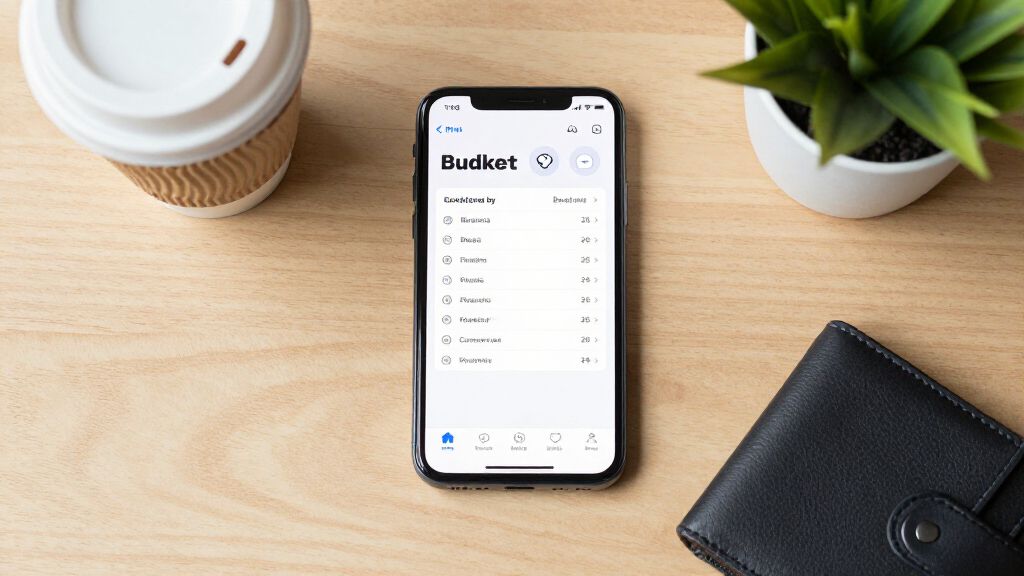
How We Picked
I evaluated every option in this roundup against five criteria that matter for someone living on a student income: cost and free-tier usefulness, setup friction, how expenses actually get recorded, flexibility for irregular income from part-time jobs and loans, and educational value for first-time budgeters. Apps that charge before they prove themselves scored poorly, because a budgeting tool that eats a student’s grocery money is failing at its one job. Books and printables were judged on actionability — how quickly a reader can turn a page into a working habit rather than a highlighted paragraph.
The ranking rewards products that do more than one job well. Money Manager – Expense Tracker, Budget App leads because it handles both tracking and budgeting without pushing users toward a subscription, while single-purpose tools like the Monthly Budget printables rank lower because they provide structure but no feedback. Smart Budgeting earns its high placement by being the fastest path from download to a functioning budget, which is what a true beginner needs most. Near-identical products were compared head-to-head, and only the stronger version of each earned its place — duplication is common in this category, and paying for the same template twice is a mistake I want readers to avoid.
| student budgeting app | Type |
|---|---|
| Budgeting Basics for Students: | — |
| Monthly Budget | Monthly budget planner/tracker |
| Budgeting & Finances | — |
| Personal Finance for Teens and | — |
| Money Manager | Mobile budgeting app |
| Smart Budgeting | Digital budgeting and financial management tool |
| Monthly Budget | Budgeting tool / template |
| Monthly Budget Planner | Budget planner |
| Budget Planner & Expense Track | Physical budget planner and expense tracker |
Factors to Consider When Choosing Student Budgeting Apps
Product reviews tell you what each option does. This guide covers the decisions that sit above any single pick: how to choose a format, when paying makes sense, and the mistakes that quietly sink most student budgets before the first month ends.
Start With the Problem, Not the Product
The nine products in this roundup solve three different problems, and buying the wrong type is the most common mistake students make. If money disappears and you genuinely do not know where it goes, you need a tracking app first, because no planner can fix a problem you cannot see. If you know exactly where it goes but cannot make it last the month, you need structure — a planner or envelope-style system that assigns every dollar a job before you spend it. If the words APR, overdraft, and credit score feel like a foreign language, start with a money-skills book, because an app will record your mistakes without teaching you to stop making them. Many students need two of the three, which is why the strongest combination in this list pairs a free tracker with a short, cheap guide. Decide which problem is yours before you compare features, because feature lists only matter once the format is right.
What a Free Tier Should Actually Include
Most students should spend nothing on a budgeting tool for at least the first month, so the quality of a free tier matters more than any paid feature list. A usable free tier includes unlimited manual expense entry, a reasonable number of custom categories, and a monthly summary showing spending against your limits. Red flags include caps on how many expenses you can log, paywalled data export, and ads that interrupt the logging flow — anything that adds friction to recording a purchase will quietly kill the habit. Some tools also ask for a card on file before the free tier works, which defeats the purpose for a student watching every dollar. Paid upgrades earn their money only when they add cross-device sync, detailed reports, or shared budgets for a house or couple. Live with the free version for three weeks, then pay only for the specific gap that actually annoyed you.
Budgeting on Irregular Student Income
Student money rarely arrives as a tidy monthly salary. Loans and grants land in large chunks at the start of term, part-time wages fluctuate with shifts, and family help can be unpredictable. Many budget tools quietly assume a fixed monthly income, and they produce nonsense when your reality is three big deposits and long gaps between them. Look for envelope or category-based systems that let you allocate a lump sum the day it arrives, or apps that allow custom budget periods instead of strict calendar months. The practical method is to divide each term’s money into a weekly allowance and judge yourself against that number, not the intimidating total. Printables and fixed monthly templates struggle here unless you adapt them, which is one reason the flexible apps outrank the rigid planners in this roundup.
Manual Entry vs Automatic Tracking
This is the real philosophical split in budget apps, and it matters more for students than for salaried users. Manual entry feels like work, but that friction is the point: typing in every coffee forces a moment of awareness that changes behavior, and it captures cash spending that no synced tool will ever see. Automatic categorization saves time and builds cleaner reports, but it can turn budgeting into passive scorekeeping you check once a month and ignore. Student spending leans heavily on cash, campus cards, and peer-to-peer payments — exactly the categories automatic systems handle worst. For a first budget, I favor manual logging for at least a month, purely for the awareness it builds. After that, an app that mixes fast manual entry with light automation, as the top pick in this roundup does, gives you the best of both approaches.
When a Paper or Printable Planner Beats an App
Phones are where money gets spent, which makes them a strange place to do your budgeting. A printable planner or budget book lives somewhere else — on a desk, in a bag — and that physical separation creates a weekly check-in ritual that apps rarely sustain. If you have abandoned two or three budgeting apps after the initial enthusiasm wore off, the problem is probably not the apps; it is the absence of a set moment where you sit down and face the numbers. Paper planners force that moment, and writing figures by hand makes overspending feel more real than a red bar on a screen. The tradeoffs are real: no automatic totals, no reminders, and no backup if you lose the page. For disciplined students, though, a cheap printable can outperform a subscription app simply because it actually gets used.
The Mistakes That Quietly Sink Student Budgets
Across this category, the same four failures show up regardless of which tool a student chooses. The first is budgeting against the full loan amount instead of a weekly limit, which makes September feel rich and December feel desperate. The second is forgetting irregular costs — textbooks, society fees, travel home, birthdays — that arrive outside the weekly rhythm and blow up careful plans. The third is setting spending limits so tight that the budget breaks by week three, after which most people stop tracking entirely; a loose budget you keep beats a strict one you abandon. The fourth is tracking without reviewing, because logging expenses changes nothing unless you look at the weekly pattern and adjust. Whatever tool you pick from this list, choose one that shows a weekly run-rate, since that single view catches drift before it becomes an overdraft.
Frequently Asked Questions
Are free budgeting apps good enough for students?
For most students, yes — and in this roundup the top overall pick earns its place partly on the strength of its free tier. A good free app covers the two jobs that matter: recording what you spend and warning you when a category is running hot. Paid upgrades typically add sync across devices, deeper reports, and nicer exports, none of which change your behavior on their own. The exception is students who need structure rather than tracking; a cheap printable planner or a short budgeting guide can be money better spent than an app subscription. Start free, learn where your budget actually breaks, and only pay for a feature that fixes a problem you have personally hit.
What is the difference between a budgeting app and a budget planner?
A budgeting app is a recording tool: it tells you what already happened and how that compares with your limits. A budget planner — whether a printable template or a physical book — is a planning tool: it forces you to decide in advance where next month’s money will go. Apps give feedback; planners give intention. Students who overspend without noticing benefit more from an app’s feedback loop, while students who know their weak spots but lack a system often do better with a planner. Several picks in this roundup, like Budget Planner & Expense Tracker, try to bridge both, which suits anyone who wants planning and tracking in a single place.
Can budgeting apps handle irregular income from part-time jobs and student loans?
Some handle it well, but many popular apps quietly assume a fixed monthly salary, and that assumption breaks for student finances. Loan disbursements arrive as large lump sums, part-time wages vary with shifts, and the gaps between deposits are rarely a neat month apart. The workaround is to pick a tool with envelope-style categories or custom budget periods, then convert each lump sum into a weekly allowance the day it lands. Fixed monthly printables can be adapted with a term-time layout, but flexible apps like Money Manager – Expense Tracker, Budget App handle uneven income with less manual math. Whatever you choose, the habit that matters most is assigning every dollar of a big deposit a job immediately, before daily spending absorbs it.
Do I need a personal finance book if I already use a budgeting app?
An app will show you the numbers; a book explains what to do about them. Most budgeting apps assume you already understand concepts like emergency funds, overdrafts, credit utilization, and sinking funds, and they will faithfully record your mistakes without correcting them. A short guide like Budgeting Basics for Students is designed to be read in a couple of sittings and turned into a first working budget, while Personal Finance for Teens and Young Adults goes wider on credit, saving, and the skills schools skip. Reading one book during your first month of tracking is the fastest way to make the app’s data actually useful. After that, the app carries the daily workload on its own.
How much should a student spend on a budgeting tool?
Ideally nothing at first, and rarely more than the cost of a couple of coffees even at the top of this list. Free tiers on the better apps cover expense logging, category budgets, and basic reports, which is everything a first budget requires. The paid options in this roundup are one-time purchases like printables and short guides rather than heavy subscriptions, so the financial risk is small either way. A sensible ceiling for a student is the price of one takeaway meal per semester — beyond that, the tool is costing money that should be going into the budget itself. Spend only after a free option has shown you a specific limitation, and buy the product that fixes exactly that.
Conclusion
If you want a single answer, Money Manager – Expense Tracker, Budget App is the best overall pick for most students: it tracks spending and enforces budget limits in one place, and its free tier is genuinely usable on a student income. If you are brand new to budgeting and want the lowest possible friction, start with Smart Budgeting, which trades advanced features for a setup you can finish before a lecture starts. If you prefer paper, the recommended Monthly Budget printable is the best value in the lineup, Monthly Budget Planner suits anyone who wants a more structured full-year layout, and Budget Planner & Expense Tracker is the strongest premium option for combining planning with tracking. If your gap is knowledge rather than tooling, Budgeting Basics for Students is the fastest crash course, and Personal Finance for Teens and Young Adults is the better long-term reference for younger students learning the money skills school never covered. Whichever route you take, the pairing that consistently makes sense is one free tracker plus one cheap guide — everything beyond that is refinement, not requirement.
Halloween Picks

DomKom 6 ft Halloween Inflatable Ghosts Roasting Marshmallows

Star Wars Yoda and R2-D2 Inflatable Halloween Decor, 6 ft with LEDs, Indoor/Outdoor

27FT Giant Inflatable Pumpkin Lighted Outdoor Halloween Decor
As an affiliate, we earn on qualifying purchases.