
📊 Full opportunity report: Build K-12 Career Readiness Through Hands-On Job Experiences on IdeaNavigator AI — validation score, market gap, and execution plan.

Get smart everyday buys delivered free with Prime
- Fast, free delivery on millions of items
- Prime Video, Amazon Music and more included
- Member-only deals all year
TL;DR

Indiana’s updated high school diploma framework includes work-based-learning hour requirements for two seals, and qualifying hours may include simulated experiences. A proposed pilot would test five employer-reviewed job simulations in three Indiana districts, but no pilot, district commitment or state approval of a particular product is confirmed.
Indiana’s updated high school diploma framework has created a potential opening for hands-on job simulations: two diploma seals require 75 or 150 work-based-learning hours, and those hours may include simulated experiences. A proposed pilot would test whether employer-reviewed simulations can give students practical exposure and help districts document hours, but there is no confirmation that districts have launched or approved such a pilot.
The proposal targets career and technical education (CTE) or work-based-learning coordinators in districts that must arrange and document student experiences. It describes a recurring placement challenge: local employers may have limited capacity to host teenagers, particularly in rural communities and in fields where work is usually office-based. Coordinators can also spend time finding placements and recording hours, while students make education and career choices with little direct experience of the work involved.
The suggested first version would include 20 role-based simulations built around real task files, with examples such as medical assisting, HVAC work, bookkeeping, logistics coordination and paralegal work. Students would complete tasks and receive a short live or asynchronous review from a local employer. The proposed platform would also provide hour logs, rubric scores and training-plan exports aligned with Indiana’s state template. These are proposed features, not a product already in use.
The concept recommends testing a smaller version first: offer five simulations for one semester to three Indiana districts that opted into the diploma early, with each experience reviewed by a local employer. The suggested measures are whether districts accept the hours toward diploma seals, whether students complete the simulations, and whether coordinators commit funding for the following school year. The plan also proposes annual district licensing priced per enrolled high school student, with paid options for simulations tailored with local employers.
Build K-12 Career Readiness Through Hands-On Job Experiences
A proposed pilot would test employer-reviewed job simulations as a way for students to explore careers and for districts to document work-based learning hours. No pilot or product approval is confirmed.
Why test job simulations?
Limited employer capacity can make placements hard to arrange, especially in rural communities and office-based fields.
Try real work tasks
Task-based experiences could help students explore careers before choosing a course pathway, apprenticeship or diploma seal.
Document learning
Hour logs and training-plan exports are proposed to support coordinators responsible for recording qualifying experiences.
What the pilot would test
The proposed small trial focuses on whether simulations work for students and fit district requirements.
Students complete role-based tasks, with a local employer review for each experience.
The proposed platform logs hours and creates records aligned with Indiana’s training-plan template.
Assess hour acceptance, student completion and whether coordinators would fund another school year.
A key requirement remains open
Simulated experiences may count, but the format and hours must be accepted through the relevant state and district processes.
- Employer check-ins tied to student tasks
- Hour logs and training-plan exports
- A trial with early-adopting districts
- Participating districts or employers
- Acceptance of hours for specific seals
- Student outcomes, savings or future funding
Testing Simulations Against Diploma Hours
The idea addresses two linked district needs: providing students with access to career experiences and producing records that satisfy diploma requirements. If districts accept employer-reviewed simulations toward the required hours, a structured program could offer an alternative when conventional placements are scarce. That may matter most for rural districts and students interested in roles that are difficult to experience through a brief workplace visit.
The key question is not simply whether students can complete realistic tasks. Indiana’s definition of work-based learning emphasizes sustained interaction with industry professionals, according to the proposal. A self-paced video or worksheet may not meet that standard on its own. The proposed employer check-in is intended to connect student work with industry feedback, but whether that format and the hours it generates qualify must be determined by the relevant state and district processes.
For schools, the pilot’s outcome would also test whether documentation tools reduce administrative work enough to justify a recurring license. For students, completion and employer feedback could indicate whether simulations provide useful exposure before they choose a course pathway, apprenticeship or diploma seal. Neither educational impact nor cost savings has yet been established.
Products Worth Considering
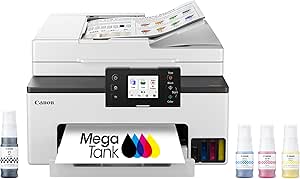
Canon MAXIFY GX2020 MegaTank Wireless All-in-One Color Inkjet Printer

HP DesignJet T650 Large Format 24‑inch Plotter Printer (5HB08T)

Dell UltraSharp U2724DE 27-Inch WQHD IPS Black Monitor
As an affiliate, we earn on qualifying purchases.
Indiana’s Diploma and Training Plan
Indiana approved a new diploma framework in December 2024. It applies to the class of 2029, and districts could opt in beginning in the 2025-26 school year. Under the framework described in the proposal, two seals require 75 or 150 hours of work-based learning; qualifying experiences may include simulated activities.
On October 6, 2026, Indiana launched a Digital Resource Hub that includes a training-plan template. The proposal says schools need a training plan for every student in qualifying work-based learning. That makes the template a practical design constraint for any simulation platform seeking district use: its records would need to fit the state’s documentation process, rather than merely report that a student finished an activity.
The suggested approach is deliberately narrow: begin with one likely buyer, the district coordinator responsible for work-based-learning documentation, and test a limited number of simulations before building a larger library. It is a proposed validation strategy, not evidence that a market, school contract or product has been secured.
Eligibility and Pilot Results Remain Open
No participating districts, employers, platform or pilot results are identified. It is not clear whether any Indiana district has agreed to test the proposal, what the simulations would cost to develop, or whether schools would purchase an annual license after a trial.
Formal treatment of simulation hours is also unresolved at the program level. The framework allows for simulated experiences, but the available details do not spell out how every format must be structured, what level of employer involvement is sufficient, or how hours would be reviewed and accepted for a particular student. Completion rates, student outcomes, coordinator workload changes and budget commitments are all proposed evaluation measures, not reported findings.
District Trials Would Test Acceptance
The next proposed step is to approach three early-adopting Indiana districts with a free, one-semester pilot covering five simulations. Each simulation would receive a review from a local employer, while the platform records student participation and produces documentation aligned with the state training-plan template.
Any trial would need to establish with districts how submitted hours are assessed and whether they can be applied toward the relevant seals. Its results would then show whether students finish the activities, whether coordinators find the records useful, and whether districts will allocate budget for a later school year. Until a pilot and its approvals are confirmed, the proposal remains a plan for testing—not a demonstrated replacement for in-person placements.
Source: IdeaNavigator AI
Key Questions
What is being proposed?
A proposed program would give students task-based job simulations, employer feedback and school documentation tools. The suggested pilot would start with five simulations in three Indiana districts for one semester.
Can simulations count toward Indiana diploma hours?
The diploma framework described in the proposal says required work-based-learning hours may include simulated experiences. Whether a particular simulation and its hours qualify depends on how the experience is structured and accepted; blanket approval of a specific program is not confirmed.
Why include an employer review?
The proposal says Indiana defines work-based learning around sustained interaction with industry professionals. A live or asynchronous employer check-in is intended to provide that interaction, though the required format and level of involvement are not established here.
Has a district pilot started?
No pilot or participating district is confirmed in the available information. Testing the idea with three early-adopting districts is a recommended next step.
How would the pilot be evaluated?
The proposed measures are whether districts accept the hours toward diploma seals, how many students complete the simulations, and whether coordinators commit budget for the next school year. No results have been reported.
Source: IdeaNavigator AI