

Decentralized platforms are definitely gaining traction in the Web3 social media space. As concerns about data privacy and user control grow, more people are seeking alternatives to traditional networks. With projections showing substantial market growth and nearly 70% of users in emerging markets wanting to try Web3 services, it’s clear that this trend isn’t slowing down. Curious about the leading platforms and how they stack up against traditional giants? Let’s explore further.
Key Takeaways
- The Web3 social media market is projected to grow from USD 7.2 billion in 2024 to USD 471 billion by 2034, indicating strong future traction.
- Increasing concerns over data privacy and user control are driving user interest and movement toward decentralized platforms.
- Nearly 70% of individuals in emerging markets express intent to use at least one Web3 service, highlighting significant adoption potential.
- Tokenized incentives and enhanced user autonomy are appealing to younger demographics, fostering engagement and participation in decentralized platforms.
- Challenges such as onboarding friction and regulatory uncertainty must be addressed for decentralized platforms to gain wider acceptance and traction.

The Future of Community: How to Leverage Web3 Technologies to Grow Your Business
As an affiliate, we earn on qualifying purchases.
As an affiliate, we earn on qualifying purchases.
Market Growth Projections for Web3 Social Media
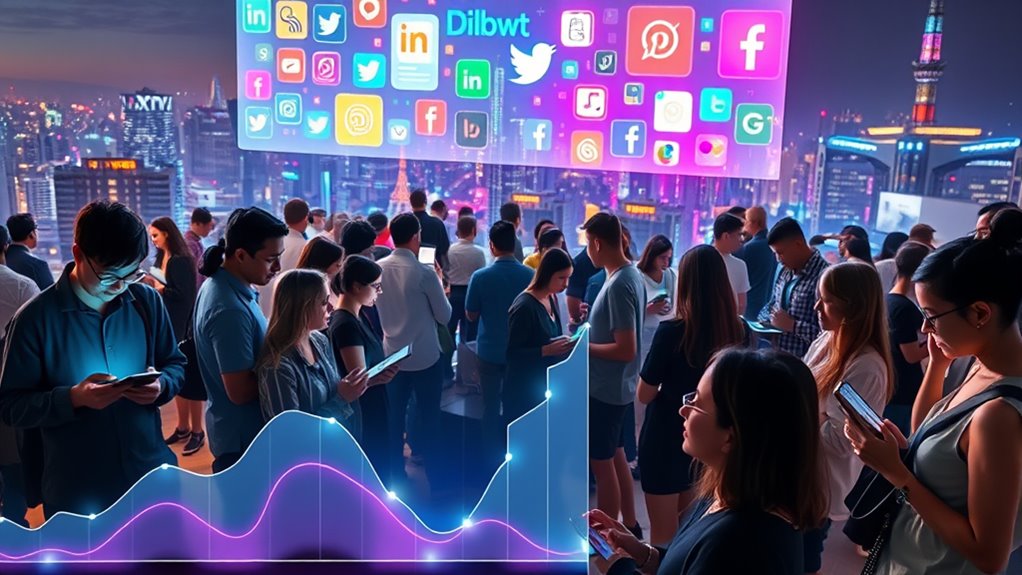
As the digital landscape evolves, the Web3 social media market is set to experience explosive growth, projected to soar from USD 7.2 billion in 2024 to a staggering USD 471 billion by 2034, with an impressive CAGR of around 51.9%. North America dominates this space, holding a 41.5% market share and generating USD 2.9 billion in revenue in 2024. The decentralized social network sector is also on the rise, expected to grow from USD 9.4 billion to USD 61.8 billion during the same period. This growth is fueled by increasing user activity and advancements in infrastructure, reflecting a growing engagement with Web3 social applications. Additionally, the integration of AI in mobile devices is projected to enhance user interactions within these platforms, further driving adoption. You’ll want to keep an eye on these trends as they unfold.

How To Use Bluesky: A Guide to Getting Started with Decentralized Social Media
As an affiliate, we earn on qualifying purchases.
As an affiliate, we earn on qualifying purchases.
User Adoption Dynamics in Emerging Markets

How is user adoption of Web3 social media shaping up in emerging markets? You’re likely to notice a significant interest, with nearly 70% of individuals in these regions planning to use at least one Web3 service. Countries like Nigeria, South Africa, and Brazil show particularly high awareness of crypto and Web3 technology, sitting at 92%. This enthusiasm is largely driven by millennials, who make up almost half of crypto buyers and sellers. Monthly active crypto addresses surged to 220 million by late 2024, indicating a thriving ecosystem. As these platforms continue to develop, you may find users increasingly drawn to the promise of ownership and control, setting the stage for a robust shift towards decentralized social media in emerging markets. Furthermore, as indoor farming technologies gain popularity, they may inspire similar innovative solutions within the Web3 space, creating new avenues for user engagement.

Spedal Webcam Autofocus with Microphone and Privacy Cover 1080p, Dual Stereo Microphones, Gaming Recording Video Web Camera for Calling, Conferencing, Live Streaming
【120° wide angle webcam with universal tripod】- This 120-degree Webcam with universal Tripod is specifically designed for Videoconferencing,…
As an affiliate, we earn on qualifying purchases.
As an affiliate, we earn on qualifying purchases.
Key Drivers Behind Decentralized Social Media Growth

With rising concerns about data privacy and user control, many are shifting away from traditional social media platforms toward decentralized alternatives. You’ll find that these platforms offer true ownership of your digital content, identities, and data, reducing the risk of exploitation by centralized entities. Tokenized incentives reward your contributions, whether you’re creating, curating, or participating in governance. Interoperability allows seamless data portability, enhancing your autonomy and preventing vendor lock-in. Additionally, decentralized platforms often incorporate privacy-enhancing technologies like encryption and zero-knowledge proofs, securing your information. As you explore these options, you’ll likely appreciate the focus on user empowerment and authenticity, reflecting a growing demand for fairer, more secure online environments. Furthermore, the integration of high refresh rates in gaming-focused decentralized platforms can provide enhanced experiences for users engaging with interactive content.

AI, Blockchain and Social Network on Urban Crisis Management: Leveraging Emerging Technologies for Disaster Response and Resilience in Smart Cities (Volume 142) (Advances in Computers, Volume 142)
As an affiliate, we earn on qualifying purchases.
As an affiliate, we earn on qualifying purchases.
Competition With Traditional Social Media Platforms

As user engagement shifts, you might notice a growing interest in privacy and control over personal data, pushing many to explore Web3 alternatives. Niche platforms are gaining traction by appealing to specific preferences, offering unique experiences that traditional giants can’t match. This evolving landscape poses a challenge for established social media, compelling them to rethink their strategies. Moreover, as users prioritize responsible consumption habits, platforms must adapt to these preferences to retain their audiences.
Shifting User Engagement Trends
While traditional social media platforms like Facebook and TikTok continue to dominate, a notable shift in user engagement trends is emerging as more people seek alternatives that prioritize privacy and user control. You might notice some key behaviors influencing this evolution:
- Users are increasingly frustrated with algorithm-driven content and censorship.
- Engagement with niche platforms, like BeReal, highlights a desire for authenticity.
- Decentralized platforms aim to offer greater ownership of content and data.
- A growing emphasis on community governance attracts users tired of centralized control.
- Younger demographics, particularly Gen Z, are exploring platforms that align with their values.
Additionally, many users are drawn to eco-friendly power solutions that support sustainable practices, reflecting a broader trend towards responsible consumption in all areas of life.
These trends illustrate a potential turning point, suggesting that Web3 social media could carve out a significant place in the digital landscape.
Privacy Concerns and Preferences
User frustration over privacy issues is driving a significant shift toward decentralized social media platforms. You’re likely tired of traditional platforms exploiting your data and controlling your online experience. Decentralized options promise greater ownership of your content and personal information, empowering you to engage without fear of surveillance or censorship. With rising concerns about data breaches and misuse, these platforms prioritize user privacy through encryption and other technologies. Unlike traditional giants, decentralized networks often reward you for your contributions, fostering a sense of community and ownership. As user preferences evolve, decentralized platforms are stepping up, aiming to create a safer, more transparent online environment where you can connect authentically. The competition with established players is heating up, and your privacy is at the forefront. Additionally, these platforms often utilize renewable energy solutions to power their operations, aligning with the values of environmentally conscious users.
Niche Platforms Rise Up
With the rise of niche platforms, competition in the social media landscape is intensifying, especially against traditional giants. Users are increasingly drawn to unique offerings that cater to specific interests, creating opportunities for decentralized platforms. Here’s what’s driving this shift:
- Tailored Experiences: Niche platforms focus on specific communities, offering more relevant content.
- User Empowerment: Decentralized models prioritize user control over data and content ownership.
- Authenticity: Many users seek genuine interactions, steering away from algorithm-driven feeds.
- Innovative Monetization: Creators benefit from tokenized rewards, fostering active participation.
- Reduced Censorship: Niche platforms often promote free expression, appealing to those frustrated with mainstream censorship.
- Payment Security: The use of advanced technology can enhance user trust in decentralized platforms by protecting payment data.
These factors position niche platforms as compelling alternatives in today’s social media market.
Leading Web3 Social Media Platforms and Their Features
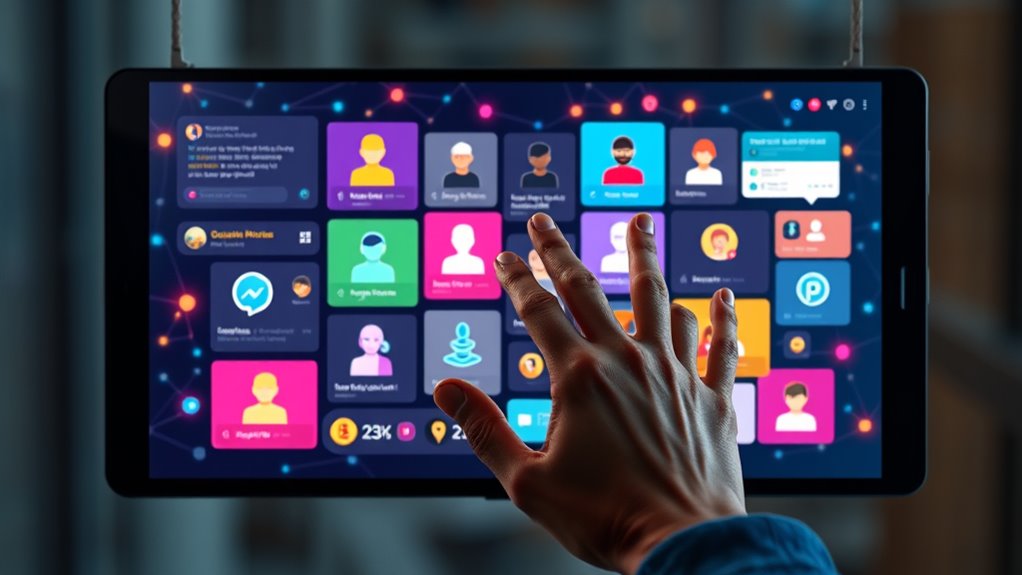
What makes leading Web3 social media platforms stand out in a crowded digital landscape? These platforms prioritize user control, content ownership, and community governance. Here’s a quick look at some of the key players and their unique features:
| Platform | Key Features | Focus Area |
|---|---|---|
| Lens Protocol | Decentralized social graph, content ownership | Creator monetization |
| Bluesky | Decentralized control, open-source design | Social networking |
| Audius | Music sharing, creator-first economy | Music and audio content |
| Mirror | Blogging, decentralized content creation | Writing and publishing |
| Mastodon | Federated model, community governance | Niche social interactions |
These platforms are leveraging blockchain and NFT technologies, providing exciting alternatives to traditional social media. Additionally, they can foster a more sustainable ecosystem in digital content creation, similar to how self-watering features enhance the growth of plants in innovative planters.
Challenges Facing Decentralized Platforms

Despite the innovative features of leading Web3 social media platforms, they face significant challenges in gaining wider traction. You might encounter these hurdles as you explore decentralized options:
- Mainstream User Education: Many users are unaware of the benefits and functionalities of Web3 platforms.
- Onboarding Friction: New users often struggle with complex setups and crypto wallets.
- Scalability Issues: Current blockchain infrastructure can hinder performance and user experience.
- Regulatory Uncertainty: Vague regulations around cryptocurrencies impact user confidence and platform stability.
- Integration with Web2: Without smooth connections to existing networks, many users may hesitate to switch.
Additionally, just as effective pimple patches target specific skin concerns, decentralized platforms must address user pain points directly to gain traction. Addressing these challenges is vital for decentralized platforms to attract a broader audience and realize their full potential.
The Role of User Experience in Adoption

As user experience plays a crucial role in the adoption of Web3 social media platforms, enhancing usability can markedly influence how quickly individuals shift from traditional networks. You want a seamless experience, where navigation feels intuitive and engaging. If you struggle to understand how to interact with decentralized features, you’re less likely to stick around. Effective onboarding processes, clear guides, and responsive support can make all the difference. Additionally, integrating familiar design elements from traditional platforms can ease the transition. By prioritizing user-centric design, Web3 platforms can foster a sense of community and empowerment. Ultimately, a positive user experience isn’t just about aesthetics; it’s about building trust and encouraging you to explore the possibilities of decentralized social media. Furthermore, the success of platforms often hinges on financial success derived from strategic investments and branding.
Future Outlook for Web3 Social Media Growth

While the landscape of social media continues to evolve, the future of Web3 social media growth looks promising, driven by increasing user demand for privacy, control, and innovative monetization models. You can expect several key trends to shape this growth:
The future of Web3 social media is bright, fueled by user demand for privacy, control, and new monetization opportunities.
- A surge in user adoption, especially in emerging markets.
- Enhanced data privacy and user autonomy on decentralized platforms.
- Tokenized incentives that reward participation and content creation.
- Interoperability allowing seamless passage between platforms.
- An ongoing shift away from traditional platforms due to user dissatisfaction.
As these factors converge, Web3 social media could redefine how you engage online, offering new opportunities for creators and users alike while prioritizing your rights and interests.
Frequently Asked Questions
How Do Decentralized Platforms Ensure User Data Privacy?
Decentralized platforms guarantee your data privacy by using advanced technologies like encryption and zero-knowledge proofs. You own your digital content and identities, reducing the risk of exploitation by centralized entities. These platforms empower you with control over your data, allowing seamless portability without vendor lock-in. Additionally, tokenized incentives encourage responsible data sharing, ensuring a secure and rewarding experience as you engage in online communities and contribute to content creation.
What Are the Monetization Models for Creators on Web3 Platforms?
Think of monetization models on Web3 platforms as a treasure map leading to hidden gold. Creators can earn through tokenized incentives, where they receive cryptocurrencies for content creation and curation. Many platforms also offer direct payments from fans via tips or subscriptions, fostering community support. Additionally, creators can sell NFTs representing their work, allowing them to retain ownership and earn a share on future sales. This empowers you to reap rewards directly from your creativity.
How Do Web3 Platforms Handle Regulatory Compliance Issues?
Web3 platforms tackle regulatory compliance by incorporating legal frameworks and adhering to regional laws. They often implement KYC (Know Your Customer) processes to verify user identities while ensuring data privacy. By using decentralized governance, they empower users to participate in decision-making, aligning with regulations. Additionally, many platforms actively engage with regulators to navigate challenges, ensuring compliance without sacrificing the core principles of decentralization and user control. This proactive approach fosters trust and sustainability.
What Technological Advancements Are Needed for Broader Adoption?
To spread like wildfire, Web3 platforms need robust scalability, seamless user experiences, and intuitive interfaces. Think of them as bridges connecting you to a vibrant digital landscape. They must integrate with existing systems, making navigation smooth and familiar. Enhanced security features will safeguard your data, while interoperability across platforms ensures you carry your digital identity wherever you go. By embracing these advancements, you’ll help facilitate a new era of online freedom and ownership.
How Can Traditional Platforms Respond to the Rise of Web3?
Traditional platforms can respond to the rise of Web3 by enhancing user privacy and data control, adopting decentralized features, and improving monetization models for creators. They should prioritize transparency and community engagement to rebuild trust. By integrating Web3 elements, like token rewards or decentralized governance, they can attract users seeking autonomy. Additionally, investing in user education about these changes will help bridge the gap between centralized and decentralized networks, fostering smoother shifts.
Conclusion
So, as you scroll through your feed of perfectly curated selfies and sponsored posts, just imagine a world where you’re the master of your own data—sounds dreamy, right? Web3 social media promises to put the power back in your hands, away from those pesky algorithms. But hey, who needs privacy when you can have endless cat videos? Just remember, the next time you share your life online, it might be worth considering if you’re really in control—or just another data point.