
Yes, crypto can be sustainable! By utilizing renewable energy sources and innovative practices, Bitcoin mining can align with ESG principles. Miners are increasingly adopting green energy like solar and wind, which markedly reduces carbon footprints. Additionally, investments in sustainable mining operations are on the rise. If you’re looking to incorporate Bitcoin into your ESG portfolio, there are various strategies available that align with ethical investing, creating a brighter future for both crypto and the environment.
Key Takeaways
- Bitcoin mining can become sustainable by increasing the use of renewable energy sources like solar, wind, and hydroelectric power.
- Ethical investments in crypto, such as Bitcoin IRAs, can support companies committed to sustainability and ESG principles.
- Utilizing waste energy, like landfill methane, for mining operations reduces the carbon footprint of Bitcoin.
- Transparency and regulatory clarity are essential for verifying genuine ESG commitments in the cryptocurrency industry.
- Investing in renewable-powered miners and firms with sustainability goals enhances the eco-friendliness of crypto investments.
Bitcoin IRA with renewable energy
As an affiliate, we earn on qualifying purchases.
As an affiliate, we earn on qualifying purchases.
Understanding Bitcoin’s Energy Consumption

While you might appreciate the innovative nature of Bitcoin, understanding its energy consumption is vital. Bitcoin operates on a proof-of-work system, which demands significant electricity for mining activities. This energy-intensive process relies on high transaction volumes and intricate calculations, leading to substantial power usage. Many mining operations depend on fossil fuels, contributing to their carbon footprint. However, there’s potential for improvement. Innovations like capturing methane emissions for energy and utilizing renewable resources can help mitigate Bitcoin’s environmental impact. By co-locating mining with clean energy sources, you can support a shift toward more sustainable practices. Ultimately, recognizing Bitcoin’s energy dynamics is essential for informed investing and promoting a greener future in the cryptocurrency landscape.

NerdMiner V2 Pro 250K – Bitcoin Lottery Miner for Solo Mining, Crypto Mining Hardware for BTC Block Rewards, Low Power USB Miner Alternative, Plug & Play Mini BTC Miner for Beginners
1. Next-Gen Bitcoin Lottery Miner for Solo Mining Designed for BTC enthusiasts, the NerdMiner V2 Pro 250K lets…
As an affiliate, we earn on qualifying purchases.
As an affiliate, we earn on qualifying purchases.
The Environmental Impact of Bitcoin Mining
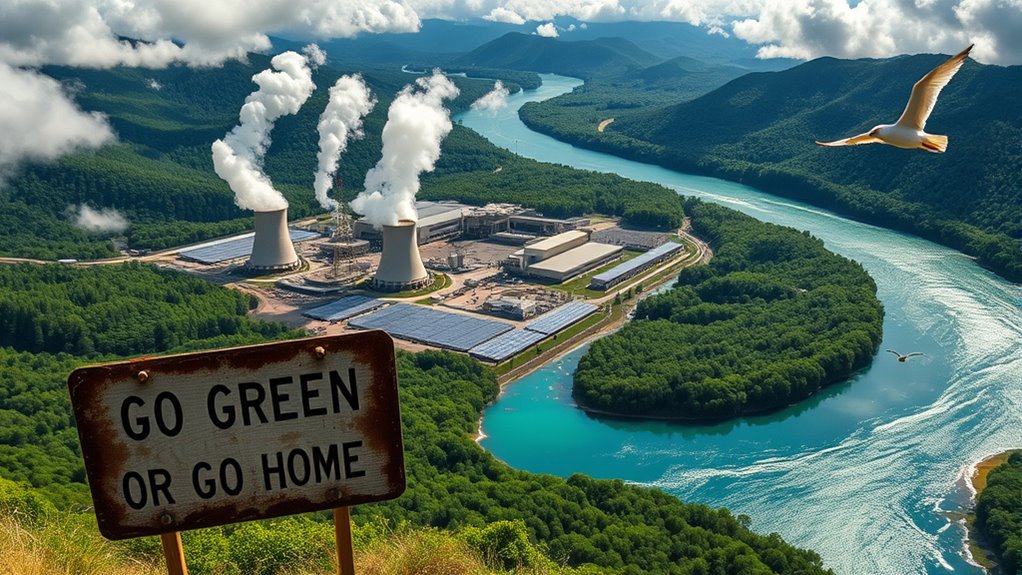
When you consider Bitcoin mining, energy consumption is a major concern that can’t be ignored. However, there’s a growing push to integrate renewable energy sources, which can help mitigate its environmental impact. By exploring these innovations, you can better understand how Bitcoin might align with sustainability goals. Additionally, the use of renewable energy sources for mining operations can significantly reduce carbon emissions associated with traditional energy consumption.
Energy Consumption Concerns
As Bitcoin mining continues to grow, its energy consumption raises significant environmental concerns that can’t be overlooked. You might be surprised to learn that Bitcoin’s proof-of-work model requires vast amounts of electricity, leading to considerable carbon emissions. Many mining operations rely heavily on fossil fuels, exacerbating the negative environmental impact. Research from the United Nations highlights the substantial carbon, water, and land footprints associated with Bitcoin mining. While some innovations aim to mitigate these issues, such as using waste energy, the overall effect remains troubling. If you’re considering integrating Bitcoin into your investment portfolio, it’s vital to evaluate its energy use and environmental consequences carefully. A sustainable approach is essential for a positive impact on both your investments and the planet. Additionally, fostering active listening and empathy in discussions about sustainability can help promote more responsible investing choices.
Renewable Energy Integration
The environmental impact of Bitcoin mining often sparks debate, especially regarding its energy consumption. However, integrating renewable energy into mining operations can greatly mitigate these concerns. By utilizing underused energy resources, such as solar, wind, or geothermal power, miners can reduce their reliance on fossil fuels. For instance, countries like Iceland showcase how cheap geothermal and hydroelectric energy can power mining, proving that sustainability and profitability can coexist. Furthermore, innovative practices like capturing methane emissions for electricity generation illustrate the potential for cleaner mining methods. As you consider Bitcoin investments, look for mining operations committed to renewable energy integration, which can enhance the sustainability of your portfolio and align with ethical investing principles. Additionally, incorporating ethical hacking practices can help ensure that mining operations remain secure and resilient against cyber threats, further supporting sustainable growth in the crypto space.

Mining Rig Frame for 12GPU, Steel Open Air Miner Mining Frame Rig Case, Support to Dual Power Supply for Crypto Coin Currency Bitcoin ETH ETC ZEC Mining Tools – Frame Only, Fans & GPU is not Included
SLOT – 6/8/12 GPU slots, support 2 ATX power supplies.
As an affiliate, we earn on qualifying purchases.
As an affiliate, we earn on qualifying purchases.
ESG Investing and Its Relevance to Bitcoin

When considering your investments, it’s vital to understand how ESG criteria apply to Bitcoin. While Bitcoin’s energy consumption raises environmental concerns, innovations in mining practices show potential for sustainability. By evaluating these factors, you can make informed decisions that align with both your financial goals and ethical values. Additionally, exploring sustainable mining practices can reveal ways to minimize the environmental impact of cryptocurrency investments.
ESG Criteria Application
While Bitcoin’s energy-intensive nature often raises concerns, it can still align with ESG investing principles when approached thoughtfully. You might consider how Bitcoin supports renewable energy initiatives, as many miners are increasingly utilizing green energy sources. This not only reduces emissions but also fosters a decentralized governance model that aligns with social responsibility. Additionally, by investing in Bitcoin, you can encourage innovation in capturing methane emissions for energy generation. However, the challenge lies in verifying genuine ESG commitments within the crypto space. Conducting deep research is vital to guarantee that your investments genuinely reflect your ethical values. Ultimately, Bitcoin’s integration into ESG portfolios can promote sustainable practices while providing financial returns. Moreover, the rise of renewable energy sources in mining operations signifies a shift towards more eco-friendly practices within the cryptocurrency industry.
Bitcoin’s Environmental Considerations
Although Bitcoin’s environmental impact raises significant concerns, it also presents unique opportunities for aligning with ESG investing principles. You’ll find that Bitcoin mining can integrate with renewable energy sources, reducing its carbon footprint. For instance, in places like Iceland, miners harness geothermal and hydroelectric power, demonstrating a commitment to sustainability. Additionally, innovative practices, such as capturing methane emissions for energy, can further lower environmental harm. However, challenges persist, including the need for transparent climate reporting and genuine ESG commitments. As an investor, focusing on Bitcoin’s potential to support renewable energy initiatives can help you align your portfolio with ethical values while addressing its environmental considerations. Embracing this dual approach may offer a path toward more sustainable crypto investments. Furthermore, leveraging innovative practices in energy sourcing can significantly enhance Bitcoin’s sustainability profile.
eco-friendly crypto investment funds
As an affiliate, we earn on qualifying purchases.
As an affiliate, we earn on qualifying purchases.
Cryptocurrency IRAs and Ethical Investment

As investors seek to align their portfolios with ethical values, cryptocurrency IRAs are emerging as a compelling option that combines the potential for growth with a commitment to social responsibility. You can take advantage of self-directed IRAs to invest in digital assets that support environmental and social initiatives. This allows you to diversify while adhering to your ethical standards. Additionally, integrating ESG Funds into your investment strategy can enhance your commitment to socially responsible practices.
| Investment Type | Ethical Focus |
|---|---|
| ESG Funds | Environmental, Social, Governance |
| Crypto Assets | Renewable Energy, Financial Inclusion |
| Stocks | Diversity, Labor Rights |
| ETFs | Climate Change Mitigation |
Innovations in Sustainable Bitcoin Mining

As you explore innovations in sustainable Bitcoin mining, you’ll find that integrating renewable energy sources is key to reducing its environmental impact. By harnessing waste energy, like methane capture, miners can markedly lower their carbon footprints while maintaining efficiency. This shift not only supports a greener future but also highlights the potential for Bitcoin to coexist with sustainable energy practices.
Renewable Energy Integration
While Bitcoin mining has garnered criticism for its energy consumption, innovative approaches are paving the way for a more sustainable future through renewable energy integration. By harnessing resources like solar, wind, and hydroelectric power, miners can markedly reduce their carbon footprint. Many operations are now co-locating with renewable energy sources, taking advantage of excess capacity and driving investment in green technologies. For instance, in Iceland, Bitcoin miners benefit from abundant geothermal and hydroelectric energy, showcasing how renewable integration can bolster both the crypto economy and local communities. Adopting these sustainable practices not only addresses environmental concerns but also positions Bitcoin as a forward-thinking asset in the evolving landscape of responsible investing. Additionally, overconsumption of seeds can serve as a reminder of the importance of sustainable resource management in all sectors, including cryptocurrency.
Waste Energy Utilization
How can Bitcoin mining transform its environmental impact through waste energy utilization? By harnessing waste energy, such as methane from landfills or excess heat from industrial processes, you can considerably reduce Bitcoin mining’s carbon footprint. These innovations let miners tap into underused energy sources, turning potential waste into valuable electricity for mining operations. For instance, capturing methane not only generates energy but also mitigates harmful emissions. This approach encourages the co-location of mining facilities with renewable energy sources, enhancing sustainability. As more miners adopt these practices, Bitcoin could shift toward a greener future. Embracing waste energy utilization isn’t just beneficial for the environment; it also positions Bitcoin as a leader in the push for sustainable energy solutions in the cryptocurrency world. Additionally, using portable power stations for mining operations can further enhance energy efficiency and sustainability.
Challenges Facing Bitcoin in ESG Frameworks

Although Bitcoin holds promise for integration into ESG frameworks, it faces significant challenges that complicate its acceptance as a sustainable investment. One major hurdle is its energy-intensive proof-of-work process, which leads to high carbon emissions. Many mining operations still rely on fossil fuels, raising concerns about environmental impact. Additionally, the lack of standardized ESG reporting in the crypto space makes it difficult for you to assess Bitcoin’s sustainability credibly. Critics argue that its energy consumption undermines climate goals, and verifying genuine ESG commitments can be a formidable task. As you navigate these challenges, transparency and regulatory clarity will be vital for Bitcoin’s future in sustainable investing, demanding innovative solutions and accountable practices from the crypto industry. Furthermore, mindful living encourages a shift towards responsible consumption habits that could influence how cryptocurrencies are perceived in relation to sustainability efforts.
The Future of ESG and Crypto Investments

As the demand for sustainable investment options grows, the future of ESG and crypto investments looks increasingly promising. You’ll find more opportunities to align your financial goals with ethical values as innovations in mining practices emerge. By integrating renewable energy sources, Bitcoin can become a viable option within ESG portfolios. Enhanced climate disclosures and carbon management strategies are gaining traction, making it easier for you to assess the sustainability of your investments. As regulatory clarity improves, you can confidently explore self-directed IRAs that include cryptocurrencies committed to social responsibility. This evolving landscape encourages you to embrace the potential of crypto while prioritizing environmental and social governance, ultimately fostering a more sustainable financial future.
Regulatory Trends Affecting Bitcoin Mining

The evolving landscape of ESG and crypto investments sets the stage for significant regulatory trends affecting Bitcoin mining. Governments worldwide are increasingly scrutinizing the environmental impact of Bitcoin mining, leading to stricter regulations. You might find that some jurisdictions are imposing limits on energy consumption or requiring miners to use renewable energy sources. These regulations aim to reduce the carbon footprint associated with mining activities. Additionally, transparency requirements are evolving, pushing miners to disclose their energy sources and emissions. As an investor, staying informed about these regulatory changes is vital. They could affect the viability and sustainability of your Bitcoin investments. Ultimately, embracing compliance can enhance Bitcoin’s reputation within the ESG framework and drive innovation in cleaner mining technologies.
Strategies for Sustainable Bitcoin Investment

To invest sustainably in Bitcoin, you should focus on strategies that prioritize renewable energy and transparent practices. Start by researching mining operations powered by renewable resources, like wind or solar energy. Look for projects that utilize waste energy, such as methane capture, to minimize environmental impact. Additionally, consider investing in Bitcoin firms that commit to clear climate reporting and sustainability goals. Diversifying your investments within self-directed IRAs can also help align your financial choices with your values. Stay informed about regulatory changes and technological advancements that promote green mining practices. By choosing investments that emphasize sustainability, you can contribute to a more eco-friendly Bitcoin ecosystem while potentially enhancing your financial returns.
Assessing the Long-Term Viability of Bitcoin in ESG Portfolios
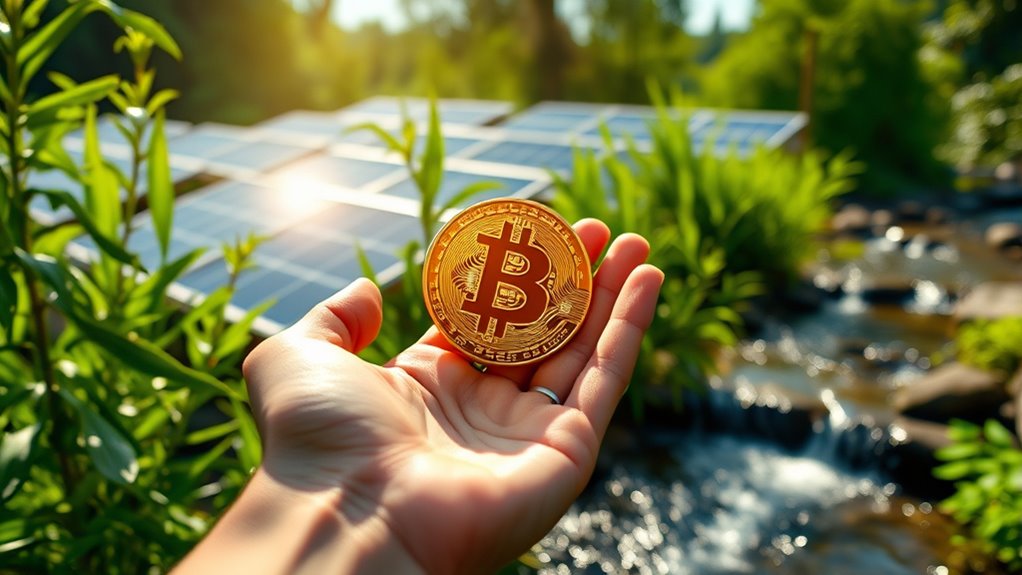
While many investors are drawn to Bitcoin for its potential returns, evaluating its long-term viability in ESG portfolios requires a careful examination of its environmental impact and alignment with sustainable practices. You need to contemplate Bitcoin’s energy-intensive proof-of-work mechanism, which raises concerns about carbon emissions and fossil fuel reliance. However, innovative mining practices, such as co-locating with renewable energy sources, show promise for reducing its environmental footprint. Additionally, Bitcoin can enhance financial inclusion and decentralized governance, aligning with broader ESG goals. Ultimately, your assessment should weigh the challenges against the potential for Bitcoin to contribute positively to sustainability, ensuring that any investment aligns with your ethical values and long-term financial objectives.
Frequently Asked Questions
How Does Bitcoin Mining Affect Local Communities Economically?
Bitcoin mining can profoundly impact local economies by creating jobs and stimulating investment. As miners set up operations, they often require local resources and services, boosting business for suppliers. You might see improvements in infrastructure, like roads and power supplies, as companies invest in the area. However, this comes with challenges, such as increased electricity demand and potential environmental concerns, which can affect community well-being and resource availability.
What Are the Best Practices for Verifying Bitcoin’s ESG Claims?
Verifying Bitcoin’s ESG claims is like steering through a complex maze; it requires thorough research. You should start by examining the mining operation’s energy sources, making sure they utilize renewables. Look for transparent reporting on carbon emissions and waste management practices. Engage with third-party audits to validate claims, and consider the broader social impacts of mining activities. Finally, keep an eye on regulatory compliance to guarantee the claims align with evolving ESG standards in the crypto space.
How Do Regulatory Changes Impact Bitcoin Investment Strategies?
Regulatory changes can markedly impact your Bitcoin investment strategies. When new laws are introduced, they might affect how you trade or hold Bitcoin, influencing tax implications and compliance requirements. You’ll need to stay informed about regulations that could restrict or promote Bitcoin usage. Adapting your strategy to align with these changes can help you minimize risks and maximize opportunities, ensuring your investments remain compliant and strategically sound in a shifting landscape.
Can Bitcoin Mining Coexist With Wildlife Conservation Efforts?
Yes, Bitcoin mining can coexist with wildlife conservation efforts if done thoughtfully. By placing mining operations near renewable energy sources, you can minimize environmental impact and reduce habitat disruption. Implementing responsible practices, such as avoiding ecologically sensitive areas, helps mitigate risks to wildlife. Additionally, innovations like waste energy capture can further support conservation goals. Your investment in sustainable mining practices can promote both technological advancement and wildlife preservation, creating a balance between industry and nature.
What Role Do Investors Play in Promoting Sustainable Bitcoin Practices?
You play a vital role in promoting sustainable Bitcoin practices by choosing investments that prioritize environmental responsibility. By supporting miners who utilize renewable energy and innovative technologies, you can drive demand for greener operations. Additionally, advocating for transparency and accountability in crypto firms encourages better environmental reporting. Engaging in discussions about sustainability within the crypto community helps spread awareness, ultimately influencing the industry’s shift toward more eco-friendly practices. Your choices matter!
Conclusion
In summary, while Bitcoin’s energy consumption raises environmental concerns, innovative solutions are emerging to make it more sustainable. For instance, about 56% of Bitcoin mining now uses renewable energy sources, highlighting a shift toward greener practices. As you explore cryptocurrency IRAs, consider how these investments can align with your values. By staying informed about ESG trends and sustainable mining innovations, you can make a more responsible choice in the evolving landscape of digital assets.