
When deciding between Bitcoin mining stocks and holding Bitcoin in your IRA, consider factors like access, tax treatment, and risk. Mining stocks could offer quicker returns in bullish markets, but they come with operational risks. Direct Bitcoin ownership through a self-directed IRA provides exposure to price movements but involves complex liquidation processes. Each option has unique advantages, so weighing your investment horizon and risk tolerance is essential. Stick around to uncover more insights on optimizing your strategy.
Key Takeaways
- Direct Bitcoin holdings in an IRA offer full exposure to market price movements, while mining stocks carry operational risks affecting performance.
- Bitcoin ETFs provide daily liquidity and easier trading, whereas direct Bitcoin in IRAs involves complex liquidation processes.
- Tax implications differ; Bitcoin IRAs may allow tax-deductible contributions, while mining stocks are subject to capital gains taxes upon sale.
- Mining stocks can yield quicker returns in bullish markets, but direct Bitcoin investments are better suited for long-term appreciation.
- Diversifying between Bitcoin and mining stocks can optimize potential returns while mitigating risks associated with each investment type.

Investing in Bitcoin Mining Stocks
As an affiliate, we earn on qualifying purchases.
As an affiliate, we earn on qualifying purchases.
Access & Custody Options
When considering access and custody options for Bitcoin in your IRA, it’s crucial to understand the differences between traditional and self-directed IRAs. Traditional IRA providers don’t allow direct Bitcoin ownership, limiting you to crypto ETFs and funds. On the other hand, self-directed IRAs enable direct custody of Bitcoin, though you’ll need IRS-approved custodians and must conduct due diligence on security and compliance. While holding Bitcoin ETFs is straightforward, it means you won’t own the asset directly. If you prefer true ownership, physical Bitcoin IRAs provide private keys but require specialized custodial solutions. Alternatively, no-key-control IRAs simplify management by delegating custody to third parties, though this means sacrificing direct control over your assets. Additionally, understanding regulatory compliance is essential to ensure your investments are protected and adhere to applicable laws.
Bitcoin IRA custodian services
As an affiliate, we earn on qualifying purchases.
As an affiliate, we earn on qualifying purchases.
Tax Treatment of Bitcoin Investments
When it comes to tax treatment, understand that Bitcoin ETFs in your IRA are taxed differently than direct Bitcoin holdings. While ETFs are treated as securities, direct investments can lead to unique tax implications upon liquidation. You’ll want to stay informed about these differences to optimize your investment strategy. Additionally, it’s important to be aware of the average cost per flush associated with your investments, as unexpected expenses can impact your overall financial plan.
Tax Implications of ETFs
Although Bitcoin ETFs provide a convenient way to gain exposure to cryptocurrency within an IRA, they come with distinct tax implications that differ from direct Bitcoin holdings. When you invest in a Bitcoin ETF, it’s taxed as a security, meaning wash sale rules may apply. This is different from the treatment of direct Bitcoin investments. If you contribute Bitcoin to a traditional IRA, those contributions are tax-deductible, but withdrawals in retirement are taxed as income. For a Roth IRA, you’ll face taxes upon contribution, while qualified withdrawals, including gains, are tax-free. Remember, while crypto IRA providers usually handle tax reporting, you’re ultimately responsible for compliance, so keep accurate records. Additionally, consider that investing in cryptocurrency can carry risks similar to temporary effects seen with cosmetic products, such as eye patches, that provide short-lived benefits.
Direct Holdings Tax Considerations
If you choose to hold Bitcoin directly in your IRA, you’ll encounter unique tax considerations that differ from traditional investment vehicles. Unlike Bitcoin ETFs, which are taxed as securities, your direct Bitcoin holdings will likely face different tax implications upon liquidation or distribution, depending on IRS guidance. Generally, contributions to a traditional IRA with Bitcoin can be tax-deductible, while Roth IRA contributions aren’t, but qualified withdrawals are tax-free. Keep in mind that crypto IRA providers often handle tax reporting, yet you remain responsible for compliance. This means you should stay informed about regulations to avoid potential pitfalls and ensure proper tax treatment for your investments. Planning ahead can save you headaches during tax season. Additionally, understanding the risks associated with emotional fulfillment in investment decisions can further enhance your financial strategy.
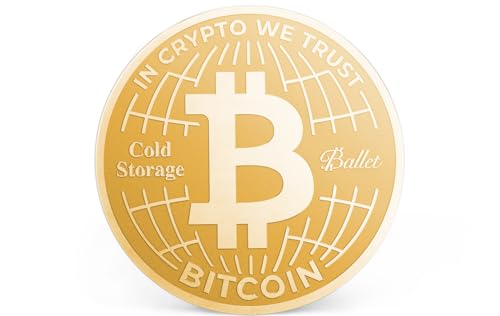
Bitcoin Cold Storage Coin – Ballet 24K Gold-Plated Physical BTC Wallet, No Electronics, No Seed Phrase, No PIN or Password, Works with Ballet Crypto App
24K GOLD-PLATED BITCOIN COLD STORAGE COIN – A premium physical BTC wallet coin designed for offline self-custody, long-term…
As an affiliate, we earn on qualifying purchases.
As an affiliate, we earn on qualifying purchases.
Assessing Volatility & Risk

While both Bitcoin and mining stocks exhibit high volatility, understanding their distinct risk profiles is essential for making informed investment decisions. Here are some key considerations:
- Mining stocks can amplify your exposure to Bitcoin’s price, but they also carry operational risks and equity market sentiment influences.
- Direct Bitcoin holdings face pure cryptocurrency market risk, without the added risks tied to company performance.
- Both assets have historically experienced extreme price swings, necessitating a long-term investment strategy to weather volatility.
- Diversifying within a crypto IRA can mitigate risks, but beware of concentration risk if Bitcoin dominates your portfolio.
- Additionally, ethical considerations in AI technology can impact the development of tools that monitor and analyze cryptocurrency markets, influencing investor decisions.

Bitcoin ETFs: The Path to Everyday Crypto Use : How Bitcoin ETFs Are Reshaping Institutional Investment, Mass Adoption & the Future of Crypto
As an affiliate, we earn on qualifying purchases.
As an affiliate, we earn on qualifying purchases.
Liquidity & Flexibility Considerations

When considering liquidity and flexibility, Bitcoin ETFs in IRAs offer daily trading benefits similar to traditional securities, making them easy to buy or sell. In contrast, direct Bitcoin holdings in a self-directed IRA can involve more complex liquidation processes due to custodial requirements. Mining stocks, trading on traditional exchanges, provide quick access to your investment but come with their own set of market risks. Additionally, understanding the trading benefits of Bitcoin ETFs can help investors make informed decisions regarding their investment strategies.
Daily Liquidity Benefits
Although investing in Bitcoin directly through a self-directed IRA can offer unique advantages, the daily liquidity benefits of Bitcoin ETFs in IRAs can’t be overlooked. With Bitcoin ETFs, you enjoy the ability to buy and sell shares easily, making it simpler to react to market changes. Here are some key liquidity benefits:
- Daily Trading: Bitcoin ETFs trade like traditional stocks, allowing for quick transactions during market hours.
- Instant Access: You can access your funds without lengthy liquidation processes associated with direct Bitcoin holdings.
- Reduced Complexity: No need to manage custody arrangements or deal with security concerns.
- Flexibility: Easily shift your investment strategy based on market conditions without significant delays.
- Color accuracy is crucial in ensuring that any visual representations of your investment data are sharp and clear, enhancing your overall experience.
These features make Bitcoin ETFs an attractive option for investors seeking liquidity.
Custodial Complexity Issues
Managing custodial complexities can complicate your ability to manage Bitcoin directly within a self-directed IRA. While direct ownership offers benefits, it also means you need to work with IRS-approved custodians, which can slow down liquidation processes. Unlike Bitcoin ETFs, which provide daily liquidity, your Bitcoin holdings may face delays due to custodial requirements. Mining stocks, traded on traditional exchanges, offer quick entry and exit, making them more adaptable in volatile markets. Additionally, transferring assets between custodians or converting crypto to fiat can lead to fees and further complications. If you value liquidity and flexibility, weighing these custodial challenges against the potential benefits of direct Bitcoin ownership is vital for your investment strategy. Furthermore, understanding necessary cookies can enhance your experience when navigating these investment platforms.
Evaluating Potential Returns

Evaluating potential returns is essential for investors weighing Bitcoin mining stocks against direct Bitcoin holdings in an IRA. Both options carry unique risks and rewards, impacting your investment strategy. Consider these factors:
- Mining stocks may outperform Bitcoin in bullish markets due to operational leverage but can underperform during downturns.
- Direct Bitcoin holdings capture 100% of price movements, free from company-specific risks.
- Bitcoin ETFs might slightly underperform spot Bitcoin because of management fees.
- Historical data shows Bitcoin’s impressive growth, but past performance doesn’t guarantee future success. Furthermore, AI technology integration in various sectors can also influence market dynamics and investor sentiment.
Diversification Strategies

When considering diversification strategies for your IRA, it is crucial to balance your exposure between Bitcoin and mining stocks to optimize your portfolio’s potential. By incorporating both asset types, you can mitigate risks associated with each. Mining stocks can offer operational leverage, benefiting during bullish market phases, while direct Bitcoin holdings provide a pure play on the cryptocurrency. You might also explore self-directed IRAs, allowing you to mix Bitcoin, altcoins, and mining stocks for a tailored approach. This strategy enables you to harness the volatility of both markets while reducing concentration risk. Additionally, ensuring that you have a solid safety checklist can help protect your investments from unforeseen market fluctuations. Just remember, a well-diversified portfolio can help you navigate the unpredictable nature of cryptocurrency investments more effectively.
Comparing Investment Horizons

As you consider your investment horizon, understanding the differing timeframes for Bitcoin holdings versus mining stocks can considerably impact your strategy. Here’s what to keep in mind:
- Bitcoin holdings often require a long-term view, as you’ll want to ride out volatility and potential price swings.
- Mining stocks can provide quicker returns during bullish phases, but they’re also subject to operational risks and market sentiment.
- If you’re looking for short-term gains, mining stocks may be more appealing, while Bitcoin is generally better for long-term appreciation.
- Diversification between the two can balance risk and potential returns, allowing you to adapt to changing market conditions.
Making an Informed Decision

Choosing between Bitcoin mining stocks and holding Bitcoin in your IRA requires a strategic approach tailored to your investment goals. First, consider your risk tolerance. Bitcoin’s volatility can impact both options, but mining stocks introduce additional operational risks. Evaluate liquidity needs, as Bitcoin ETFs offer daily access, while direct Bitcoin may involve complex liquidation processes. Also, think about tax implications; Bitcoin held directly in an IRA can face unique complexities compared to ETFs. Diversification is another key factor; mining stocks can provide exposure beyond crypto, while direct Bitcoin represents a pure cryptocurrency investment. Ultimately, weigh potential returns against these variables to make an informed decision that aligns with your long-term financial strategy.
Frequently Asked Questions
How Do Bitcoin Mining Stocks Correlate With Bitcoin’s Price Movements?
Bitcoin mining stocks often correlate with Bitcoin’s price movements, but not perfectly. When Bitcoin’s price rises, mining stocks typically benefit due to increased profitability, amplifying gains. Conversely, if Bitcoin’s price drops, mining stocks may suffer more due to operational costs and market sentiment. You’ll notice that while these stocks can provide leveraged exposure to Bitcoin’s price, they also carry unique risks tied to the companies’ operational performance and market dynamics.
What Are the Fees Associated With Investing in Bitcoin ETFS?
When you invest in Bitcoin ETFs, you’ll typically encounter management fees, which can range from 0.5% to 2% annually. These fees cover operational costs and affect your overall returns. Additionally, trading commissions may apply when you buy or sell shares, depending on your brokerage. Keep in mind that some ETFs can have expense ratios that slightly underperform Bitcoin’s price movements due to these costs, impacting your investment’s growth potential.
Can I Transfer Bitcoin From an IRA to My Personal Wallet?
Yes, you can transfer Bitcoin from an IRA to your personal wallet, but it’s essential to follow IRS rules. If you have a self-directed IRA that allows direct Bitcoin ownership, you’ll initiate a transfer through your custodian. Keep in mind that this action might trigger tax implications, especially if it’s not a qualified distribution. Always consult with a tax professional to understand the consequences before proceeding with the transfer.
Are There Minimum Investment Requirements for Bitcoin IRAS?
Ah, the allure of a golden opportunity! You’ll find that many Bitcoin IRA providers have varying minimum investment requirements, often ranging from a few hundred to several thousand dollars. It’s wise to shop around and compare different custodians, as each has its own stipulations. Keep in mind that some may charge setup or management fees that could influence your initial investment strategy. Always read the fine print before diving in!
What Happens to My Bitcoin Investments if a Custodian Goes Bankrupt?
If your custodian goes bankrupt, it can complicate access to your Bitcoin investments. Typically, you still own the Bitcoin, but retrieving it might become difficult or delayed. Depending on the custodian’s structure, you may need to work through legal processes to reclaim your assets. Choosing a reputable custodian with strong financial health and insurance can help mitigate these risks, ensuring better protection for your investments in case of bankruptcy.
Conclusion
In the end, whether you choose bitcoin mining stocks or hold bitcoin in your IRA, it’s all about your investment style. Imagine watching the sunrise while sipping coffee, knowing your assets are working for you. Mining stocks might offer growth potential, but holding bitcoin provides direct ownership. It’s like choosing between a steady stream of income or a rollercoaster ride—both have their thrills, so weigh your options and pick the path that feels right for you.