

To avoid a mess during tax season, set up a dedicated digital folder or physical binder for all your crypto transactions. Organize documents by date, wallet, or exchange, and keep backup copies in secure locations. Regularly update your records with recent activity, including receipts and statements. Use clear, consistent categories for easy reference, and stay informed about regulations. If you keep things tidy now, you’ll find it much easier to file taxes accurately—more tips ahead will make the process even smoother.

Get smart everyday buys delivered free — and shop member deals
- Fast, free delivery on millions of items
- Access to Prime Big Deal Days deals on October 6–7
- Prime Video, Amazon Music and more included
Key Takeaways
- Create a dedicated digital folder or physical binder for all crypto transaction documents.
- Organize records by date, transaction type, and platform for quick retrieval.
- Regularly update records to avoid last-minute clutter during tax season.
- Use clear labels and consistent categories to maintain an orderly system.
- Back up all data securely in multiple locations to prevent loss and confusion.
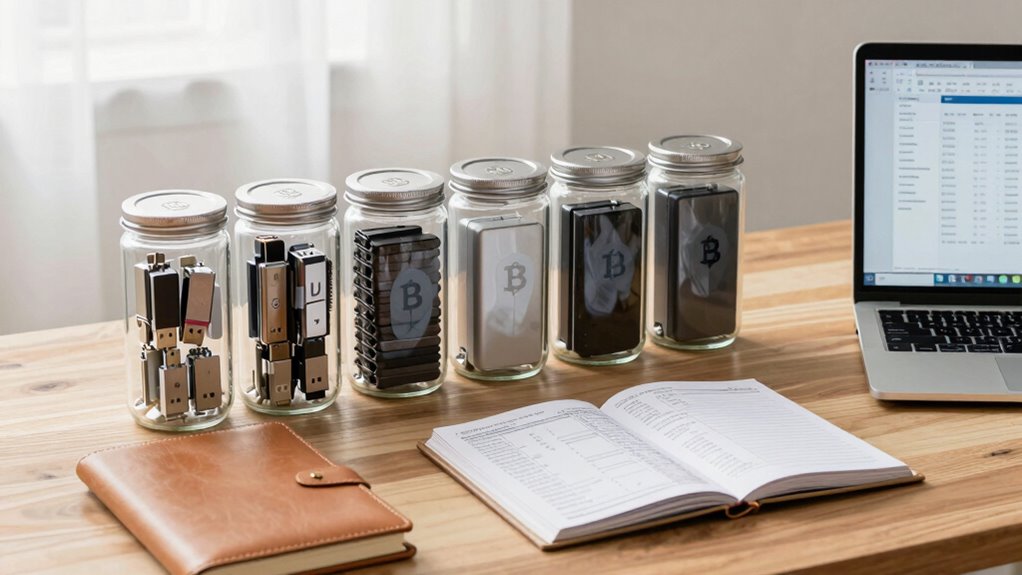
Preparing for tax season means having your crypto records organized and accessible. You want to avoid scrambling at the last minute or losing important documents that could impact your tax filings. To stay on top of things, start by creating a dedicated system for storing your crypto transactions, whether that’s a digital folder or a physical binder. This way, everything related to your cryptocurrency activities stays in one place, making it easier to reference when needed.
Organize your crypto records now to stay prepared and avoid last-minute stress during tax season.
When managing your records, prioritize understanding blockchain security. Since blockchain technology underpins most cryptocurrencies, making sure your transaction data is accurate and secure is essential. Use reputable wallets and exchanges that offer robust security features, like two-factor authentication and encryption. Regularly back up your wallet information and transaction histories in multiple secure locations. This protects you against data loss and unauthorized access, especially when dealing with sensitive financial information. Keeping your records safe from cyber threats is vital, particularly as cryptocurrency regulations tighten and authorities increase scrutiny. Staying compliant involves maintaining detailed, transparent records of all your crypto activities.
Cryptocurrency regulations can be complex, and they’re evolving constantly. To stay compliant, make certain your records include all relevant transaction details—dates, amounts, wallet addresses, and exchange information. Many jurisdictions require you to report not just your gains but also your holdings and transfers. Being thorough now prevents headaches later. Use accounting software tailored for cryptocurrencies or spreadsheets that can handle multiple transactions and automatically categorize your trades. This helps you keep a clear overview of your portfolio’s performance and simplifies tax calculations. Additionally, understanding blockchain security and how to protect your transaction data is crucial for maintaining accurate and trustworthy records. Incorporating regulatory compliance best practices into your record-keeping process can save you time and trouble in the long run.
Another tip is to regularly update your records instead of waiting until tax season. The more current your data, the less stress you’ll face when it’s time to file. Keep copies of your transaction receipts, exchange statements, and any correspondence related to your crypto holdings. If you work with a tax professional, give them access to your organized records early on, so they can advise you on any reporting requirements related to cryptocurrency regulations. It’s also beneficial to familiarize yourself with cryptocurrency tax laws to ensure full compliance and avoid penalties. Staying informed about the latest regulatory developments can help you adapt your record-keeping practices efficiently. Ensuring your data is accurate and complete from the start simplifies the process and reduces potential errors during filing.
cryptocurrency transaction organizer folder
As an affiliate, we earn on qualifying purchases.
As an affiliate, we earn on qualifying purchases.
Frequently Asked Questions
What Are the Best Tools for Tracking Crypto Transactions?
You should use reliable tools like crypto portfolio management platforms and tax filing software to track your transactions effectively. These tools automatically sync with your wallets and exchanges, providing real-time updates and organized records. They simplify crypto portfolio management and guarantee accurate tax filing. By using the right software, you avoid messy records and stay compliant, making tax season much easier and stress-free.
How Often Should I Update My Crypto Records?
Think of your crypto records like a garden—you’ll want to water and tend them regularly. You should update your records at least once a week, especially if you actively trade. Using tax reporting software simplifies this, helping you track portfolio diversification and transaction history seamlessly. Frequent updates guarantee you catch discrepancies early, making tax season smoother and avoiding last-minute surprises. Staying proactive keeps your crypto garden healthy and well-organized.
Can I Store Crypto Records Securely on Cloud Services?
Yes, you can store crypto records securely on cloud services, but you must prioritize cloud security. Choose providers with strong security measures, such as data encryption and multi-factor authentication. Always encrypt your files before uploading, and regularly update your passwords. Avoid public Wi-Fi when accessing sensitive data, and consider using a virtual private network (VPN). These steps help protect your crypto records from unauthorized access, ensuring your data stays safe.
How Do I Handle Lost or Missing Transaction Records?
If you lose or can’t find transaction records, don’t panic. Start by checking your email confirmations, exchange account histories, and any backup files. Contact your crypto platforms for record recovery options—they often keep transaction logs. Consider using blockchain explorers for transaction details. To prevent future issues, regularly back up your records, store them securely, and keep multiple copies in different locations, ensuring you won’t be stuck with lost documentation again.
Are There Legal Requirements for Record Retention Periods?
Think of your records as the roots of a tree—you need them to stay healthy and compliant. Legally, you’re typically required to keep crypto transaction records, including those from your digital wallet, for at least three to seven years, depending on your jurisdiction. Using tax software helps organize these records, ensuring you meet retention periods and are ready if tax authorities request proof down the line.
As an affiliate, we earn on qualifying purchases.
Conclusion
Storing your crypto records neatly guarantees you’re ready for tax season and helps avoid costly mistakes. Keep detailed transaction logs, use secure storage solutions, and regularly update your records. Did you know that over 20% of crypto investors have faced tax audits due to poor record-keeping? Staying organized not only simplifies filing but also protects you from potential penalties. Invest a little time now, so tax season stays smooth and stress-free.
digital crypto wallet backup device
As an affiliate, we earn on qualifying purchases.
As an affiliate, we earn on qualifying purchases.
cryptocurrency tax document storage
As an affiliate, we earn on qualifying purchases.
As an affiliate, we earn on qualifying purchases.
Fall Picks
fall essentials
As an affiliate, we earn on qualifying purchases.