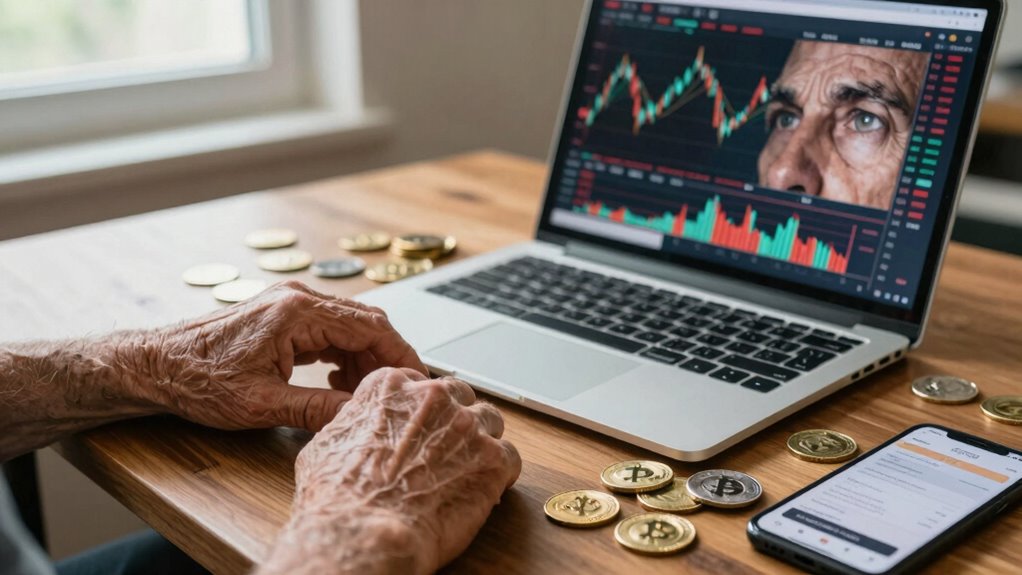

Before investing in small altcoins, you should understand the high risks involved, including significant price volatility, low liquidity, and complex tax implications. These assets can be tempting with the potential for high returns, but they can also cause sudden losses. Keep detailed records, only invest what you can afford to lose, and research the projects thoroughly. Staying informed will help you navigate these investments more safely—continue to explore the key considerations to protect your retirement savings.

Get smart everyday buys delivered free with Prime
- Fast, free delivery on millions of items
- Prime Video, Amazon Music and more included
- Member-only deals all year
Key Takeaways
- Understand the significant tax implications and keep detailed records of all transactions for compliance.
- Be aware of low liquidity which can delay sales and affect fair pricing during market downturns.
- Recognize the high volatility and potential for dramatic price swings that can impact savings.
- Limit investments to funds you can afford to lock in long-term, avoiding retirement savings risks.
- Conduct thorough research and regularly reassess your positions to manage risks effectively.

Many retirees are turning to small altcoins in search of new investment opportunities, hoping these lesser-known cryptocurrencies can boost their income or help preserve their savings. While the potential for high returns can be tempting, it’s vital to understand what you’re getting into before taking a small altcoin position. These investments come with specific risks and considerations that can greatly impact your financial well-being if not properly managed.
One of the first things to weigh is the tax implications. Cryptocurrency transactions are taxable events in many jurisdictions, including the United States. This means that whenever you buy, sell, or exchange small altcoins, you could trigger capital gains taxes. If you’re not prepared for this, it might unexpectedly reduce your overall returns or complicate your tax filings. It’s essential to keep detailed records of all transactions and consult with a tax professional who understands cryptocurrencies. This way, you can plan for potential tax liabilities and verify compliance with local regulations, preventing surprises during tax season.
Cryptocurrency trades can trigger taxable events, so keep detailed records and consult a tax professional to stay compliant.
Liquidity risks are another vital factor to evaluate. Small altcoins often have lower trading volumes than major cryptocurrencies like Bitcoin or Ethereum. This lower liquidity can make it difficult to sell your holdings quickly or at a fair price when you need to cash out. If you try to sell a small altcoin during a market downturn or when trading volume is low, you might face significant delays or be forced to accept a lower price than expected. These liquidity risks mean you should only invest money you can afford to lock in for a longer period, with the understanding that you may not be able to liquidate your position instantly if circumstances change. Additionally, understanding market liquidity and how it affects transaction speed and pricing is crucial for prudent investing. It’s also important to consider that the volatility of small altcoins can be amplified by low liquidity, further increasing risk.
Furthermore, small altcoins are generally more volatile than established cryptocurrencies. Price swings can be dramatic and unpredictable, which could threaten your savings if you’re not cautious. The excitement around promising projects can lead to hype-driven price spikes, but these can quickly reverse, leaving you with losses. It’s wise to conduct thorough research and only allocate a small portion of your retirement savings to such speculative investments.
cryptocurrency transaction record keeping software
As an affiliate, we earn on qualifying purchases.
As an affiliate, we earn on qualifying purchases.
Frequently Asked Questions
How Much of My Retirement Savings Should I Allocate to Altcoins?
You should allocate only a small portion of your retirement savings—around 5% or less—to altcoins. Using diversification strategies helps spread risk, so avoid putting too much into volatile assets like altcoins. Prioritize risk management by setting clear limits and regularly reviewing your portfolio. Remember, cryptocurrencies are risky, especially for retirees, so keep your exposure minimal to protect your overall financial security.
Are There Specific Altcoins Safer for Retirees to Invest In?
You might find some altcoins safer for retirement if you focus on those with lower volatility and strong blockchain transparency. Did you know Bitcoin’s volatility is lower compared to many smaller altcoins? Look for coins with established communities and transparent development teams, as these factors tend to reduce risk. While no altcoin is entirely safe, choosing those with proven stability and clear blockchain records can help protect your retirement savings.
How Can I Verify the Legitimacy of a Small Altcoin?
To verify a small altcoin’s legitimacy, start by researching its team, project goals, and whitepaper. Check regulatory concerns, ensuring it complies with local laws and has transparent operations. Be aware of market volatility; if the price swings wildly without clear reasons, it’s risky. Look for credible exchanges listing the coin and community support. Avoid coins with little information, anonymous developers, or those lacking regulatory clarity, especially as a retiree.
What Are the Tax Implications of Investing in Small Altcoins?
When you invest in small altcoins, you’ll need to take into account tax reporting and capital gains. Any gains you make from selling or trading the altcoin are taxable, and you must report them on your tax return. Keep track of your purchase price, sale price, and transaction dates to accurately calculate capital gains or losses. Consulting a tax professional can help guarantee you comply with IRS rules and avoid unexpected tax liabilities.
Should I Consult a Financial Advisor Before Investing in Altcoins?
Yes, you should consult a financial advisor before investing in altcoins. They can help you develop risk management and diversification strategies, which are essential given altcoins’ volatility and unpredictability. An expert can evaluate your financial goals, risk tolerance, and retirement plan, ensuring your investments align with your long-term security. Their guidance helps you avoid impulsive decisions and manage potential risks effectively.
tax software for cryptocurrency investors
As an affiliate, we earn on qualifying purchases.
As an affiliate, we earn on qualifying purchases.
Conclusion
Remember, retirees, responsible investing requires research, patience, and prudence. Before jumping into tiny altcoin territories, take the time to thoroughly understand the market, evaluate risks, and avoid impulsive decisions. Small altcoins can be tempting treasures, but they pose potential pitfalls. Prioritize your peace of mind and portfolio stability over fleeting fortunes. Stay smart, stay safe, and always scrutinize before you stake your savings in speculative snags. Your secure, steady savings should always come first.
cryptocurrency portfolio tracker
As an affiliate, we earn on qualifying purchases.
As an affiliate, we earn on qualifying purchases.
As an affiliate, we earn on qualifying purchases.
Halloween Picks
halloween
As an affiliate, we earn on qualifying purchases.