
TL;DR

Get smart everyday buys delivered free with Prime
- Fast, free delivery on millions of items
- Prime Video, Amazon Music and more included
- Member-only deals all year
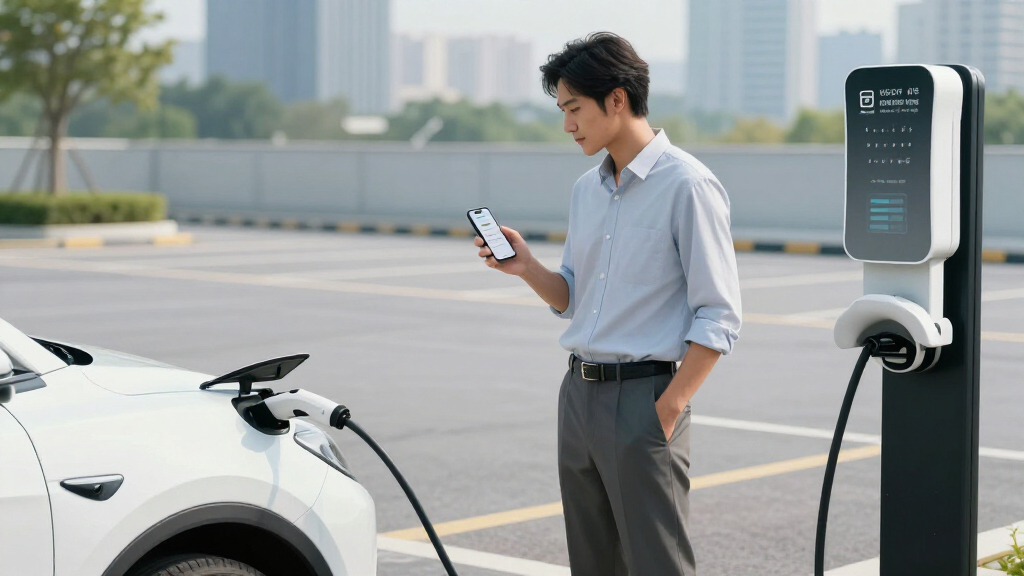
A survey conducted by BTC POWER reveals that 94% of commercial decision-makers now see electric vehicle charging as essential infrastructure. This marks a significant shift towards widespread adoption and integration of EV charging stations in business strategies.
94% of commercial decision-makers now consider electric vehicle (EV) charging infrastructure as essential for their operations, according to a recent survey by BTC POWER. This shift underscores the increasing recognition of EV charging as a core component of business and sustainability strategies, highlighting its rising importance in the transition to electric mobility.
The survey, which polled over 500 decision-makers across various industries, found that 94% view EV charging stations as crucial infrastructure for future growth. Many respondents indicated plans to significantly increase investment in charging networks within the next two years, citing customer demand and regulatory pressures as primary drivers.
BTC POWER’s report emphasizes that decision-makers are integrating EV charging into their broader infrastructure planning, with some companies already allocating substantial budgets toward deploying charging stations at commercial sites, workplaces, and retail locations. The survey also notes that nearly 80% of respondents believe that EV charging infrastructure will influence customer loyalty and brand perception.
Officials from BTC POWER stated that the survey results reflect a broader industry trend, where EV infrastructure is no longer viewed as optional but as a fundamental aspect of operational planning and sustainability commitments.
Implications of EV Charging Becoming Business-Critical
This survey highlights a paradigm shift in how businesses perceive EV charging stations, transitioning from optional amenities to essential infrastructure. As a result, companies that invest early may gain competitive advantages by aligning with consumer preferences and regulatory trends. The widespread recognition of EV charging as vital infrastructure could accelerate the deployment of charging networks, influence urban planning, and shape future transportation policies.
For consumers and EV users, this trend signals improved access to charging facilities, potentially reducing range anxiety and encouraging further EV adoption. Meanwhile, policymakers and industry stakeholders may see increased pressure to support infrastructure development through incentives and regulations.
As an affiliate, we earn on qualifying purchases.
Growing Industry Adoption of EV Infrastructure
Over recent years, the EV market has experienced rapid growth, driven by technological advancements, government incentives, and shifting consumer preferences. Major automakers have announced ambitious electric vehicle targets, prompting a parallel increase in charging infrastructure investments.
Prior to this survey, industry reports indicated that public and private sector investments in EV charging stations were increasing but still faced challenges related to cost, standardization, and grid integration. The BTC POWER survey now suggests that decision-makers are increasingly viewing these investments as essential for maintaining competitiveness and meeting sustainability goals.
This shift is consistent with broader trends, such as the push for zero-emission transportation and stricter emissions regulations worldwide, which are making EV infrastructure a strategic priority for many businesses.
industrial electric vehicle charger
As an affiliate, we earn on qualifying purchases.
As an affiliate, we earn on qualifying purchases.
Uncertainties About Infrastructure Investment Levels
While the survey indicates widespread acknowledgment of EV charging as essential, it is not yet clear how quickly companies will translate this recognition into concrete investments. Details on the scale, locations, and timelines of planned infrastructure deployment remain to be clarified, as some firms may face financial or logistical hurdles.
Additionally, the survey does not specify regional differences or sector-specific variations, which could influence the pace and nature of infrastructure development.
As an affiliate, we earn on qualifying purchases.
Next Steps for Industry and Policymakers
Industry stakeholders are expected to increase investments in EV charging infrastructure, with many planning pilot projects or expansion initiatives over the coming year. Policymakers may also respond by introducing incentives, grants, or regulations to support infrastructure deployment.
Further research and surveys are anticipated to track how these intentions translate into actual infrastructure growth and how market dynamics evolve as EV adoption accelerates.
fast charging station for businesses
As an affiliate, we earn on qualifying purchases.
As an affiliate, we earn on qualifying purchases.
Key Questions
Why is EV charging infrastructure now considered essential?
According to the BTC POWER survey, decision-makers see EV charging as critical for future business growth, customer satisfaction, and sustainability, reflecting the increasing role of electric vehicles in transportation and commerce.
What industries are most involved in expanding EV charging stations?
While the survey covers multiple sectors, retail, hospitality, and commercial real estate are among the leading industries investing heavily in EV infrastructure to attract customers and meet regulatory requirements.
How might this shift impact EV adoption rates?
Enhanced access to charging stations is likely to reduce range anxiety and encourage more consumers to choose electric vehicles, supporting broader adoption goals.
Are there regional differences in the perception of EV charging importance?
The survey does not specify regional variations, but industry observations suggest that regions with stricter emissions regulations and higher EV adoption are leading in infrastructure deployment.
What are the main challenges companies face in expanding EV charging networks?
Key challenges include high infrastructure costs, standardization issues, grid capacity constraints, and logistical planning for widespread deployment.
Source: primary
Halloween Picks
halloween
As an affiliate, we earn on qualifying purchases.