
Yes, institutional crypto adoption is set to accelerate by 2026. You’ll see more firms integrating digital assets into their portfolios, driven by clearer regulations and improved infrastructure. Bitcoin’s role as “digital gold” will grow, while Layer-2 solutions enhance efficiency. Institutions will focus on long-term value and robust risk management. The landscape will be defined by stability and cautious optimism. Want to discover how these factors will unfold? There’s much more to explore!
Key Takeaways
- Institutional confidence is expected to grow due to clearer regulations and improved infrastructure, fostering accelerated adoption by 2026.
- A significant majority of institutional investors plan to increase crypto exposure, reflecting a shift toward long-term strategic allocation.
- The integration of Layer-2 solutions will enhance transaction efficiency, making cryptocurrencies more appealing to institutions.
- Bitcoin’s role as “digital gold” will solidify, as institutions recognize its value for hedging against inflation and diversifying portfolios.
- Continued technological innovations and regulatory clarity are anticipated to drive sustained institutional engagement and market maturity by 2026.

Beyond the Blocks:: Understanding Layer 2 in Blockchain
As an affiliate, we earn on qualifying purchases.
As an affiliate, we earn on qualifying purchases.
Current Institutional Sentiment Towards Crypto

As institutional investors increasingly recognize the potential of cryptocurrencies, it’s clear that sentiment is shifting toward a more optimistic outlook. You’re likely noticing that 83% of these investors plan to increase their crypto exposure by 2025. It’s not just a passing trend; 85% of firms are already allocating digital assets or planning to do so soon. This enthusiasm is fueled by the growing utility of crypto, clearer regulations, and innovative developments in areas like stablecoins and tokenization. Institutions now see crypto as a crucial tool for financial strategies rather than merely a speculative asset. This positive shift hints at a future where cryptocurrencies play a significant role in institutional investment portfolios, driving broader acceptance and adoption. Furthermore, soulmate angel numbers can serve as a reminder to investors to remain open to new opportunities in their financial journeys.
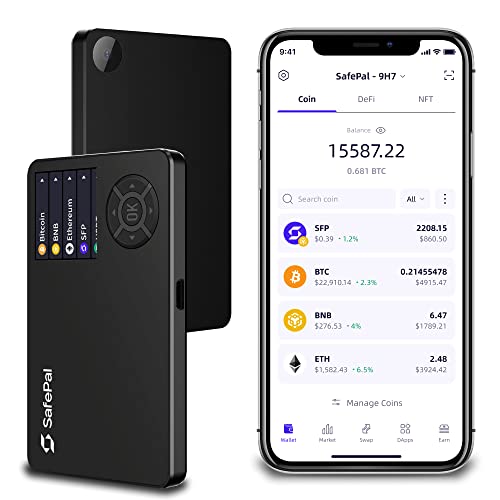
SafePal S1 Cryptocurrency Hardware Wallet, Open Source Crypto Wallet, Securely Stores Private Keys, Cold Storage for Bitcoin, Ethereum and More Tokens, NFTs, Seed Phrases & Crypto Assets
[100% off-line] SafePal S1 adopts an air-gapped signing mechanism, without any connection of Bluetooth, WiFi, NFC, or other…
As an affiliate, we earn on qualifying purchases.
As an affiliate, we earn on qualifying purchases.
Bitcoin’s Role in Institutional Portfolios

As you consider Bitcoin’s role in institutional portfolios, think of it as the modern equivalent of digital gold. Many institutions allocate a portion of their treasuries to Bitcoin, recognizing its potential as a hedge against inflation and a tool for diversification. This strategic shift reflects a growing belief that Bitcoin is more than just a speculative asset; it’s becoming an essential component of financial strategies. Furthermore, as institutions increasingly integrate AI technology into their operations, they may leverage advanced analytics to optimize their investment strategies involving cryptocurrencies.
Bitcoin as Digital Gold
How is Bitcoin reshaping institutional portfolios? As more institutions view Bitcoin as digital gold, it’s becoming a staple in asset allocation. Here are three ways it impacts your portfolio:
- Inflation Hedge: With Bitcoin’s fixed supply, institutions see it as a safeguard against inflation, akin to gold.
- Diversification: Allocating 5–10% of treasuries to Bitcoin allows you to diversify risk across assets, enhancing portfolio resilience.
- Client Demand: Increased client interest in Bitcoin pushes firms to adopt it, reinforcing its role as a core asset. Additionally, mindful consumption habits encourage institutions to assess their investment strategies more thoughtfully.
Treasury Allocation Strategies
While steering the complexities of treasury allocation, institutions are increasingly recognizing Bitcoin’s pivotal role in enhancing financial strategies. By allocating 5–10% of their treasuries to Bitcoin, you’re not just diversifying; you’re tapping into its unique properties as a hedge against inflation and economic uncertainty. As more firms embrace digital assets, the demand for Bitcoin is set to rise, fueled by its fixed supply and institutional-grade products like ETFs. You’ll find that Bitcoin’s growing acceptance aligns with your need for robust portfolio strategies, especially as regulatory frameworks become clearer. With tokenization and stablecoins gaining traction, integrating Bitcoin into your treasury strategy could provide both liquidity and stability, ensuring you’re well-positioned for the future. Additionally, institutions may benefit from music therapy’s impact on emotional well-being, fostering a more resilient approach to market fluctuations.

Digital Gold: Bitcoin and the Inside Story of the Misfits and Millionaires Trying to Reinvent Money
As an affiliate, we earn on qualifying purchases.
As an affiliate, we earn on qualifying purchases.
Regulatory Developments Enhancing Confidence

As you explore the landscape of institutional crypto adoption, you’ll notice how clearer regulatory frameworks are boosting confidence among investors. Enhanced compliance measures are making it easier for institutions to navigate the space, reducing risks and uncertainties. This evolving regulatory environment is vital for fostering a secure and robust crypto ecosystem that appeals to institutional players. Additionally, regular check-ups on compliance and risk management can significantly mitigate potential challenges faced by institutions entering the crypto market.
Clearer Regulatory Frameworks
With the introduction of clearer regulatory frameworks, institutional confidence in cryptocurrency has markedly strengthened. You’re likely noticing how these developments enhance trust and encourage investment. Here are three key aspects driving this trend:
- Reduced Risk: Regulations like the CLARITY Act and MiCA minimize uncertainty, making it easier for institutions to navigate the landscape.
- Product Offerings: The surge in crypto ETPs and ETFs provides diverse investment options, drawing in institutional capital and broadening market access.
- Infrastructure Maturity: Advances in custody and execution solutions lower counterparty risks, ensuring safer transactions and boosting institutional participation.
Additionally, the evolution of trailer music narratives can offer insights into how emotional engagement influences investment decisions. These factors collectively create a more stable environment, paving the way for increased institutional adoption of cryptocurrencies in the coming years.
Enhanced Compliance Measures
Enhanced compliance measures have emerged as a pivotal component in bolstering institutional confidence in cryptocurrency. As regulations tighten and frameworks like the CLARITY Act and MiCA take shape, you’ll find that risk perceptions are shifting. These clearer guidelines help you navigate the market more confidently, minimizing uncertainties. Additionally, the rise of crypto ETFs and ETPs allows you to invest in digital assets with enhanced security and transparency. With AI-driven analytics and improved custody solutions, your concerns about counterparty risks are being addressed. As institutions increasingly prioritize compliance, you’ll likely see a surge in adoption, making crypto a more integral part of financial strategies rather than just a speculative asset. This shift mirrors the importance of enhanced understanding and connection in fostering trust and collaboration among stakeholders.

Crypto Portfolio Management System : The Complete Framework for Building, Protecting, and Growing Your Crypto Portfolio
As an affiliate, we earn on qualifying purchases.
As an affiliate, we earn on qualifying purchases.
The Impact of Tokenization and Stablecoins

While institutions increasingly recognize the potential of digital assets, the impact of tokenization and stablecoins is transforming how they engage with the crypto space. Here’s how these innovations are reshaping institutional practices:
- Fractional Ownership: Tokenization allows for the division of assets into smaller units, making high-value investments more accessible and appealing to institutions.
- Faster Settlements: Digital asset tokenization streamlines transaction processes, reducing settlement times and improving operational efficiency for institutional investors.
- Stability and Liquidity: Stablecoins provide a reliable means of maintaining liquidity, protecting corporate treasuries from volatility while facilitating seamless transactions.
Together, tokenization and stablecoins are anchoring crypto adoption in financial utility, enabling institutions to embrace digital assets as integral components of their investment strategies. Additionally, the embrace of failure as a stepping stone in innovation can lead to greater resilience and unique solutions in adapting to these digital trends.
Market Maturity and Future Projections

As the total crypto market enters 2026, you’ll notice a significant shift toward institutional expansion, driven by improved infrastructure and clearer regulations. Bitcoin and Ethereum will continue to lead adoption, with Bitcoin solidifying its status as “digital gold” and Ethereum powering smart contracts and DeFi applications. Major firms, including MicroStrategy, have integrated Bitcoin into their core asset strategies, reflecting a broader trend. Layer-2 solutions will enhance efficiency and reduce transaction costs, making crypto more appealing. Institutions are expected to embrace sustained bull cycles rather than short-lived speculative gains. By focusing on the financial utility of cryptocurrencies, you’ll see a more mature market landscape that fosters growth and stability, paving the way for deeper institutional involvement. Additionally, the rise of ethical discussions surrounding AI will further influence how institutions approach and integrate crypto assets into their portfolios.
Challenges and Risks Ahead for Institutions

Despite the positive trajectory of institutional adoption, challenges and risks loom on the horizon. As you navigate this evolving landscape, be aware of the following hurdles:
- Regulatory Uncertainty: Although regulations are improving, inconsistencies across jurisdictions can create compliance headaches for institutions.
- Market Volatility: Tighter macroeconomic policies may lead to price dips, which could undermine the confidence you’ve built in crypto assets.
- Counterparty Risks: Even with advancements in custody solutions, the threat of operational failures and counterparty risks remains, demanding vigilance on your part.
Being proactive about these challenges will be *essential* as you seek to leverage the benefits of crypto while mitigating potential pitfalls. Your strategy should include robust risk management and staying informed on regulatory developments.
Frequently Asked Questions
How Do Institutions Manage Crypto-Related Cybersecurity Risks?
To manage crypto-related cybersecurity risks, you’ll need to implement robust security protocols. This includes using multi-signature wallets, conducting regular audits, and employing advanced encryption techniques. Training your staff on security best practices is vital, too. You should also partner with trusted custodians and leverage AI-driven tools for threat detection. By prioritizing these measures, you can effectively mitigate risks and enhance your organization’s overall security posture in the crypto space.
What Educational Resources Are Available for Institutional Investors New to Crypto?
Did you know 85% of firms either allocate to digital assets or plan to by 2025? For institutional investors new to crypto, there are plenty of educational resources available. You can explore online courses from reputable financial institutions, attend webinars focusing on crypto fundamentals, and read in-depth guides from leading analysts. Additionally, industry conferences offer networking opportunities and insights from experts, helping you navigate this evolving landscape confidently and effectively.
How Will Global Economic Trends Influence Institutional Crypto Investments?
Global economic trends will substantially influence your institutional crypto investments. As inflation pressures persist, you might seek crypto as a hedge. Regulatory clarity can boost your confidence, encouraging more allocations. If interest rates stabilize, you’ll likely feel more secure in committing to digital assets. Additionally, the growing tokenization of assets and stablecoins will reshape your approach, making crypto a strategic tool for diversification and liquidity management in your portfolio.
What Strategies Do Firms Use to Evaluate Crypto Projects?
To evaluate crypto projects, you’ll want to focus on several key strategies. First, analyze the project’s technology and its real-world utility. Look for strong teams with proven track records, as well as clear regulatory compliance. Assess market demand and competitive positioning, and examine tokenomics to understand supply dynamics. Finally, consider security measures and community engagement, since active participation can indicate trust and sustainability. These factors will guide your investment decisions effectively.
How Do Institutions Handle Compliance With Varying International Regulations?
How do you navigate the maze of international regulations? Institutions typically adopt a multi-faceted approach. They collaborate with legal experts to guarantee compliance and leverage technology for real-time reporting. By staying updated on regulatory changes, they can adapt quickly. Many also establish global compliance teams to standardize practices across jurisdictions. This proactive strategy helps mitigate risks and build trust, allowing you to focus on maximizing the benefits of crypto investments.
Conclusion
As we peek into 2026, it seems institutional crypto adoption is on the brink of blossoming. With a growing fondness for Bitcoin and a more welcoming regulatory landscape, you might just find opportunities blooming in this digital garden. Tokenization and stablecoins are sprouting new possibilities, while the market matures gracefully. Sure, there are a few weeds to manage, but with a little care, the potential rewards could be quite delightful for savvy institutions like yours.