
You might be surprised to learn that 60% of consumers in the U.S. are engaging with voice assistant technology. While this figure shows a slight decline from previous years, a significant 81% still use it regularly. It seems younger users, families, and affluent households are leading this trend. But what does this mean for the future of digital interaction? The implications could reshape how we manage our daily tasks.

Get smart everyday buys delivered free — and shop member deals
- Fast, free delivery on millions of items
- Access to Prime Big Deal Days deals on October 6–7
- Prime Video, Amazon Music and more included

As voice assistant technology becomes increasingly integrated into daily life, you might find yourself relying on it more than ever before. Surprisingly, about 60% of U.S. consumers now engage with voice assistants, a dip from previous years. However, the frequency of use is on the rise. Recent statistics show that 81% of Americans utilize voice technology daily or weekly, with 68% reporting increased usage over the past year. This growing reliance is particularly pronounced among younger consumers, households with children, and those earning over $100,000, making them the primary drivers of adoption.
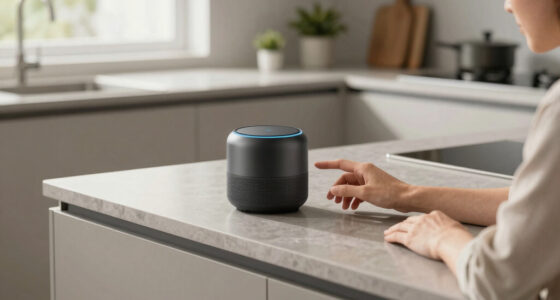
You probably notice that smart speakers and smartphones are the go-to platforms for most users. Many people prefer using voice assistants at home due to privacy concerns, which makes it easier to manage daily tasks or gather information without feeling exposed. Interestingly, 93% of consumers express satisfaction with their voice assistants, with half of them being very satisfied. Yet, there's a noticeable decline in trust, especially among younger generations, which raises the stakes for companies to bolster reliability and efficiency.
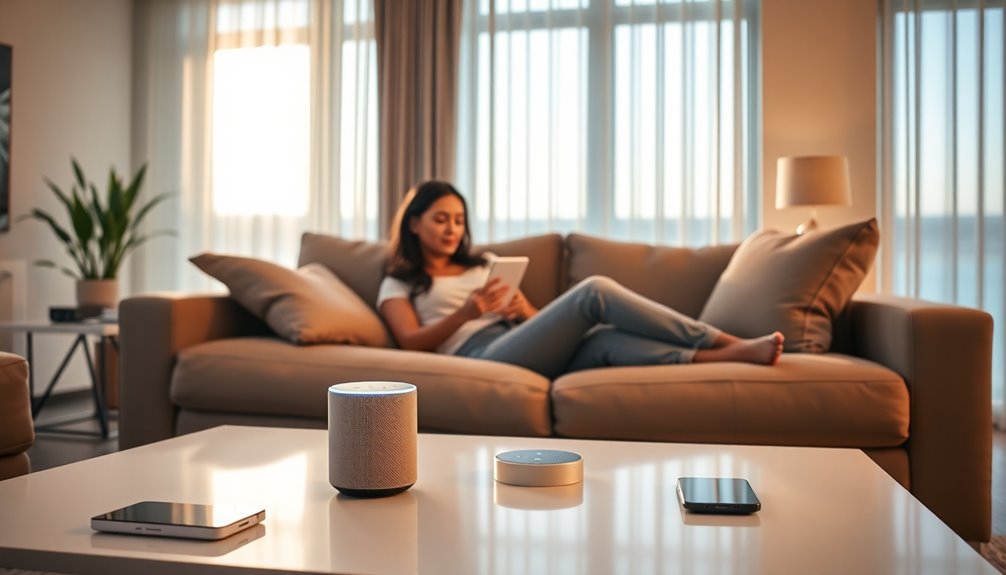
When you think about how you use voice tech, it's likely that you rely on it for personal tasks, communication, and even shopping. Voice-to-text features come in handy for crafting emails or messages at work, emphasizing the convenience that voice commands offer compared to traditional menus. You might appreciate how voice tech enables you to multitask effectively, allowing you to run errands or order food without interrupting your routine. As the global IVA market revenue continues to grow, the demand for effective voice assistants will likely increase as well.
The ease of making quick purchases, like ordering dog food or pizza, shows that voice assistants are becoming a staple in everyday life. Looking ahead, generative AI is poised to impact the future of voice assistants, potentially reviving interest in this technology. You can expect to see multimodal interfaces combining voice, visual, and touch inputs, making interactions even more seamless.
However, the challenge remains to regain trust and meet user expectations for performance and reliability. Skepticism about voice assistants' capabilities is growing, which means companies must work hard to ensure users like you feel confident in using these technologies. The advancements in AI will likely accelerate adoption, but only if they address these concerns head-on. As you navigate this evolving landscape, your engagement with voice assistants will only become more significant.
smart speaker with voice assistant
As an affiliate, we earn on qualifying purchases.
As an affiliate, we earn on qualifying purchases.
voice activated home automation devices
As an affiliate, we earn on qualifying purchases.
As an affiliate, we earn on qualifying purchases.
voice to text transcription device
As an affiliate, we earn on qualifying purchases.
As an affiliate, we earn on qualifying purchases.
voice controlled smart home gadgets
As an affiliate, we earn on qualifying purchases.
As an affiliate, we earn on qualifying purchases.
Fall Picks
fall essentials
As an affiliate, we earn on qualifying purchases.