
📊 Full opportunity report: Tracking The Surge Of Lahori Zeera In Food Trend Analyses on IdeaNavigator AI — validation score, market gap, and execution plan.

Get smart everyday buys delivered free with Prime
- Fast, free delivery on millions of items
- Prime Video, Amazon Music and more included
- Member-only deals all year
TL;DR
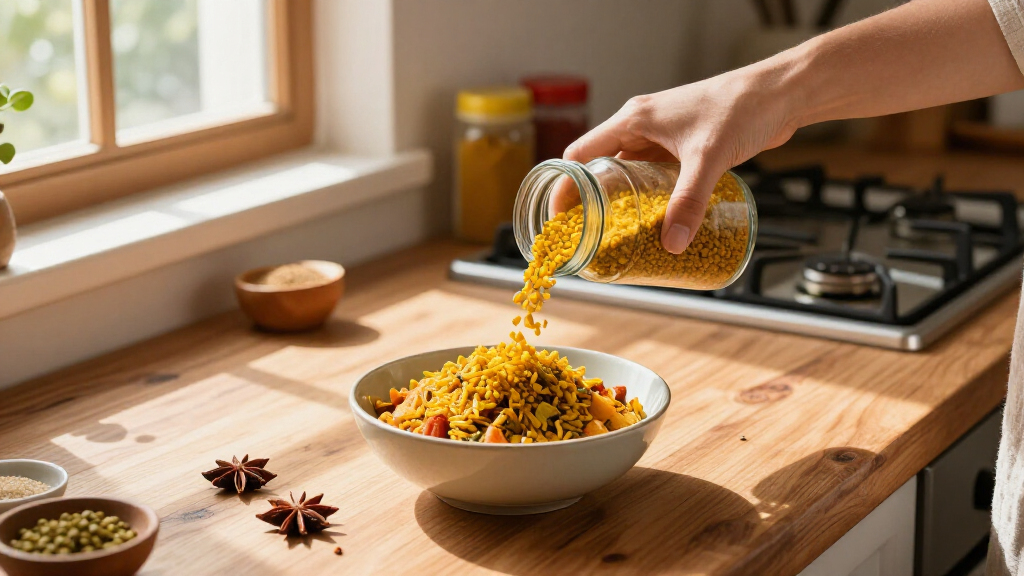
IdeaNavigator AI’s food and beverage trends monitor flagged Lahori Zeera — a Pakistani street food — as surging in global coverage, with an 88/100 signal score from the GDELT event database. The tool proposes a role-filtered workflow for product and marketing leads at food and beverage brands to catch such trends early and turn them into decisions.
Lahori Zeera, a Pakistani street food, has been flagged as surging in global coverage by a food and beverage trends signal monitor, scoring 88 out of 100 on the GDELT event database. The development, surfaced by IdeaNavigator AI, is positioned as an early-warning opportunity for product and marketing leads at food and beverage brands to catch emerging food trends before they peak.
The signal was generated through GDELT, a global event database that tracks news coverage across languages and regions. An 88/100 score indicates a strong surge in coverage for Lahori Zeera, a spicy chickpea-based snack popular in Lahore, Pakistan. The monitor is designed specifically for product or marketing leads at food and beverage brands, who the tool notes struggle to catch developments like this early because food trends, launches, and recalls are scattered across news, forums, and filings.
The proposed workflow is a focused monitor that watches GDELT and similar feeds, filters items to what affects a product or marketing lead, and converts each relevant development into a short brief covering what changed, why it matters, and what to do. The monetization model is a subscription for professionals who need an early, role-filtered read on food trends, launches, and recalls.
Why Early Trend Signals Matter to Food Brands
The significance lies in timing. Food trends, launches, and recalls now move fast enough that a same-day, role-filtered read beats waiting for a generic weekly roundup, according to the IdeaNavigator AI analysis. For a product or marketing lead, catching a surge like Lahori Zeera early could inform decisions on menu additions, product development, packaging, or marketing campaigns before competitors act.
The tool’s framing also highlights a broader problem: relevant signals get lost in the noise of scattered news, forum discussions, and regulatory filings. A role-filtered monitor addresses that by delivering only what affects a specific professional’s work, rather than a broad industry digest.
Lahori Zeera Pakistani street food snack
As an affiliate, we earn on qualifying purchases.
As an affiliate, we earn on qualifying purchases.
What Is Lahori Zeera and How It Surfaced
Lahori Zeera is a spicy, tangy snack originating from Lahore, Pakistan, typically made from chickpea flour, spices, and zeera (cumin). It has a strong regional following and has been gaining attention in diaspora communities and international food media. The GDELT database, which aggregates news coverage from around the world, registered a notable surge in coverage for the snack, prompting the signal.
IdeaNavigator AI positions this as a narrow first-win workflow — a focused, testable application for one buyer persona rather than a broad trend-tracking platform. The market context is the food and beverage trends space, where early detection of regional foods crossing into global markets has become a competitive advantage.
As an affiliate, we earn on qualifying purchases.
What Remains Unclear About the Trend Data
Several aspects of the signal remain unconfirmed. The 88/100 score’s methodology and baseline are not detailed — it is presented as a raw observation without a named comparison period. Whether this score reflects a genuine, sustained consumer trend or a short-lived media spike is not yet clear.
The actual consumer demand for Lahori Zeera outside its home market has not been independently verified. The validation workflow — hand-delivering briefs to five matching professionals — has been proposed but not executed, so there is no data yet on whether the signal changes real decisions. The tool’s market size and revenue projections are also estimates rather than confirmed figures.
As an affiliate, we earn on qualifying purchases.
How Brands Could Test This Signal
The next step proposed by IdeaNavigator AI is a hands-on validation test: hand-deliver the Lahori Zeera brief plus two other food trend items to five product or marketing leads at food and beverage brands within a week. The goal is to measure whether any recipient changes a decision or forwards the brief to a colleague — both signals of real value.
If the validation succeeds, the next phase would be building the subscription-based monitor, with the Lahori Zeera surge serving as the initial use case. For brands themselves, the practical next step is to monitor GDELT and similar feeds directly for regional foods like Lahori Zeera that show early signs of crossing into global markets.
As an affiliate, we earn on qualifying purchases.
Key Questions
What is Lahori Zeera?
Lahori Zeera is a spicy, tangy snack from Lahore, Pakistan, typically made from chickpea flour, cumin (zeera), and a blend of spices. It has a strong regional following and is gaining attention in international food media and diaspora communities.
What does an 88/100 signal score mean?
The score comes from the GDELT event database, which tracks news coverage globally. An 88/100 score indicates a strong surge in coverage for Lahori Zeera, though the specific methodology and comparison baseline have not been detailed.
Who is this trend monitor designed for?
The tool is designed for product or marketing leads at food and beverage brands who need early, role-filtered signals on food trends, launches, and recalls — rather than generic weekly industry roundups.
How can a brand validate this trend signal?
The proposed validation is to hand-deliver the brief to five matching professionals and measure whether any of them changes a decision or forwards it to a colleague. This tests whether the signal has practical decision-making value.
Is Lahori Zeera actually popular with consumers?
That is not yet confirmed. The signal reflects media coverage, not verified consumer demand. Whether the coverage surge translates into actual purchasing behavior or product adoption remains unclear.
Source: IdeaNavigator AI
Halloween Picks
halloween
As an affiliate, we earn on qualifying purchases.