
When central banks buy securities, it usually signals shifts in monetary policy, which can affect asset values and inflation trends for long-term investors. Large-scale buying suggests an effort to boost growth and maintain liquidity, while reduced purchases or sales might point to plans to curb inflation. These actions help you gauge economic outlooks and adjust your strategies accordingly. Keep exploring to understand how these signals can influence your investments over time.

Get smart everyday buys delivered free — and shop member deals
- Fast, free delivery on millions of items
- Access to Prime Big Deal Days deals on October 6–7
- Prime Video, Amazon Music and more included
Key Takeaways
- Central bank purchases often signal efforts to stimulate economic growth and increase asset prices for long-term investment opportunities.
- Reduced or halted buying may indicate concerns about inflation control or economic overheating, affecting market stability.
- Large-scale asset purchases suggest a response to economic slowdown, potentially signaling a prolonged period of accommodative monetary policy.
- Central bank actions influence interest rates, impacting long-term borrowing costs and investment returns.
- Monitoring central bank buying patterns helps investors anticipate shifts in market liquidity and asset valuation trends.
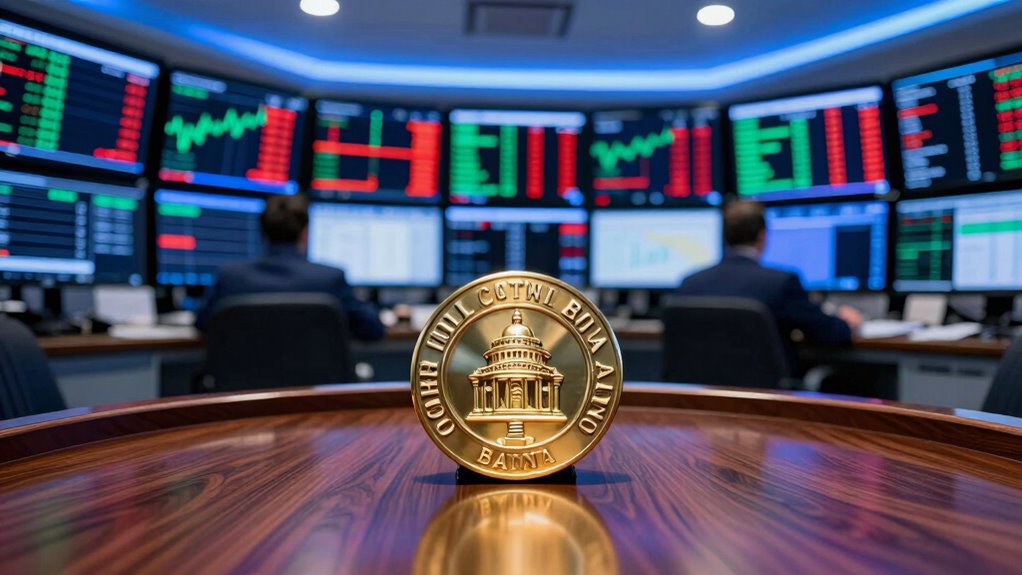
When central banks buy securities, it typically indicates they’re trying to influence interest rates and liquidity in the economy. This aligns with their broader monetary policy goals. For example, during times of economic slowdown, central banks might buy bonds to inject liquidity into the system, encouraging borrowing and spending. Conversely, when inflation is rising too quickly, they might reduce their purchases or even sell assets to tighten monetary policy, aiming to stabilize prices. These moves send clear signals to long-term investors about the central bank’s outlook on economic growth and inflation. Additionally, the scale of their purchases can impact the value of assets in various markets, influencing investor sentiment and strategies. Inflation control is a primary reason behind central bank buying activity. By purchasing assets, they can influence the supply and demand for money, which directly impacts inflation levels. If inflation begins to accelerate, central banks may step back from buying or start selling assets to prevent prices from spiraling out of control. Recognizing these signals can help investors anticipate market reactions and adjust their strategies accordingly. Moreover, central bank buying can be influenced by their goals to maintain financial stability, which is crucial for long-term economic health. Understanding how these activities relate to broader monetary policy strategies can provide valuable insights for long-term investors.
As an affiliate, we earn on qualifying purchases.
Frequently Asked Questions
How Do Central Bank Purchases Impact Global Currency Values?
Central bank purchases influence global currency values by shaping monetary policy and boosting foreign reserves. When a central bank buys assets, it often increases demand for its currency, causing appreciation. This action signals confidence and stability, attracting foreign investment. Conversely, if they sell, it can weaken the currency. Your understanding of these moves helps anticipate currency fluctuations, guiding your investment decisions in the international market.
Can Central Bank Buying Lead to Inflation Over Time?
Yes, central bank buying can lead to inflation risks over time. When banks purchase assets, they increase the money supply, which can push prices higher if demand outpaces supply. This has policy implications, prompting central banks to carefully balance their asset purchases to avoid fueling inflation. As a long-term investor, you should monitor these actions because sustained inflation could impact asset values and your overall investment strategy.
What Are the Risks of Relying on Central Bank Policies?
In the blink of an eye, relying on central bank policies can be risky. You risk undermining fiscal stability if policies shift unexpectedly or lack transparency, leading to uncertainty. If a central bank’s actions aren’t clear, it’s hard to predict the long-term impact. Overdependence might also distort markets, making you vulnerable to policy reversals. Always assess how transparent and stable these policies are before heavily relying on them for your investments.
How Do Central Banks Decide Which Assets to Purchase?
Central banks decide which assets to purchase based on their monetary policy goals, aiming to influence economic growth and inflation. They analyze economic indicators and market conditions to determine asset allocation, often buying government bonds to lower interest rates or stabilize markets. Your long-term investments should consider these policies, as central bank asset purchases can signal shifts in economic outlooks and impact asset prices, affecting your portfolio’s performance.
What Historical Examples Show Central Bank Buying Influencing Markets?
You might think central bank buying always manipulates markets, but history shows it can also reflect policy transparency. For example, during the 2008 financial crisis, the Fed’s asset purchases stabilized markets and signaled commitment to recovery. Similarly, Japan’s sustained bond buying influenced yields over decades. These actions highlight how central bank interventions can guide markets, creating long-term signals rather than mere manipulation.
As an affiliate, we earn on qualifying purchases.
Conclusion
As a long-term investor, imagine the central bank’s buying as a lighthouse guiding your ship safely through stormy seas. Their purchases can signal confidence and stability, helping you navigate market uncertainties with a clearer sense of direction. Keep a keen eye on these moves—they’re like signals flashing on your financial radar, illuminating opportunities amid chaos. Trust in this lighthouse, and let it steer your investments toward calmer waters and brighter horizons.
central bank asset purchase analysis books
As an affiliate, we earn on qualifying purchases.
As an affiliate, we earn on qualifying purchases.
As an affiliate, we earn on qualifying purchases.
Halloween Picks
halloween
As an affiliate, we earn on qualifying purchases.