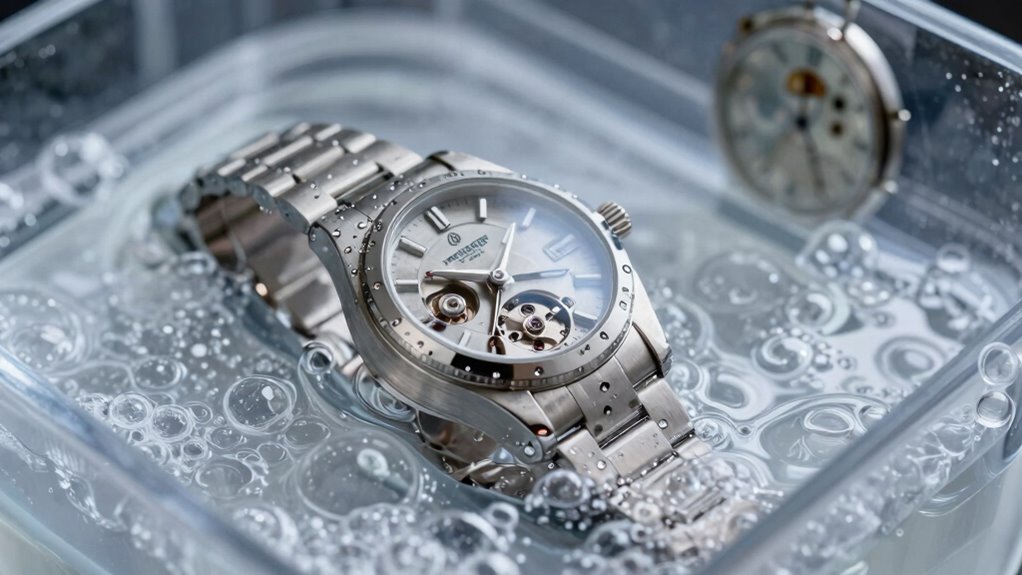

Ultrasonic cleaners work well when you need to gently remove dirt and grime from delicate items like jewelry or electronic parts. They help by using high-frequency sound waves to clean thoroughly without harsh scrubbing. However, they can hurt if used on fragile surfaces, soft materials, or incompatible materials that might react or get damaged. Using the wrong cleaning solutions or improper settings can cause surface damage or chemical reactions. Keep exploring to discover how to use them safely and effectively.

Get smart everyday buys delivered free with Prime
- Fast, free delivery on millions of items
- Prime Video, Amazon Music and more included
- Member-only deals all year
Key Takeaways
- Ultrasonic cleaners effectively remove dirt from delicate items like jewelry and electronics when used correctly.
- They can cause surface damage or discoloration if used on incompatible materials or with inappropriate solutions.
- Cavitation speeds up chemical reactions, risking unintended reactions or deterioration of sensitive surfaces.
- Proper verification of material compatibility and following manufacturer guidelines prevent surface damage.
- Inappropriate cleaning solutions or improper use increase the risk of microabrasions, surface weakening, or long-term damage.
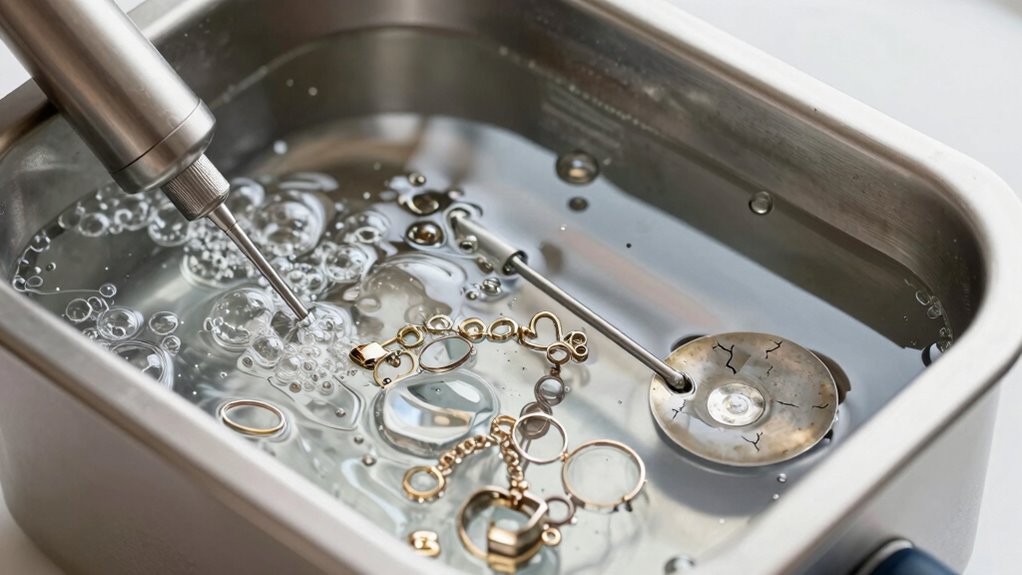
Ultrasonic cleaners can be highly effective tools for removing dirt, grime, and contaminants from delicate objects, but they’re not always the right choice. When used properly, they utilize high-frequency sound waves that create microscopic bubbles in a cleaning solution. These bubbles collapse rapidly, producing a cleaning action that’s gentle yet thorough. However, you should be cautious because these same processes can sometimes trigger unwanted chemical reactions or surface damage, especially on sensitive materials.
One key factor to weigh is how ultrasonic cleaning can influence chemical reactions on the object’s surface. The intense cavitation can accelerate certain chemical processes, which might seem beneficial but can also lead to unintended consequences. For example, delicate finishes or coatings might react with cleaning solutions or the energy generated during cleaning, causing discoloration, fading, or even deterioration. If your object is made of materials prone to chemical reactions, ultrasonic cleaning could inadvertently weaken its surface integrity rather than preserving it.
Surface damage is another risk you need to be aware of. While ultrasonic cleaners are generally safe for jewelry, electronic components, and other fragile items, they can cause microabrasions or loosen particles if used improperly. For instance, objects with intricate details, porous surfaces, or soft materials can trap debris that, when agitated by ultrasonic waves, might scratch or chip the surface. Additionally, if the cleaning solution isn’t compatible with the object, it can lead to corrosion or other forms of surface degradation. Always verify whether the material can withstand ultrasonic cleaning—what works well for jewelry may not be suitable for certain plastics or painted surfaces.
Furthermore, the type of cleaning solution you choose matters a lot. Some chemicals react more vigorously under ultrasonic conditions, increasing the risk of surface damage or unwanted chemical reactions. It’s essential to select the right solution based on the material you’re cleaning and to follow manufacturer guidelines. Failing to do so can result in compromised surfaces or even damage that’s invisible to the naked eye initially but becomes apparent over time.
As an affiliate, we earn on qualifying purchases.
Frequently Asked Questions
Can Ultrasonic Cleaners Damage Delicate Jewelry?
Yes, ultrasonic cleaners can damage delicate jewelry if you’re not careful. Jewelry fragility varies, and some materials or settings might not withstand the intense cleaning process. While ultrasonic cleaners are effective at removing dirt and grime, they could weaken or loosen fragile stones or thin settings. To guarantee cleaning effectiveness without risking damage, always check your jewelry’s material and consult with a professional if you’re unsure.
Are Ultrasonic Cleaners Safe for All Types of Plastics?
Surprisingly, ultrasonic cleaners aren’t safe for all plastics. You might think they’re perfect for every material, but plastic compatibility varies. Some plastics, especially softer or older ones, can melt or warp despite their cleaning effectiveness. So, before you toss your plastics into the ultrasonic cleaner, check if they’re compatible. Otherwise, you risk damage, defeating the purpose of a thorough clean. Always verify the specific plastic’s compatibility first.
How Long Should I Run an Ultrasonic Cleaner?
You should run an ultrasonic cleaner for about 3 to 10 minutes, depending on the item’s dirtiness and material. Monitoring the cleaning duration guarantees effective cleaning without damaging your equipment. Proper cleaning duration also helps with equipment maintenance, preventing overexposure that could harm delicate parts. Always follow the manufacturer’s instructions for specific cleaning times, and regularly check and maintain your ultrasonic cleaner to keep it working efficiently.
Can Ultrasonic Cleaning Remove All Types of Dirt and Grime?
Ultrasonic cleaners are great for removing dirt, grime, chemical residues, and some surface scratches, but they don’t work on everything. Heavy grease or stubborn stains might need additional cleaning methods. They excel at cleaning delicate items without damage, but for surfaces with deep scratches or thick residues, ultrasonic cleaning might not be sufficient. Always check the material and dirt type to guarantee effective cleaning without causing harm.
What Safety Precautions Should I Take During Ultrasonic Cleaning?
During ultrasonic cleaning, you should always wear protective gloves and safety goggles to prevent chemical exposure and splashes. Guarantee proper ventilation to avoid inhaling fumes. Follow chemical safety guidelines for the cleaning solutions you use. Regularly check and maintain the equipment to prevent malfunctions. Always read the manufacturer’s instructions for safe operation, and clean the ultrasonic unit regularly to keep it in good condition and ensure safety.
electronic parts ultrasonic cleaner
As an affiliate, we earn on qualifying purchases.
As an affiliate, we earn on qualifying purchases.
Conclusion
An ultrasonic cleaner is like a double-edged sword—shining brightly when used wisely, but cutting deep if misused. It can restore your treasures to their former glory or turn delicate items into fragile shadows. Think of it as a dance partner: when you listen to its rhythm and respect its limits, it leads you to sparkling success. But rush in blindly, and it might leave your prized possessions battered and bruised. Use it with care, and it’ll be your shining ally.
delicate surface ultrasonic cleaning solution
As an affiliate, we earn on qualifying purchases.
As an affiliate, we earn on qualifying purchases.
professional ultrasonic cleaning device
As an affiliate, we earn on qualifying purchases.
As an affiliate, we earn on qualifying purchases.
Halloween Picks
halloween
As an affiliate, we earn on qualifying purchases.