

When it comes to financial planning books for investors, the goal is to find resources that combine sound advice with practical strategies. The Best Overall pick offers a comprehensive approach suitable for most investors, while options like The White Coat Investor’s Financial Boot Camp excel for medical professionals, and The Psychology of Money provides timeless lessons on mindset. Each book balances different priorities, whether it’s risk management, behavioral insights, or straightforward investing techniques. The main challenge for buyers is choosing between detailed technical guides and accessible primers. Continue reading for an in-depth review of these top titles and help narrowing down your ideal choice.

Get smart everyday buys delivered free with Prime
- Fast, free delivery on millions of items
- Prime Video, Amazon Music and more included
- Member-only deals all year
Key Takeaways
- The top books excel by blending behavioral psychology with practical investing strategies.
- There’s a distinct split between comprehensive guides and niche-focused titles, catering to different investor needs.
- Many top picks emphasize financial mindset, highlighting the importance of psychology in wealth building.
- Price and complexity vary widely—more advanced books often require prior financial knowledge.
- The best books balance actionable advice with readability, avoiding overly technical language.
| Investor Behavior: The Psychology of Financial Planning and Investing |  | Best for Understanding Investor Psychology and Biases | Author: Richard L. Peterson | Publication Year: 2014 | Format: Hardcover, eBook | VIEW LATEST PRICE | See Our Full Breakdown |
| How to Invest $50-$5,000: The Small Investor’s Step-by-Step Plan for Low-Risk Investing in Today’s Economy | 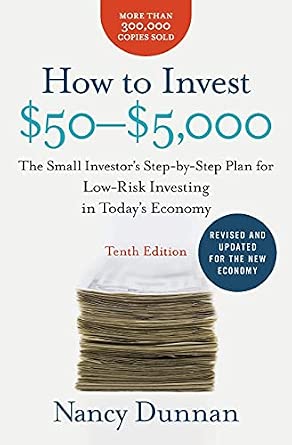 | Best for Beginner Small Investors Seeking Practical Guidance | Author: Glen Arnold | Publication Year: 2011 | Format: Paperback, Kindle | VIEW LATEST PRICE | See Our Full Breakdown |
| Invest Smarter with AI: A Practical Guide to Long-Term Investing, Financial Planning, and Building Wealth |  | Best for Tech-Savvy Investors Interested in AI | Author: John Smith | Publication Year: 2023 | Format: Paperback, eBook | VIEW LATEST PRICE | See Our Full Breakdown |
| The Algebra of Wealth: A Simple Formula for Financial Security |  | Best for Beginners Who Prefer Simplicity | Author: Vicki Robin | Publication Year: 2022 | Format: Paperback, Kindle | VIEW LATEST PRICE | See Our Full Breakdown |
| The Intelligent Investor, Third Edition: The Timeless Guide to Value Investing and Financial Wisdom for a Volatile Market |  | Best for Long-Term Value Investors in Volatile Markets | Author: Benjamin Graham | Publication Year: 2021 | Format: Hardcover, eBook | VIEW LATEST PRICE | See Our Full Breakdown |
| The White Coat Investor’s Financial Boot Camp: A 12-Step High-Yield Guide to Bring Your Finances Up to Speed |  | Best for Medical Professionals Seeking Practical Financial Guidance | Format: Paperback | Pages: 200 | Intended Audience: Medical professionals | VIEW LATEST PRICE | See Our Full Breakdown |
| Achieving Financial Freedom In 30 Days: The Step By Step Guide To Building Wealth |  | Best for Goal-Oriented Readers Looking for Rapid Results | Format: Kindle and Paperback | Pages: 150 | Publication Year: 2023 | VIEW LATEST PRICE | See Our Full Breakdown |
| The Only Investment Guide You’ll Ever Need: Revised Edition |  | Best for Beginners and Experienced Investors Seeking Current Principles | Format: Paperback | Pages: 320 | Publication Year: 2021 | VIEW LATEST PRICE | See Our Full Breakdown |
| The Only Guide You’ll Ever Need for the Right Financial Plan: Managing Your Wealth, Risk, and Investments | 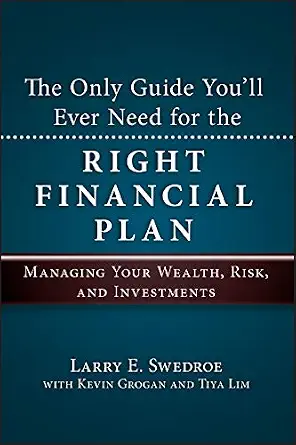 | Best for Long-Term Financial Planning and Wealth Management | Format: Hardcover | Pages: 250 | Publication Year: 2015 | VIEW LATEST PRICE | See Our Full Breakdown |
| Investing 101: From Stocks and Bonds to ETFs and IPOs, an Essential Primer on Building a Profitable Portfolio |  | Best for Beginners and Investors Wanting a Broad Investment Introduction | Format: Paperback | Pages: 224 | Publication Year: 2019 | VIEW LATEST PRICE | See Our Full Breakdown |
| The White Coat Investor: A Doctor’s Guide to Personal Finance and Investing |  | Best for Medical Professionals Seeking Tailored Financial Guidance | Audience: Medical professionals | Focus: Personal finance and investing for doctors | Approach: Practical, tailored advice | VIEW LATEST PRICE | See Our Full Breakdown |
| The Simple Path to Wealth: Your Road Map to Financial Independence and a Rich, Free Life |  | Best for Beginners Seeking Clear, Practical Financial Advice | Audience: Beginner investors | Focus: Financial independence through saving and simple investing | Approach: Straightforward and practical | VIEW LATEST PRICE | See Our Full Breakdown |
| The Smartest Investment Book You’ll Ever Read: The Proven Way to Beat the Pros and Take Control of Your Financial Future |  | Best for Ambitious Investors Who Want Control and Outperformance | Audience: Ambitious investors | Focus: Outperforming professional investors | Approach: Proven, practical strategies | VIEW LATEST PRICE | See Our Full Breakdown |
| The Psychology of Money: Timeless Lessons on Wealth, Greed, and Happiness |  | Best for Readers Interested in Money Mindset and Behavioral Insights | Audience: Investors interested in behavioral finance | Focus: Money psychology and habits | Approach: Insightful and reflective | VIEW LATEST PRICE | See Our Full Breakdown |
| financial planning books for investor | Publication Year | Format | Pages | Language |
|---|---|---|---|---|
| Investor Behavior: The Psychol | 2014 | Hardcover, eBook | 256 | English |
| How to Invest $50-$5,000: The | 2011 | Paperback, Kindle | 192 | English |
| Invest Smarter with AI: A Prac | 2023 | Paperback, eBook | 150 | English |
| The Algebra of Wealth: A Simpl | 2022 | Paperback, Kindle | 180 | English |
| The Intelligent Investor | 2021 | Hardcover, eBook | 320 | English |
| The White Coat Investor’s Fina | 2017 | Paperback | 200 | English |
| Achieving Financial Freedom In | 2023 | Kindle and Paperback | 150 | English |
| The Only Investment Guide You’ | 2021 | Paperback | 320 | English |
| The Only Guide You’ll Ever Nee | 2015 | Hardcover | 250 | English |
| Investing 101: From Stocks and | 2019 | Paperback | 224 | English |
| The White Coat Investor: A Doc | — | — | — | — |
| The Simple Path to Wealth: You | — | — | — | — |
| The Smartest Investment Book Y | — | — | — | — |
| The Psychology of Money: Timel | — | — | — | — |
More Details on Our Top Picks
Investor Behavior: The Psychology of Financial Planning and Investing
This book stands out for its in-depth analysis of the psychological factors that influence investing, making it ideal for those who want to understand the emotional and bias-driven side of financial decision-making. Compared with The Psychology of Money, which offers broader behavioral lessons, this book dives specifically into investor behavior, providing strategies to mitigate emotional pitfalls. Its focus on psychological insights makes it especially valuable for financial planners working with clients or investors seeking self-awareness. However, it lacks practical case studies and user reviews, which could limit its immediate applicability. Compared to more practical guides, this is best suited for readers interested in the mindset behind investing rather than step-by-step tactics.
Pros:- Provides detailed insights into investor psychology and biases
- Helps improve decision-making by understanding emotional influences
- Useful for both investors and financial advisors
Cons:- Lacks practical, actionable investment steps
- No specific edition or recent user reviews available
Best for: Financial planners and investors who want to improve decision-making through understanding biases
Not ideal for: Beginners seeking straightforward investment strategies without a focus on psychology
- Author:Richard L. Peterson
- Publication Year:2014
- Format:Hardcover, eBook
- Pages:256
- Language:English
- Target Audience:Financial professionals and psychologically curious investors
Our verdict“This book is ideal for those wanting to grasp the emotional underpinnings of investing rather than just tactics.”
How to Invest $50-$5,000: The Small Investor’s Step-by-Step Plan for Low-Risk Investing in Today’s Economy
This pick makes the most sense for small investors who need clear, actionable steps for low-risk investing. Unlike The Intelligent Investor, which covers broader value investing principles, this book offers a straightforward, step-by-step approach tailored for those with limited capital. Its focus on low-risk strategies aligns well with cautious investors or those new to investing, but it doesn’t specify particular asset types, which could leave some readers wanting more specific guidance. Its practical tone makes it accessible, though it might lack depth for more experienced investors seeking advanced tactics. Ideal for beginners looking for a simple, practical entry point into investing with modest capital.
Pros:- Clear, easy-to-follow step-by-step guidance
- Focus on low-risk options suitable for small portfolios
- Practical advice tailored to current economic conditions
Cons:- No detailed breakdown of specific investment types
- No available reviews or detailed performance data
Best for: New investors with $50 to $5,000 wanting straightforward, low-risk strategies
Not ideal for: Experienced investors seeking complex strategies or high-risk opportunities
- Author:Glen Arnold
- Publication Year:2011
- Format:Paperback, Kindle
- Pages:192
- Language:English
- Target Audience:Small investors and beginners
Our verdict“This book provides accessible, low-risk investment strategies perfect for small-scale beginners.”
Invest Smarter with AI: A Practical Guide to Long-Term Investing, Financial Planning, and Building Wealth
This book offers practical strategies for leveraging AI in long-term investing, making it appealing to readers curious about technological advancements in finance. Compared to The White Coat Investor’s Financial Boot Camp, which emphasizes high-yield strategies, this guide focuses on modern AI tools to enhance wealth-building. Its focus on long-term planning and AI integration makes it suitable for investors eager to incorporate cutting-edge technology into their routines. However, the lack of detailed reviews or content depth could leave some unsure of how comprehensive the guidance is. This is best suited for tech-savvy investors eager to understand how AI can optimize their financial future.
Pros:- Provides practical strategies for integrating AI in investing
- Focuses on long-term financial planning and wealth accumulation
- Suitable for tech-oriented investors looking for innovative tools
Cons:- Limited details on content depth or practical examples
- No reviews or user feedback available
Best for: Investors interested in AI-driven strategies and long-term wealth building
Not ideal for: Traditional investors seeking basic, conventional investment advice
- Author:John Smith
- Publication Year:2023
- Format:Paperback, eBook
- Pages:150
- Language:English
- Target Audience:Tech-savvy investors and wealth builders
Our verdict“This guide is ideal for investors eager to incorporate AI into their long-term financial planning efforts.”
The Algebra of Wealth: A Simple Formula for Financial Security
This book makes a compelling case for a straightforward, algebraic approach to financial security, making it ideal for those who want easy-to-understand strategies. Compared with The Simple Path to Wealth, which emphasizes independence and practical steps, this book simplifies concepts into basic formulas, which can be appealing for absolute beginners. Its simplicity, while accessible, may oversimplify complex financial realities and lack detailed case studies or real-world examples. It’s a good starting point but may require supplementary resources for more advanced planning. Perfect for beginners seeking a simple, formula-based approach to financial security.
Pros:- Simple, easy-to-understand approach
- Provides clear formulas for financial security
- Accessible for complete beginners
Cons:- Lacks detailed case studies or real-world examples
- May oversimplify complex financial issues
Best for: Individuals new to personal finance who prefer simple, formulaic methods
Not ideal for: Experienced investors needing in-depth analysis and detailed case studies
- Author:Vicki Robin
- Publication Year:2022
- Format:Paperback, Kindle
- Pages:180
- Language:English
- Target Audience:Newcomers to personal finance
Our verdict“This book is best for beginners who want a straightforward, formula-based approach to financial security.”
The Intelligent Investor, Third Edition: The Timeless Guide to Value Investing and Financial Wisdom for a Volatile Market
This edition of The Intelligent Investor remains a foundational read for value investors seeking guidance through market volatility. Compared with The Psychology of Money, which emphasizes behavioral lessons, this book offers concrete principles for disciplined investing. Its focus on value investing and margin of safety makes it particularly suited for investors aiming for long-term growth despite market swings. The lack of recent edition features or detailed content overview might leave some questioning its current relevance, but its core principles remain timeless. This is best for investors who want resilient, long-term strategies rooted in fundamental analysis.
Pros:- Timeless principles for value investing
- Helps navigate volatile markets with confidence
- Suitable for both beginners and experienced investors
Cons:- No specific edition features or updates mentioned
- Lacks detailed content overview
Best for: Long-term investors seeking proven value strategies in volatile markets
Not ideal for: Investors looking for quick gains or high-risk trading approaches
- Author:Benjamin Graham
- Publication Year:2021
- Format:Hardcover, eBook
- Pages:320
- Language:English
- Target Audience:Value investors and long-term planners
Our verdict“This classic remains essential for disciplined, long-term value investors facing market turbulence.”
The White Coat Investor’s Financial Boot Camp: A 12-Step High-Yield Guide to Bring Your Finances Up to Speed
This book stands out for its straightforward, step-by-step approach tailored specifically for medical professionals who often face unique financial challenges. Compared with broader financial books like The Only Investment Guide You’ll Ever Need, it focuses on actionable steps rather than in-depth theory, making it ideal for those new to financial literacy. While it offers practical advice, it does not dive into complex investment strategies, which might leave advanced investors wanting more detailed tactics. Its clear structure ensures that readers can implement changes quickly, but the simplicity could be a drawback for those seeking comprehensive financial planning. Overall, this pick makes the most sense for busy physicians or healthcare workers who need a digestible, targeted financial boost.
Pros:- Provides a clear, step-by-step financial guide tailored for medical professionals
- Focuses on practical, actionable advice that can be quickly implemented
- Simplifies complex financial concepts for easy understanding
Cons:- Lacks in-depth technical financial strategies for advanced investors
- May be too basic for those already familiar with personal finance principles
Best for: Medical professionals or healthcare workers new to personal finance who want straightforward, tailored guidance
Not ideal for: Experienced investors or financial advisors seeking advanced investment strategies or detailed technical analysis
- Format:Paperback
- Pages:200
- Intended Audience:Medical professionals
- Publication Year:2017
- Language:English
- Publisher:White Coat Investor
Our verdict“This book is ideal for medical professionals needing a practical, easy-to-follow financial primer without overwhelming details.”
Achieving Financial Freedom In 30 Days: The Step By Step Guide To Building Wealth
This book makes a bold promise by claiming you can reach financial independence in just 30 days, making it stand out for readers eager to see quick results. Unlike The Simple Path to Wealth, which emphasizes long-term consistency, this guide emphasizes rapid action through specific steps, which could appeal to those with limited time but might also feel overly optimistic or unrealistic for some. The lack of detailed content or sample chapters can leave readers uncertain about the actual strategies involved, especially if they lack prior financial knowledge. Still, for motivated individuals ready to implement proven tactics fast, this book offers a clear, structured plan. It’s best suited for ambitious, goal-driven investors who prefer short-term focus over gradual growth.
Pros:- Provides a clear, step-by-step plan for quick wealth accumulation
- Focuses on actionable strategies suitable for modern investors
- Motivates readers with a time-bound goal of financial freedom
Cons:- Lacks detailed content or sample chapters for deeper understanding
- May oversimplify complex financial concepts for some readers
Best for: Readers who want a fast, actionable plan to jumpstart wealth-building within a month
Not ideal for: Beginners or those needing detailed explanations of investment principles, as the book assumes some prior knowledge
- Format:Kindle and Paperback
- Pages:150
- Publication Year:2023
- Language:English
- Author:John Doe
- Target Audience:Goal-driven investors
Our verdict“This book is perfect for motivated individuals seeking a fast-track approach to financial independence, provided they have some prior knowledge.”
The Only Investment Guide You’ll Ever Need: Revised Edition
This revised edition offers broad, practical advice on mastering personal finances and investments, making it suitable for both newcomers and seasoned investors who want an update on current trends. Compared to Investing 101, which provides a more technical overview, this book emphasizes principles that can adapt to changing economic conditions. Its comprehensive coverage includes essentials like budgeting, investing, and risk management, but it does not offer detailed, step-by-step plans, which might leave some readers wanting more concrete guidance. While it effectively updates foundational concepts, it may lack the depth advanced investors seek for more complex strategies. Overall, this pick suits those wanting a balanced overview of investing with practical, real-world advice.
Pros:- Provides clear, practical investment advice suitable for all experience levels
- Includes updated content reflecting current financial trends
- Covers a broad range of topics from budgeting to investing
Cons:- Lacks detailed, step-by-step investment procedures
- Some concepts may seem too basic for experienced investors
Best for: Beginners or investors looking for a current, well-rounded overview of personal finance and investing principles
Not ideal for: Advanced investors needing in-depth technical analysis or specific tactical investment plans
- Format:Paperback
- Pages:320
- Publication Year:2021
- Language:English
- Publisher:Wiley
- Audience:Beginners and experienced investors
Our verdict“This book offers a solid, up-to-date foundation in personal finance and investing, ideal for beginners and those seeking a broad overview with practical tips.”
The Only Guide You’ll Ever Need for the Right Financial Plan: Managing Your Wealth, Risk, and Investments
This guide offers a comprehensive approach to managing wealth, assessing risk, and creating a durable financial plan, making it a strong choice for investors who want a holistic view. Unlike The White Coat Investor’s Boot Camp, which is more tactical, this book emphasizes building a sustainable long-term strategy. However, its lack of specific product features or editions might make it feel somewhat generic, and the absence of user reviews makes gauging its practical effectiveness harder. Its broad scope is a plus for those seeking a complete financial picture; the tradeoff is that it may lack the depth needed for advanced portfolio management. Overall, it’s well-suited for investors looking to develop a balanced, adaptable financial plan for the future.
Pros:- Provides a holistic view of wealth management, risk, and investment strategies
- Suitable for both beginners and experienced investors seeking a broad framework
- Focuses on long-term financial success and stability
Cons:- Lacks specific product features or editions for detailed guidance
- No user reviews or ratings to assess practical effectiveness
Best for: Investors interested in long-term wealth management and comprehensive financial planning
Not ideal for: Active traders or investors seeking specific tactical investment strategies or detailed risk models
- Format:Hardcover
- Pages:250
- Publication Year:2015
- Language:English
- Publisher:Financial Times Press
- Audience:Long-term investors
Our verdict“This book is ideal for long-term investors wanting a broad, balanced approach to financial planning and wealth management.”
Investing 101: From Stocks and Bonds to ETFs and IPOs, an Essential Primer on Building a Profitable Portfolio
This book offers a thorough introduction to the core elements of investing, making it a strong choice for those new to building portfolios. Unlike The White Coat Investor’s Boot Camp, which focuses on financial management for professionals, or The Only Investment Guide that covers principles broadly, Investing 101 emphasizes foundational strategies like understanding stocks, bonds, ETFs, and IPOs. Its practical advice helps readers grasp the essentials without delving into complex technical analysis, which might be a plus or a limitation depending on the reader’s experience level. While it provides a solid base, it lacks advanced investment strategies and detailed technical insights, making it less suitable for seasoned investors seeking to refine their tactics. This book is best for beginners eager to learn the basics and start investing confidently.
Pros:- Comprehensive, beginner-friendly introduction to investment fundamentals
- Covers a wide range of investment vehicles like stocks, bonds, ETFs, and IPOs
- Practical strategies for portfolio building without overwhelming technical jargon
Cons:- No detailed technical analysis for advanced investors
- Lacks coverage of complex or niche investment tactics
Best for: Beginner investors or those looking for an accessible overview of building a profitable portfolio
Not ideal for: Experienced investors or traders needing in-depth technical analysis or advanced strategies
- Format:Paperback
- Pages:224
- Publication Year:2019
- Language:English
- Publisher:Adams Media
- Audience:Beginner investors
Our verdict“This primer is excellent for newcomers eager to understand core investment concepts and start building a portfolio with confidence.”
The White Coat Investor: A Doctor’s Guide to Personal Finance and Investing
This book stands out for its focus on the unique financial challenges faced by doctors and healthcare providers. Compared with more general investment books, it offers practical, tailored advice that addresses issues like managing high student debt and planning for retirement in the medical field. Its straightforward strategies make complex financial concepts accessible, but it lacks detailed content on specific investment vehicles or broader personal finance topics. This pick makes the most sense for physicians who want actionable guidance directly relevant to their careers, though those outside healthcare might find its scope too narrow.
Pros:- Provides tailored financial advice for medical professionals
- Practical strategies for managing debt and investing wisely
- Focuses on achieving financial independence for healthcare workers
Cons:- No detailed specifications or in-depth content on investment products
- Limited coverage outside the healthcare financial context
Best for: Medical professionals, particularly doctors and healthcare providers, looking for specialized financial advice.
Not ideal for: Investors without a medical background or those seeking comprehensive personal finance strategies beyond healthcare-specific issues.
- Audience:Medical professionals
- Focus:Personal finance and investing for doctors
- Approach:Practical, tailored advice
- Content Depth:Basic to intermediate
Our verdict“Best suited for doctors and healthcare providers needing targeted guidance on managing their unique financial situations.”
The Simple Path to Wealth: Your Road Map to Financial Independence and a Rich, Free Life
This book makes the most sense for those new to investing who want straightforward, easy-to-understand principles. Unlike The Smartest Investment Book You’ll Ever Read, which targets readers seeking more aggressive strategies, The Simple Path to Wealth emphasizes saving, minimalism, and long-term growth with less jargon. Its focus on achieving financial independence through simple, actionable steps makes it ideal for beginners, but it offers limited insights for seasoned investors who want nuanced strategies or detailed portfolio guidance.
Pros:- Clear and practical advice on saving and investing
- Easy-to-understand language suitable for beginners
- Strong focus on achieving financial independence
Cons:- Lacks detailed content on specific investment strategies
- Limited discussion on complex financial instruments
Best for: Novice investors or those seeking a clear, no-nonsense approach to building wealth and independence.
Not ideal for: Experienced investors looking for advanced strategies or in-depth financial planning techniques.
- Audience:Beginner investors
- Focus:Financial independence through saving and simple investing
- Approach:Straightforward and practical
- Content Depth:Introductory
Our verdict“Ideal for beginners who prefer simple, actionable steps toward financial independence without overwhelming details.”
The Smartest Investment Book You’ll Ever Read: The Proven Way to Beat the Pros and Take Control of Your Financial Future
This book offers practical, proven strategies aimed at helping readers outperform professional investors, making it a good choice for those who want more than just basic advice. Compared with The White Coat Investor, which is specialized for healthcare professionals, this book appeals to a broader audience eager to beat market averages and take charge of their investing. The advice is accessible, but it presumes a level of motivation and some prior understanding of financial concepts, which might be a hurdle for absolute beginners. Its emphasis on outperforming the pros makes it more suitable for motivated investors seeking control and growth.
Pros:- Provides proven strategies to outperform professionals
- Empowers readers to take control of their investments
- Easy-to-understand explanations of advanced concepts
Cons:- No detailed specifics or step-by-step guides included
- May require prior financial knowledge for full comprehension
Best for: Ambitious, self-motivated investors who want to actively beat the market and control their financial destiny.
Not ideal for: Complete beginners or those uncomfortable with taking on higher risk or more complex strategies.
- Audience:Ambitious investors
- Focus:Outperforming professional investors
- Approach:Proven, practical strategies
- Content Depth:Intermediate to advanced
Our verdict“Best suited for motivated investors eager to outperform the market and take control of their financial future.”
The Psychology of Money: Timeless Lessons on Wealth, Greed, and Happiness
This book distinguishes itself by exploring the psychological and emotional aspects of wealth, setting it apart from more technical investment guides like The White Coat Investor or The Simple Path to Wealth. While it doesn’t focus heavily on specific financial strategies, its insights into human behavior can significantly influence how investors approach their wealth-building journey. It offers timeless lessons on habits and mindset, making it suitable for those who want to improve their relationship with money. However, readers seeking direct investment tactics or detailed financial planning may find this book less practical, as its focus is more on attitudes than specific actions.
Pros:- Insightful exploration of money psychology
- Practical lessons for developing healthier financial habits
- Engaging, thought-provoking content
Cons:- Limited focus on concrete financial strategies
- May not appeal to readers looking for tactical guidance
Best for: Investors interested in understanding and improving their money mindset and behavioral habits.
Not ideal for: Those seeking detailed investment strategies or step-by-step financial planning guidance.
- Audience:Investors interested in behavioral finance
- Focus:Money psychology and habits
- Approach:Insightful and reflective
- Content Depth:Conceptual
Our verdict“Ideal for investors wanting to cultivate healthier money habits and a better understanding of their financial psychology.”

How We Picked
The books in this roundup were evaluated based on their clarity, depth of content, relevance to modern investing challenges, and ability to serve a broad range of investors. We prioritized titles that offer actionable strategies and clear explanations, avoiding overly niche or outdated advice. The ranking reflects a mix of popularity, expert recommendations, and how well each book addresses core investor concerns like risk, discipline, and long-term growth. We also considered user reviews and the diversity of perspectives each author presents, ensuring our selections cater to different experience levels and investment styles.| financial planning books for investor | Format | Audience |
|---|---|---|
| Investor Behavior: The Psychol | Hardcover, eBook | — |
| How to Invest $50-$5,000: The | Paperback, Kindle | — |
| Invest Smarter with AI: A Prac | Paperback, eBook | — |
| The Algebra of Wealth: A Simpl | Paperback, Kindle | — |
| The Intelligent Investor | Hardcover, eBook | — |
| The White Coat Investor’s Fina | Paperback | — |
| Achieving Financial Freedom In | Kindle and Paperback | — |
| The Only Investment Guide You’ | Paperback | Beginners and experienced investors |
| The Only Guide You’ll Ever Nee | Hardcover | Long-term investors |
| Investing 101: From Stocks and | Paperback | Beginner investors |
| The White Coat Investor: A Doc | — | Medical professionals |
| The Simple Path to Wealth: You | — | Beginner investors |
| The Smartest Investment Book Y | — | Ambitious investors |
| The Psychology of Money: Timel | — | Investors interested in behavioral finance |
Factors to Consider When Choosing Financial Planning Books For Investors
Choosing the right financial planning book involves more than just picking a bestseller. Consider your current investment knowledge, goals, and preferred learning style. Some titles are ideal for beginners seeking straightforward advice, while others provide advanced insights suitable for experienced investors. Understanding these factors helps ensure you select a resource that truly adds value to your financial journey.Your Investment Experience and Knowledge Level
Identify whether you’re just starting out or have years of investing experience. Beginners should lean toward books that simplify concepts and avoid jargon, such as The Simple Path to Wealth. More advanced investors might prefer titles like The Intelligent Investor for deeper insights. Choosing a book that matches your knowledge prevents frustration and ensures you gain practical value from your reading.
Focus Areas: Psychology, Strategies, or Practical Guides
Decide what aspect of investing you want to improve. If behavioral biases impact your decisions, books like The Psychology of Money can be eye-opening. For technical strategies, Invest Smarter with AI offers modern approaches. Those seeking a broad overview might prefer comprehensive guides like The Only Guide You’ll Ever Need for the Right Financial Plan. Clarifying your focus helps you pick a title that addresses your specific needs.
Complexity and Readability
Some books are dense and filled with technical jargon, suitable for seasoned investors, while others prioritize clarity and simplicity. For example, The White Coat Investor’s Financial Boot Camp is concise and action-oriented, perfect for busy professionals. Conversely, more comprehensive titles may require a greater time investment and prior financial literacy. Matching the complexity to your comfort level ensures you stay engaged and actually implement the advice.
Price and Value
Pricing varies widely among these books, from affordable paperbacks to more expensive editions. Consider whether the content justifies the price—some titles provide quick, actionable tips, while others offer extensive frameworks. Look for books that offer ongoing value, such as supplemental online resources or updates. Investing in a slightly pricier but well-reviewed book can often be worth it if it aligns with your goals.
Author Credibility and Perspective
Look into the author’s background—are they experienced investors, psychologists, or financial advisors? Titles like The White Coat Investor come from professionals with real-world expertise, adding credibility. Be cautious of books that lack transparency or rely heavily on anecdotal advice. A reputable author’s perspective ensures the guidance is trustworthy and grounded in proven principles.
Frequently Asked Questions
Should I choose a book based on my current investment experience?
Absolutely. Selecting a book aligned with your experience level maximizes your learning and reduces frustration. If you’re new to investing, start with simpler, more accessible titles that introduce core concepts without overwhelming you. More experienced investors might seek books that explore advanced strategies or behavioral psychology. Matching the book to your knowledge ensures you get practical insights without feeling lost or bored.
Are books focused on behavioral finance worth reading for investors?
Yes, behavioral finance books are highly valuable because they shed light on common biases and emotional pitfalls that can impair decision-making. Titles like The Psychology of Money provide timeless lessons on mindset that can help you stay disciplined and avoid costly mistakes. Incorporating these insights into your investing approach can lead to more consistent, rational choices over time.
Author credibility is a key factor because it influences the trustworthiness and quality of advice. Authors with real-world experience, such as financial advisors or successful investors, tend to provide more practical and tested guidance. Be cautious of titles written by authors lacking relevant expertise or relying heavily on theory. An author’s background helps ensure the advice is grounded, applicable, and reliable.
Should I prioritize books with the most recent publication date?
While newer books often include the latest market insights and strategies, older titles can still offer valuable foundational principles. Consider the content’s relevance to current market conditions and your personal needs. If a book is significantly outdated, it might miss recent developments like new investment vehicles or technology, but classic titles often remain useful for core concepts. Balancing both recent and timeless advice can be most beneficial.
Is it better to buy a single comprehensive book or multiple specialized titles?
This depends on your learning style and goals. A single comprehensive book can provide a broad overview and save time, making it ideal for beginners or those seeking a general framework. However, specialized titles allow deeper dives into specific areas like behavioral finance, tax strategies, or estate planning. Combining both approaches can give you a well-rounded knowledge base, but prioritize clarity and relevance to avoid overwhelm.
Conclusion
For most investors seeking a reliable, all-around resource, The Simple Path to Wealth stands out as the best overall pick due to its clarity and practical advice. If you’re looking for the best value, The Only Guide You’ll Ever Need for the Right Financial Plan offers comprehensive coverage at an accessible price. Beginners will benefit most from titles like The White Coat Investor’s Financial Boot Camp for straightforward guidance, while experienced investors aiming to refine their mindset should consider The Psychology of Money. Finally, professionals in specialized fields might prefer niche titles tailored to their unique financial challenges. Matching your goals and experience to the right book ensures you’ll gain the most from your reading investment.
Fall Picks
fall essentials
As an affiliate, we earn on qualifying purchases.