

If you’re searching for personal finance books for Prime deals, you’re likely looking for well-reviewed titles that offer real value and actionable advice. The Best Overall pick, The Simple Path to Wealth, stands out for its clear, straightforward approach to financial independence. For beginners, Personal Finance for Beginners offers an accessible entry point, while Personal Finance For Dummies provides comprehensive coverage for those wanting a broad overview. The main challenge in this category is balancing depth with affordability, especially during Prime deals where discounts vary. Continue reading for a detailed breakdown of each book and what makes them a good fit for different types of readers.

Get smart everyday buys delivered free with Prime
- Fast, free delivery on millions of items
- Prime Video, Amazon Music and more included
- Member-only deals all year
Key Takeaways
- The top-ranked books combine practical advice with easy-to-understand language, making them suitable for a broad audience.
- Many of the best deals are on titles that focus on foundational concepts, ideal for beginners or those seeking a refresher.
- Price fluctuations during Prime deals make it worthwhile to buy multiple books at once or wait for significant discounts.
- Books with actionable strategies, like budgeting and investing, tend to be more highly rated for value.
- Choosing a book tailored to your specific stage in life—whether starting out or planning retirement—maximizes benefit.




More Details on Our Top Picks
The Simple Path to Wealth: Your Road Map to Financial Independence and a Rich, Free Life
This book stands out for its straightforward, no-nonsense approach to achieving financial independence, making it ideal for those overwhelmed by complex financial advice. Compared with ‘Personal Finance for Dummies,’ it offers more inspiring strategies with less technical jargon, focusing on simple habits that lead to wealth. Its emphasis on living a rich, free life appeals to readers seeking motivation alongside practical steps. The main tradeoff is that it lacks detailed technical strategies or advanced investment concepts, which might leave experienced investors wanting more depth. Still, for anyone seeking a clear, motivational roadmap, this is a solid choice.
Pros:- Clear and practical financial advice
- Easy-to-understand strategies
- Inspires motivation for financial independence
Cons:- No detailed specifications or advanced content
- Limited depth for experienced investors
Best for: Beginners or those feeling stuck in complicated financial advice who want an inspiring, easy-to-follow plan.
Not ideal for: Advanced investors or finance enthusiasts seeking detailed investment strategies or technical analysis.
- Author:JL Collins
- Page Count:240 pages
- Publication Year:2011
- Focus:Financial independence, simple strategies
Our verdict“This book is perfect for beginners and those seeking a simple, motivational guide to wealth building.”
Personal Finance for Beginners – A Simple Guide to Take Control of Your Financial Situation
This book makes a strong case for foundational financial literacy, offering easy-to-grasp explanations of money management and investing basics. Compared with ‘Personal Finance For Dummies,’ it is more streamlined and less comprehensive but excels at breaking down core concepts for absolute newcomers. Its practical tips help readers take immediate control of their finances, though it doesn’t include advanced strategies or interactive tools, which might limit ongoing learning. This pick is ideal for those just starting out and needing a clear, no-fuss introduction.
Pros:- Clear, beginner-friendly explanations
- Comprehensive coverage of basic money management
- Practical tips for immediate application
Cons:- Lacks advanced or in-depth strategies
- No interactive tools or supplementary resources
Best for: Complete beginners who want a straightforward, accessible guide to managing money and investing.
Not ideal for: Readers with some financial knowledge or those looking for detailed investment tactics.
- Author:Daniel S. L. Smith
- Page Count:150 pages
- Publication Year:2020
- Focus:Money management, beginner investing
Our verdict“This book is well-suited for absolute beginners who need a simple, practical financial primer.”
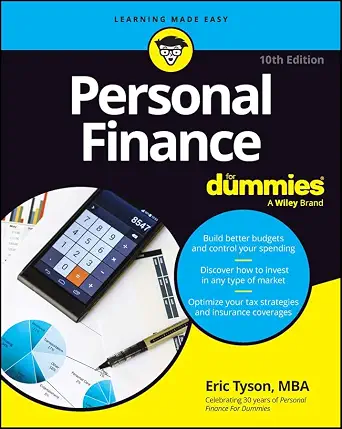
Personal Finance For Dummies
This classic offers a broad overview of personal finance topics, making it a good starting point for readers who want to understand budgeting, saving, and debt management in simple terms. Compared to ‘The Simple Path to Wealth,’ it covers a wider range of topics but doesn’t dive as deeply into wealth-building strategies. It’s a practical choice for those looking for a one-stop guide, though it may feel too basic for seasoned investors or those seeking advanced advice. Its straightforward language and broad scope make it a staple for beginners.
Pros:- Easy-to-understand guidance across topics
- Comprehensive coverage of personal finance
- Suitable for complete beginners
Cons:- Lacks advanced financial strategies
- May be too basic for experienced investors
Best for: Beginners wanting a comprehensive yet accessible guide to all major personal finance topics.
Not ideal for: Experienced investors or readers seeking detailed, specialized financial strategies.
- Author:Eric Tyson
- Page Count:384 pages
- Publication Year:2019
- Focus:Budgeting, saving, debt, investing
Our verdict“This book is ideal for beginners seeking a broad, easy-to-understand overview of personal finance.”
Personal Finance QuickStart Guide: The Simplified Beginner’s Guide to Eliminating Financial Stress, Building Wealth, and Achieving Financial Freedom
This book emphasizes reducing financial stress and building a foundation for wealth, making it a good fit for those overwhelmed by complex financial advice. Compared with ‘The Social Security Money Code,’ which concentrates on retirement strategies, this guide focuses more broadly on eliminating daily money worries through simple, actionable steps. Its focus on stress reduction makes it practical for newcomers, but it doesn’t include detailed investment or advanced planning strategies. If you need quick, clear advice to start your financial journey without feeling overwhelmed, this is a solid pick.
Pros:- Simple, easy-to-understand advice
- Focuses on eliminating financial stress
- Provides practical steps toward wealth
Cons:- Lacks detailed or advanced strategies
- No specific tools or resources included
Best for: Readers new to personal finance who want to eliminate stress and establish basic financial habits.
Not ideal for: Those seeking advanced financial planning or specific retirement strategies.
- Author:Eric Tyson
- Page Count:160 pages
- Publication Year:2018
- Focus:Financial stress reduction, basic wealth building
Our verdict“This guide is best for beginners who need straightforward advice to reduce stress and start managing their finances.”
This book offers detailed guidance on maximizing retirement income through strategic Social Security claiming and avoiding costly Medicare and tax errors. Compared with ‘The Simple Path to Wealth,’ which emphasizes building wealth over time, this title zeroes in on optimizing benefits during retirement, making it ideal for those close to or in retirement. Its comprehensive strategies can be complex, which might challenge readers unfamiliar with tax or Medicare intricacies. However, for retirees or soon-to-be retirees aiming to maximize their benefits, this book provides valuable, targeted advice.
Pros:- Comprehensive strategies for maximizing retirement income
- Helps avoid costly Medicare and tax errors
- Guides on optimal Social Security claiming timing
Cons:- Content may be complex for some readers
- No specific product features or interactive tools
Best for: Retirees or near-retirees seeking to maximize Social Security benefits and avoid costly mistakes.
Not ideal for: Young adults or those early in their financial journey who are not yet focused on retirement planning.
- Author:Jim McCarthy
- Page Count:220 pages
- Publication Year:2022
- Focus:Retirement planning, Social Security optimization
Our verdict“This book is ideal for those approaching retirement who want to optimize Social Security and retirement income strategies.”
The Paycheck Blueprint: A Proven Budgeting System to Stop Living Paycheck to Paycheck, Pay Off Debt, and Build Wealth
This book stands out for its straightforward, proven budgeting system that directly addresses the common struggle of living paycheck to paycheck. Compared with The Money Habit, which emphasizes stress-free financial habits, The Paycheck Blueprint offers a more structured approach focused on eliminating debt quickly. Its focus on financial independence makes it ideal for those looking for clear, actionable steps, but the lack of detailed specifications or advanced financial planning tools may leave experienced savers wanting more. Tradeoffs include a narrower scope of content—it’s more about practical budgeting than comprehensive financial advice.
Pros:- Provides a proven, easy-to-follow budgeting system
- Focuses on achieving financial independence quickly
- Helps eliminate debt with practical strategies
Cons:- Limited scope—mostly focused on budgeting and debt, not investing
- No detailed technical specifications or tools included
Best for: Individuals seeking a straightforward, actionable system to break paycheck-to-paycheck living and pay off debt quickly
Not ideal for: Advanced investors or those looking for detailed investment strategies, as the book mainly covers budgeting and debt elimination
- Focus Area:Budgeting and debt elimination
- Intended Audience:Beginners seeking financial stability
Our verdict“This pick is best for readers who want a no-nonsense plan to stabilize their finances and pay off debt efficiently.”
I Will Teach You to Be Rich: No Guilt. No Excuses. Just a 6-Week Program That Works (Second Edition)
This book makes the list for its practical 6-week program that turns complex financial concepts into manageable steps. Unlike The Ultimate Guide to Personal Finance, which covers a broad range of topics, this book emphasizes a structured, time-bound plan to develop habits and improve finances. Its no-guilt approach appeals to readers who need motivation without feeling overwhelmed, though the specific strategies aren’t exhaustively detailed and may require a dedicated 6-week commitment. The focus on behavioral change makes it ideal for those who prefer an action-driven approach over theory.
Pros:- Actionable 6-week program that delivers results
- Encourages a guilt-free, positive mindset towards money
- Updated second edition with modern financial tips
Cons:- Limited detail on specific investment or savings strategies
- Requires consistent commitment over six weeks
Best for: Beginners or those who prefer a structured, time-limited plan to overhaul their financial habits
Not ideal for: Readers seeking in-depth investment advice or advanced financial planning, as the focus remains on habits and mindset
- Program Duration:6 weeks
- Approach:Behavioral and mindset-focused
Our verdict“Ideal for newcomers eager for a guided, step-by-step plan to improve their financial habits without feeling overwhelmed.”
The Money Habit: The Worry-Free Way to Financial Independence
This book excels in offering practical, easy-to-understand advice for developing healthy money habits that lead to financial independence. Compared with The Paycheck Blueprint, which emphasizes budgeting and debt reduction, The Money Habit leans toward creating sustainable behaviors that reduce stress over money management. Its broad appeal makes it suitable for all levels, but its lack of detailed financial planning tools could leave those needing specific investment or tax strategies wanting more. It’s a great choice for readers seeking a calm, manageable path to wealth without complex technicalities.
Pros:- Practical and easy-to-understand advice
- Focuses on stress-free, sustainable money habits
- Suitable for all financial knowledge levels
Cons:- Lacks detailed financial planning tools
- No specific target audience beyond general financial independence
Best for: Readers looking for a stress-free, habit-based approach to achieve financial independence
Not ideal for: Experienced investors or those requiring detailed financial planning tools and advanced strategies
- Main Focus:Habit formation for financial independence
- Ease of Use:Beginner-friendly
Our verdict“Perfect for those who want to build wealth through manageable, stress-free habits rather than complex techniques.”
How to Adult: Personal Finance for the Real World
This book provides straightforward, real-world advice tailored for adults starting to manage their finances. It differs from The Simple Path to Wealth by focusing more on everyday financial decisions rather than long-term investing, making it more accessible for absolute beginners. Its practical tips are easy to follow, but it falls short of offering advanced strategies or digital resources that more experienced readers might seek. It’s best suited for young adults or new adults who need immediate, actionable financial guidance.
Pros:- Practical, easy-to-understand advice
- Focus on real-world financial decisions
- Great for absolute beginners
Cons:- Lacks advanced financial strategies
- No digital resources or online tools included
Best for: Young adults or adults new to personal finance looking for simple, real-world tips
Not ideal for: Seasoned investors or those seeking comprehensive wealth-building strategies beyond basic money management
- Target Audience:Young adults and beginners
- Content Focus:Practical, real-world financial tips
Our verdict“This is an excellent starting point for young adults and new earners aiming to grasp essential financial skills quickly.”
The Ultimate Guide to Personal Finance: From Debt to Financial Freedom
This extensive guide covers a broad spectrum of personal finance topics, making it a versatile resource comparable to The Complete Personal Finance. While it offers practical advice suitable for both beginners and more advanced readers, it lacks specific product features or detailed technical explanations, which could leave detailed-oriented users wanting more. Its comprehensive nature makes it a solid reference, but the absence of customer ratings or reviews may raise questions about its real-world applicability. This makes it best for those who want a wide-ranging overview rather than niche, technical insights.
Pros:- Covers a wide range of personal finance topics
- Suitable for all levels, from beginners to advanced
- Provides practical financial strategies
Cons:- Lacks specific product features or technical details
- No customer reviews or ratings to gauge effectiveness
Best for: Readers seeking an all-in-one personal finance reference that covers debt, savings, investing, and more
Not ideal for: Those looking for highly detailed, technical investment strategies or digital tools
- Coverage:Debt, savings, investing, and more
- Audience:Beginners to advanced
Our verdict“Best suited for readers wanting a broad, comprehensive overview of personal finance without deep technical complexity.”
Finance for Beginners: 101 Concepts
Finance for Beginners: 101 Concepts stands out for its straightforward explanations of core financial principles, making it ideal for those just starting their journey into personal finance. Compared with books like Get a Financial Life, which offers more practical advice, this book focuses on laying a solid conceptual foundation without delving into detailed strategies. Its simplicity is a major advantage for readers overwhelmed by complexity, but it does have notable tradeoffs: the lack of in-depth analysis and absence of practical exercises may leave some learners craving more actionable steps. This pick makes the most sense for newcomers who want clarity over complexity and aren’t yet ready for advanced topics.
Pros:- Clear explanations of financial concepts
- Great for beginners
- Provides a comprehensive overview of personal finance
Cons:- Lacks in-depth analysis
- No practical exercises
- Limited coverage of advanced topics
Best for: Individuals brand new to personal finance looking for clear, foundational concepts
Not ideal for: Experienced savers or those seeking detailed investment strategies, as it remains high-level and basic
- Format:Paperback, Kindle
- Pages:150
- Publication Year:2023
Our verdict“This book is best suited for absolute beginners who need simple, easy-to-understand financial concepts without the complexity of advanced strategies.”
The Definitive Guide to Personal Finance for Teens and Young Adults: Build Strong Financial Knowledge, Master Simple Money Management Habits, & Learn Basic Investment Strategies
This book makes the most sense for teenagers and young adults who need a tailored approach to foundational money skills. It emphasizes practical habits like saving and budgeting, along with basic investment strategies, similar to Get a Financial Life, but with a sharper focus on young readers’ needs. Its strength lies in building practical habits early, yet it may fall short for those seeking more advanced financial education or updated content, as no specific edition details are provided. Compared to more comprehensive adult guides, this one is leaner and more accessible but may leave older or more experienced learners wanting deeper insights. It’s a good starting point for developing healthy financial habits early on.
Pros:- Comprehensive guide for young adults
- Focuses on practical money management skills
- Includes basic investment strategies
Cons:- No specific edition or publication date
- Content may be too basic for advanced learners
- Limited scope for experienced investors
Best for: Teens and young adults starting to manage their money
Not ideal for: Older adults or advanced learners who need detailed investment advice or in-depth strategies
- Format:Paperback, Kindle
- Pages:180
- Publication Year:2022
Our verdict“This book is ideal for young readers aiming to build core financial habits and basic investment understanding early on.”
Get a Financial Life: Personal Finance in Your Twenties and Thirties
Compared to Finance for Beginners: 101 Concepts, which offers broad foundational ideas, Get a Financial Life dives into practical advice tailored for early career adults managing multiple financial responsibilities. It covers budgeting, saving, investing, and debt management with an emphasis on building a strong financial base. While it provides actionable guidance, it doesn’t feature specific tools or detailed step-by-step instructions, which could be a drawback for those seeking more structured plans. This book is better suited for readers who want practical advice without the clutter of overly technical content, but it might leave those needing advanced or comprehensive financial planning wanting more.
Pros:- Provides practical financial advice
- Covers essential topics like budgeting and debt management
- Helpful for building a solid financial foundation
Cons:- No specific features or tools mentioned
- Limited coverage of advanced topics
- May not suit those with complex financial situations
Best for: Young professionals in their twenties or thirties seeking practical financial guidance
Not ideal for: High-income earners or those looking for advanced investment strategies, as it focuses on foundational topics
- Format:Paperback, Kindle
- Pages:200
- Publication Year:2021
Our verdict“This book is well-suited for young adults wanting straightforward, actionable advice to secure their financial future without overwhelming details.”
Debt Free: The No-Nonsense Personal Finance System for People Who Hate Personal Finance
This pick makes the most sense for readers who find traditional personal finance overwhelming or unapproachable. Compared with Finance for Beginners: 101 Concepts, which offers a broad overview, Debt Free distills the process into straightforward, practical steps aimed at eliminating debt and building security. Its simplicity is a major strength for those who dislike detailed financial jargon or step-by-step plans, but this comes with notable tradeoffs—lacking detailed instructions and advanced content, it might leave readers wanting more guidance once they start tackling complex financial situations. It’s a solid choice for those who want a no-frills, practical approach without the fluff, but not for those seeking comprehensive financial mastery.
Pros:- Simple and practical advice
- Designed for people who dislike traditional finance
- Focuses on building security and debt elimination
Cons:- Lacks detailed, step-by-step instructions
- Limited coverage of advanced topics
- Content details are minimal
Best for: People who dislike traditional personal finance methods and want straightforward debt elimination strategies
Not ideal for: Experienced investors or those needing detailed, step-by-step financial planning, as content is limited and simplified
- Format:Paperback, Kindle
- Pages:120
- Publication Year:2022
Our verdict“This book is perfect for individuals seeking a straightforward, no-nonsense approach to debt and basic financial security without the complexity of traditional methods.”

How We Picked
The selection process prioritized books that offer clear, practical advice and are highly rated for accuracy and accessibility. We focused on titles that balance depth with readability, ensuring they appeal to a broad range of readers—from complete beginners to more experienced investors. Price during Prime deals was a key factor, emphasizing books that frequently see significant discounts. Additionally, we considered the diversity of topics covered, favoring titles that address different financial goals and life stages. This approach results in a curated list of books that are both valuable and budget-friendly during Prime sales.Factors to Consider When Choosing Personal Finance Books For Prime Deals
When choosing personal finance books for Prime deals, consider how well the content matches your current financial knowledge, goals, and learning style. Not all books are created equal—some are better suited for beginners, while others offer in-depth strategies for experienced savers. Price fluctuations mean timing your purchase can lead to substantial savings, but understanding which titles provide the most value at a discount is key. Additionally, think about the book’s focus area—debt management, investing, or general financial literacy—to ensure it aligns with your needs. Finally, check reviews and ratings to gauge how effectively the book communicates complex concepts.Your Current Financial Knowledge and Goals
Choose a book that matches your experience level and financial objectives. Beginners should look for titles that explain basic concepts clearly, like Personal Finance for Beginners. More advanced readers might prefer books that delve into investment strategies or retirement planning. Clarifying what you want to learn helps you avoid spending on a book that offers more than you need or, conversely, is too superficial for your goals.Timing and Discount Potential
Prime deals fluctuate, often offering significant discounts on popular titles. To maximize savings, consider waiting for sales or bundling purchases. Keep an eye on price trends for your preferred books—some titles see regular discounts, making them easier to acquire at a bargain. Remember, a good deal isn’t just about price, but also about buying a book that offers real value for your investment of time and money.Content Focus and Relevance
Identify what aspect of personal finance you want to improve—budgeting, debt reduction, investing, or financial independence. Books like The Paycheck Blueprint excel at budgeting, while The Simple Path to Wealth covers investing and early retirement. Picking a book aligned with your immediate needs ensures you get the most actionable advice, rather than spending on something that’s less relevant.Learning Style and Accessibility
Some readers prefer straightforward, no-frills guides, while others seek detailed, comprehensive explanations. For example, Personal Finance For Dummies is ideal for those who want a broad overview in an accessible format, whereas The Money Habit appeals to readers looking for behavioral strategies. Consider how the book’s tone and structure match your preferred learning method for a more productive experience.Reviews and Ratings
Before purchasing, review user ratings and comments to gauge how well the book communicates complex ideas and whether it has been helpful for others with similar goals. High ratings often indicate clear, practical advice, but also read some detailed reviews to identify any recurring issues, such as outdated information or poor organization. This step helps ensure your investment yields valuable insights.Frequently Asked Questions
Are these books suitable for complete beginners?
Yes, many of these titles are designed with beginners in mind, featuring simple language and foundational concepts. For instance, Personal Finance for Beginners and Personal Finance For Dummies are specifically tailored to help newcomers build confidence and understanding before tackling more complex topics like investing or retirement planning. These books often include step-by-step guidance, making them ideal starting points for anyone new to managing money.
Will these books be worth buying during Prime sales?
Absolutely, Prime deals often offer significant discounts on the top titles in this list, making it a smart time to purchase. Look for books that regularly see discounts—these tend to be popular and well-reviewed. Timing your purchase during a Prime sale can save you a substantial amount, especially for more comprehensive or premium titles that might normally be priced higher. However, verify the current sale prices and compare them to previous trends to ensure you’re getting a genuine deal.
Should I buy multiple books for different topics or stick to one?
It depends on your specific goals and learning preferences. If you’re just starting out, a single comprehensive book like The Ultimate Guide to Personal Finance may suffice. However, if you’re aiming to master specific skills like budgeting or investing, combining a practical guide with a behavioral book, such as The Money Habit, can provide a more rounded education. Be mindful of overlapping content to avoid redundancy, and consider your capacity to absorb multiple books at once.
Are these books still relevant given changing financial laws and markets?
While some books may contain slightly outdated information, most of the core principles—such as budgeting, saving, and basic investing—remain relevant. It’s wise to check publication dates and look for editions that have been updated recently. For fast-changing topics like tax laws or retirement strategies, supplement your reading with current articles or official resources. This way, you benefit from foundational knowledge while staying informed about recent developments.
Can I rely solely on books for my financial education?
Books are a valuable foundation, but they work best when combined with practical experience and current information. Reading enhances your understanding, but applying the concepts—such as creating a budget or starting an investment—cements your knowledge. Additionally, supplement your reading with reputable online resources, podcasts, and professional advice for a well-rounded approach. This multi-channel strategy helps adapt the principles in the books to your unique financial situation.
Conclusion
For those just starting out, Personal Finance for Beginners offers an accessible entry point. If you’re seeking the best overall resource, The Simple Path to Wealth balances clarity with actionable strategies. Budget-conscious shoppers should focus on titles with frequent Prime discounts, like The Paycheck Blueprint, which offers great value. For more advanced readers or those looking for in-depth insights, investing in premium options like The Ultimate Guide to Personal Finance makes sense. Ultimately, your choice should align with your current knowledge level, goals, and budget, ensuring you get the most out of your Prime deals.
Fall Picks
fall essentials
As an affiliate, we earn on qualifying purchases.