

The best beginner investing books make basic ideas clear without pretending there is one perfect strategy for everyone. My best overall pick is The Simple Path to Wealth for its focused long-term approach, while The Psychology of Money stands out for explaining how behavior shapes financial decisions and Investing 101 for its broad introduction to investing terms. The main tradeoff is between a concise guide that gets you started and a broader book that covers more topics but may take longer to apply. Some books focus on index investing, while others address specific audiences, strategies, or tools such as options and AI. Read on for the full breakdown and help matching a book to your goals and experience.

Get smart everyday buys delivered free with Prime
- Fast, free delivery on millions of items
- Prime Video, Amazon Music and more included
- Member-only deals all year
Key Takeaways
- The Simple Path to Wealth earns the overall lead by centering a beginner on a clear, long-term investing philosophy rather than a menu of tactics.
- The Psychology of Money fills a different gap from technical primers: it helps readers think about risk, patience, and behavior, but is not a step-by-step investing manual.
- Investing 101 and Investing for Dummies are better fits for readers who want broad explanations of financial terms and investment types before choosing a strategy.
- Several books are intentionally narrower: the options, teen-focused, AI-focused, and small-investor guides make the most sense when their particular subject matches the reader’s immediate need.
- The comparison favors accessible guidance and a usable investing framework over ambitious promises; readers should treat any book’s strategy as education, not personalized financial advice.
| Investing for Absolute Beginners: Everything You Need to Know to Get Started Today |  | Best for First Steps | Series: The Investing for Absolute Beginner Series | Intended audience: Absolute beginners | Subject: Investing basics | VIEW LATEST PRICE | See Our Full Breakdown |
| Investing 101: From Stocks and Bonds to ETFs and IPOs |  | Best for a Broad Investment Primer | Series: Adams 101 | Intended audience: Investing beginners | Topics: Stocks, bonds, ETFs, and IPOs | VIEW LATEST PRICE | See Our Full Breakdown |
| Investing for Beginners Made Simple: A Step-by-Step Guide to the Stock Market, ETFs, and Building Wealth |  | Best for Step-by-Step Stock and ETF Learning | Intended audience: Investing beginners | Named topics: Stock market and ETFs | Teaching approach: Step-by-step guide | VIEW LATEST PRICE | See Our Full Breakdown |
| The Psychology of Money: Timeless Lessons on Wealth, Greed, and Happiness |  | Best for Investor Mindset | Author: Morgan Housel | Primary subject: Psychology of money and financial behavior | Themes: Wealth, greed, and happiness | VIEW LATEST PRICE | See Our Full Breakdown |
| Investing for Dummies |  | Best for a Familiar Reference-Style Starting Point | Title: Investing for Dummies | Subject: Investing | Intended audience: Beginners, as indicated by the title | VIEW LATEST PRICE | See Our Full Breakdown |
| Options Trading Simplified for Beginners |  | Best for Exploring Options | Title: Options Trading Simplified for Beginners | Subject: Options trading | Intended level: Beginner | VIEW LATEST PRICE | See Our Full Breakdown |
| Stay Calm: Learn to Embrace Uncertainty in Investing and Life |  | Best for Investor Mindset | Title: Stay Calm: Learn to Embrace Uncertainty in Investing and Life | Subject: Uncertainty in investing and life | Stated focus: Embracing uncertainty | VIEW LATEST PRICE | See Our Full Breakdown |
| The Simple Path to Wealth: Your Road Map to Financial Independence and a Rich, Free Life |  | Best for Financial Independence Goals | Title: The Simple Path to Wealth: Your Road Map to Financial Independence and a Rich, Free Life | Subject: Personal finance and investing | Stated goal: Financial independence | VIEW LATEST PRICE | See Our Full Breakdown |
| The Dumb Investor: How the Everyday Investor Can Beat the Pros |  | Best for Everyday-Investor Perspective | Title: The Dumb Investor: How the Everyday Investor Can Beat the Pros | Subject: Everyday investing | Stated audience: Everyday investors | VIEW LATEST PRICE | See Our Full Breakdown |
| Investing 101 for Teens and Young Adults: Start Investing Early, Build Lifelong Wealth, and Avoid Costly Mistakes |  | Best for Young First-Time Investors | Title: Investing 101 for Teens and Young Adults: Start Investing Early, Build Lifelong Wealth, and Avoid Costly Mistakes | Subject: Beginner investing | Intended audience: Teens and young adults | VIEW LATEST PRICE | See Our Full Breakdown |
| Invest Smarter with AI: A Practical Guide to Long-Term Investing, Financial Planning, and Building Wealth | 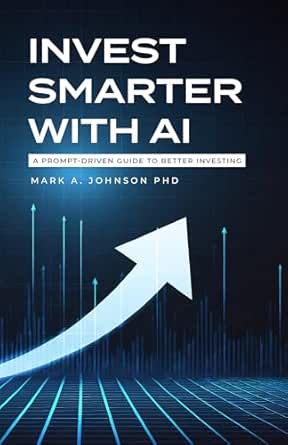 | Best for AI-Curious Beginners | ASIN: B0GKRT3QHN | Subject: AI and investing | Stated approach: Practical guide | VIEW LATEST PRICE | See Our Full Breakdown |
| The Little Book of Common Sense Investing: The Only Way to Guarantee Your Fair Share of Stock Market Returns | 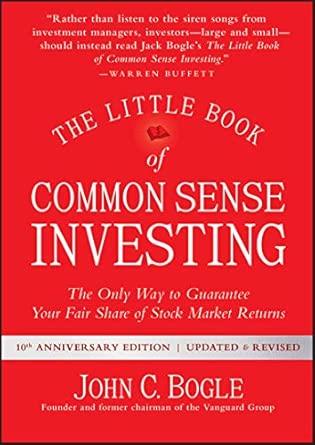 | Best for Index-Investing Fundamentals | ASIN: 1119404509 | Named subject: Common-sense investing | Stated focus: Stock-market returns | VIEW LATEST PRICE | See Our Full Breakdown |
| How to Invest $50–$5,000, 10th Edition: The Small Investor’s Step-by-Step Plan for Low-Risk Investing in Today’s Economy | 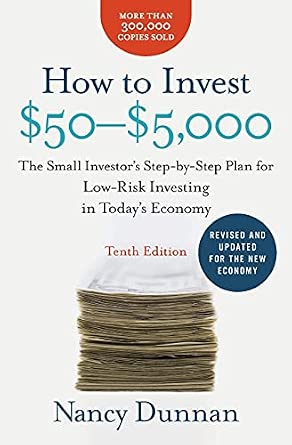 | Best Step-by-Step Pick for Small Investors | ASIN: 0061935166 | Edition: 10th | Stated investment range: $50–$5,000 | VIEW LATEST PRICE | See Our Full Breakdown |
| A Beginner’s Guide to the Stock Market: Everything You Need to Start Making Money Today |  | Best Stock-Market Starting Point | ASIN: 1099617200 | Named subject: Stock market | Intended audience: Beginners | VIEW LATEST PRICE | See Our Full Breakdown |
| Beginner’s Guide to Growing Wealth and Investing: Planting Seeds & Growing Riches |  | Best for a Wealth-Building Mindset | ASIN: B0FXTY8PJX | Named audience: Beginners | Stated subjects: Wealth building and investing | VIEW LATEST PRICE | See Our Full Breakdown |
| beginner investing book | Format | ASIN | Subject |
|---|---|---|---|
| Investing for Absolute Beginne | Book | B0F5NW9BXD | Investing basics |
| Investing 101: From Stocks and | Book | 1440595135 | — |
| Investing for Beginners Made S | Book | B0GJZJVQHQ | — |
| The Psychology of Money: Timel | Book | 0857197681 | — |
| Investing for Dummies | Book | 1394286732 | Investing |
| Options Trading Simplified for | Not specified in supplied product data | — | Options trading |
| Stay Calm: Learn to Embrace Un | Not specified in supplied product data | — | Uncertainty in investing and life |
| The Simple Path to Wealth: You | Not specified in supplied product data | — | Personal finance and investing |
| The Dumb Investor: How the Eve | Not specified in supplied product data | — | Everyday investing |
| Investing 101 for Teens and Yo | Not specified in supplied product data | — | Beginner investing |
| Invest Smarter with AI: A Prac | — | B0GKRT3QHN | AI and investing |
| The Little Book of Common Sens | — | 1119404509 | — |
| How to Invest $50–$5,000 | — | 0061935166 | — |
| A Beginner’s Guide to the Stoc | — | 1099617200 | — |
| Beginner’s Guide to Growing We | — | B0FXTY8PJX | — |
More Details on Our Top Picks
Investing for Absolute Beginners: Everything You Need to Know to Get Started Today
This is the clearest fit for readers who want a starting point before sorting through specific investment choices. Its stated focus on absolute beginners makes it more directly welcoming than Investing 101, whose title signals a broader survey of stocks, bonds, ETFs, and IPOs. As part of The Investing for Absolute Beginner Series, it may also suit readers who prefer a focused entry in a dedicated series. The tradeoff is that the supplied description gives no detail about its investing topics, structure, or depth, so I can’t tell whether it offers portfolio instructions or examples. Choose it for an approachable introduction, but compare it with Investing for Beginners Made Simple if you specifically want stock-market and ETF coverage called out up front.
Pros:- Explicitly aimed at absolute beginners
- Introduces the basics of investing
- Part of a dedicated investing-for-beginners series
Cons:- Available information does not specify which investment types or strategies it covers
- The description does not clarify how much step-by-step portfolio guidance it provides
Best for: Readers with no investing background who want a book explicitly aimed at absolute beginners.
Not ideal for: Readers who want confirmed coverage of specific investments, portfolio-building steps, or detailed examples before choosing a book.
- Series:The Investing for Absolute Beginner Series
- Intended audience:Absolute beginners
- Subject:Investing basics
- Purpose:Help readers get started with investing
- Format:Book
- ASIN:B0F5NW9BXD
Our verdict“Choose this as a first read if beginner-focused framing matters more than knowing the exact topics covered.”
Investing 101: From Stocks and Bonds to ETFs and IPOs
Among these options, Investing 101 makes the broadest explicit promise about investment types: it names stocks, bonds, ETFs, and IPOs, then connects that overview to building a portfolio. That makes it a stronger match than Investing for Absolute Beginners for readers who want to compare familiar categories rather than begin with general investing basics alone. The Adams 101 series identity also frames it as an introductory primer. Its breadth has a tradeoff: readers who want a narrow, plain-language first step may find a tour of several asset types less focused than a book aimed specifically at absolute beginners. The supplied details do not establish how much practical portfolio instruction or depth each topic receives.
Pros:- Names several common investment types
- Designed as an introductory guide
- Connects investment choices with building a portfolio
- Part of the Adams 101 series
Cons:- A broad subject list may offer less focus for readers seeking a very simple first step
- Available details do not specify the depth of its portfolio guidance
Best for: New investors who want an introductory overview of stocks, bonds, ETFs, and IPOs alongside portfolio-building concepts.
Not ideal for: Readers who want a tightly focused first lesson or need confirmed detail about the book’s step-by-step investing methods.
- Series:Adams 101
- Intended audience:Investing beginners
- Topics:Stocks, bonds, ETFs, and IPOs
- Portfolio focus:Building a portfolio
- Approach:Introductory primer
- Format:Book
- ASIN:1440595135
Our verdict“Pick this if you want a beginner primer that explicitly surveys several investment types rather than only general basics.”
Investing for Beginners Made Simple: A Step-by-Step Guide to the Stock Market, ETFs, and Building Wealth
This title stands out for combining stock-market basics with ETF investing and a stated step-by-step approach. That gives it a more specific learning path than Investing for Absolute Beginners, whose supplied description only promises an introduction to investing basics. Its emphasis on building wealth with limited funds also speaks to beginners who worry they need a large starting balance. The tradeoff is that the description does not say what the steps involve or how the book handles risk, diversification, or portfolio decisions, so the title alone can’t confirm how actionable the guidance is. Compared with Investing 101, this appears narrower in its named investment coverage, but more tailored to stock and ETF newcomers.
Pros:- Explicitly focuses on stock-market investing and ETFs
- Signals a step-by-step teaching approach
- Addresses building wealth with limited funds
- Written for beginners
Cons:- The description does not identify the steps or investing methods used
- Named coverage is narrower than the stocks, bonds, ETFs, and IPOs listed for Investing 101
Best for: New investors with limited starting funds who want a step-by-step introduction focused on stocks and ETFs.
Not ideal for: Readers seeking a broad overview of bonds, IPOs, or other investment categories, or those who need verified detail about the book’s methods.
- Intended audience:Investing beginners
- Named topics:Stock market and ETFs
- Teaching approach:Step-by-step guide
- Wealth-building focus:Building wealth with limited funds
- Format:Book
- ASIN:B0GJZJVQHQ
Our verdict“Choose this if you want a beginner-oriented stock and ETF guide framed around starting with limited funds.”
The Psychology of Money: Timeless Lessons on Wealth, Greed, and Happiness
Rather than teaching a sequence of investing mechanics, The Psychology of Money examines how behavior and emotions shape financial decisions. Its blend of psychology, history, and real-world anecdotes offers a useful counterweight to practical primers such as Investing 101, which explicitly covers investment categories and portfolio building. For a beginner, that makes this a strong companion read for thinking about patience, personal values, and reactions to money—not a substitute for learning how investments work. The main tradeoff is its anecdotal, reflective style: readers looking for a step-by-step stock or ETF guide may find the instruction too indirect, and familiar financial ideas may feel repetitive. I’d choose it to build perspective, then pair it with a more technical beginner book.
Pros:- Explores how behavior and emotions affect financial outcomes
- Uses psychology, history, and real-world anecdotes
- Offers lessons that apply across income levels
- Encourages reflection on values and money habits
Cons:- Does not serve as a step-by-step investing manual
- Anecdotal style may not suit readers seeking technical instruction
- Some ideas may feel repetitive to readers familiar with basic financial concepts
Best for: Beginning investors who want to reflect on money habits, emotional decision-making, and the personal side of wealth.
Not ideal for: Readers seeking direct instructions on choosing investments, building a portfolio, or learning stock and ETF mechanics.
- Author:Morgan Housel
- Primary subject:Psychology of money and financial behavior
- Themes:Wealth, greed, and happiness
- Approach:Psychology, history, and real-world anecdotes
- Intended application:Reflection on money habits and financial decisions
- Format:Book
- ASIN:0857197681
Our verdict“Choose this to strengthen your money mindset, but pair it with a practical primer such as Investing 101 for investing mechanics.”
Investing for Dummies
Investing for Dummies is a recognizable beginner-oriented choice, but the information supplied here is unusually sparse: beyond the title and book format, it gives no topic list, teaching style, or detail about portfolio guidance. That makes it harder to rank for a specific investing need than Investing 101, which explicitly names stocks, bonds, ETFs, and IPOs, or Investing for Beginners Made Simple, which names stocks, ETFs, and a step-by-step approach. Its likely appeal is straightforward: readers drawn to the “For Dummies” label may want an accessible entry point. Still, I would not choose it based on assumed coverage alone. The main tradeoff is uncertainty about what a beginner will actually learn and how practically the material is presented.
Pros:- Clearly positioned as a book about investing
- The title signals a beginner-oriented approach
- Book format is specified
- May appeal to readers familiar with the For Dummies format
Cons:- Available product details do not list covered investment topics
- No supplied information confirms portfolio-building guidance or teaching structure
- Harder to match to a specific beginner need than Investing 101
Best for: First-time readers drawn to a familiar beginner-book format who are willing to check the edition and contents before choosing.
Not ideal for: Buyers who want confirmed coverage of particular investments or a clearly described step-by-step method.
- Title:Investing for Dummies
- Subject:Investing
- Intended audience:Beginners, as indicated by the title
- Series or brand:For Dummies
- Format:Book
- ASIN:1394286732
Our verdict“Consider this if the familiar beginner label appeals, but check its contents first if you need specific investing topics or practical steps.”
Options Trading Simplified for Beginners
Options focus sets this apart from broad introductions such as Investing 101: it is aimed at beginners curious about options strategies, including those starting with a small account. That narrower subject can help readers explore a specific area rather than work through a general survey of stocks and funds. The tradeoff is that options are more complex and can expose beginners to losses more quickly than a basic long-term investing approach. The available description does not name the strategies, explain how risk is handled, or identify the book’s format, so I would not treat it as a complete investing foundation. I would pair it with a broad beginner guide and approach any trading lessons cautiously.
Pros:- Specifically aimed at beginner options traders
- Focuses on essential options trading skills
- Addresses readers interested in trading with a small account
Cons:- Provided information does not identify the strategies or topics covered
- Options trading can involve risks that a broad beginner investing book may not emphasize
- No details are provided about format or how the material explains risk
Best for: New investors who already understand they want to study options trading and want a beginner-oriented starting point, including readers with a small account.
Not ideal for: Readers seeking a broad introduction to long-term investing, diversified funds, or a clearly documented curriculum; the supplied details do not establish the book’s scope or risk guidance.
- Title:Options Trading Simplified for Beginners
- Subject:Options trading
- Intended level:Beginner
- Stated focus:Essential options trading skills
- Account context:Trading with a small account
- Format:Not specified in supplied product data
Our verdict“Choose this if options are your specific learning goal, but use a broad investing guide alongside it for foundational context.”
Stay Calm: Learn to Embrace Uncertainty in Investing and Life
Emotional steadiness is the book’s stated angle: it connects uncertainty in investing with uncertainty in everyday life. That makes it a different kind of beginner pick from Investing 101, which signals a broader, topic-based introduction. A mindset-focused book may appeal to readers who understand basic investing but feel unsettled by market unpredictability. The available description, however, does not say whether it offers practical investing examples, exercises, or concrete guidance for making portfolio decisions. I would treat it as a possible companion to an instructional book, not a substitute for learning core concepts such as diversification and risk. With no further details supplied, its depth and intended reading level are hard to judge.
Pros:- Explicitly addresses uncertainty in investing
- Connects investing themes with everyday life
- Offers a distinct mindset-oriented angle compared with introductory textbooks
Cons:- The supplied description does not identify any specific investing lessons
- No details establish whether it includes practical exercises or examples
- Its level, structure, and format are not provided
Best for: New investors who already have a basic investing resource and want a book centered on uncertainty and emotional responses to investing.
Not ideal for: Readers who need step-by-step guidance on accounts, investment types, or building a portfolio, since those subjects are not specified in the description.
- Title:Stay Calm: Learn to Embrace Uncertainty in Investing and Life
- Subject:Uncertainty in investing and life
- Stated focus:Embracing uncertainty
- Investing approach:Mindset-oriented, based on supplied description
- Life context:Everyday life
- Format:Not specified in supplied product data
Our verdict“Pick this as a possible mindset companion, not as your only guide to beginner investing.”
The Simple Path to Wealth: Your Road Map to Financial Independence and a Rich, Free Life
Financial independence is the central promise here, giving the book a broader life-planning angle than a title such as Investing for Absolute Beginners, which is framed around getting started. That focus may suit a reader who wants investing connected to long-term freedom rather than a quick survey of market terms. The supplied description says it addresses pursuing financial independence, but it does not specify the investments, steps, or level of detail covered. I would not assume it functions as a complete how-to manual based on the title alone. For a first investing book, its appeal depends on whether the reader wants a guiding personal-finance theme; someone seeking clearly itemized basics may prefer a more explicitly instructional introduction.
Pros:- Clearly centers financial independence
- Connects investing with the goal of greater freedom
- Offers a distinct long-term framing compared with basic get-started guides
Cons:- The supplied description does not list specific investment lessons
- No details confirm the book’s level of technical depth
- The provided data does not establish its format or practical tools
Best for: Beginning investors who want to connect investing with long-term financial independence and life goals.
Not ideal for: Readers who need a clearly specified, step-by-step primer on investment accounts, asset types, or portfolio construction; those details are absent from the supplied data.
- Title:The Simple Path to Wealth: Your Road Map to Financial Independence and a Rich, Free Life
- Subject:Personal finance and investing
- Stated goal:Financial independence
- Intended outcome:A life of greater freedom
- Description detail:No further investing topics supplied
- Format:Not specified in supplied product data
Our verdict“Choose this if financial independence is your main motivation, and favor a more explicitly instructional title if you need basics laid out step by step.”
The Dumb Investor: How the Everyday Investor Can Beat the Pros
Everyday investors versus professionals is the premise that distinguishes this book from a general introduction such as Investing 101. It may speak to beginners looking for a case for how an individual investor can compete without professional status. That positioning is engaging, but the supplied description does not explain what methods support the claim, what “beat the pros” means, or how risks are addressed. I would read the title as a perspective to examine, not a guaranteed outcome. Compared with a fundamentals-first guide, this option appears more focused on the everyday investor’s relative position than on a clearly described course in investment basics. The lack of topic and format details makes it difficult to judge as a standalone first book.
Pros:- Addresses the perspective of everyday investors
- Directly contrasts individual investors with professionals
- Has a distinct premise compared with broad introductory investing guides
Cons:- The description does not explain how readers are meant to compete with professionals
- No specific investment topics or strategies are identified
- The supplied data does not clarify its level, format, or risk discussion
Best for: New investors interested in a book framed around the everyday investor’s ability to compete with professionals, provided they are willing to pair it with foundational instruction.
Not ideal for: Readers who want a neutral, clearly outlined primer or evidence of specific strategies before choosing a book; the supplied description gives no method or curriculum.
- Title:The Dumb Investor: How the Everyday Investor Can Beat the Pros
- Subject:Everyday investing
- Stated audience:Everyday investors
- Central premise:Competing with professional investors
- Specific methods:Not provided in supplied product data
- Format:Not specified in supplied product data
Our verdict“Consider it for its everyday-investor premise, but choose a fundamentals-led book first if you need a clear beginner curriculum.”
Investing 101 for Teens and Young Adults: Start Investing Early, Build Lifelong Wealth, and Avoid Costly Mistakes
Age-specific guidance gives this book a clear audience: teens and young adults learning how to begin investing. Its emphasis on starting early, building wealth over time, and avoiding common mistakes speaks to decisions young readers may face before they have much investing experience. Compared with Investing for Absolute Beginners, this title makes its intended age group more explicit, which may help a younger reader feel the material is meant for them. The tradeoff is that the description does not list its specific lessons or say how it handles practical constraints that vary by age. Readers outside its intended group may prefer a general introduction, while teens should check that the guidance fits their circumstances and access to investing accounts.
Pros:- Explicitly targets teens and young adults
- Highlights the potential value of starting early
- Addresses building wealth over time
- Calls out avoiding common investing mistakes
Cons:- Supplied details do not identify the specific lessons or investment types covered
- No information explains how the book addresses age-related account access
- Its youth-focused framing may be less suited to older first-time investors
Best for: Teens and young adults seeking an introductory investing book focused on starting early, long-term wealth building, and avoiding common mistakes.
Not ideal for: Older beginners looking for an age-neutral guide, or young readers who need detailed, confirmed instructions about account eligibility and investing mechanics.
- Title:Investing 101 for Teens and Young Adults: Start Investing Early, Build Lifelong Wealth, and Avoid Costly Mistakes
- Subject:Beginner investing
- Intended audience:Teens and young adults
- Stated focus:Starting to invest early
- Long-term theme:Building lifelong wealth
- Risk-awareness theme:Avoiding common investing mistakes
- Format:Not specified in supplied product data
Our verdict“This is the clearest fit for a teen or young adult starting out, while older beginners may be better served by an age-neutral primer.”
Invest Smarter with AI: A Practical Guide to Long-Term Investing, Financial Planning, and Building Wealth
AI-assisted investing is this book’s distinguishing angle: its title promises practical guidance linking AI with long-term investing, financial planning, and wealth building. That may appeal to a beginner who wants to understand how emerging tools fit into an investing plan, rather than starting with a broad introduction such as Investing 101: From Stocks and Bonds to ETFs and IPOs. The emphasis on long-term investing suggests a more measured purpose than short-term trading. However, the available description gives no chapter details, specific AI tools, or explanation of how the advice handles risks like inaccurate outputs and changing technology. Compared with The Little Book of Common Sense Investing, this is the more technology-focused choice, but its fit depends on whether it explains fundamentals as clearly as it promises practical AI use. I’d choose it for the AI angle, not as my only source for core investing concepts.
Pros:- The title directly connects AI use with long-term investing and financial planning.
- Its long-term framing may suit beginners focused on building wealth over time.
- Offers a technology-centered angle that differs from broad market primers.
- Can prompt readers to examine how AI tools fit into personal financial decisions.
Cons:- The available product information does not identify specific AI tools or practical exercises.
- No details are provided about coverage of investing fundamentals or risk management.
- AI advice can age quickly, and the available description does not explain how the book addresses that limitation.
Best for: New investors who already understand they want a long-term approach and want an introduction to using AI in investing and financial planning.
Not ideal for: Readers seeking a clearly documented, traditional introduction to stocks, bonds, and funds, or buyers who want verified details about the book’s tools and chapter coverage before choosing.
- ASIN:B0GKRT3QHN
- Subject:AI and investing
- Stated approach:Practical guide
- Investing horizon:Long-term investing
- Additional topic:Financial planning
- Additional topic:Building wealth
Our verdict“Choose this if AI’s role in long-term investing is your main question, but pair it with a fundamentals-focused guide if you are new to the market.”
The Little Book of Common Sense Investing: The Only Way to Guarantee Your Fair Share of Stock Market Returns
For a beginner drawn to a straightforward, long-term investing philosophy, The Little Book of Common Sense Investing stands apart from books that promise a broad tour of market topics. Its title centers on claiming a fair share of stock-market returns, making it a natural fit for readers interested in a disciplined, market-wide approach rather than picking individual winners. Compared with A Beginner’s Guide to the Stock Market, it appears more focused on an investing principle than a general starter overview; compared with How to Invest $50–$5,000, it does not signal a small-investor or low-risk step-by-step plan. That focus is also its main limitation: the supplied listing provides no description or chapter details, so I can’t confirm how much background it gives newcomers or how thoroughly it covers implementation. It’s a strong conceptual candidate, but beginners needing a broad glossary may want a companion guide.
Pros:- The title clearly signals a focused philosophy rather than a grab bag of investing topics.
- Its emphasis on a fair share of stock-market returns speaks to broad, long-term participation.
- Provides a distinct counterpoint to beginner books centered on stock selection or AI tools.
Cons:- The supplied product data includes no description or chapter outline to confirm its accessibility for absolute beginners.
- The title’s focused approach may leave readers seeking a broad overview of investing topics wanting more.
- The available information does not establish whether it includes step-by-step implementation guidance.
Best for: New investors who want to explore a focused, long-term approach to earning a broad share of stock-market returns.
Not ideal for: Readers who need a detailed first lesson in market terminology, a step-by-step plan for small contributions, or verified chapter information before buying.
- ASIN:1119404509
- Named subject:Common-sense investing
- Stated focus:Stock-market returns
- Audience fit:Beginning investors interested in a focused approach
- Format details supplied:Not provided
- Edition details supplied:Not provided
Our verdict“Pick this for a focused introduction to a long-term, market-wide investing philosophy, and choose a broader primer if you first need basic terminology.”
How to Invest $50–$5,000, 10th Edition: The Small Investor’s Step-by-Step Plan for Low-Risk Investing in Today’s Economy
Small starting amounts are the point of difference here: the title frames investing around $50 to $5,000 and promises a step-by-step plan, rather than assuming a large portfolio or prior knowledge. Its low-risk focus may also suit a cautious beginner who wants a more measured entry than a general stock-market primer such as A Beginner’s Guide to the Stock Market. Compared with The Little Book of Common Sense Investing, this option signals practical guidance for small investors, while the latter centers on a specific investing philosophy. The tradeoff is that “low-risk” does not mean risk-free, and the supplied description doesn’t name the investments, examples, or steps in the plan. The 10th edition signals an updated edition, but no publication date or details about what changed are provided. I’d shortlist it for its stated audience and format, while checking whether its guidance matches your current circumstances.
Pros:- Explicitly addresses investors starting with $50 to $5,000.
- Promises a step-by-step plan, a useful format for readers who prefer direction over broad theory.
- Emphasizes low-risk investing, matching a cautious beginner’s stated priority.
- Identifies itself as the 10th edition.
Cons:- The available description does not list the plan’s actual steps or investment choices.
- Low-risk investing still involves possible losses, a distinction beginners need to keep in mind.
- No publication date or details about changes in the 10th edition are supplied.
Best for: Cautious first-time investors who expect to start with a modest amount and want guidance presented as sequential steps.
Not ideal for: Readers looking for an advanced portfolio strategy, detailed product comparisons, or a book whose specific investments and edition updates are documented in the supplied information.
- ASIN:0061935166
- Edition:10th
- Stated investment range:$50–$5,000
- Intended audience:Small investors
- Stated format:Step-by-step plan
- Stated risk focus:Low-risk investing
- Named context:Today’s economy
Our verdict“Choose this if you want a sequential, small-investor-oriented starting point and are comfortable checking how its low-risk guidance applies to you.”
A Beginner’s Guide to the Stock Market: Everything You Need to Start Making Money Today
Stock-market basics are the clear promise here, making this a direct option for someone who wants an entry point centered on the market itself. The broad beginner framing contrasts with The Little Book of Common Sense Investing, whose title points to a narrower investing philosophy, and with How to Invest $50–$5,000, which targets small investors and a step-by-step plan. That broad positioning may help a newcomer decide whether stocks are a subject they want to learn, but the supplied product information offers no outline, examples, or detail on whether it covers funds, diversification, or risk. The phrase “making money today” may also set an overly immediate expectation: investing outcomes are uncertain and usually require patience. I’d treat this as a possible introductory stock-market guide, not proof of quick results or a complete financial plan.
Pros:- Clearly identifies the stock market as its subject.
- Explicitly targets beginners rather than experienced investors.
- Its broad starting-point framing contrasts with more specialized books in this lineup.
Cons:- The supplied description does not specify which stock-market concepts or investment types it covers.
- No chapter outline or teaching approach is available to verify how accessible it is for a complete novice.
- The title’s immediate money-making language may encourage unrealistic expectations about investing results.
Best for: A first-time reader who wants a book explicitly framed around learning the stock market before choosing a more specialized investing approach.
Not ideal for: Readers seeking a documented long-term strategy, a cautious small-contribution plan, or assurances about quick returns.
- ASIN:1099617200
- Named subject:Stock market
- Intended audience:Beginners
- Stated purpose:Starting to invest
- Format details supplied:Not provided
- Edition details supplied:Not provided
Our verdict“Consider it for a general first look at the stock market, but seek a clearer long-term or step-by-step guide if those are your priorities.”
Beginner’s Guide to Growing Wealth and Investing: Planting Seeds & Growing Riches
Growing wealth over time is the central framing of this title, with a planting-seeds metaphor that may make the subject feel approachable to a new reader. That gives it a different role from A Beginner’s Guide to the Stock Market, which names the market as its focus, and from How to Invest $50–$5,000, whose title promises a defined small-investor plan. The metaphor suggests a broad wealth-building introduction rather than a technical manual, but the supplied description doesn’t specify the topics, investment types, or steps covered. That makes it harder to judge whether the book teaches concrete decisions or relies mainly on an encouraging theme. I’d consider it for someone looking for an accessible entry into investing and wealth-building ideas, while a reader who needs explicit instructions may prefer the step-by-step promise of the small-investor guide.
Pros:- Explicitly targets beginners interested in both wealth-building and investing.
- The planting-seeds metaphor offers an approachable framing for long-term wealth goals.
- Covers a broader stated theme than a stock-market-only title.
Cons:- The supplied description does not identify specific investing topics or strategies.
- No step-by-step structure or practical examples are confirmed in the product data.
- Readers who prefer direct, technical instruction may find the metaphor-led framing less suited to their needs.
Best for: New readers who prefer an approachable, wealth-building introduction and are comfortable with a broad, metaphor-led framing.
Not ideal for: Beginners who need a clearly stated investment curriculum, specific examples, or sequential instructions for putting money to work.
- ASIN:B0FXTY8PJX
- Named audience:Beginners
- Stated subjects:Wealth building and investing
- Named metaphor:Planting seeds and growing riches
- Format details supplied:Not provided
- Edition details supplied:Not provided
Our verdict“Choose this for an approachable wealth-building theme, but favor a guide with a stated plan if you need concrete investing steps.”

How We Picked
I compared these 15 books as entry points for new investors, focusing on how clearly they introduce core concepts, whether the stated approach is understandable, and how well a reader can tell what to do next. I also considered audience fit: a book for teens, a guide to options, and a book about AI tools serve different needs from a general investing primer. Because the supplied titles establish scope but not edition details or full contents, I avoid claiming specific chapter coverage or current market accuracy that cannot be verified from the titles alone.
The ranking gives priority to books whose stated scope suggests a practical, durable starting point for a broad range of beginners. General guides and long-term investing frameworks rank ahead of specialist titles for most readers, while behavior-focused books remain useful complements rather than substitutes for instruction. Narrower books can be the better choice for the right buyer, but they rank lower for a general beginner because their focus may leave foundational questions unanswered. I also weigh tradeoffs: a concise philosophy can be easier to act on, while a broad reference may offer more coverage but less direction.
| beginner investing book | Format |
|---|---|
| Investing for Absolute Beginne | Book |
| Investing 101: From Stocks and | Book |
| Investing for Beginners Made S | Book |
| The Psychology of Money: Timel | Book |
| Investing for Dummies | Book |
| Options Trading Simplified for | Not specified in supplied product data |
| Stay Calm: Learn to Embrace Un | Not specified in supplied product data |
| The Simple Path to Wealth: You | Not specified in supplied product data |
| The Dumb Investor: How the Eve | Not specified in supplied product data |
| Investing 101 for Teens and Yo | Not specified in supplied product data |
| Invest Smarter with AI: A Prac | — |
| The Little Book of Common Sens | — |
| How to Invest $50–$5,000 | — |
| A Beginner’s Guide to the Stoc | — |
| Beginner’s Guide to Growing We | — |
Factors to Consider When Choosing Beginner Investing Books
Before choosing a title, decide what you need the book to do: explain basic language, help you settle on an approach, or address a specific audience or investing topic. The right starting book should match your next decision, not just promise to cover everything.
Choose Between a Primer and a Strategy
A primer teaches what stocks, bonds, funds, and related terms mean; a strategy book argues for a way to invest. Those jobs are related, but they are not interchangeable. If you are unsure what an ETF is, start with a broad explainer before choosing a book built around one investing philosophy. If the basic vocabulary is familiar, a strategy-focused title may help you turn general knowledge into a consistent plan. A common mistake is buying several books that all make the same case instead of filling a genuine knowledge gap. Pick the next book based on the question you still cannot answer.
Match the Scope to Your Experience
Broad titles can serve as reference points, though their range may feel like a lot when you are learning from scratch. A focused guide can be easier to follow, but it may leave out topics you need before acting. Write down the terms or choices that currently confuse you, then check whether the book’s stated scope addresses them. Avoid assuming that a title containing “beginner” will explain every prerequisite in depth. Readers new to investing often benefit from learning a small set of concepts well before adding advanced strategies. A narrower book works best when you can name the specific gap it is meant to fill.
Treat Investing Style as a Real Tradeoff
Books can differ in how much they emphasize simplicity, active choices, or particular financial instruments. A clear point of view can help you avoid indecision, but it can also present one approach more strongly than alternatives. Before adopting advice, ask whether it explains the risks and assumptions behind its recommendations. Be wary of treating confident language or a promise of easy results as proof that an approach suits your finances. A beginner’s book should help you ask better questions, not make you feel that one tactic guarantees success. When ideas conflict, compare the reasoning and seek independent, current information.
Check Whether the Book Fits Your Life Stage
A young reader, a small saver, and someone exploring investment tools may need different examples and starting points. A book written for teens may use a more suitable context for early financial habits, while a small-investor guide may speak to readers focused on modest contributions. A specialist title can feel directly relevant, but its subject may not be the best first lesson for someone still learning basic investing. Consider whether the audience named in the title matches your age, goals, and knowledge level. If not, a general guide may offer more useful foundations. Choose audience-specific advice for its context, not simply because the title sounds approachable.
Balance Timeless Principles With Current Details
Ideas about patience, diversification, and investor behavior can remain useful for a long time, while tax rules, account options, and technology tools may change. Check the publication and edition information when a book makes claims about today’s economy or current platforms. A newer title is not automatically more reliable, and an older one is not automatically out of date; the type of information matters. Use books to learn frameworks, then confirm time-sensitive details through current, reputable sources. AI-focused investing material deserves particular scrutiny because tools and capabilities can shift quickly. This simple check helps prevent a dated example from being mistaken for a current instruction.
Decide When a Specialist Book Is Worth Adding
Options, AI, and highly specific investing topics can be useful areas of study, but they are usually not substitutes for a basic financial foundation. A specialist book makes sense when you already understand core concepts and have a defined reason to learn that subject. Otherwise, its detail may encourage action before you understand the broader risks or alternatives. Ask what decision you expect the book to help with and whether that decision is actually on your near-term horizon. If the answer is vague, begin with a general investing guide and return to the specialist topic later. Paying attention to sequence can matter as much as choosing the right title.
Frequently Asked Questions
Which book should I start with if I know almost nothing about investing?
Start with a broad introductory title such as Investing 101 or Investing for Dummies if financial terms and investment types are still unfamiliar. These are positioned as general explainers, making them more suitable for building a vocabulary than a specialist book about options or AI. If you already understand the basics and want a simple long-term framework, The Simple Path to Wealth is a stronger next step. You do not need to read every beginner title before taking the next learning step. Choose the book that answers your most immediate question, then verify practical account and tax details with current sources.
Should I choose a book about index investing or a general investing guide first?
Choose a general guide first if you are still learning what different investments are and how they function. A book focused on index investing is more useful once you can follow its central idea and want to examine that approach in depth. The two choices serve different purposes: one builds a wider foundation, while the other offers a more concentrated point of view. You can also read them in sequence rather than treating them as competing answers. Whatever you choose, compare claims about risk and expected outcomes against independent, current information before acting.
Is a book about options or AI a good first investing book?
Usually, a specialist title is a better second or third book than a first one. Options Trading Simplified for Beginners and Invest Smarter with AI focus on topics that can distract from core questions such as diversification, time horizon, and risk. Their value depends on having a clear reason to study that subject and enough background to judge its limits. If you are new to investing, build a basic foundation before relying on specialized tools or strategies. Treat any examples or methods as educational, not as instructions tailored to your financial circumstances.
Can one beginner investing book tell me exactly what to buy?
A book can explain an approach, but it cannot account for every reader’s financial situation, goals, time horizon, or ability to handle losses. Be cautious of treating a general recommendation as a personalized portfolio prescription. Use a book to understand the reasoning behind an idea and the conditions under which it may or may not fit. Then review current information about fees, taxes, and account rules before making a decision. If your circumstances are complex, a qualified financial professional can help address questions a general book cannot resolve.
How can I tell whether an investing book is still useful?
Separate durable principles from details that can change. A book focused on behavior or a broad investing philosophy may retain value, while references to tax rules, specific products, platforms, or current economic conditions may need checking. Look at the edition and publication information, then confirm time-sensitive claims with reputable, up-to-date sources. Newer publication dates do not by themselves make advice sound, and older publication dates do not automatically erase useful ideas. Treat the book as a learning resource and cross-check instructions before acting on them.
Conclusion
For a broad starting point, I recommend The Simple Path to Wealth as best overall: its long-term focus offers a clear framework, though readers seeking a survey of every investing topic may prefer a general primer. For best value in learning breadth, consider Investing 101 for its wide introductory scope; choose Investing for Dummies instead if you want a broad reference-style companion. My best pick for beginners who need to understand the basics is Investing for Absolute Beginners, while The Psychology of Money is the stronger complement for readers focused on decision-making and behavior. For specific needs, turn to the teen and young-adult guide, the small-investor book, or the options and AI titles only when that subject fits your goals. Choose one book that answers your next question, then add a second only when it fills a different gap.
Halloween Picks

Kalolary 11 ft Halloween Inflatable Archway Ghost House Tunnel

Star Wars Yoda and R2-D2 Inflatable Halloween Decor, 6 ft with LEDs, Indoor/Outdoor

Spirit Halloween 54-Inch Sitting Scarecrow Animatronic
As an affiliate, we earn on qualifying purchases.