
Finding the right personal finance planner can make a significant difference in how students manage their money. The best options balance ease of use with comprehensive tracking features, helping students stay on top of expenses and savings. The Budget Planner stands out for its simplicity and undated design, ideal for ongoing use without pressure. The Clever Fox Budget Planner Pro excels for those wanting detailed cash management, though it comes at a higher price. Many options trade off between affordability and advanced features, making it essential to pick based on your specific financial habits and goals. Continue reading for a detailed breakdown of these top picks and what suits your needs best.

Get smart everyday buys delivered free — and shop member deals
- Fast, free delivery on millions of items
- Access to Prime Big Deal Days deals on October 6–7
- Prime Video, Amazon Music and more included
Key Takeaways
- Top-ranked planners combine simplicity with flexibility, making them suitable for students at any experience level.
- Undated formats offer more long-term usability, especially for unpredictable or irregular income streams.
- Cash budgeting features are ideal for students managing limited or variable funds, but add complexity and cost.
- Size and portability matter—compact planners are easier to carry and use on the go.
- Higher-priced options tend to include more detailed tracking tools and premium materials, but budget-friendly choices still provide solid value.




| personal finance planners for student | Size | Includes |
|---|---|---|
| Budget Planner | 8.6×5.9 inches | — |
| Taja Budget Planner | 6.9" x 9.9" | Expense tracker, debt tracker, savings goals, bonus stickers, guidebook |
| Clever Fox Budget Planner Pro | 7×10 inches | 5 cash envelopes, stickers, user guide, pen loop, pocket |
| Monthly Budget Planner with Ex | 7.3" x 10.15" | Monthly tabs, stickers, ribbon bookmark, elastic pen holder, inner pocket, user guide |
| Clever Fox Budget Planner & Mo | 8 x 9.5 inches | — |
| And Per Se Budget Planner | A5 (5.7” × 8”) | Elastic pen loop, 2 bookmarks, pocket |
| Taja Budget Planner | — | Guidebook, stickers, elastic band, storage pocket |
| The Infographic Guide to Perso | — | — |
| Clever Fox Income & Expense Tr | 5.8×8.3 inches | — |
| SUNEE Budget Planner | 8" x 10" | Stickers |
| And Per Se Budget Planner | 5.7” × 8” | Elastic pen loop, back pocket, dual bookmarks |
| SUNEE Budget Planner | — | — |
| Budget Planner | — | — |
| Clever Fox Budget Planner | 5.8"x8.3" | Pen loop, elastic band, 3 bookmarks, receipt pocket, stickers, user guide |
| Clever Fox Biweekly Budget Pla | 5.8 x 8.3 inches | — |
More Details on Our Top Picks
Budget Planner – Monthly Finance Organizer with Expense Tracker, Undated, A5 (8.6×5.9 inch), 100gsm Paper, Silvery Cover
This undated budget planner stands out for its compact size and flexible start date, making it ideal for students who want a lightweight yet effective way to track expenses and savings. Compared to the larger Clever Fox Budget Planner Pro, its smaller format is less intimidating and easier to carry around, but it sacrifices some of the extensive features and accessories. Its high-quality 100gsm paper minimizes ink bleed, keeping your entries clear, though the limited page count and absence of extras like stickers or a guide could leave beginners wanting more guidance. This planner is perfect for students seeking a simple, portable tool for monthly expense management without the bulk of larger options.
Pros:- Undated design allows start at any time, offering flexibility
- High-quality 100gsm paper prevents ink bleed and shading issues
- Compact size easily fits in backpacks and handbags
- Durable metal lay-flat binding for daily use
Cons:- No specified page count limits long-term planning
- Limited features—lacks built-in guides or stickers
- No included pen or additional accessories
Best for: Students who prefer a lightweight, flexible, and straightforward budgeting tool that fits easily into bags.
Not ideal for: Students expecting comprehensive features, multiple accessories, or detailed instructions—they might find this too minimal.
- Size:8.6×5.9 inches
- Paper Weight:100gsm
- Pages:Not specified
- Cover Material:Silvery cover
- Binding:Metal lay-flat twin-wire
Our verdict“This planner suits students seeking a simple, portable option for monthly expense tracking without extra frills.”
Taja Budget Planner, Undated Budget Book with Expense Tracker, 6.9″ x 9.9″
This undated planner excels for students who want an intuitive, guided approach to managing their finances. Its included guidebook and bonus stickers make it more accessible than the Monthly Budget Planner with Expense Tracker Notebook, which offers a more straightforward, less guided experience. While the Taja planner’s layout is simple and easy to use, it lacks more advanced tools like debt or investment trackers, making it less suitable for students with complex financial goals. The elastic band and dual-sided pocket add practical value, keeping everything organized and portable, especially for those new to budgeting.
Pros:- Easy-to-navigate layout simplifies budgeting process
- Includes a helpful guidebook for budgeting tips
- Reusable undated calendar offers flexibility
- Bonus stickers add a fun, motivating touch
Cons:- Requires manual date filling, which may be inconvenient
- Limited to basic budgeting features, lacking investment or detailed debt tracking
- No digital or app integration for tech-savvy students
Best for: Students new to personal finance who want clear guidance and a reusable, undated format.
Not ideal for: Students seeking advanced financial tools or detailed tracking beyond basic income and expenses.
- Size:6.9″ x 9.9″
- Type:Undated Budget Planner
- Includes:Expense tracker, debt tracker, savings goals, bonus stickers, guidebook
- Features:Elastic band, dual-sided pocket
Our verdict“This planner is ideal for students starting out and seeking a straightforward, guided budgeting experience.”
Clever Fox Budget Planner Pro with Cash Budgeting Envelopes, Gray
The Clever Fox Budget Planner Pro is tailored for students who want a comprehensive, tactile approach to budgeting, combining traditional planning with cash envelope management. Its size and included accessories—cash envelopes, stickers, and a sturdy hardcover—set it apart from more minimalist options like the Monthly Budget Planner with Expense Tracker Notebook. While the larger size offers space for detailed entries and accessories, it may be too bulky for students seeking a portable, lightweight solution. The 120gsm thick paper and durable cover ensure longevity, but physical components like envelopes and stickers can wear over time and add bulk.
Pros:- Includes cash envelopes for real cash budgeting
- Thick 120gsm paper enhances writing experience and durability
- Comprehensive tools—stickers, user guide, pen loop, pocket
- Durable eco-leather hardcover for longevity
Cons:- Size may be unwieldy for portable, on-the-go use
- Limited to 12 months without refill options
- Physical components can wear or get lost over time
Best for: Students who prefer physical cash management and detailed, all-in-one budgeting tools.
Not ideal for: Students who need a lightweight, minimal setup or digital-only solutions, as this is more substantial and includes physical components.
- Size:7×10 inches
- Color:Gray
- Material:Eco-leather hardcover
- Pages:Thick 120gsm paper
- Includes:5 cash envelopes, stickers, user guide, pen loop, pocket
Our verdict“This planner is best for students who want a tactile, all-in-one budget management system with cash envelopes.”
Monthly Budget Planner with Expense Tracker Notebook, B5 (7.3″ x 10.15″)
This B5-sized planner offers a versatile mix of functional inserts, making it suitable for students who juggle multiple financial tasks. Its waterproof PVC cover and thick 100gsm paper protect against daily wear, surpassing lighter paper options like the Budget Planner – Monthly Finance Organizer. The numerous inserts—including monthly budgets, expense, debt, bill, and savings trackers—provide comprehensive coverage, but some students may find the array of sections overwhelming. The inclusion of colorful tabs, stickers, and a user guide enhances usability, especially for those who appreciate visual cues and detailed organization, though the size may be less convenient for very small bags.
Pros:- Waterproof PVC cover protects against damage
- Thick 100gsm paper prevents smudges and bleed-through
- Multiple functional inserts support detailed tracking
- Colorful tabs and stickers make navigation easier
Cons:- Some users may find the numerous inserts overwhelming
- Size may not fit easily into small bags
- Limited color options—only light green
Best for: Students needing a durable, all-in-one budget planner with multiple tracking options for on-the-go use.
Not ideal for: Students seeking a minimal, simple tracker or those who prefer digital tools, as this includes many physical inserts and accessories.
- Size:7.3″ x 10.15″
- Material:PVC waterproof cover, 100GSM thick paper
- Binding:Heavy-duty double spiral
- Includes:Monthly tabs, stickers, ribbon bookmark, elastic pen holder, inner pocket, user guide
Our verdict“This planner suits students who want a durable, feature-rich organizer capable of handling diverse financial tasks on the move.”
Clever Fox Budget Planner & Monthly Bill Organizer, Large Mint Green
This large-format planner is ideal for students who prefer expansive writing space and comprehensive bill management. Its size—8×9.5 inches—offers more room than smaller options like the Budget Planner – Monthly Finance Organizer, making it easier to record detailed expenses and savings. The eco-leather cover and spiral binding give it a durable, premium feel, but its size could be cumbersome for students with limited bag space. Its focus on bill management and pockets for receipts or notes makes it a practical choice for those who want to keep everything in one place. However, its size and limited digital compatibility might make it less suitable for students seeking portability or tech integration.
Pros:- Large size provides ample space for detailed entries
- Includes pockets, stickers, and a user guide for organization
- Durable eco-leather cover enhances longevity
- Spiral binding allows easy flipping and writing
Cons:- Size may be too bulky for small bags or backpacks
- Limited to adult users—may be too complex for beginners
- No digital or app integration for tech users
Best for: Students who want a large, detailed planner with dedicated bill and expense sections, especially those who prefer physical organization.
Not ideal for: Students seeking a compact, lightweight option or digital-only solutions, as this is larger and more physical in nature.
- Size:8 x 9.5 inches
- Material:Eco-leather hardcover
- Paper Quality:120gsm
- Binding:Spiral
- Color:Mint Green
Our verdict“This planner is best for students who prefer a sizable, detailed, and physically organized system for tracking bills and expenses.”
And Per Se Budget Planner, Undated Financial Organizer, A5 Hardcover (Forest Green)
This undated budget planner stands out for its simplicity and durable A5 hardcover design, making it ideal for students who want a straightforward, portable way to track their finances. Unlike the Taja Budget Planner, which offers more comprehensive guidance and a larger size, the And Per Se provides a compact, no-frills approach that easily fits in a backpack. Its undated format offers flexibility, but also means users must remember to start at the right time, and it covers only 16 months—limiting long-term planning. The inclusion of trackers, review sections, and high-quality paper makes it effective for basic financial management, though it may feel too minimal for students with more complex budgets. Overall, this makes the most sense for students seeking a lightweight, durable organizer without the need for extensive features.Pros:- Undated format allows flexible start and use anytime
- Compact, lightweight A5 size fits easily into a backpack
- High-quality 100gsm paper prevents bleed-through
- Includes multiple trackers and review sections for effective management
Cons:- No specific start date, so planning depends on user memory
- Limited to about 16 months of use, less suitable for long-term planning
- Basic features may not satisfy students with more advanced financial needs
Best for: Students who want a simple, portable planner for flexible, short-term financial tracking.
Not ideal for: Students with complex budgets or those needing in-depth financial planning features, as it lacks detailed guidance and advanced tools.
- Size:A5 (5.7” × 8”)
- Cover Material:Faux Leather/Fabric
- Pages:Approximately 16 months of content
- Paper Quality:100gsm, no bleed through
- Includes:Elastic pen loop, 2 bookmarks, pocket
Our verdict“A solid choice for students seeking a durable, portable planner for short-term, straightforward budgeting.”
Taja Budget Planner, Undated Budget Book with Expense Tracker, 6.9″ x 9.9″
This budget planner offers a user-friendly layout with a comprehensive guidebook, making it ideal for students new to budgeting who appreciate clear instructions. Compared to the And Per Se planner, which emphasizes portability, the Taja provides a larger format and detailed instructions, helping users develop better money habits. Its undated pages mean students can start anytime, but they must manually fill in dates, which can be time-consuming. The inclusion of bonus stickers and a guidebook enhances engagement and learning, but its focus is strictly on budgeting and expense tracking, not broader financial planning. This makes the most sense for students who want a guided, customizable approach without a digital component.Pros:- Undated format allows flexible start anytime
- Includes a comprehensive guide with tips and instructions
- Bonus stickers for personalization and motivation
- Larger size offers ample space for detailed entries
Cons:- Requires manual entry of dates, which can be time-consuming
- Limited to budgeting and expense tracking, lacking broader financial planning tools
- Size may be less portable for some students
Best for: Beginners or students seeking a guided, customizable budget planner with educational support.
Not ideal for: Students looking for a compact, on-the-go planner or those needing tools beyond basic budgeting and expense tracking.
- Dimensions:6.9″ x 9.9″
- Includes:Guidebook, stickers, elastic band, storage pocket
- Format:Undated
Our verdict“A great pick for students who want a guided, detailed approach to budgeting with educational support.”
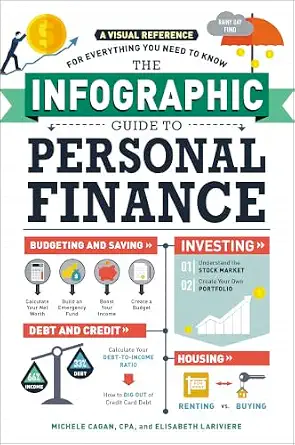
The Infographic Guide to Personal Finance: A Visual Reference for Everything You Need to Know
This book offers a visually engaging overview of personal finance topics, perfect for students who prefer learning through graphics. Unlike planners that emphasize tracking, this serves as a quick-reference guide to understanding key concepts like budgeting, investing, and debt management. Its visual format makes complex ideas accessible for students who are overwhelmed by dense text. However, it lacks interactivity and detailed planning tools, making it unsuitable as a standalone organizer. It works well as a supplementary resource alongside a dedicated planner like the SUNEE Budget Planner or the And Per Se, especially for students who want to grasp concepts quickly before applying them in practice. It’s best for visual learners or those who need a refresher on core ideas.Pros:- Visually engaging with clear infographics
- Provides a comprehensive overview of key finance topics
- Easy to understand, suitable for beginners
- Portable and lightweight for quick reference
Cons:- Lacks detailed, step-by-step planning tools
- No interactive features or digital integration
- Limited depth for advanced financial strategies
Best for: Students who learn best through visuals and want a quick, digestible reference for personal finance fundamentals.
Not ideal for: Students seeking detailed financial tracking or in-depth planning features, as this is primarily an educational resource.
Our verdict“A perfect quick-reference guide for visual learners who want to understand personal finance basics at a glance.”
Clever Fox Income & Expense Tracker, Business Ledger 5.8×8.3 Amber Yellow
While primarily designed for small business owners, this ledger can serve students with more complex financial situations, especially those managing side projects or small enterprises. Compared to student-focused planners like the SUNEE Budget Planner, it offers extensive pages and features for detailed tracking over two years, including note and receipt pockets. Its sturdy eco-leather cover and high-quality paper support frequent use but might be overkill for students just starting out or with simple budgets. The size, slightly larger than typical student planners, could be cumbersome on a crowded desk. It’s best suited for students involved in entrepreneurial activities or with a need for in-depth, long-term financial records.Pros:- Durable eco-leather cover and high-quality 120gsm paper
- Extensive pages for detailed financial records
- Includes note and receipt pockets for organization
- Undated format allows flexible long-term use
Cons:- Designed mainly for business use, less suited for personal finance
- Larger size may be less convenient for small desks or portability
- No digital or electronic features included
Best for: Students running small businesses, side hustles, or seeking detailed, professional-level financial tracking.
Not ideal for: Students who need a simple, lightweight planner for everyday personal budgeting, as its size and complexity may be unnecessary.
- Size:5.8×8.3 inches
- Format:A4
- Pages:225
- Duration:2 years
- Hardcover:Eco-leather
- Paper Weight:120gsm
Our verdict“Ideal for students managing business finances or requiring detailed, long-term record-keeping beyond basic budgeting.”
SUNEE Budget Planner – Deluxe Monthly Budget Book with 12 Pockets for Bill Organizer, Undated 12 Month Expense Tracker Notebook & Account Book, Green
This colorful, undated planner excels at making budgeting engaging through vibrant pages, tabs, and multiple pockets, making it perfect for students who want a lively approach to managing their money. Compared with the more minimalist And Per Se, the SUNEE adds visual appeal and extra sections for debt and bill tracking, helping students stay organized. Its undated format offers flexibility, but some users may find the 185 pages insufficient for detailed, long-term tracking. The inclusion of stickers and a water-resistant cover adds a fun, durable element, but the single color option limits aesthetic variety. It’s most suitable for students who enjoy colorful, interactive planners that make budgeting less tedious.Pros:- Undated design allows start at any time within the year
- Bright, colorful pages and fun stickers increase motivation
- Multiple pockets and sections for bills, goals, and debt
- Durable, water-resistant cover for longevity
Cons:- Limited to 185 pages, which might be insufficient for detailed long-term tracking
- Only available in green, limiting aesthetic options
- Some users may find the design too playful for serious financial planning
Best for: Students who prefer vibrant, engaging planners that combine organization with fun visuals and flexible timelines.
Not ideal for: Students looking for a more minimalist or feature-heavy financial organizer, as this emphasizes style and engagement over extensive content.
- Size:8″ x 10″
- Pages:185
- Color:Green
- Pockets:12
- Cover Material:Water-resistant
- Includes:Stickers
Our verdict“A lively, engaging budget planner best suited for students who want a colorful, flexible organizer with a fun twist.”
And Per Se Budget Planner, Undated Financial Organizer & Expense Tracker, A5 Hardcover (Botanical Floral)
This undated planner stands out for its elegant faux-leather hardcover and compact size, making it ideal for students who want a fashionable yet functional tool to manage expenses on-the-go. Unlike the SUNEE Budget Planner, which offers colorful tabs and water-resistant cover, the And Per Se emphasizes durability and style over extensive features. Its undated format allows start-anytime flexibility, but it lacks digital integration for those who prefer app-based tracking. The inclusion of sections for expenses, savings, and debt makes it comprehensive, yet the limited page count and absence of digital options may frustrate tech-savvy students seeking more automation.
Pros:- Stylish and durable faux-leather hardcover design
- Undated format allows flexible start anytime
- Includes dedicated sections for expenses, savings, and debt
- Portable size perfect for on-the-go use
Cons:- No specified number of pages limits understanding of capacity
- Lacks digital or app integration for tech-savvy users
- Limited additional features beyond basic tracking
Best for: Students who prioritize style and portability, and prefer traditional pen-and-paper tracking.
Not ideal for: Students wanting a highly detailed or fully digital financial management system, or those needing more pages for extensive data.
- Size:5.7” × 8”
- Pages:Not specified
- Hardcover:Yes
- Material:Faux-leather
- Paper Quality:100gsm, ink bleed resistant
- Includes:Elastic pen loop, back pocket, dual bookmarks
- Duration:16 months
Our verdict“This planner is best suited for style-conscious students seeking a flexible, physical expense tracker without digital bells and whistles.”
SUNEE Budget Planner – Monthly Expense Tracker Notebook, Undated 12-Month Organizer, A5 (6.4″ x 8.3″) with Colorful Tabs, Black
The SUNEE Budget Planner makes managing finances engaging with its vibrant tabs and full-page calendars, perfect for students who want a lively, visual approach. Compared with the Clever Fox Budget Planner, which offers stickers and a user guide, SUNEE emphasizes colorful navigation to simplify finding sections quickly. Its undated design offers flexibility, but the lack of digital options and extensive pages might overwhelm students who prefer streamlined, minimal setups. The durable construction and water-resistant cover add resilience, yet the overall extensive sections could be too much for those just starting out with budgeting.
Pros:- Undated design allows flexible start anytime within the year
- Colorful tabs and pages enhance navigation and organization
- Includes sections for debt, savings, and bill tracking
- Water-resistant cover adds durability
Cons:- No specific price info available, which might be a concern
- Extensive sections may be overwhelming for beginners
- Limited digital features for tech-inclined users
Best for: Students who enjoy colorful, visually guided planning and need flexible timing to start their budget.
Not ideal for: Students seeking a minimalist or digital-first approach, or those who prefer fewer sections for simplicity.
- Brand:SUNEE
- Model Year:2023
- Target Audience:Adult, Teen
- Recommended Uses:Budgeting, Personal finance
- Number of Packs:1
- Unit Count:1
- Warranty:90 Days
Our verdict“This vibrant planner suits students who want an engaging, colorful system to organize their finances flexibly and visually.”
Budget Planner – Monthly Budget Book with Expense Tracker Notebook, B5
This B5-sized budget planner offers a sturdy layout with a focus on durability and long-term tracking, making it well suited for students or young professionals aiming for structured financial management. Unlike the Clever Fox Budget Planner with accessories and stickers, this model emphasizes a straightforward layout with a sturdy coil binding and metal corner protectors that withstand daily use. The larger size allows for more detailed entries, yet it lacks digital syncing, which could be a downside for students seeking seamless integration with apps. Its simple, no-frills design favors those who prefer physical writing over digital tools, but the limited color options may feel restrictive.
Pros:- Comprehensive 12-month budgeting system
- Sturdy coil binding with metal corner protectors
- Suitable for various users including students and families
- Well-designed layout for goal setting and expense tracking
Cons:- No digital or app integration for tech-savvy users
- Limited color options and customization
- No refillable pages or digital backup
Best for: Students or young professionals wanting a durable, no-fuss physical planner for a full year of budgeting.
Not ideal for: Students who prefer digital tracking or require compact, portable options for quick entries.
- Brand:Kamoy
- Model Year:2026
- Target Audience:Adult, Teen
- Recommended Uses:Budgeting
- Unit Count:1
- Number of Items:1
- Part Number:721
- Color:Green
- Dimensions:7.2″ x 10″
Our verdict“This planner is most suitable for students seeking a durable, straightforward physical tool to manage a year’s worth of finances without digital dependence.”
Clever Fox Budget Planner, Monthly Bill Tracker Book 5.8″x8.3″ Dark Gray
The Clever Fox Budget Planner excels for students who want a compact, all-in-one monthly organizer with accessories like stickers and bookmarks. Its undated format provides flexibility, and the thick 120gsm paper ensures durability, similar to the Clever Fox Budget Planner Pro but with a focus on monthly rather than biweekly planning. Compared with the Biweekly Budget Planner, this model is better suited for students who prefer monthly over biweekly tracking, but it may be too small for detailed daily entries. The included user guide and organizational features aim to simplify budgeting, though it limits the scope to a single year and may feel restrictive for those needing more extensive or refillable pages.
Pros:- Undated format for flexible monthly planning
- Includes stickers, bookmarks, and user guide for ease of use
- High-quality thick paper resists bleed-through
- Compact size fits easily into backpacks
Cons:- Limited to 12 months, not refillable
- Size may be too small for detailed entries
- Focuses on monthly planning, less suitable for daily detail
Best for: Students who prefer monthly over biweekly planning and value compact, accessory-rich planners.
Not ideal for: Students who want detailed daily tracking or digital integration for real-time updates.
- Size:5.8″x8.3″
- Material:Vegan leather
- Paper Thickness:120gsm
- Includes:Pen loop, elastic band, 3 bookmarks, receipt pocket, stickers, user guide
- Coverage:12 months
Our verdict“Ideal for students seeking a compact, feature-rich monthly budget planner with accessories for easy organization.”
Clever Fox Biweekly Budget Planner, Dark Teal
This biweekly planner offers a detailed approach for students who want to track expenses and set goals every two weeks. Its undated format, combined with thick eco-leather cover and high-quality paper, provides durability and flexibility. Compared to the monthly options, this planner allows for more frequent updates, making it ideal for students who prefer to review their finances more often. However, the size may be too small for extensive entries, and its biweekly focus could feel limiting for those who want daily tracking or broader overview. The inclusion of organizational tools like stickers and a user guide makes it accessible, but its limited scope may not suit every budgeting style.
Pros:- Durable eco-leather cover with high-quality paper
- Includes organizational features like stickers and user guide
- Undated format allows flexible use over 12 months
- Good for students who want frequent financial review
Cons:- Limited to biweekly planning, less suited for daily entries
- Size may restrict detailed tracking
- Price not specified, which could be a concern
Best for: Students who want detailed, biweekly expense tracking with a durable, organized system.
Not ideal for: Students seeking daily tracking or digital synchronization, or those preferring monthly over biweekly planning.
- Size:5.8 x 8.3 inches
- Material:Eco-leather
- Pages:Undated, 12 months
- Features:Lay-flat binding, pen loop, elastic band, 3 bookmarks, receipt pocket, stickers, user guide
Our verdict“This planner is best for students who prefer detailed biweekly tracking in a durable, portable format with organizational extras.”

How We Picked
I evaluated each personal finance planner based on key factors such as usability, flexibility, build quality, and value. I prioritized products with clear expense tracking, user-friendly layouts, and durability, especially since students need tools that are easy to carry and quick to update. Price was a consideration, but I also looked for features that support long-term financial habits, like undated pages and comprehensive sections. The ranking reflects a balance between affordability and functionality, with a bias toward planners that cater specifically to students’ often unpredictable financial situations.Factors to Consider When Choosing Personal Finance Planners For Students
Choosing the right personal finance planner for students requires understanding your specific needs and habits. While some students prefer simple notebooks for quick tracking, others benefit from more structured systems with detailed categories and cash envelopes. Consider how much time you’re willing to dedicate to budgeting daily or weekly, and whether you need a portable option or a larger planner for deeper planning. Also, assess the importance of features like undated pages, built-in bill organizers, or visual aids, which can influence your overall experience. Making the right choice involves balancing budget, usability, and long-term adaptability.Ease of Use and Layout
A planner should simplify your financial management, not complicate it. Look for clear, logical layouts with enough space to record expenses without feeling cramped. Undated formats provide flexibility for irregular income, but some students prefer dated versions for routine tracking. Visual aids like charts or icons can help quickly interpret your financial health. Avoid overly complex systems if you’re new to budgeting, as they may become discouraging.Portability and Size
Since students often carry their planners everywhere, size and weight matter. Compact options like the Taja Budget Planner or SUNEE A5 models are easy to slip into backpacks or pockets. Larger planners, like the B5-sized options, offer more space but can be cumbersome for daily use. Consider your daily routine—if you prefer quick entries on the go, a smaller planner will be more practical. Conversely, if you like detailed tracking at home, a larger size might suit your needs better.Features and Flexibility
Not all planners are created equal—some include bill organizers, cash envelopes, or visual guides. Decide which features are essential: if you manage cash or fluctuating income, cash envelopes or detailed sections could be beneficial. Undated planners offer flexibility, but some users prefer dated ones for routine consistency. Balance your desire for features with your willingness to learn new systems—overly complex options may overwhelm beginners.Price and Value
Budget is always a factor, but spending more doesn’t guarantee better results. Many affordable planners provide all necessary features for effective budgeting, while premium options include extras like high-quality materials or visual trackers. Consider how often you’ll use the planner and whether investing in a durable, attractive design adds value for you. Remember, a well-used, simple planner can outperform a fancy one that sits unused.Long-Term Adaptability
Financial situations evolve, especially for students gaining independence. An undated planner can adapt to changing circumstances, allowing flexibility without waste. Look for options with refillable or expandable sections if your needs are likely to grow or change. Avoid overly rigid systems that limit your ability to customize as your financial situation becomes more complex.Frequently Asked Questions
Should I choose an undated or dated planner?
Undated planners offer flexibility, making them ideal for students with irregular schedules or income. They allow you to start anytime and skip months when necessary, reducing waste. Dated planners, however, provide structure and help establish routine, which can be beneficial for those who want a consistent budgeting habit. If you’re unsure about your future schedule, an undated option provides more freedom; if you prefer routine, a dated planner might support better discipline.
Are cash envelopes necessary for student budgeting?
Cash envelopes can be very effective for managing a strict budget, especially if you tend to overspend in certain categories. They help physically limit spending and promote mindful financial habits. However, they add complexity and may not suit students who prefer digital or less hands-on methods. Consider your comfort with cash handling and whether the added organization aligns with your financial goals before choosing this feature.
How important is durability and material quality in a student planner?
Durability matters because students often carry their planners daily, exposing them to wear and tear. A sturdy cover and good-quality paper can make your planner last longer, making it a better investment. Thin or flimsy materials might save money initially but may fall apart quickly, leading to frustration. Think about how often you’ll use and transport your planner to decide if paying extra for durability is worthwhile.
Can a budget planner help me improve my savings?
Yes, a good budget planner can significantly boost your savings by highlighting spending patterns and setting clear goals. When you track expenses regularly, you become more aware of where your money goes, which often leads to smarter choices. Look for planners with dedicated savings sections or visual progress trackers to stay motivated. Consistent use is key to turning tracking into real financial improvement.
Is it better to choose a visual, colorful planner or a simple one?
Visual and colorful planners can make tracking more engaging and encourage regular use, especially for visual learners. They often include charts, icons, and color-coding, which can make understanding your finances quicker. Simple planners, however, tend to be more straightforward and less distracting, appealing to those who prefer minimalism. Choose based on your style—if you thrive on visual cues, a colorful planner will likely keep you motivated.
Conclusion
For students seeking an all-around reliable option, the Budget Planner offers a straightforward, undated system that adapts to any schedule. Those who want a more detailed, cash-based approach might prefer the Clever Fox Budget Planner Pro, though it comes at a higher price. Beginners or students prioritizing portability should consider compact models like the SUNEE Budget Planner. For users needing premium materials or extensive features, investing in a high-end planner can provide durability and motivation. Ultimately, the best choice depends on your budget, budgeting style, and whether you prefer simplicity or detailed tracking for your financial journey.
Fall Picks
fall essentials
As an affiliate, we earn on qualifying purchases.