If you’re looking for the best smart home energy monitors for 2026, I recommend devices like Emporia Vue 3, Siemens Inhab, and TP-Link Tapo Smart Plugs. These options offer precise real-time energy tracking, easy installation, and broad compatibility with systems like Zigbee, Matter, and SmartThings. They help you cut energy costs, boost safety, and automate routines. Keep going, and you’ll discover even more ways to optimize your home’s energy efficiency.
Key Takeaways
- Top-rated energy monitors offer real-time data, solar management, and compatibility with major smart home ecosystems like Zigbee, Matter, and Tuya.
- Devices range from simple smart plugs with energy tracking to advanced clamp-on monitors for detailed circuit analysis.
- Ease of installation with clamp-on sensors and app control makes setup accessible for both homeowners and professionals.
- Compatibility with popular platforms (Alexa, Google, SmartThings, HomeKit) enables seamless automation and remote control.
- Leading devices emphasize safety, energy savings, and comprehensive data storage for optimizing home energy use in 2026.
| Emporia WiFi Smart Plug 4-Pack with Energy Monitoring |  | Best Budget Smart Plug | Connectivity: WiFi (2.4GHz) | Compatibility: Alexa, Google | Monitoring Type: Energy consumption, remote control | VIEW LATEST PRICE | See Our Full Breakdown |
| Emporia Vue 3 Energy Monitor for Smart Home | 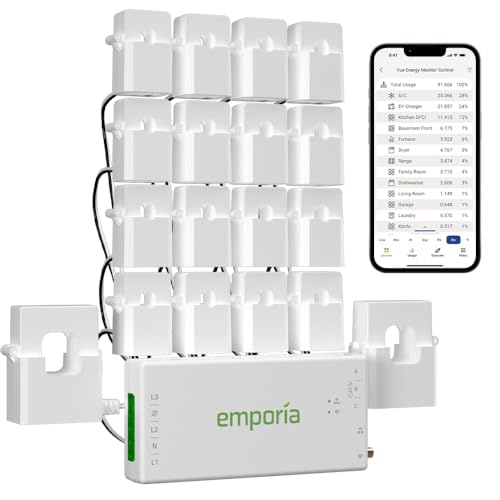 | Best Overall Energy Monitor | Connectivity: WiFi (2.4GHz) | Compatibility: App, Web, Alexa, Google | Monitoring Type: Whole home, real-time, solar | VIEW LATEST PRICE | See Our Full Breakdown |
| Emporia Vue 3 Commercial 3-Phase Energy Monitor |  | Best Commercial Solution | Connectivity: WiFi (2.4GHz) | Compatibility: App, Web, Alexa, Google | Monitoring Type: Circuit-level, real-time | VIEW LATEST PRICE | See Our Full Breakdown |
| SIEMENS Inhab Smart Home Energy Monitor |  | Best For Safety & Certification | Connectivity: WiFi (2.4GHz) | Compatibility: App, Alexa, Google, SmartThings | Monitoring Type: Whole home, circuit-level | VIEW LATEST PRICE | See Our Full Breakdown |
| TP-Link Tapo Mini Smart Plug 4-Pack |  | Best Compact Smart Plug | Connectivity: Wi-Fi (2.4GHz) | Compatibility: Alexa, Google, Apple HomeKit | Monitoring Type: Whole home, energy use | VIEW LATEST PRICE | See Our Full Breakdown |
| Smart Home Energy Monitor with WiFi and Clamps |  | Best WiFi Energy Monitor | Connectivity: WiFi (2.4GHz) | Compatibility: Tuya SmartLife, Alexa, SmartThings | Monitoring Type: Whole home, bidirectional | VIEW LATEST PRICE | See Our Full Breakdown |
| Emporia Vue 3 Home Energy Monitor for Solar & Power | 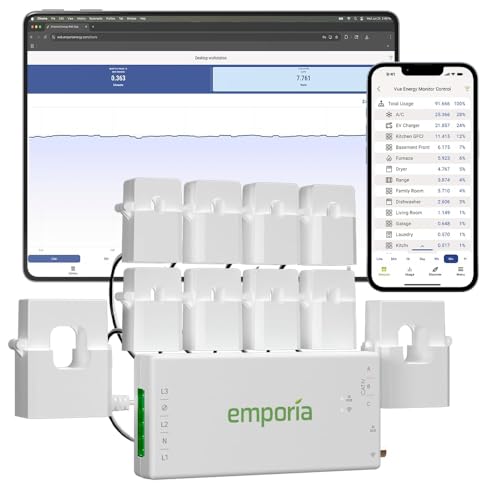 | Best Solar Integration | Connectivity: WiFi (2.4GHz) | Compatibility: App, Alexa, Google, Home Assistant | Monitoring Type: Circuit, solar, real-time | VIEW LATEST PRICE | See Our Full Breakdown |
| TP-Link Tapo Smart Plug 2-Pack with Energy Monitoring |  | Best Flexible Installation | Connectivity: WiFi (2.4GHz) | Compatibility: App, Alexa, Google, SmartThings | Monitoring Type: Circuit, energy data | VIEW LATEST PRICE | See Our Full Breakdown |
| Smart Home Energy Monitor with Circuit Sensor |  | Best Local Control | Connectivity: WiFi (2.4GHz) | Compatibility: Home Assistant, Eco, Alexa | Monitoring Type: Whole home, detailed circuits | VIEW LATEST PRICE | See Our Full Breakdown |
| ThirdReality ZigBee Smart Plug 4-Pack with Energy Monitoring |  | Best Zigbee Compatibility | Connectivity: Zigbee (requires hub) | Compatibility: Zigbee hubs, Alexa, SmartThings | Monitoring Type: Circuit, energy, Zigbee repeater | VIEW LATEST PRICE | See Our Full Breakdown |
| Sense Energy Monitor Real-Time Electricity Usage | 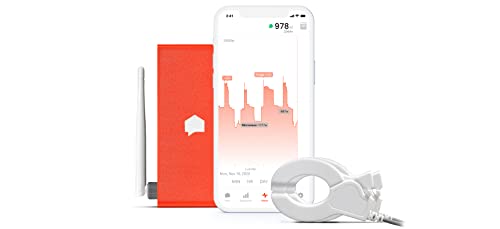 | Best Real-Time Insights | Connectivity: WiFi (2.4GHz) | Compatibility: App, Alexa, Google, Custom alerts | Monitoring Type: Whole home, real-time | VIEW LATEST PRICE | See Our Full Breakdown |
| Kasa Matter Smart Plug 4-Pack with Energy Monitoring |  | Best Matter Support | Connectivity: WiFi (2.4GHz) | Compatibility: Alexa, Google, SmartThings, Matter | Monitoring Type: Circuit, energy & cost | VIEW LATEST PRICE | See Our Full Breakdown |
| Smart Home Energy Monitor with 16 Sensors |  | Best Multi-Phase Monitoring | Connectivity: WiFi (2.4GHz) | Compatibility: Home Assistant, Alexa, Google | Monitoring Type: Whole & solar, detailed | VIEW LATEST PRICE | See Our Full Breakdown |
| Emporia Vue 3 Energy Monitor for Smart Homes |  | Best Safety Standards | Connectivity: WiFi (2.4GHz) | Compatibility: App, Alexa, Google, SmartThings | Monitoring Type: Circuit, solar, automation | VIEW LATEST PRICE | See Our Full Breakdown |
| Eyedro Home Energy Monitor with WiFi/Ethernet |  | Best For DIY & Solar | Connectivity: Ethernet/WiFi (2.4GHz) | Compatibility: App, Home Assistant, Solar net metering | Monitoring Type: Whole home, detailed, solar | VIEW LATEST PRICE | See Our Full Breakdown |
More Details on Our Top Picks
-
Emporia Vue 3 Home Energy Monitor - Smart Home Automation Module and Real Time Electricity Usage Monitor, Power Consumption Meter, Solar and Net Metering for UL Certified Safe Energy Monitoring
SAFETY YOU CAN TRUST WITH UL CERTIFICATION: With Emporia Energy, your home energy monitoring is safe, reliable, and...
As an affiliate, we earn on qualifying purchases.
Emporia WiFi Smart Plug 4-Pack with Energy Monitoring
If you’re looking to easily monitor and control multiple devices in your home, the Emporia WiFi Smart Plug 4-Pack with Energy Monitoring is an excellent choice. It connects to your 2.4GHz WiFi network and works seamlessly with Alexa and Google Home. You can control your appliances remotely using the smartphone app, turning devices on or off anytime, anywhere. The smart plugs also feature scheduling, so you can automate routines like morning coffee. Plus, they track energy consumption in real-time, helping you cut standby power waste and save on electricity bills. With four plugs in each pack, managing multiple devices becomes simple and efficient.
- Connectivity:WiFi (2.4GHz)
- Compatibility:Alexa, Google
- Monitoring Type:Energy consumption, remote control
- Data Storage:App, real-time
- Safety Certification:UL, CE
- Power Range/Support:120V/15A
- Additional Feature:Remote scheduling via app
- Additional Feature:Energy consumption alerts
- Additional Feature:Supports multiple devices
-
Emporia Vue 3 Commercial 3-Phase Smart Energy Monitor - Business and Home Automation Device with Real Time Electricity Usage Monitor, Power Consumption Meter, Solar and Net Metering
Installs in circuit panel of most small businesses with clamp-on sensors. Supports single phase, single-split phase, and 2-wire...
As an affiliate, we earn on qualifying purchases.
Emporia Vue 3 Energy Monitor for Smart Home
The Emporia Vue 3 Energy Monitor stands out as an excellent choice for homeowners seeking all-encompassing real-time energy tracking and cost management. It’s UL Listed and CE Certified, ensuring safety and reliability. Installation is straightforward with clamp-on sensors compatible with most home systems, including single-phase, 3-wire, and 3-phase setups. It requires Wi-Fi for live data, which is accurate within ±2%, and offers real-time updates every second when the app is open. The monitor tracks solar and net metering, helping you optimize energy use. With customizable settings and alerts, it empowers me to reduce bills while keeping my home safe and efficient.
- Connectivity:WiFi (2.4GHz)
- Compatibility:App, Web, Alexa, Google
- Monitoring Type:Whole home, real-time, solar
- Data Storage:Cloud, 7 days minute, indefinite hourly
- Safety Certification:UL, CE
- Power Range/Support:200A sensors, 50A branch
- Additional Feature:Supports solar/net metering
- Additional Feature:16 branch sensors included
- Additional Feature:Real-time 1s updates
-
SIEMENS Inhab Smart Home Energy Monitor with 16-50Amp Circuit Level Sensors and 2-200Amp Main Sensors for Real Time Electricity Monitoring and Metering
ENERGY MONITOR WITH MOBILE APP (USA and Canada ONLY) – Track current and historical home energy usage 24/7...
As an affiliate, we earn on qualifying purchases.
Emporia Vue 3 Commercial 3-Phase Energy Monitor
The Emporia Vue 3 Commercial 3-Phase Energy Monitor stands out for its versatility in supporting various electrical systems, making it ideal for both small businesses and residential setups with complex wiring. It easily integrates with solar systems and supports net metering, helping users manage energy costs effectively. Installation is straightforward with clamp-on sensors, compatible with single-phase, split-phase, and 3-wire systems, including 3-phase configurations. It provides real-time data on power consumption, empowering users to optimize energy use. Whether for commercial or residential use, this monitor offers flexible, detailed insights into electrical performance in diverse environments.
- Connectivity:WiFi (2.4GHz)
- Compatibility:App, Web, Alexa, Google
- Monitoring Type:Circuit-level, real-time
- Data Storage:Cloud, real-time, export
- Safety Certification:UL, CE
- Power Range/Support:50A sensors, 3-phase support
- Additional Feature:Suitable for small business
- Additional Feature:Supports commercial energy
- Additional Feature:Multiple system configurations
SIEMENS Inhab Smart Home Energy Monitor
Looking for a smart energy monitor that offers detailed insights into your home’s electrical load? The Siemens Inhab Smart Home Energy Monitor might be just what you need. It supports 16-50Amp circuit sensors and main sensors up to 200Amp, making it versatile for both new and existing panels. Designed and tested to rigorous standards, it provides real-time energy data via a mobile app (in the US and Canada), tracking usage at the panel and individual circuits. With features like peak demand management, excess solar control, and load shedding, it helps optimize energy efficiency. Plus, personalized alerts notify you of abnormal activity, ensuring you stay informed and save energy effortlessly.
- Connectivity:WiFi (2.4GHz)
- Compatibility:App, Alexa, Google, SmartThings
- Monitoring Type:Whole home, circuit-level
- Data Storage:App, real-time, detailed history
- Safety Certification:UL, CE
- Power Range/Support:16 circuits, 50A/200A
- Additional Feature:Monitors 16 circuits
- Additional Feature:Abnormal behavior alerts
- Additional Feature:Detailed load analysis
TP-Link Tapo Mini Smart Plug 4-Pack
For those seeking a versatile and reliable smart plug, the TP-Link Tapo Mini Smart Plug, 4-Pack stands out with its Matter certification and broad compatibility. It works seamlessly with Amazon Alexa, Google Home, Apple HomeKit, and Samsung SmartThings, all over 2.4G Wi-Fi, so there’s no need for extra hubs. I appreciate its energy monitoring features, which provide detailed insights to help optimize power use and manage costs. The plug also offers overcharge prevention, automatically cutting power when limits are exceeded, enhancing safety. Plus, voice control via Alexa or Google Assistant makes managing devices effortless, and the remote app adds convenience wherever I am.
- Connectivity:Wi-Fi (2.4GHz)
- Compatibility:Alexa, Google, Apple HomeKit
- Monitoring Type:Whole home, energy use
- Data Storage:App, energy history
- Safety Certification:UL, ETL
- Power Range/Support:15A/1800W
- Additional Feature:Overcharge prevention
- Additional Feature:Voice control supported
- Additional Feature:Scheduling for off-peak
Smart Home Energy Monitor with WiFi and Clamps
If you’re seeking a reliable energy monitor that offers real-time data and seamless smart home integration, the Smart Home Energy Monitor with WiFi and Clamps is an excellent choice. It connects via 2.4 GHz WiFi and uses three 80A clamps to provide accurate, professional-grade energy measurements with ±2% precision. Compatible with the Tuya SmartLife app, it allows remote monitoring and control from anywhere. It tracks voltage, current, power factor, and energy use, supporting bidirectional measurement for solar power monitoring. Easy to install in most circuit panels, it helps identify energy waste, optimize consumption, and export detailed data for analysis—all supporting cost savings and sustainability.
- Connectivity:WiFi (2.4GHz)
- Compatibility:Tuya SmartLife, Alexa, SmartThings
- Monitoring Type:Whole home, bidirectional
- Data Storage:Cloud, local via MQTT
- Safety Certification:UL, CE
- Power Range/Support:80A clamps
- Additional Feature:Bidirectional measurement
- Additional Feature:Export energy data
- Additional Feature:Simple clamp installation
Emporia Vue 3 Home Energy Monitor for Solar & Power
The Emporia Vue 3 Home Energy Monitor stands out as an excellent choice for homeowners seeking all-encompassing solar and power management. It’s UL and CE listed, ensuring it meets strict safety standards and reduces hazards like overheating or fires. Installation is straightforward, using clamp-on sensors in most circuit panels, supporting various system types with optional sensors. It delivers real-time data via Wi-Fi with 1-second updates and ±2% accuracy. You can monitor solar, manage peak demand, and optimize energy use through user-friendly apps. Backed by a one-year warranty, it’s a reliable tool to save on energy costs and enhance home efficiency.
- Connectivity:WiFi (2.4GHz)
- Compatibility:App, Alexa, Google, Home Assistant
- Monitoring Type:Circuit, solar, real-time
- Data Storage:Cloud, 7 days minute, export
- Safety Certification:UL, CE
- Power Range/Support:16 sensors, 200A main
- Additional Feature:24/7 energy management
- Additional Feature:Supports solar excess
- Additional Feature:Actionable notifications
TP-Link Tapo Smart Plug 2-Pack with Energy Monitoring
The TP-Link Tapo Smart Plug 2-Pack with Energy Monitoring stands out for its seamless integration with popular smart home ecosystems like Alexa, Google Home, and Samsung SmartThings, making it ideal for anyone looking to enhance their home automation. I appreciate its energy tracking features, which provide clear statistics and charts to help optimize power use. The plug supports scheduling and remote control via the Tapo app, giving me flexibility. Safety is a priority with auto-shutoff and smart charging, preventing overloads and overcharging. Plus, with ETL certification, I feel confident about its safety and reliability in my smart home setup.
- Connectivity:WiFi (2.4GHz)
- Compatibility:App, Alexa, Google, SmartThings
- Monitoring Type:Circuit, energy data
- Data Storage:App, real-time, detailed logs
- Safety Certification:UL, CE
- Power Range/Support:15A/1800W
- Additional Feature:Power overload protection
- Additional Feature:Easy remote control
- Additional Feature:Compact mini design
Smart Home Energy Monitor with Circuit Sensor
For homeowners seeking precise, real-time energy tracking across multiple circuits, the Refoss Smart Home Energy Monitor with Circuit Sensor stands out as an excellent choice. It supports Home Assistant integration, offers 98% accuracy, and features a clamp-on design compatible with various electrical systems. The device monitors power, current, voltage, and power factor for major appliances and stores up to three years of data. With its ability to detect abnormal energy spikes and support solar automation, it helps optimize energy use and reduce bills. Plus, its local data storage ensures privacy, making it a reliable and versatile solution for detailed home energy management.
- Connectivity:WiFi (2.4GHz)
- Compatibility:Home Assistant, Eco, Alexa
- Monitoring Type:Whole home, detailed circuits
- Data Storage:App, cloud, historical data
- Safety Certification:ETL, UL
- Power Range/Support:200A sensors, 16 circuits
- Additional Feature:Local data storage
- Additional Feature:Zero feed-in automation
- Additional Feature:Compatible with Home Assistant
ThirdReality ZigBee Smart Plug 4-Pack with Energy Monitoring
If you’re looking to effortlessly monitor and control multiple appliances, the ThirdReality ZigBee Smart Plug 4-Pack with Energy Monitoring is an excellent choice. It works with Zigbee 3.0, compatible with popular hubs like SmartThings, Hubitat, and Echo devices with Zigbee built-in. Installation is simple—plug in, say “Alexa, discover devices,” and it automatically detects your plugs. Each rated for 15A, these plugs enable real-time energy tracking, helping you save power and reduce waste. Plus, they function as Zigbee repeaters to extend your network. Control them remotely via app or voice, group for routines, and enjoy safety features like restoring device states after power outages.
- Connectivity:Zigbee (requires hub)
- Compatibility:Zigbee hubs, Alexa, SmartThings
- Monitoring Type:Circuit, energy, Zigbee repeater
- Data Storage:Local & cloud, data export
- Safety Certification:ETL, UL
- Power Range/Support:15A/1800W, Zigbee limits
- Additional Feature:Zigbee repeater function
- Additional Feature:Voice command support
- Additional Feature:Energy savings insights
Sense Energy Monitor Real-Time Electricity Usage
Ideal for homeowners seeking real-time insights, the Sense Energy Monitor delivers instant data on electricity usage through user-friendly apps for iOS, Android, and web. It helps identify patterns like when the kids arrive home or basement lights stay on, making it easier to save energy and money. Certified for safety, it’s designed for installation inside electrical panels in the US and Canada. The monitor supports time-of-use rate plans, so you can see your energy consumption during different billing periods. You can also set custom alerts for critical devices, ensuring you’re always informed and in control, no matter where you are.
- Connectivity:WiFi (2.4GHz)
- Compatibility:App, Alexa, Google, Custom alerts
- Monitoring Type:Whole home, real-time
- Data Storage:App, notifications, real-time
- Safety Certification:ETL, CE
- Power Range/Support:200A sensors, 16 circuits
- Additional Feature:Rate plan support
- Additional Feature:Custom device alerts
- Additional Feature:Informed energy insights
Kasa Matter Smart Plug 4-Pack with Energy Monitoring
The Kasa Matter Smart Plug 4-Pack with Energy Monitoring stands out for its seamless compatibility across multiple smart home platforms, making it perfect for users who want a versatile and reliable control solution. It supports the Matter standard, so it works effortlessly with Apple Home, Amazon Alexa, Google Home, and Samsung SmartThings. You can control everything from a single app or via voice commands, and its LAN control feature guarantees operation even during internet outages. Plus, it monitors energy usage over time, helping you identify savings opportunities. Its compact design, safety features, and easy setup make it a practical, all-in-one solution for smarter energy management.
- Connectivity:WiFi (2.4GHz)
- Compatibility:Alexa, Google, SmartThings, Matter
- Monitoring Type:Circuit, energy & cost
- Data Storage:App, data export, cloud
- Safety Certification:UL, CE
- Power Range/Support:15A/1800W
- Additional Feature:Matter certification
- Additional Feature:LAN control capability
- Additional Feature:In-app energy insights
Smart Home Energy Monitor with 16 Sensors
For homeowners seeking precise, all-encompassing energy monitoring, the Smart Home Energy Monitor with 16 sensors stands out as a top choice. It installs easily in most circuit panels using clamp-on sensors and supports various configurations, including single-phase and three-phase systems. With 16 sensors, it can monitor multiple appliances like air conditioners, water heaters, and dryers simultaneously, providing real-time data via WiFi with 1% accuracy. You can track usage daily, weekly, or yearly, helping you identify savings opportunities. Plus, it offers privacy options, including LAN-only operation, making it flexible for different security needs.
- Connectivity:WiFi (2.4GHz)
- Compatibility:Home Assistant, Alexa, Google
- Monitoring Type:Whole & solar, detailed
- Data Storage:App, local & cloud, export
- Safety Certification:UL, CE
- Power Range/Support:200A sensors, multiple phases
- Additional Feature:Supports off-grid monitoring
- Additional Feature:Local control via MQTT
- Additional Feature:Extensive circuit compatibility
Emporia Vue 3 Energy Monitor for Smart Homes
If you’re looking for a reliable energy monitor that offers precise, real-time data, the Emporia Vue 3 stands out with its ±2% accuracy sensors and quick 1-second updates via app. It’s UL and CE listed, ensuring safety and thorough testing. Installation is straightforward, compatible with most home circuits, and features improved screw terminals for a clutter-free panel. It supports up to sixteen branch sensors, allowing detailed monitoring of appliances like HVAC and water heaters. With Wi-Fi connectivity, you can track energy use instantly, set automation for peak demand or solar, and export data easily. This device helps reduce bills, prevent repairs, and optimize energy consumption efficiently.
- Connectivity:WiFi (2.4GHz)
- Compatibility:App, Alexa, Google, SmartThings
- Monitoring Type:Circuit, solar, automation
- Data Storage:App, data export, cloud
- Safety Certification:UL, CE
- Power Range/Support:16 sensors, 200A max
- Additional Feature:Flexible wiring options
- Additional Feature:Improved screw terminals
- Additional Feature:Solar & net metering
Eyedro Home Energy Monitor with WiFi/Ethernet
Homeowners and DIY enthusiasts seeking precise, real-time energy data will find the Eyedro Home Energy Monitor with WiFi/Ethernet especially valuable. It provides continuous insights into household electricity use and solar production, displaying data in dollars, watts, amps, and volts. The device includes two 200A sensors, supporting whole-home or solar-specific monitoring, and connects via WiFi or Ethernet. With access to the MyEyedro cloud, there’s no subscription fee. It helps identify energy waste, optimize consumption, and reduce bills. Designed for off-grid, smart homes, and solar users, the Eyedro monitor is a reliable tool for making smarter energy decisions and improving efficiency.
- Connectivity:Ethernet/WiFi (2.4GHz)
- Compatibility:App, Home Assistant, Solar net metering
- Monitoring Type:Whole home, detailed, solar
- Data Storage:Cloud, local control, detailed
- Safety Certification:UL, CE
- Power Range/Support:200A main, 60A branch
- Additional Feature:Real-time dollar tracking
- Additional Feature:Long-term data storage
- Additional Feature:Supports solar/net metering
Factors to Consider When Choosing a Smart Home Energy Monitor Device

When choosing a smart home energy monitor, I consider compatibility with my existing system, ease of installation, and how accurate the energy data is. I also look at the cost, value, and whether the device has necessary safety certifications. These factors help guarantee I pick a device that fits my needs and keeps my home safe.
Understanding Compatibility Requirements
Choosing a smart home energy monitor requires ensuring it fits seamlessly with your existing electrical and smart home systems. First, check that the device supports your home’s wiring configuration—single-phase, split-phase, or three-phase—so it functions correctly. Next, verify compatibility with your smart home ecosystem, whether it’s Alexa, Google Home, Apple HomeKit, or Zigbee/Z-Wave hubs, to enable smooth integration. It’s also important to confirm the monitor supports your Wi-Fi bands—2.4GHz or 5GHz—and that your network can handle these frequencies. Safety certifications like UL or CE matter too, ensuring the device meets local electrical safety standards. Finally, decide if you prefer local control options or cloud-based systems, depending on your privacy and connectivity preferences.
Assessing Installation Ease
Evaluating installation ease is vital to guaranteeing your smart home energy monitor fits seamlessly into your existing setup. I look for devices that use clamp-on sensors, which simplify installation by avoiding complex wiring. A user-friendly mobile app or web interface makes setup straightforward, providing real-time data without hassle. Compatibility with your home’s electrical system—whether single-phase, three-phase, or split-phase—is essential to avoid needing extra adapters. Clear instructions and minimal hardware requirements help reduce setup time and confusion. Additionally, I prefer devices that support local control or LAN-only operation, so I don’t rely heavily on external networks during installation. These factors collectively guarantee a smooth, quick process, letting you start monitoring energy consumption with minimal effort.
Evaluating Energy Data Accuracy
Accurate energy data makes all the difference in effectively managing your home’s consumption. When choosing a smart energy monitor, look for devices with high measurement precision, ideally within ±1-2%, to guarantee your readings are trustworthy. Sensors that are properly calibrated and proven reliable in real-world conditions will give you consistent, accurate data. Devices supporting real-time updates and granular measurement intervals help you pinpoint exactly when and where energy is being used, enabling better decisions. Additionally, verify that the monitor complies with recognized safety and accuracy standards like UL or CE certification, which further assures data integrity. Investing in a monitor with these features ensures you get precise insights, empowering you to optimize energy use and reduce waste effectively.
Considering Cost and Value
When selecting a smart home energy monitor, it is vital to weigh the device’s cost against the features it offers. I look at energy monitoring accuracy, data storage, and automation options to determine if the price matches the value. It’s important to consider potential savings on energy bills over time, which can justify higher upfront costs. I also factor in additional expenses like installation, accessories, or subscription fees for cloud services. Durability and warranty coverage influence long-term value, ensuring the device remains reliable. I weigh advanced features, such as compatibility with my smart home ecosystem and real-time alerts, against their extra costs. Ultimately, I aim for a device that balances affordability with meaningful features that contribute to energy savings and convenience.
Reviewing Safety Certifications
Safety certifications are essential markers of a smart home energy monitor’s reliability and security. Certifications like UL and CE indicate that the device has passed rigorous testing for electrical safety and fire hazards. When a device bears these marks, it means it meets industry standards, reducing risks like overheating, short circuits, or electrical fires during installation and use. Checking for proper safety labels also guarantees that the monitor complies with regional safety regulations and quality assurance processes. Certifications show that the device has been evaluated for safe operation within specific voltage and current limits, giving you peace of mind. Choosing a device with recognized safety certifications minimizes potential hazards and helps protect your home and loved ones.
Analyzing Smart Home Integration
Choosing a smart home energy monitor requires more than just measuring energy use; it’s about how well it fits into your existing smart home setup. Compatibility with ecosystems like Alexa, Google Home, HomeKit, or Zigbee guarantees seamless integration and easy control. Support for local control options, such as MQTT or LAN-only modes, allows automation without relying on cloud services, offering greater privacy and reliability. The ability to create automation triggers and routines based on energy data makes the device more useful and integrated. Devices supporting multiple protocols or standards are more versatile, working smoothly with various smart home devices and hubs. Connecting to your preferred voice assistants or automation platforms enhances convenience and helps you manage your energy efficiently, creating a cohesive smart home experience.
Checking Monitoring Features
Evaluating the monitoring features of a smart home energy device helps guarantee it meets your specific needs. First, I look for real-time energy data with high accuracy, ideally within ±2%, so I can trust the readings. It’s also important to see if the monitor supports detailed tracking of individual circuits or appliances, enabling targeted management. I prefer devices that offer easy access to data via user-friendly apps or web portals, including options to review historical consumption. Alerts for abnormal energy use or potential malfunctions are valuable for proactive maintenance. Lastly, I check if the monitor integrates with my smart home platform, allowing automation and remote control. These features ensure I get precise, accessible, and actionable insights to optimize my energy use effectively.
Estimating Long-Term Savings
Long-term savings with a smart home energy monitor hinge on its ability to accurately track your energy usage over time and identify inefficient appliances or behaviors. Devices with real-time data and customizable alerts help me quickly spot waste and make immediate adjustments. I look for monitors that provide detailed historical data and reporting, so I can analyze trends and plan for long-term savings. Support for automation and integration with my smart home system is also essential, as it allows for automatic adjustments that keep energy costs down consistently. Most importantly, the accuracy and reliability of the device determine how effective my savings strategies will be. An unreliable monitor won’t give me the insights I need to optimize my energy use and maximize my savings over time.
Frequently Asked Questions
How Do Energy Monitors Integrate With Existing Smart Home Systems?
Energy monitors easily integrate with existing smart home systems through Wi-Fi or Z-Wave connections, allowing seamless communication with hubs like Alexa, Google Home, or Apple HomeKit. I simply connect the device to my Wi-Fi network, then sync it via the app or hub setup process. This enables real-time energy tracking, automation, and control from my smart home dashboard, making it simple to monitor and optimize my energy use effortlessly.
What Security Features Protect Energy Consumption Data?
I guarantee my energy consumption data is protected with strong encryption, like AES-256, which keeps my info secure during transmission and storage. Multi-factor authentication adds extra layers of security, making unauthorized access difficult. Regular firmware updates patch vulnerabilities, while my device’s privacy policies clarify data handling practices. Ultimately, these features give me confidence that my energy data remains private and safe from cyber threats.
Can These Devices Detect Faulty or Inefficient Appliances Automatically?
These devices are like vigilant watchdogs, but they don’t automatically detect faulty or inefficient appliances yet. Most monitor energy use and can flag anomalies, but identifying specific issues usually requires manual analysis or integration with smart home systems that can recognize unusual patterns. As technology advances, I believe future models will become smarter, offering automatic fault detection much like a diligent security guard catching problems early.
How Accurate Are the Energy Measurements Compared to Traditional Meters?
I find that smart home energy monitors are quite accurate compared to traditional meters, often within 5% of actual usage. They use advanced sensors and algorithms to track energy consumption precisely, giving me real-time data that helps me make smarter decisions. While they’re not perfect, their ease of use and detailed insights make them a valuable upgrade from conventional meters, especially for managing my energy costs effectively.
What Is the Typical Installation Process for Multi-Phase Energy Monitors?
I typically install multi-phase energy monitors by first turning off the main power supply to guarantee safety. Then, I connect the device to each phase using the provided clamps or terminals, following the manufacturer’s wiring diagram. After securing all connections, I power on the system and configure the monitor through its app or interface. I always double-check connections and ensure everything is secure before turning the power back on.
Conclusion
Choosing the right energy monitor is like planting a seed for a greener future. Each device is a drop of water nurturing your home’s efficiency, helping you see the invisible currents fueling your energy use. As these tools grow and evolve, they become the roots of smarter, more sustainable living. So, pick your monitor wisely—because nurturing this small seed today can blossom into a thriving, eco-friendly home tomorrow.