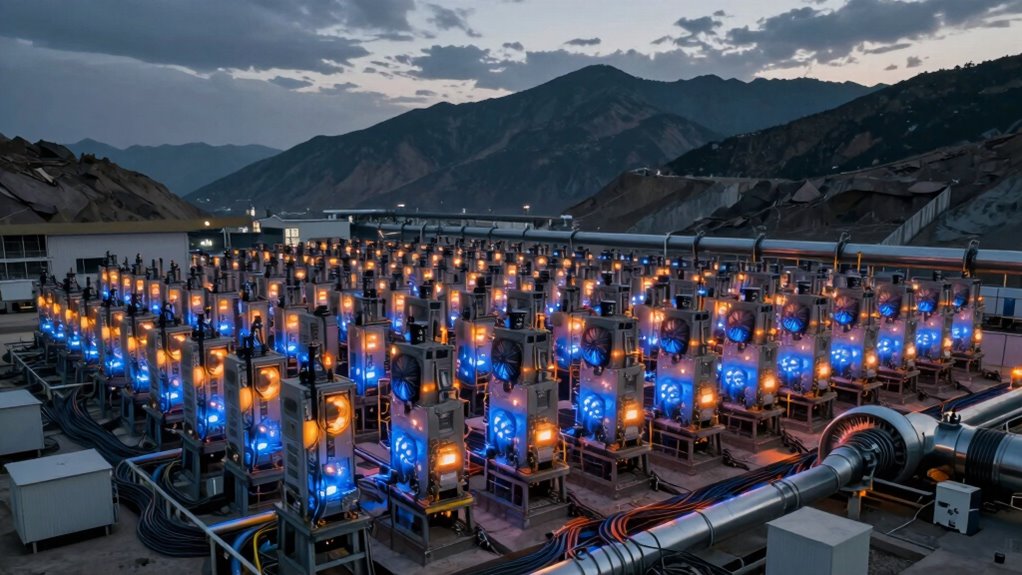

Mining economics still drive Bitcoin’s story because they determine how secure, sustainable, and decentralized the network remains. Factors like energy costs, hardware efficiency, and regional electricity prices influence where miners operate and how much they invest. As block rewards decrease, miners focus on improving efficiency and using renewable energy to stay profitable. These economic forces shape Bitcoin’s growth and resilience, and exploring them further can reveal how the industry adapts to changing conditions.

Get smart everyday buys delivered free — and shop member deals
- Fast, free delivery on millions of items
- Access to Prime Big Deal Days deals on October 6–7
- Prime Video, Amazon Music and more included
Key Takeaways
- Mining profitability depends heavily on energy costs and hardware efficiency, shaping where and how miners operate.
- Diminishing block rewards push miners to optimize costs and adopt more efficient technologies to maintain profitability.
- Regional energy sources and prices influence the geographic distribution and decentralization of mining networks.
- Environmental sustainability concerns drive industry shifts toward renewable energy use in mining operations.
- Economic incentives and cost dynamics directly impact network security, stability, and Bitcoin’s long-term development.
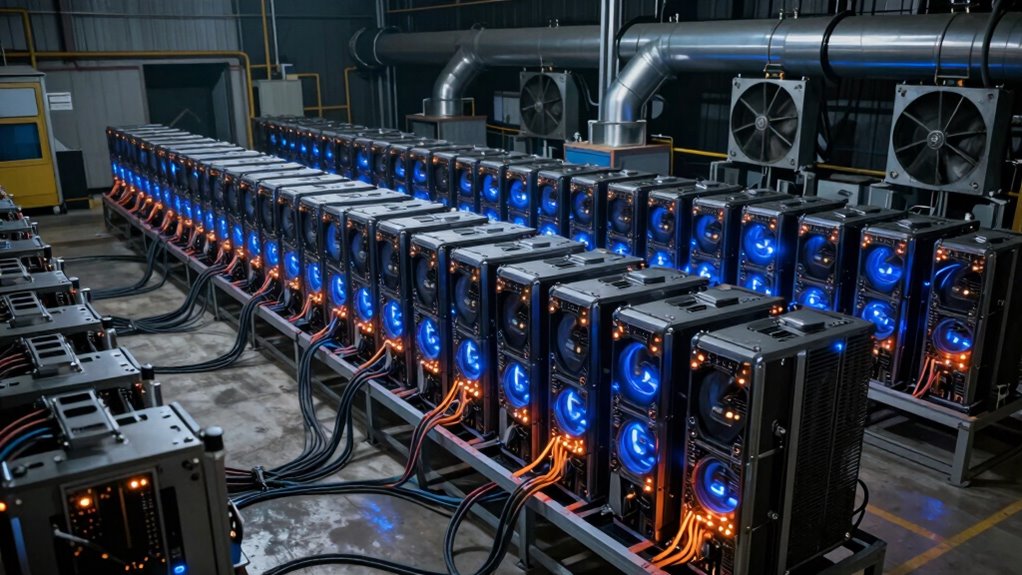
Energy consumption is another critical factor that shapes Bitcoin’s story. Mining requires significant computational power, which in turn demands vast amounts of energy. The cost of this energy often determines whether mining remains profitable, especially as the block reward diminishes. If energy prices are high, miners operating in regions with expensive electricity might find themselves squeezed out of the market. Conversely, areas with abundant, cheap energy—such as regions with surplus hydroelectric power—become attractive hubs for mining operations. This geographical shift influences Bitcoin’s decentralization and overall network security, as miners congregate in regions with favorable economics. Additionally, understanding energy efficiency in mining hardware is essential for assessing future sustainability.
Your understanding of these dynamics reveals why mining economics remain central to Bitcoin’s evolution. When the block reward is high, miners are incentivized to invest heavily in hardware and infrastructure, fostering growth and network security. As the reward shrinks, miners must become more efficient, either by upgrading equipment or reducing energy costs. This ongoing balancing act directly affects the network’s stability and security, since miners are the backbone of transaction validation and consensus. Consumer awareness about the environmental impact of mining is increasing, prompting more industry initiatives toward greener practices. Moreover, the geographical distribution of mining operations can significantly influence the resilience of the Bitcoin network against regional disruptions or regulatory changes.
Furthermore, the costs tied to energy consumption have sparked debates about Bitcoin’s environmental impact. Some argue that escalating energy use is unsustainable, while others highlight that miners are increasingly turning to renewable sources. As the economic calculus continues to evolve, the sustainability of mining operations becomes intertwined with broader concerns about energy efficiency and environmental responsibility. A notable aspect of this shift is the rise of renewable energy usage in mining operations, which can help mitigate environmental concerns while maintaining profitability. Recognizing the importance of regional energy sources allows for a better understanding of how mining adapts to changing economic and environmental landscapes.
In essence, the interplay between block reward, energy consumption, and profitability ensures that mining economics will always drive Bitcoin’s story. They influence not just how new bitcoins are issued but also the geographic distribution, security, and sustainability of the network. You see, these economic factors are not just background considerations—they are the engine powering Bitcoin’s ongoing development and resilience.
As an affiliate, we earn on qualifying purchases.
Frequently Asked Questions
How Does Energy Consumption Impact Bitcoin’s Environmental Footprint?
Energy consumption directly impacts Bitcoin’s environmental footprint, especially when mining relies on fossil fuels. If you use renewable energy sources, you reduce the carbon footprint associated with mining. By shifting to greener energy, you can make Bitcoin mining more sustainable and lessen its negative environmental impact. This approach helps balance the economic incentives of mining with the need to protect the environment, making Bitcoin more eco-friendly overall.
What Are the Future Challenges for Bitcoin Mining Hardware?
You’ll face future challenges in bitcoin mining hardware as innovations must outpace rapid market competition, which grows fiercer each year. For instance, the industry’s total energy consumption now rivals that of some small countries. To stay competitive, miners need more efficient mining hardware, balancing cost and performance. Staying ahead means constantly adopting breakthroughs in hardware design and ensuring supply chains keep up with demand, or risk falling behind in this fiercely competitive landscape.
How Do Geopolitical Issues Influence Mining Operations Globally?
Geopolitical instability and regulatory challenges directly impact your mining operations worldwide. When countries face political unrest or tighten regulations, your access to affordable energy and hardware can become limited or more costly. These issues cause disruptions, increase operational risks, and can lead to shifts in mining locations. Staying adaptable and monitoring global developments helps you navigate these uncertainties, ensuring your mining activities remain resilient amidst geopolitical shifts.
What Role Do Miners Play in Bitcoin Network Security?
Think miners are just chasing rewards? Nope. They play a vital role in securing the Bitcoin network by validating transactions and maintaining decentralization. Miner incentives motivate them to act honestly, ensuring the network stays robust and resistant to attacks. Without miners, Bitcoin’s security crumbles faster than a cookie. So, their relentless work keeps the network decentralized, safe, and functioning smoothly—making them the unsung heroes of the crypto world.
How Does Mining Difficulty Adjust Over Time?
Mining difficulty adjusts every 2016 blocks to maintain a consistent block time of about ten minutes. If miners find blocks too quickly, the network increases difficulty, reducing mining profitability. Conversely, if blocks are slow, difficulty decreases, making mining easier. Hardware innovation plays a key role here, as more efficient equipment helps miners stay profitable despite these adjustments, ensuring the network’s stability and security remain intact over time.
As an affiliate, we earn on qualifying purchases.
Conclusion
You see, mining economics remains essential to Bitcoin’s story because it influences network security and price stability. Did you know that Bitcoin’s total energy consumption rivals that of some small countries? That’s a staggering statistic showing how mining costs impact everything. As energy prices fluctuate, so does mining profitability, shaping the future of Bitcoin. So, understanding these economics isn’t just about numbers; it’s about grasping what keeps the entire ecosystem alive and thriving.
As an affiliate, we earn on qualifying purchases.
As an affiliate, we earn on qualifying purchases.
Fall Picks
fall essentials
As an affiliate, we earn on qualifying purchases.