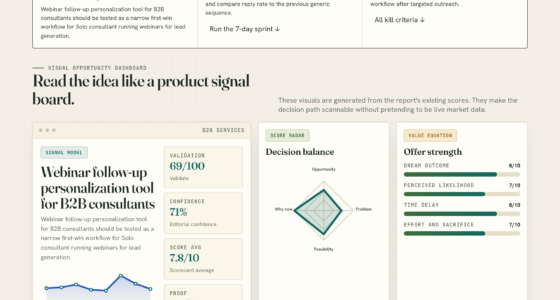
📊 Full opportunity report: NTSB's Findings And Their Relevance To Automotive Retail Trends on IdeaNavigator AI — validation score, market gap, and execution plan.

Get smart everyday buys delivered free with Prime
- Fast, free delivery on millions of items
- Prime Video, Amazon Music and more included
- Member-only deals all year
TL;DR

The NTSB has issued an investigative update on a Miami B-767 runway excursion. This development influences automotive retail decisions, especially regarding vehicle safety and regulatory compliance. The article examines its implications for independent dealerships and auto shops.
The National Transportation Safety Board (NTSB) has issued a detailed investigative update on a runway excursion involving a B-767 aircraft at Miami International Airport. This development, confirmed by the NTSB, underscores ongoing safety concerns that could influence automotive regulation and vehicle safety standards, making it relevant for owners and sales leads at independent dealerships and auto shops.
According to the NTSB, the incident occurred during a routine landing, where the aircraft veered off the runway due to possible mechanical or procedural issues. The investigation, still ongoing, has identified several factors but has not yet issued definitive conclusions. The update emphasizes the importance of strict adherence to safety protocols and highlights potential regulatory implications for aircraft and vehicle safety standards.
While the focus is on aviation safety, the NTSB’s findings may have broader implications for automotive safety regulation, especially as vehicle manufacturers increasingly incorporate advanced safety systems. Industry observers note that such updates can signal upcoming regulatory changes or recalls that directly affect vehicle safety features, which in turn influence auto retail decisions. The NTSB’s report comes amid a period of rapid regulatory shifts and heightened safety scrutiny across the transportation sector, driven by recent high-profile incidents and technological advancements.
Implications for Automotive Retail Decision-Making
This NTSB update matters because it highlights the importance of safety compliance and regulatory awareness in vehicle sales and service. For owners and sales leads at independent dealerships and auto shops, understanding potential safety-related developments helps in making informed decisions about inventory, recalls, and customer advisories. As safety standards evolve, being proactive can prevent costly liabilities and maintain customer trust.
Moreover, the update signals a possible increase in regulatory oversight that could lead to new standards or mandatory recalls affecting a broad range of vehicles. Staying ahead of these changes can give independent retailers a competitive edge by aligning their inventory and service offerings with upcoming safety requirements, thereby reducing risk and enhancing reputation.
As an affiliate, we earn on qualifying purchases.
Recent Trends in Vehicle Safety Regulation and Retail Impact
Over the past few years, regulatory agencies like the NHTB and NHTSA have intensified their focus on vehicle safety, driven by high-profile accidents and advancements in vehicle technology. The automotive industry has seen an uptick in recalls and safety notices linked to both manufacturing defects and software issues. These developments have prompted automakers and regulators to tighten standards, which directly affect retail operations.
Historically, safety investigations such as the Miami B-767 incident have led to significant regulatory changes, including mandatory safety upgrades and recalls. For independent dealerships and auto shops, keeping track of these developments has been challenging due to the scattered nature of news sources and the lack of role-specific filtering tools. The recent surge in safety-related updates underscores the need for targeted monitoring solutions that can filter relevant information for small and medium-sized retail operations.
As an affiliate, we earn on qualifying purchases.
Unresolved Questions About Regulatory Outcomes
It is not yet clear what specific regulatory changes will result from the NTSB’s investigation update or how quickly they will be implemented. The investigation remains ongoing, and the final conclusions, including any mandated safety measures or recalls, have not been announced. Additionally, the direct impact on automotive safety standards and how they will influence vehicle retail practices is still uncertain.
As an affiliate, we earn on qualifying purchases.
Next Steps in Safety and Retail Adaptation
The NTSB is expected to release a final report with detailed findings in the coming months. Industry stakeholders, especially independent dealerships and auto shops, should monitor these developments closely. Preparing for potential regulatory changes involves tracking official updates, adjusting inventory management, and communicating proactively with customers about safety recalls or upgrades. Developing role-specific information filters and alerts can help retail decision-makers react swiftly to emerging safety directives.
As an affiliate, we earn on qualifying purchases.
Key Questions
How might the NTSB’s findings influence vehicle recalls?
The findings could lead to new safety standards or mandatory recalls if systemic issues are identified that affect vehicle safety or compliance.
What should independent auto shops do in response to this update?
They should stay informed about official safety notices, review their inventory for affected vehicles, and prepare to communicate safety concerns to customers.
Will this incident affect vehicle safety technology standards?
Potentially, if the investigation uncovers systemic safety issues, it could prompt updates to safety technology requirements for vehicles.
When can we expect final regulatory decisions?
The NTSB has not specified a timeline, but final reports are typically released within several months of the investigation conclusion.
How can retail owners stay ahead of such safety developments?
Implementing role-specific monitoring tools that filter relevant safety updates and maintaining close communication with regulatory agencies are key strategies.
Source: IdeaNavigator AI
Fall Picks
fall essentials
As an affiliate, we earn on qualifying purchases.