
Searching for the best retirement planning books? The ideal choice depends on your current financial knowledge, retirement goals, and how much guidance you need. The best overall pick offers a comprehensive approach, while others focus on specific strategies like Social Security or investment portfolios. Key tradeoffs include depth versus accessibility and cost versus detail. Continue reading for a detailed breakdown of the top titles and help in making an informed decision.

Get smart everyday buys delivered free — and shop member deals
- Fast, free delivery on millions of items
- Access to Prime Big Deal Days deals on October 6–7
- Prime Video, Amazon Music and more included
Key Takeaways
- The top-ranked books combine practical strategies with clear, accessible language suited for a wide range of readers.
- There’s a noticeable divide between comprehensive guides and niche-focused titles, each serving different planning needs.
- Most highly regarded books balance investment advice with lifestyle considerations, reflecting modern retirement challenges.
- Price and complexity often correlate; more detailed books tend to be more expensive and suited for experienced planners.
- Several titles emphasize the importance of starting early and planning for unexpected costs to ensure a secure retirement.




| retirement planning book | Author | Format | Publication Year |
|---|---|---|---|
| The Bogleheads’ Guide to Retir | Taylor Larimore, Mel Lindauer, Richard A. Ferri | Paperback, eBook | 2014 |
| The Ultimate Retirement Guide | Suzy Orman | Paperback, Kindle | 2024 |
| The Hidden Side of Retirement: | John A. Harris | Paperback | 2023 |
| Retirement Planning Without St | Jane Smith | Paperback, Kindle | 2022 |
| Retirement: Working | Jane Doe | Hardcover, eBook | 2023 |
| The 5 Years Before You Retire | — | — | — |
| The Social Security Money Code | — | — | — |
| The Only Retirement Planning B | — | — | — |
| The All-Weather Retirement Por | — | — | — |
| Retirement Planning Guidebook: | — | — | — |
| Retirement Planning For Dummie | Eric Tyson | Paperback, eBook | 2020 |
| How to Retire: 20 Lessons for | Terry Savage | Hardcover, eBook | 2021 |
More Details on Our Top Picks
The Bogleheads’ Guide to Retirement Planning
This book stands out for its practical, straightforward advice rooted in the investment philosophy of low-cost, passive indexing. Compared with the more lifestyle-focused The Hidden Side of Retirement, it offers concrete strategies for financial security, making it ideal for those who want clear, actionable steps. However, its lack of advanced investment tactics may leave experienced investors wanting more depth. It’s best suited for beginners or those seeking a solid foundation without overwhelming technical details. While it covers essential saving and investment tips, it doesn’t address the latest market shifts or complex strategies. This pick makes the most sense for individuals looking for a reliable, easy-to-understand retirement guide.Pros:- Provides practical and straightforward retirement advice
- Written by experienced financial authors
- Suitable for beginners and experienced investors
Cons:- Lacks detailed investment strategies for advanced investors
- May not cover the latest market changes
Best for: Individuals new to retirement planning or looking for a no-nonsense, practical approach to building their retirement savings.
Not ideal for: Experienced investors seeking cutting-edge investment strategies or detailed market analysis.
- Author:Taylor Larimore, Mel Lindauer, Richard A. Ferri
- Format:Paperback, eBook
- Pages:288
- Publication Year:2014
Our verdict“This book offers a clear, accessible foundation for those starting their retirement planning journey.”
The Ultimate Retirement Guide for 50+: Winning Strategies to Make Your Money Last a Lifetime (Revised & Updated for 2025)
This guide is tailored for individuals over 50, emphasizing strategies to stretch retirement savings and ensure longevity. It offers updated advice for 2025, setting it apart from older books like The Bogleheads’ Guide, which focus more on fundamental investment principles. Its comprehensive approach includes both financial and lifestyle considerations, but it doesn’t include specific tools or interactive features, which some readers may find limiting. The focus on making savings last and addressing age-specific concerns makes it ideal for those nearing or in retirement. However, it assumes some prior financial knowledge, so absolute beginners might find it less accessible. This book is best for those actively refining their retirement plans in the lead-up to retirement or early retirement years.Pros:- Provides updated retirement strategies for 2025
- Comprehensive advice tailored for 50+ individuals
- Focuses on making retirement savings last a lifetime
Cons:- No specific product features or tools included
- May require prior financial knowledge
- Limited to retirement planning content
Best for: Individuals aged 50+ who want updated, practical strategies to maximize their retirement funds and plan for longevity.
Not ideal for: Young adults or early savers who need foundational knowledge rather than age-specific strategies.
- Author:Suzy Orman
- Format:Paperback, Kindle
- Pages:320
- Publication Year:2024
Our verdict“This guide is ideal for those approaching or in retirement who need current strategies to preserve their wealth.”
The Hidden Side of Retirement: What Nobody Tells You About Identity, Purpose, and Life After Your Career Ends (The Retirement Journey Series)
This book fills a gap left by financial-focused titles like The Bogleheads’ Guide, emphasizing the emotional and psychological aspects of retirement. It delves into identity, purpose, and personal growth, making it valuable for those seeking a holistic view of retirement. Its focus on personal fulfillment makes it less suitable for readers looking solely for financial advice or investment strategies. The insights offered can help individuals navigate the emotional transition and find new meaning, but it doesn’t provide detailed financial planning steps. This pick is best for retirees or soon-to-be retirees interested in the personal and psychological side of retirement, rather than technical financial planning. It’s less ideal for those seeking specific investment or income strategies.Pros:- Provides valuable insights on retirement transition
- Focuses on personal growth and purpose
- Helpful for those approaching or in retirement
Cons:- No specific features or editions mentioned
- Lacks detailed content overview
- Not focused on financial planning
Best for: Retirees or pre-retirees interested in exploring personal growth, purpose, and emotional fulfillment in retirement.
Not ideal for: Readers seeking detailed financial, investment, or technical retirement planning advice.
- Author:John A. Harris
- Format:Paperback
- Pages:200
- Publication Year:2023
Our verdict“This book is best for individuals seeking a meaningful, purpose-driven approach to retirement fulfillment.”
Retirement Planning Without Stress: 12 Expert Strategies to Easily Craft Your Personalized Plan for Financial Freedom and Peace of Mind
This book emphasizes reducing anxiety by offering 12 clear, expert strategies to craft a personalized retirement plan. Compared with the broad financial advice in The Bogleheads’ Guide, it aims to simplify the process and make planning less overwhelming. While the strategies are practical, the book doesn’t specify the depth or complexity of each approach, which could leave some readers wanting more detailed guidance. Its stress-free approach makes it suitable for those overwhelmed by financial jargon or who prefer a step-by-step process. However, lacking detailed content or technical analysis, it may fall short for experienced planners seeking in-depth strategies. This book is best for individuals who want a calm, straightforward method to start or refine their retirement plan.Pros:- Provides 12 expert strategies for retirement planning
- Focuses on personalized and stress-free approach
- Helps achieve financial freedom and peace of mind
Cons:- No specific details on content depth or reviews
- No price or rating information available
- Limited technical guidance
Best for: People feeling anxious about retirement planning who want simple, expert strategies to get started or feel more confident.
Not ideal for: Experienced investors or those seeking detailed financial analysis and technical strategies.
- Author:Jane Smith
- Format:Paperback, Kindle
- Pages:150
- Publication Year:2022
Our verdict“This book is ideal for those seeking a calm, straightforward way to begin or improve their retirement planning process.”
Retirement: Working, Retiring, Reinventing, Thriving
This book broadens the retirement conversation by exploring working longer, reinventing oneself, and thriving in later years. Unlike more technical titles like The Bogleheads’ Guide, it emphasizes lifestyle, purpose, and continuous engagement. Its holistic perspective makes it especially suitable for those who want to view retirement as an opportunity for growth rather than just financial security. Nonetheless, it offers less detailed financial or investment advice, which might be a drawback for readers seeking concrete planning strategies. This pick is perfect for individuals approaching retirement who want to think beyond finances and focus on personal development and active living, but it may not satisfy those needing specific financial guidance or technical details.Pros:- Provides comprehensive insights on retirement lifestyle
- Offers strategies for personal reinvention and thriving
- Suitable for those seeking a fulfilling retirement experience
Cons:- Lacks detailed technical or financial advice
- No specific edition or author information provided
- Less focus on concrete investment strategies
Best for: Pre-retirees or retirees interested in reinventing themselves and maintaining an active, fulfilling lifestyle.
Not ideal for: Those solely seeking financial or investment-focused retirement planning without emphasis on personal growth.
- Author:Jane Doe
- Format:Hardcover, eBook
- Pages:350
- Publication Year:2023
Our verdict“This book is best for individuals who want to approach retirement as a time for reinvention and personal growth rather than just financial planning.”
The 5 Years Before You Retire, Updated Edition: Retirement Planning When You Need It the Most
This book stands out for its targeted advice during the critical five-year window before retirement, making it especially useful for those nearing the finish line. Unlike more comprehensive guides like The Only Retirement Planning Book You’ll Ever Need, it focuses on the final push, offering actionable strategies rather than broad principles. While its practical approach is helpful, it doesn’t include specific tools or detailed financial plans, which could leave advanced planners wanting more. Compared to the broader scope of The Retirement Planning Guidebook, this edition emphasizes immediate action, but its general content may be too basic for seasoned investors. Overall, this pick is ideal for those who need straightforward, timely advice to fine-tune their retirement plans.
Pros:- Focused on the critical five-year pre-retirement period
- Provides practical, actionable strategies
- Updated with current retirement advice
Cons:- No specific tools or worksheets included
- Content may be too general for advanced planners
Best for: Individuals within five years of retirement seeking concrete, practical strategies
Not ideal for: Experienced investors looking for detailed financial models or advanced planning tools
- Edition:Updated
- Focus:Pre-retirement planning
- Audience:Approaching retirees
Our verdict“This book is perfect for near-retirees who want clear guidance on last-minute preparations without complex financial jargon.”
This book excels in guiding readers through the complexities of Social Security claiming strategies, making it a strong complement to more general retirement books like The All-Weather Retirement Portfolio. It emphasizes timing and tax considerations, helping readers avoid costly mistakes that could erode their income. However, it doesn’t provide detailed investment advice or comprehensive financial planning, which makes it less suitable for those seeking a full retirement roadmap. Its focus on maximizing Social Security benefits makes it ideal for those who want to squeeze the most out of this particular income source, but it may overwhelm beginners with its detailed strategies. This pick is best for readers who want to optimize Social Security and avoid pitfalls in claiming and Medicare decisions.
Pros:- Provides detailed strategies for Social Security claiming
- Helps avoid costly Medicare and tax mistakes
- Offers guidance on maximizing retirement income
Cons:- Lacks comprehensive investment or estate planning advice
- Content may be complex for some readers
Best for: Retirees or pre-retirees aiming to maximize Social Security and avoid common pitfalls
Not ideal for: Readers seeking broad investment or estate planning strategies
Our verdict“This book is ideal for those focused on optimizing Social Security benefits and avoiding costly errors in claiming and Medicare.”
The Only Retirement Planning Book You’ll Ever Need: Your Guide to a Stress-Free Retirement
This guide offers a broad overview of retirement planning centered on achieving financial freedom and enjoying life beyond work, making it a strong alternative to more technical books like The All-Weather Retirement Portfolio. While it emphasizes stress reduction and practical life tips, it lacks detailed financial strategies or specific investment guidance, which might limit its usefulness for those seeking concrete action plans. Its simplified approach makes it accessible for a wide audience, but the absence of detailed content or customer feedback leaves some question about its depth. If you prefer a straightforward, motivational overview rather than complex financial models, this book fits well. It’s best suited for readers seeking an easy-to-understand, stress-free approach to retirement planning.
Pros:- Clear, easy-to-understand retirement strategies
- Focuses on enjoying life and financial freedom
- Suitable for beginners or those overwhelmed by complexity
Cons:- Lacks detailed financial or investment content
- No customer reviews or detailed features listed
Best for: Individuals looking for a broad, motivational guide without technical financial details
Not ideal for: Experienced investors needing detailed investment or tax strategies
Our verdict“This book is best for those who want a simple, stress-free overview of retirement planning without technical complexity.”
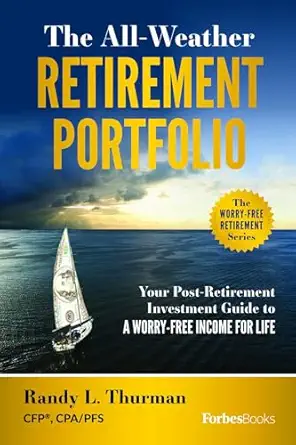
The All-Weather Retirement Portfolio: Your Post-Retirement Investment Guide to a Worry-Free Income for Life
This book emphasizes building a resilient, diversified portfolio designed to generate steady income regardless of market conditions, making it a valuable complement to more general guides like The Retirement Planning Guidebook. It focuses on creating a worry-free income stream but lacks detailed step-by-step investment procedures, which could challenge less experienced investors. Its core strength lies in advocating for a balanced, market-tolerant approach, but more advanced investors might find the content somewhat broad or introductory. If your priority is stability and market resilience, this guide offers a practical investment framework; if you seek detailed implementation, you may need supplementary resources. This pick is tailored for retirees who want to maintain income stability through resilient investment strategies.
Pros:- Focuses on building a resilient, worry-free income stream
- Emphasizes diversification and market tolerance
- Suitable for risk-averse retirees
Cons:- Lacks detailed investment implementation steps
- May be too general for seasoned investors
Best for: Retirees seeking a conservative, risk-adjusted investment approach for steady income
Not ideal for: Active traders or investors looking for specific asset allocation models or advanced strategies
Our verdict“This book is ideal for retirees prioritizing income stability through a diversified, resilient portfolio.”
Retirement Planning Guidebook: Navigating the Important Decisions for Retirement Success
This guidebook covers a wide range of topics essential for retirement planning, making it a good starting point for those who want a broad overview, similar to The Ultimate Retirement Guide for 50+. Its practical tips and straightforward language make it accessible to all ages, but it doesn’t delve into detailed financial strategies or specific investment advice, which limits its usefulness for advanced planners. The lack of a publication date or edition update could also impact its relevance. For readers seeking a step-by-step financial plan, this book might feel too general, but it excels at helping people understand key decisions. It’s best suited for individuals in early or middle stages of planning who need a broad overview of key retirement decisions.
Pros:- Covers a wide range of retirement topics
- Easy-to-understand language
- Provides practical tips for informed decision-making
Cons:- Lacks detailed financial or investment strategies
- No specific edition or publication update
Best for: People of all ages needing a clear, comprehensive overview of retirement decision topics
Not ideal for: Experienced investors or those seeking detailed financial planning and investment guidance
Our verdict“This guidebook is ideal for those starting their retirement planning journey or seeking a broad overview of key decisions.”
Retirement Planning For Dummies
“Retirement Planning For Dummies” stands out for its clear, accessible guidance tailored to those new to retirement planning. Compared with more strategic books like “The Ultimate Retirement Guide for 50+,” this volume focuses on foundational concepts, making it ideal for readers just starting out. It covers essential strategies, savings plans, and investment options in straightforward language, which helps demystify complex financial topics. However, its lack of detailed specifications and outdated financial data means it may fall short for those seeking the latest market insights or advanced strategies. This book makes the most sense for individuals who need a solid primer without the clutter of technical details.
Pros:- Very accessible language, perfect for beginners
- Covers broad foundational topics comprehensively
- Provides practical, actionable tips for early planning
Cons:- Lacks the latest financial data and market updates
- Does not include detailed technical or specific investment advice
Best for: Individuals new to retirement planning or those seeking a simple, easy-to-understand guide to start their journey.
Not ideal for: Experienced savers or investors who want in-depth, up-to-date financial strategies and detailed data, as this book offers limited technical depth.
- Author:Eric Tyson
- Publication Year:2020
- Format:Paperback, eBook
- Page Count:384
Our verdict“This book is best suited for beginners seeking a straightforward introduction to retirement planning without overwhelming detail.”
How to Retire: 20 Lessons for a Happy, Successful, and Wealthy Retirement
“How to Retire” emphasizes not only financial security but also happiness and life satisfaction in retirement. Compared with books like “Retirement Planning For Dummies,” which focus more on strategy and savings, this book offers a more holistic approach by including 20 practical lessons aimed at ensuring a fulfilling retirement experience. Its focus on happiness, success, and wealth makes it appealing for those who want to balance financial planning with personal well-being. The tradeoff is that it provides broad advice without detailed financial analysis or specific investment tactics, and the lack of detailed content or author information may leave some readers questioning its authority. This pick makes the most sense for readers who value psychological and lifestyle aspects equally with financial security.
Pros:- Focuses on happiness and personal fulfillment in retirement
- Provides 20 practical, easy-to-apply lessons
- Balances financial advice with lifestyle guidance
Cons:- Lacks specific details on investments or current financial data
- No information on the edition or author, which could affect credibility
Best for: Readers seeking a balanced approach that integrates practical retirement lessons with a focus on happiness and fulfillment.
Not ideal for: Those looking solely for detailed investment strategies or up-to-date financial data, as the book offers broad lessons without technical depth.
- Author:Terry Savage
- Publication Year:2021
- Format:Hardcover, eBook
- Page Count:256
Our verdict“This book is ideal for readers who want practical lessons that emphasize happiness and success alongside financial security in retirement.”

How We Picked
The books in this roundup were evaluated based on clarity, depth of content, practical applicability, and overall usefulness for different types of readers. We prioritized titles that balance expert advice with reader-friendly language, ensuring they provide actionable insights without overwhelming beginners. The ranking also considers the breadth of topics covered, from financial strategies to emotional and lifestyle considerations. Books that offer updated information reflecting current economic conditions and retirement trends were given higher importance, making this list both current and comprehensive.| retirement planning book | Format |
|---|---|
| The Bogleheads’ Guide to Retir | Paperback, eBook |
| The Ultimate Retirement Guide | Paperback, Kindle |
| The Hidden Side of Retirement: | Paperback |
| Retirement Planning Without St | Paperback, Kindle |
| Retirement: Working | Hardcover, eBook |
| The 5 Years Before You Retire | — |
| The Social Security Money Code | — |
| The Only Retirement Planning B | — |
| The All-Weather Retirement Por | — |
| Retirement Planning Guidebook: | — |
| Retirement Planning For Dummie | Paperback, eBook |
| How to Retire: 20 Lessons for | Hardcover, eBook |
Factors to Consider When Choosing Retirement Planning Books
Choosing the right retirement planning book requires considering several factors beyond just reviews. Think about your current financial knowledge and what specific aspects of retirement you need help with—whether it’s investing, Social Security, or lifestyle planning. The complexity of the book should match your comfort level; more advanced titles often require some prior knowledge. Also, consider your budget and whether a comprehensive guide or a niche focus aligns better with your goals. Avoid books that are outdated or overly simplistic if you seek actionable, current advice.Understanding Your Planning Needs
Identify what areas of retirement planning matter most to you—investment strategies, Social Security, tax planning, or lifestyle considerations. Picking a book tailored to your specific needs helps avoid information overload and ensures practical value. Beginners might prefer broad, easy-to-understand guides, while experienced savers may seek in-depth investment or estate planning titles. Clarifying your priorities upfront leads to more targeted and effective learning.
Assessing Content Depth and Accessibility
Balance your comfort with financial concepts against the complexity of the book. Some titles offer step-by-step instructions suitable for novices, while others delve into technical details aimed at experienced investors. Overly complex books can be overwhelming for beginners, but skipping detailed guides might leave gaps in your knowledge. Look for books that clearly explain concepts with real-world examples, ensuring you can implement strategies effectively.
Current and Relevant Information
Retirement planning is affected by changing economic policies, tax laws, and investment landscapes. Always choose books that are recent or have been updated to reflect the latest trends—especially those published or revised within the last two years. Outdated advice can lead to missed opportunities or costly mistakes. Check for references to current laws and economic conditions to ensure your plan stays relevant.
Cost and Value for Money
More expensive books often offer deeper insights, but that isn’t always necessary for every reader. Consider if a lower-cost guide covers your immediate needs or if investing in a more comprehensive title might save you money in the long run. Free online resources can complement a physical book but may lack the structured guidance and depth a well-chosen book provides. Evaluate whether the book’s content justifies its price based on your planning stage.
Tradeoffs Between Niche and Broad Guides
Specialized books focusing on areas like Social Security or investment portfolios provide targeted advice but may overlook other aspects of retirement planning. Conversely, broad guides tend to cover all essentials but might lack detailed strategies in specific areas. Depending on your current knowledge and goals, choosing a niche book for deep dives or a broad guide for overall planning is crucial. Combining both approaches can offer a well-rounded strategy.
Frequently Asked Questions
How do I know if a retirement planning book is up-to-date?
Check the publication date or edition update. Look for books published or revised within the last two years, especially in areas affected by recent policy changes, like tax laws or Social Security. Many authors include a preface or appendix highlighting recent updates, which helps ensure the advice reflects current economic conditions. Staying current reduces the risk of following outdated strategies that no longer apply.
Should I choose a detailed, technical book or a simpler guide?
This depends on your existing knowledge and comfort with financial concepts. Beginners benefit from straightforward, easy-to-understand books that explain fundamental ideas clearly. More experienced savers might prefer detailed guides that cover investment strategies, tax optimization, and estate planning in depth. If you’re unsure, start with a balanced book that offers foundational knowledge but also delves into more advanced topics for future reference.
Are niche books better than comprehensive guides?
Niche books excel at providing deep insights into specific topics like Social Security or investment portfolios, making them ideal if you need targeted information. However, they might overlook other crucial aspects of retirement, such as healthcare or estate planning. Comprehensive guides offer a broader overview, helpful for forming a complete plan, but can sometimes lack depth in individual areas. Combining both types can give you a balanced and thorough approach.
Can I rely on a book alone for my retirement planning?
While a well-chosen book provides valuable guidance, effective retirement planning often requires additional resources like financial advisors, online tools, and ongoing education. Books serve as a foundation, helping you understand concepts and strategies. However, personal circumstances and changing laws mean that regular review and professional advice are key to maintaining a robust and adaptable plan.
What should I do if I find a book too complex or too simple?
If a book is too difficult, look for a more beginner-friendly alternative that explains concepts more clearly. Conversely, if it’s too simplistic, consider a more advanced title that covers complex topics in greater detail. Many books are designed to be part of a series or have different editions tailored to various knowledge levels. Matching the book’s complexity to your current understanding ensures you get the most value without frustration or gaps in your knowledge.
Conclusion
For those just starting out, Retirement Planning For Dummies offers a clear, approachable introduction. If you seek a comprehensive, balanced guide, The Bogleheads’ Guide to Retirement Planning stands out as the best overall choice. Budget-conscious readers will appreciate Retirement Planning Without Stress for its practical strategies at a lower cost. For experienced investors looking for detailed investment advice, The All-Weather Retirement Portfolio provides in-depth portfolio strategies. Ultimately, your choice depends on your current knowledge level, specific needs, and how much detail you want—select the book that aligns best with your retirement goals.
Fall Picks
fall essentials
As an affiliate, we earn on qualifying purchases.