
To reduce single-point-of-failure risks in crypto storage, diversify your assets across multiple secure locations and use different methods like hardware wallets and encrypted backups. Avoid relying on a single device or site by spreading risk geographically and securely. Implement multi-signature setups requiring multiple keys for transactions, and regularly update your hardware and security protocols. If you keep exploring, you’ll discover more effective strategies to safeguard your investments.

Get smart everyday buys delivered free with Prime
- Fast, free delivery on millions of items
- Prime Video, Amazon Music and more included
- Member-only deals all year
Key Takeaways
- Diversify storage locations across multiple secure, geographically dispersed sites to prevent total asset loss.
- Use multi-signature wallets requiring multiple authorized approvals for transactions.
- Keep backups encrypted and stored separately in secure, offline vaults or safety deposit boxes.
- Regularly update hardware firmware and conduct security audits to identify vulnerabilities.
- Restrict access with strong authentication methods and biometric security measures.
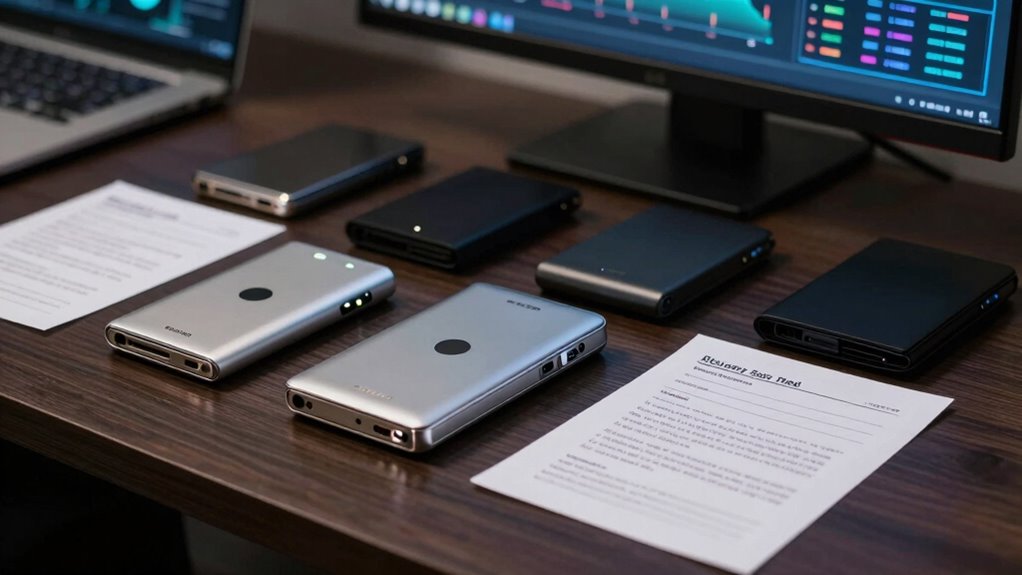
When it comes to crypto storage, relying on a single point of failure can jeopardize your assets. If you depend solely on one device or method, a single hardware vulnerability or breach in access control can wipe out your entire investment. To mitigate this risk, you need to diversify your storage solutions and implement robust security measures. Hardware vulnerabilities, such as counterfeit chips, hardware backdoors, or firmware exploits, pose significant threats. These vulnerabilities can allow malicious actors to gain unauthorized access or even physically tamper with your devices. Therefore, it’s crucial to choose reputable hardware wallets from trusted manufacturers, regularly update firmware, and perform security audits to identify potential flaws.
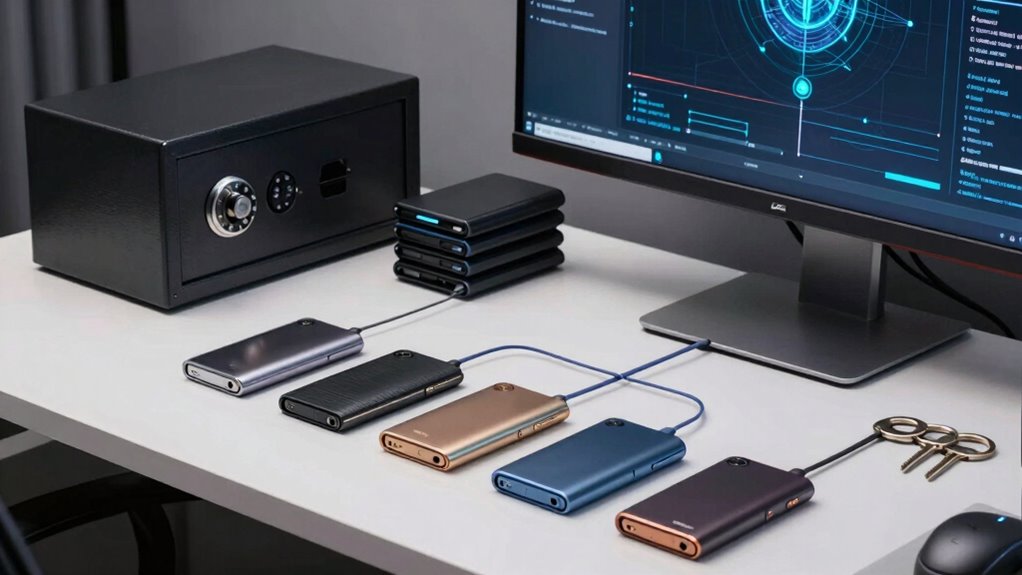
Access control is another critical aspect. If you don’t restrict who can access your crypto assets, you leave yourself vulnerable to theft or accidental loss. Implement multi-factor authentication (MFA), strong passphrases, and biometric locks whenever possible. Keep your private keys offline or in hardware wallets, rather than on connected devices or online platforms, to reduce exposure. Limiting physical access is equally important; store your hardware wallets in secure, fireproof safes or safes with biometric access. Additionally, assign access permissions carefully if you’re working with a team, and regularly review who has access to sensitive information or storage devices.
Reducing single points of failure also involves creating backups and spreading your risk. Avoid storing all your private keys or seed phrases in one location. Instead, use multiple secure backup locations, like safety deposit boxes or geographically dispersed secure vaults. Ensure that these backups are encrypted and that only trusted individuals know their whereabouts. Consider using a multi-signature setup, where multiple keys are needed to authorize a transaction. This way, even if one key is compromised or lost, your assets remain protected.
Furthermore, regularly review and update your security protocols. As technology evolves, so do the methods of attackers. Staying informed about emerging hardware vulnerabilities and access control techniques helps you adapt quickly. Conduct periodic security audits, test your backup procedures, and educate yourself on best practices. This proactive approach minimizes the risk that a single hardware failure, security flaw, or access control lapse could lead to catastrophic loss. By diversifying storage, strengthening access control, and maintaining vigilant security routines, you significantly reduce your exposure to a single-point-of-failure scenario and better protect your crypto assets.
As an affiliate, we earn on qualifying purchases.
Frequently Asked Questions
What Are the Best Hardware Wallets for Crypto Security?
You should choose hardware wallets like Ledger Nano X or Trezor Model T for top-tier crypto security. They provide robust hardware protection, safeguarding your private keys from online threats. To minimize risk, implement backup strategies such as creating secure seed phrases stored offline in multiple locations. This way, even if your device fails, you can recover your assets easily and maintain access, reducing single-point-of-failure risks effectively.
How Often Should I Update My Crypto Storage Security Measures?
You should update your crypto storage security measures regularly, ideally every few months or after any significant software or hardware updates. Conduct security audits to identify vulnerabilities and refine your backup strategies, guaranteeing your private keys are safely stored offline. Keeping your security measures current minimizes risks from emerging threats and helps protect your assets. Consistent reviews ensure your storage remains resilient against potential single-point-of-failure issues.
Can Multi-Signature Wallets Eliminate All Risks?
Multi-signature wallets substantially lower your risk, but they don’t eliminate it entirely—nothing’s foolproof. Think of it as spreading your eggs across multiple baskets; you minimize damage if one fails. With multi-signature, you maintain decentralized control, requiring multiple approvals for transactions, which adds a layer of security. However, vulnerabilities like private key compromise and user errors still exist, so stay vigilant and keep your security measures updated.
What Are Common Mistakes in Crypto Storage?
You often make mistakes like neglecting proper backup strategies or overlooking access controls, risking your crypto assets. Failing to regularly back up your keys or seed phrases can lead to loss if something goes wrong. Additionally, weak access controls, like sharing passwords or not enabling two-factor authentication, expose your wallet to hacking. Always prioritize secure backup strategies and strict access controls to safeguard your crypto holdings effectively.
How Do I Recover My Assets if My Storage Fails?
If your storage fails, you can recover your assets by following established recovery protocols, which often involve using backup seed phrases or private keys. Be aware of custodial risks if you’re using third-party services, as they might limit access. To minimize issues, keep multiple secure backups of your recovery information in different locations. Regularly test your recovery process to guarantee you can access your assets when needed.
As an affiliate, we earn on qualifying purchases.
Conclusion
To truly safeguard your crypto assets, don’t rely on a single storage method. For example, if you keep all your funds on an exchange and it gets hacked or shuts down, you lose everything. Instead, diversify your storage—use hardware wallets, paper wallets, and multi-signature setups. By spreading your risk, you protect yourself from a single-point failure. Remember, in crypto, redundancy isn’t just smart—it’s essential for long-term security.
As an affiliate, we earn on qualifying purchases.
biometric safe for crypto storage
As an affiliate, we earn on qualifying purchases.
As an affiliate, we earn on qualifying purchases.
Halloween Picks
halloween
As an affiliate, we earn on qualifying purchases.