
You might find it intriguing that El Salvador has officially removed Bitcoin's status as legal currency. This shift comes after mounting pressure from the IMF, citing concerns over Bitcoin's volatility. With businesses now allowed to use Bitcoin voluntarily, the country is reverting to U.S. dollars for tax payments and essential services. What does this mean for the future of cryptocurrency in El Salvador and beyond?

Get smart everyday buys delivered free with Prime
- Fast, free delivery on millions of items
- Prime Video, Amazon Music and more included
- Member-only deals all year
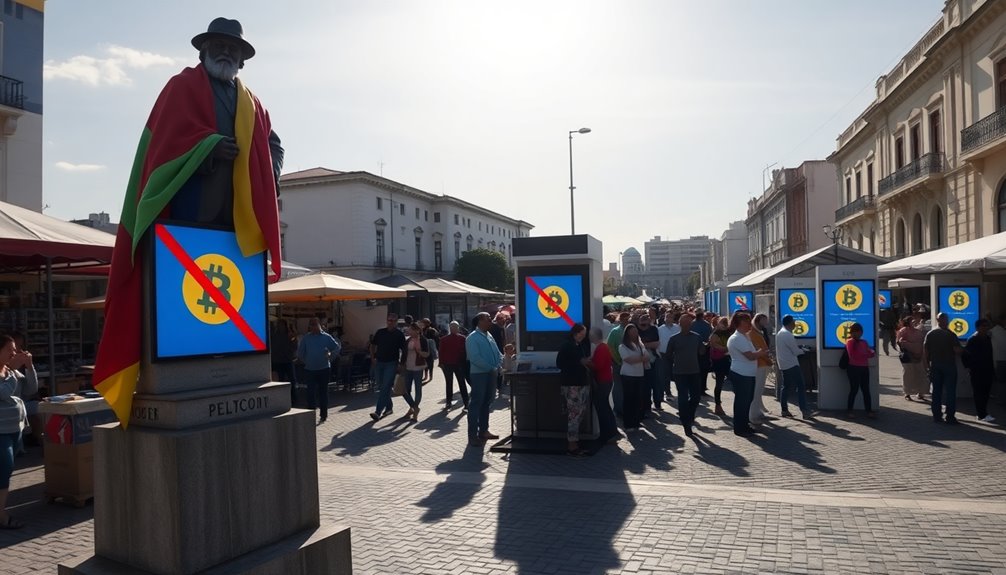
Why has El Salvador decided to strip Bitcoin of its legal currency status? This question looms large as the country officially reversed its earlier stance on Bitcoin, effective January 29, 2025. The change comes in response to pressure from the International Monetary Fund (IMF), which raised concerns about the financial risks linked to Bitcoin's volatile nature. By modifying its laws and constitutional provisions, El Salvador has made Bitcoin's acceptance as currency voluntary rather than mandatory for businesses and institutions.
The implications of this decision are significant. For one, it reflects the Salvadoran government's need to align more closely with the United States economically. Compliance with IMF recommendations was crucial to secure a $1.4 billion loan aimed at stabilizing the nation's economy. By shedding Bitcoin's legal tender status, El Salvador aims to mitigate financial risks that the IMF highlighted, including the fact that Bitcoin lacks international legal tender recognition.
Despite this legal shift, the Salvadoran government continues to accumulate Bitcoin, holding over 6,000 units. This move may seem contradictory, especially since only about 8% of the population had engaged with Bitcoin for payments by 2024. Public skepticism has been high, with over 70% opposing Bitcoin's initial adoption as legal tender back in 2021.
Many businesses, including major brands like McDonald's and Walmart, may now choose to stop accepting Bitcoin, further hampering its real-world application. Although Bitcoin's use has become voluntary, some individuals and businesses remain committed to it. Educational initiatives to raise awareness about Bitcoin continue, demonstrating that there's still a community of enthusiasts eager to engage with the cryptocurrency.
However, the practical ramifications of this legal change are noteworthy. Residents will now need to use U.S. dollars for tax payments and essential government services, stripping Bitcoin of its prior functional role in daily transactions.
Halloween Picks
halloween
As an affiliate, we earn on qualifying purchases.