
🔍 Read the full analysis: How AI Demand Is Putting Pressure On Memory Supplies on ThorstenMeyerAI.com

Get smart everyday buys delivered free with Prime
- Fast, free delivery on millions of items
- Prime Video, Amazon Music and more included
- Member-only deals all year
TL;DR
SK hynix says memory demand is likely to exceed supply through 2030, citing the time and technical difficulty involved in expanding production. AI data centers are competing for capacity used to make both high-bandwidth memory and conventional chips, while suppliers and buyers disagree over how much of the tight market reflects production limits.
SK hynix expects memory demand to outstrip supply through 2030, the South Korean chipmaker said October 28, citing the long lead times for new factories and the technical challenges of advanced production. The forecast matters beyond the data-center industry: AI-focused memory production draws on capacity also used for chips in PCs and phones, putting pressure on consumer-device prices and specifications.
In its third-quarter release, SK hynix said supply was not keeping pace with market growth and expected the supply-demand gap to persist through 2030. On the earnings call, Chief Financial Officer Kim Woo-Hyun said higher memory prices and shortages were expected to weigh on shipments of PCs and mobile devices, while growth in AI infrastructure demand would more than offset that decline for the company. Those comments are the company’s outlook, not a confirmed forecast of how many devices will be sold.
SK hynix executives said customer requirements for high-bandwidth memory, or HBM, were more than twice what the company could supply at the time. The company also said long-term agreements with 14 major customers, typically running five years, covered more than half its production capacity for 2027 and 2028. The contracts include deposits, according to the call. SK hynix said demand growth it could actually serve in 2027 was expected to be in the mid-20% range for DRAM and high teens for NAND flash.
The source report cited a U.S. retail price of at least $447 for a 32-gigabyte DDR5-6000 kit, compared with a previously recorded low of $72, based on Tom’s Hardware price data updated October 26. TrendForce estimates cited in the report show contract prices for conventional memory chips rose 93% to 98% in the first quarter of 2026. Those figures concern different measures—retail kit prices and chip contract prices—and should not be treated as interchangeable. The report says contract prices continued to rise in later quarters, but its cumulative estimate includes forecasts.
Infographic 01 · Where the memory goes
AI data centers get first call on memory.
High-bandwidth memory (HBM) for AI chips and the memory in your phone come out of the same factories. HBM needs far more wafer per gigabit, and its buyers sign years ahead.
The bakery problem
HBM share of wafers vs. share of the memory bits they produce
Same factories, same wafers: every wafer used for AI memory is missing from phone and PC memory.
Who gets first call
Long contracts lock up supply years ahead
- SK hynix: deals with 14 major customers, usually five years, with deposits; more than 50% of 2027–2028 capacity
- Micron: more than 75% of fiscal 2027 shipments already committed
- HBM demand: customers want “more than double” what SK hynix can supply today
- Cloud budgets: memory ≈ 47% of big cloud providers’ capex in 2026, 68% in 2027 (TrendForce estimates)
Three makers, three horizons, one customer’s view
- SK hynixThrough 2030Demand above supply (company forecast)
- SamsungInto 2028Tight supply, based on market research
- MicronNo “line of sight”Tighter in 2027 and 2028 than in 2026
- Acer (customer)Easing from 2H 2027Says suppliers talk up the shortage
HBM is a wedding cake, phone memory is bread. Same ovens. The cake customers pay more and order years ahead.Thorsten Meyer · my analogy
Sources: TrendForce, 2 Jun (wafer and bit shares, estimates); TrendForce, 25 Aug (capex shares, estimates); SK hynix, 28 Oct 2026; SK hynix call, 28 Oct; Micron call, 30 Sep; The Register, 1 Oct; Samsung call, 29 Oct; Acer via Tom's Hardware / DigiTimes. Wafer-per-gigabit ratio: my arithmetic. All horizons are forecasts.
Powered by Thorsten Meyer AI
AI Chips Compete for Memory Capacity
HBM is a type of DRAM designed to move data quickly beside AI processors. It is made from the same broad pool of wafer-start capacity used for conventional DRAM, including memory for computers and mobile devices. TrendForce estimates cited in the source report put HBM at about 22% of wafer starts by the three biggest makers at the end of 2026, while accounting for about 9% of memory bits; its estimates for the end of 2027 are about 30% of wafers and 13% of bits. These are market estimates, not measurements of every producer’s output.
That difference helps explain why a surge in AI orders can constrain other memory supply even as manufacturers expand output. If chipmakers allocate more production to HBM, less wafer capacity may be available for standard memory, and HBM’s production process yields fewer bits per wafer. For buyers, that can contribute to higher component costs, which device makers may pass on through prices, lower specifications, or both. It does not establish that memory prices alone caused changes in device shipments or retail prices.
The pressure is showing up amid a difficult market for consumer electronics. The source report cites IDC figures showing PC shipments fell 20.1% and smartphone shipments fell 22.0% in the third quarter, and says IDC projected a $581 average smartphone price for the year, up 27.6%. It also cites reporting that some manufacturers are cutting storage, camera, or memory specifications in mainstream devices. The figures and reported product changes indicate potential consumer effects, but do not isolate memory as the sole cause.
Products Worth Considering

Dell XPS 13 9350 Laptop, 13.4 FHD+ Display, Intel Ultra 7 256V, 16GB DDR5, 1TB SSD
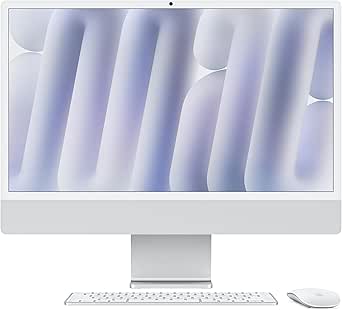
Apple iMac 2024 All-in-One Desktop with M4 Chip, 24‑inch Retina Display, 16GB Unified Memory, 256GB SSD, Silver

Apple MacBook Pro (14.2-inch, 2025) – M5 chip, 16GB Unified Memory, 1TB SSD, Space Black
As an affiliate, we earn on qualifying purchases.
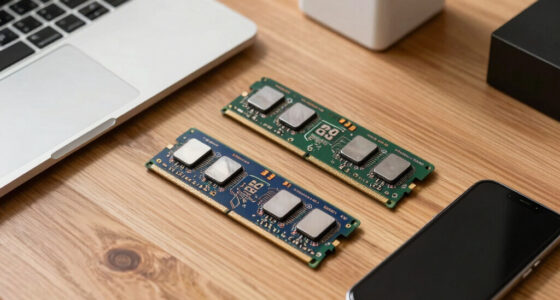
Memory has different roles in a device. DRAM temporarily holds data a computer or phone is actively using; NAND flash stores files and applications when the device is off. Conventional DRAM appears in PC memory modules and in chips fitted inside phones and thin laptops. HBM is also DRAM, but it stacks memory dies and connects them to processors to provide high data-transfer speeds used by AI systems.
Because HBM and conventional memory draw on overlapping manufacturing resources, AI demand can affect supply for other products. The transition from deciding to build a factory to producing usable chips takes time, and advanced manufacturing processes can be difficult to scale. SK hynix pointed to both factors in its forecast. Other suppliers have also described a tight market: according to the source report, Samsung expects constraints to last into 2028, while Micron said it had no “line of sight” to a balance between supply and demand.
On October 29, Samsung reported contrasting results within its business: its phone and network operation lost money, while its memory business recorded a record. That result underscores how different parts of the electronics industry can be affected differently by the same market conditions. It does not, by itself, show that memory prices caused the phone division’s loss.
““Supply is not keeping pace with the growth of the market.””
— SK hynix, in its October 28 earnings release
How Long the Shortage Will Persist
The through-2030 outlook is SK hynix’s forecast, not a settled industry-wide outcome. Samsung’s expectation of tight supply into 2028 and Micron’s statement that it has no clear view of when supply and demand will balance point to similar pressure, but the companies may use different assumptions and time frames. The source material does not provide a common set of projections that would let readers compare them directly.
It is also unclear how much of the scarcity comes from physical production limits, how much from manufacturers’ choices about which products to make, and how quickly new capacity will come online. SK hynix and other suppliers stand to benefit from higher prices and strong margins. The source report also says Acer has accused suppliers of talking up shortages to protect margins. That is an allegation from a large customer, not independently established evidence; suppliers and buyers have different commercial interests.
Device sales, final retail prices, and product specifications remain difficult to predict. The cited shipment and price figures do not prove that memory shortages alone account for changes in the consumer market, and the reported cumulative price estimate relies partly on forecasts. Future supply will depend on AI orders, manufacturing yields, capacity investment, and demand for conventional memory.
Watch Capacity and Device Costs
The next indicators will be quarterly updates from memory makers on HBM orders, factory investment, production yields, and contract pricing. SK hynix’s agreements covering more than half its capacity for 2027 and 2028 suggest that a substantial share of future output is already committed, but the company has not provided a complete breakdown of how much capacity will serve each customer or memory product.
For consumers and businesses, upcoming PC and phone releases will show whether manufacturers respond to memory costs by raising prices, reducing specifications, or changing product lineups. Shipment data and retail-price tracking can help distinguish industry forecasts from realized effects. Until then, the clearest confirmed development is that suppliers expect tight memory conditions to continue, while the duration and eventual impact on individual products remain uncertain.
Key Questions
Why is AI demand affecting memory for PCs and phones?
AI processors use high-bandwidth memory, which is made using wafer capacity that overlaps with production for conventional memory. Allocating more resources to HBM can leave less capacity for other memory types, although the precise effect depends on manufacturers’ output and product choices.
What does SK hynix forecast?
SK hynix said October 28 that it expects memory demand to exceed supply through 2030. This is the company’s forecast, based on its view of factory lead times and production challenges, not a guarantee that shortages will last that long.
Does the forecast mean PC and phone prices will keep rising?
Not necessarily. Higher memory costs can put pressure on device prices or specifications, but companies may respond in different ways, and other costs and market conditions also affect retail prices. The source report’s cited component and device-price figures cover different measures and periods.
What is the difference between HBM and ordinary memory?
HBM is DRAM stacked and connected to provide fast data transfer for processors, including AI chips. Conventional DRAM serves as working memory in PCs and phones, while NAND flash stores files and applications. HBM and conventional DRAM draw on overlapping manufacturing resources.
Is the shortage forecast independently confirmed?
No single shared forecast establishes how long supply will remain tight. SK hynix expects the gap through 2030; the source report says Samsung expects constraints into 2028 and Micron has no clear view of balance. Those are company statements, and suppliers’ commercial interests should be considered alongside customer objections.
Source: ThorstenMeyerAI.com