
Searching for the best financial planning software can feel overwhelming with so many options tailored for different needs. Personal finance enthusiasts will appreciate tools that simplify budgeting, while business users need robust modeling capabilities. The best overall pick offers a balance of ease of use and advanced features, but it may come at a higher price.
Other standout options include software that excels in specific areas like investment analysis or beginner-friendly interfaces. The main tradeoffs involve balancing complexity, cost, and features. Continue reading for a detailed breakdown of the top choices and what makes each unique.

Get smart everyday buys delivered free with Prime
- Fast, free delivery on millions of items
- Prime Video, Amazon Music and more included
- Member-only deals all year
Key Takeaways
- The top-ranked software strikes a balance between advanced features and user-friendly design.
- Price varies widely, with premium options offering more customization at a higher cost.
- Many tools specialize either in detailed financial modeling or simple budgeting, so clarity on your needs is key.
- Ease of use often correlates with fewer advanced features, making some options better for beginners.
- Integration with other financial tools can significantly boost long-term value but is not always seamless.
| Hands-On Financial Modeling with Microsoft Excel 2019 |  | Best Practical Guide for Excel 2019 Users | Edition: Excel 2019 | Focus: Financial modeling techniques | Use cases: Forecasting, valuation, growth analysis | VIEW LATEST PRICE | See Our Full Breakdown |
| Budget and Financial Planning Template in Excel |  | Best for Customizable Personal and Business Budgeting | Format: Excel Template | Customization: High | Intended use: Budget tracking and financial goal organization | VIEW LATEST PRICE | See Our Full Breakdown |
| Financial Modeling in Excel For Dummies |  | Best for Beginners and Self-Learners | Audience: Beginners, self-learners | Content type: Book | Coverage: Basic to intermediate financial modeling | VIEW LATEST PRICE | See Our Full Breakdown |
| Using Excel for Business and Financial Modelling: A Practical Guide (Wiley Finance) |  | Best for Professionals Seeking Practical Techniques | Series: Wiley Finance | Focus: Business and financial models | Target audience: Intermediate users | VIEW LATEST PRICE | See Our Full Breakdown |
| Mastering Financial Modeling: A Professional’s Guide to Building Financial Models in Excel |  | Best for Advanced Professionals | Audience: Professional finance users | Coverage: Advanced techniques | Focus: Accuracy and efficiency | VIEW LATEST PRICE | See Our Full Breakdown |
| Financial Modeling: Fourth Edition (The MIT Press) |  | Best for Advanced Financial Professionals | Edition: Fourth | Publisher: The MIT Press | Intended Audience: Advanced finance professionals | VIEW LATEST PRICE | See Our Full Breakdown |
| Financial Modeling for Equity Research: A Step-by-Step Guide to Earnings Modeling and Stock Valuation |  | Best for Investment Analysts and Equity Researchers | ASIN: 1689598328 | Focus Area: Earnings modeling and stock valuation | Level: Beginner to intermediate | VIEW LATEST PRICE | See Our Full Breakdown |
| Financial Planning Essentials for Software Professionals | 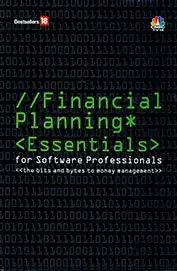 | Best for Tech Industry Software Developers and IT Professionals | Target Audience: Software developers and IT professionals | Content Focus: Personal financial planning tailored to tech careers | Level: Beginner to intermediate | VIEW LATEST PRICE | See Our Full Breakdown |
More Details on Our Top Picks
Hands-On Financial Modeling with Microsoft Excel 2019
This book stands out for its hands-on approach to building financial models directly within Excel 2019, making it ideal for users who want practical, real-world applications. Unlike the more beginner-friendly Financial Modeling in Excel For Dummies, it dives into detailed modeling techniques tailored to Excel 2019’s features, but it doesn’t cover the latest Excel versions. The focus on forecasting, valuation, and growth analysis ensures users can create comprehensive models for various financial scenarios. However, it’s limited by focusing on an older Excel version, which might restrict access to newer tools and functions. This makes it best suited for professionals or students still working primarily with Excel 2019.
Pros:- Covers practical financial modeling techniques applicable for real-world scenarios
- Includes use cases like forecasting, valuation, and growth analysis
- Tailored specifically for Excel 2019 users, ensuring detailed guidance
Cons:- Focuses exclusively on Excel 2019, limiting relevance for users with newer versions
- Lacks coverage of recent Excel features or updates
Best for: Finance professionals or students who primarily use Excel 2019 for modeling tasks.
Not ideal for: Users seeking guidance on the latest Excel features or working with newer versions like Excel 365.
- Edition:Excel 2019
- Focus:Financial modeling techniques
- Use cases:Forecasting, valuation, growth analysis
- Format:Book
- Target audience:Finance students and professionals
- Author:Various
Bottom line: This is a solid choice for those who need practical, Excel 2019-specific modeling guidance but may not suit users looking for the latest features.
Budget and Financial Planning Template in Excel
This template makes managing personal or small business finances straightforward through its customizable structure, perfect for those who prefer DIY solutions over comprehensive software like Mastering Financial Modeling. Unlike the more advanced Using Excel for Business and Financial Modelling, it focuses on simplicity and ease of use, but it offers no built-in advice or automation, requiring users to understand basic Excel functions. Its flexibility allows adaptation for various financial goals, but it demands a moderate level of Excel proficiency and lacks guidance or automation features. This pick makes the most sense for small business owners or individuals comfortable with Excel who want a simple, flexible planning tool.
Pros:- Highly customizable to fit personal or business needs
- Simplifies budget tracking and goal management
- Easy to adapt for various financial scenarios
Cons:- Requires Excel to use, limiting accessibility
- No embedded financial advice or automation features
Best for: Small business owners or individuals seeking a customizable, straightforward budgeting template.
Not ideal for: Users seeking an all-in-one financial planning software with built-in guidance and automation.
- Format:Excel Template
- Customization:High
- Intended use:Budget tracking and financial goal organization
- Ease of use:Moderate
- Target user:Small business owners, individuals
- Guidance:None
Bottom line: This template is ideal for users who want a flexible, no-frills tool for managing personal or small business finances in Excel.
Financial Modeling in Excel For Dummies
This book offers a clear, beginner-friendly introduction to financial modeling, making it a strong contrast to more technical guides like Using Excel for Business and Financial Modelling. It breaks down complex concepts into manageable steps with practical examples, ideal for those starting out or self-teaching. Its focus on basic to intermediate skills means it’s less suited for advanced users or those seeking in-depth techniques for complex models. The limited interactive exercises and primarily text-based format may challenge learners who prefer hands-on practice. Overall, this makes it a good fit for newcomers wanting a solid foundation in Excel-based financial modeling.
Pros:- Comprehensive, easy-to-follow tutorial for beginners
- Includes practical business examples
- Breaks down concepts into manageable steps
Cons:- Limited interactive exercises or hands-on practice
- Focuses mainly on basic to intermediate concepts
Best for: Beginners or self-learners eager to build foundational financial modeling skills in Excel.
Not ideal for: Experienced professionals or users looking for advanced modeling techniques with extensive exercises.
- Audience:Beginners, self-learners
- Content type:Book
- Coverage:Basic to intermediate financial modeling
- Examples:Real-world business scenarios
- Format:Printed book
- Approach:Step-by-step instructions
Bottom line: This guide is perfect for beginners seeking a straightforward, step-by-step introduction to financial modeling in Excel.
Using Excel for Business and Financial Modelling: A Practical Guide (Wiley Finance)
This guide offers a hands-on approach to building business and financial models, making it suitable for users who are comfortable with Excel basics but want to refine their practical skills. Compared with Financial Modeling in Excel for Dummies, it emphasizes real-world applications and practical techniques, but it might challenge complete novices due to its assumed prior knowledge. It’s part of the reputable Wiley Finance series, adding credibility but limiting depth on complex, advanced modeling topics. This makes it ideal for intermediate users who wish to enhance their modeling skills without diving into overly technical territory.
Pros:- Focuses on practical, real-world Excel modeling techniques
- Part of the respected Wiley Finance series, ensuring quality
- Suitable for users with some Excel experience aiming to refine skills
Cons:- Requires prior Excel knowledge for best understanding
- Limited coverage of advanced or complex models
Best for: Finance professionals or analysts looking to improve practical modeling skills in Excel.
Not ideal for: Complete beginners or those seeking advanced, in-depth modeling techniques beyond basic applications.
- Series:Wiley Finance
- Focus:Business and financial models
- Target audience:Intermediate users
- Level:Practical, hands-on
- Format:Book
- Author:Various
Bottom line: This guide suits professionals who want practical, real-world Excel modeling techniques without venturing into highly technical or advanced territory.
Mastering Financial Modeling: A Professional’s Guide to Building Financial Models in Excel
This comprehensive guide aims at professionals already familiar with basic Excel functions, seeking to develop and hone advanced modeling techniques. Unlike Financial Modeling in Excel For Dummies, which introduces fundamental concepts, this book emphasizes refining skills with detailed, technical strategies for building accurate, efficient models. While its extensive coverage makes it ideal for experienced users, its redundant phrasing and lack of specific technical specs might be off-putting for those new to modeling or seeking quick results. Overall, it’s best suited for finance professionals looking to elevate their modeling expertise significantly.
Pros:- Extensive coverage of advanced Excel modeling techniques
- Targeted toward professionals seeking mastery
- Focuses on building accurate, efficient financial models
Cons:- Title’s redundant phrasing can be confusing
- Lacks specific technical details or specs
Best for: Financial analysts and professionals aiming to master complex modeling techniques in Excel.
Not ideal for: Beginners or users seeking a quick, entry-level introduction to financial modeling.
- Audience:Professional finance users
- Coverage:Advanced techniques
- Focus:Accuracy and efficiency
- Format:Book
- Series:None
- Level:Advanced
Bottom line: This guide is tailored for experienced users who want to deepen their financial modeling skills in Excel, but it may be overwhelming for novices.
Financial Modeling: Fourth Edition (The MIT Press)
This edition stands out for its comprehensive coverage of the latest financial modeling techniques, making it ideal for seasoned analysts and finance professionals. Compared with more beginner-oriented guides like Financial Modeling in Excel For Dummies, this book dives deep into complex methodologies, providing rigorous insights that demand prior knowledge. Its academic credibility from The MIT Press adds to its authority, though this focus makes it less accessible for newcomers. The lack of practical examples or real-world case studies further limits its immediate applicability for those new to financial modeling. This book caters best to experienced users seeking to refine their technical skills, rather than beginners or casual users.
Pros:- Contains the latest financial modeling practices and methodologies
- Published by a reputable academic press, ensuring authoritative content
- Covers advanced topics suited for professional use
Cons:- Primarily suited for readers with prior finance knowledge
- Lacks practical case studies and real-world examples
- No pricing or detailed content overview available
Best for: Finance professionals and advanced analysts seeking the most up-to-date modeling techniques
Not ideal for: Beginners or users looking for practical, step-by-step tutorials without a strong theoretical focus
- Edition:Fourth
- Publisher:The MIT Press
- Intended Audience:Advanced finance professionals
- Focus:Theoretical and technical modeling techniques
- Content Depth:High
- Price:Not specified
Bottom line: This edition is ideal for seasoned finance experts who need the latest techniques but isn’t suitable for beginners or casual learners.
Financial Modeling for Equity Research: A Step-by-Step Guide to Earnings Modeling and Stock Valuation
This guide excels at providing clear, step-by-step instructions for building earnings models and performing stock valuations, making it especially useful for investors and analysts new to financial modeling. Unlike the more comprehensive Financial Modeling: Fourth Edition, which targets professionals with deep experience, this book simplifies core concepts to help users produce actionable insights efficiently. However, its focus on stock valuation means it doesn’t cover broader financial planning or corporate finance strategies, limiting its scope. Also, the lack of real-world case studies or practical examples can hinder application for those without prior experience. This book is best suited for entry-level to intermediate analysts focused on equity research.
Pros:- Provides detailed, easy-to-follow steps for earnings modeling
- Focuses on practical stock valuation techniques
- Ideal for beginners or intermediate users aiming to improve their analytical skills
Cons:- Requires some prior understanding of financial concepts
- Does not include case studies or real-world examples
- Limited scope focused only on stock valuation
Best for: Beginner to intermediate investors and equity analysts looking for practical, step-by-step guidance
Not ideal for: Experienced financial modelers or those seeking comprehensive corporate finance techniques
- ASIN:1689598328
- Focus Area:Earnings modeling and stock valuation
- Level:Beginner to intermediate
- Content Type:Step-by-step instructions
- Scope:Stock valuation
- Price:Not specified
Bottom line: This book is perfect for investors and analysts new to financial modeling who want straightforward, practical guidance in stock valuation.
Financial Planning Essentials for Software Professionals
This book makes the most sense for software professionals seeking tailored financial planning advice relevant to their careers. Unlike the technical focus of Financial Modeling: Fourth Edition or the investment-centric approach of Financial Modeling for Equity Research, this guide emphasizes practical financial strategies for tech workers, including retirement planning, budgeting, and managing stock options. Its targeted advice helps users optimize their unique income streams and benefits, but it may lack the depth required by advanced finance users. Additionally, it offers fewer technical modeling details, making it less suitable for those wanting in-depth financial analysis skills. This pick is ideal for software developers and IT professionals who want straightforward, career-specific financial guidance.
Pros:- Provides tailored financial planning advice for software professionals
- Focuses on common career-specific financial issues like stock options and retirement
- Easy to understand for users without prior finance training
Cons:- Lacks detailed technical modeling procedures
- Limited scope—does not cover advanced investment strategies
- Fewer practical examples for broader financial planning
Best for: Software professionals and tech industry employees seeking personalized financial planning advice
Not ideal for: Experienced financial modelers or investors seeking advanced, technical modeling techniques
- Target Audience:Software developers and IT professionals
- Content Focus:Personal financial planning tailored to tech careers
- Level:Beginner to intermediate
- Scope:Financial strategies for tech workers
- Price:Not specified
- Publisher:Not specified
Bottom line: This book is perfect for software professionals who want clear, career-focused financial planning guidance without complex modeling details.

How We Picked
Our evaluation focused on performance, usability, and versatility. We considered how well each software handled complex financial modeling, whether it was accessible for beginners, and its overall value for money. Ease of setup and integration with other tools also played a key role, especially for users looking for a seamless experience. We ranked products based on their ability to meet diverse financial planning needs—from personal budgets to professional modeling—while also weighing user reviews and expert opinions. This process ensures that the recommendations serve a broad range of users, from novices to seasoned financial professionals.
Factors to Consider When Choosing Financial Planning Software
Choosing the right financial planning software involves several important considerations. Beyond features, you should think about usability, integration, cost, and support. The right tool depends heavily on your specific goals—whether managing personal finances or building complex models for business. Being aware of common pitfalls can help you avoid overspending on unnecessary features or selecting software that’s too complex or too simple for your needs. Here are key factors to guide your decision:Purpose and Scope
Clarify whether you need software primarily for personal finance management, investment analysis, or detailed business modeling. Some tools excel at simple budgeting but lack advanced features, while others are tailored for complex financial forecasts. Matching the software’s purpose with your needs prevents overspending on features you won’t use, and helps ensure you get the most value from your investment.
Ease of Use
Ease of use is crucial for long-term satisfaction. Beginners should prioritize intuitive interfaces and guided workflows, whereas experienced users might prefer customizable options. Beware of overly complex tools that require extensive training or steep learning curves, which can lead to frustration and underutilization. Check if the provider offers tutorials or customer support to ease onboarding.
Integration and Compatibility
Consider whether the software integrates smoothly with other financial tools or data sources you already use, such as banking apps, accounting software, or investment platforms. Compatibility issues can create extra work and reduce efficiency. For business users especially, seamless data transfer is vital for maintaining accurate, up-to-date financial models.
Cost and Value
Pricing varies from free or low-cost options to premium subscriptions. Evaluate whether the features offered justify the cost, and watch for recurring fees or add-on charges. Sometimes a higher upfront investment results in better long-term value, especially if it reduces the need for additional tools or professional support. Avoid paying for unnecessary features by clearly defining your priorities beforehand.
Support and Updates
Reliable customer support and regular updates can significantly impact your experience. Check if the provider offers tutorials, live chat, or community forums. Software that receives frequent updates is more likely to stay secure and include new features, which is especially important for professional-grade modeling tools. Consider the vendor’s reputation for support responsiveness before making your choice.
Frequently Asked Questions
Can I use financial planning software for both personal and business purposes?
Many financial planning tools cater to both personal and business needs, but not all do so effectively. Basic budgeting apps are generally better suited for personal finances, while more advanced modeling platforms can handle complex business scenarios. If you need a tool for both, look for software that offers flexible features and customizable templates. Keep in mind that professional-grade tools often come with a steeper learning curve and higher costs, so consider your technical comfort level and specific requirements.
Is cloud-based financial software more secure than desktop options?
Cloud-based software typically offers strong security measures like encryption and regular backups, which can be more robust than some desktop solutions. However, it does rely on your provider’s security practices, so choosing reputable vendors is essential. Desktop software can provide more control over your data, but it may lack automatic updates and remote access. Evaluate your comfort with cloud storage, your data privacy preferences, and whether the convenience of remote access outweighs potential risks.
What features should I prioritize if I’m new to financial planning?
If you’re just starting out, look for software with an intuitive interface, guided workflows, and clear tutorials. Basic budgeting, expense tracking, and goal setting are essential features that help build foundational financial habits. Avoid overly complex tools that require extensive customization or technical knowledge, as they can lead to overwhelm. As your skills grow, you can consider upgrading or switching to more advanced options that offer deeper modeling capabilities.
How important is integration with other financial tools?
Seamless integration can save time by reducing manual data entry and ensuring your financial information stays current across platforms. If you use multiple tools—such as banking apps, investment platforms, or accounting software—check whether the planning software supports easy connections or imports. Lack of integration can lead to errors, duplicated efforts, and frustration, especially for professional users managing complex data sets. The importance of this feature depends on how interconnected your financial ecosystem is.
Should I pay more for premium financial planning software?
Premium software often offers enhanced features, better support, and more frequent updates, which can justify the higher price if your needs demand advanced modeling or professional-grade accuracy. For most casual users, basic or mid-tier options provide sufficient functionality without the expense. Consider whether the additional features will genuinely improve your financial planning or just add complexity. Balance your budget with the potential benefits to find the right value point.
Conclusion
For casual users and those just starting out, a straightforward, user-friendly tool like Budget and Financial Planning Template in Excel offers great value. Professionals seeking comprehensive modeling should consider Hands-On Financial Modeling with Microsoft Excel 2019 for its flexibility. If you prioritize ease of use and integration, the premium options provide a smoother experience, though at a higher cost. Ultimately, your choice should align with your specific needs: the best overall for balanced features, the best value for affordability, and specialized tools for those with particular financial goals or professional demands.
Halloween Picks
halloween
As an affiliate, we earn on qualifying purchases.