

For most households, Family Budget is my best overall pick because its family focus makes it a natural starting point for shared planning. Smart Money Saving Card & Allowance Tracker for Family Members stands out for households that want to involve children, while Daily Expense Notes suits families who prefer simple spending records over a full budgeting system. The main tradeoff is between shared family features and straightforward, low-effort tracking; an app can be feature-rich yet too cumbersome for everyone to keep using. I compared all nine options by how well their apparent focus fits different family routines, from tracking daily purchases to managing allowances. Read on for the full breakdown and guidance on choosing around your household’s needs.

Get smart everyday buys delivered free with Prime
- Fast, free delivery on millions of items
- Prime Video, Amazon Music and more included
- Member-only deals all year
Key Takeaways
- Family Budget takes the overall lead because its family-oriented focus makes it a stronger starting point for shared household planning than apps centered on individual spending notes.
- Smart Money Saving Card & Allowance Tracker for Family Members has the clearest niche: it is aimed at families who want allowance management to be part of their money routine.
- Daily Expense Notes is a better fit for recording everyday spending than for households seeking a more involved family budgeting workflow.
- Several options have broad names, including Budgeting & Finances and Budget Planner & Expense Tracker; families should check the actual sharing and budgeting tools rather than infer them from the title.
- The roundup separates apps by household job rather than treating feature lists as interchangeable: family coordination, simple tracking, and allowance support call for different picks.
| Budgeting & Finances |  | Best for Beginner Financial Education | Product name: Budgeting & Finances | Product type: Personal finance and budgeting guide | Primary focus: Managing personal finances, budgeting, and financial planning | VIEW LATEST PRICE | See Our Full Breakdown |
| Daily Expense Notes |  | Best for Hands-On Spending Logs | Product name: Daily Expense Notes | Product type: Expense-tracking notebook | Primary use: Recording daily expenses | VIEW LATEST PRICE | See Our Full Breakdown |
| Family Budget |  | Best for Household-Focused Budgeting | Product name: Family Budget | Product type: Family budgeting tool | Intended use: Managing family finances | VIEW LATEST PRICE | See Our Full Breakdown |
| eZ Budget Planner | 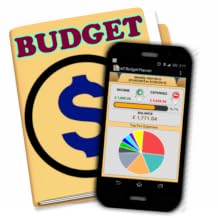 | Best for No-Cost Basic Planning | Product name: eZ Budget Planner | Product type: Budget planning tool | Primary use: Personal finance tracking | VIEW LATEST PRICE | See Our Full Breakdown |
| Monthly Budget |  | Best for Month-by-Month Expense Planning | Product name: Monthly Budget | Product type: Budgeting tool or planner | Planning period: Monthly | VIEW LATEST PRICE | See Our Full Breakdown |
| Smart Money Saving Card & Allowance Tracker for Family Members |  | Best for Teaching Kids | Manufacturer: LOOMROOT | Item weight: 2.08 ounces | Package dimensions: 7.4 x 4.3 x 0.7 inches | VIEW LATEST PRICE | See Our Full Breakdown |
| Budget Planner & Expense Tracker |  | Best for Straightforward Budget Planning | Product type: Budget planner and expense tracker | Stated purpose: Organizing finances | Budget function: Plan budgets | VIEW LATEST PRICE | See Our Full Breakdown |
| Budget Manager & Expense Tracker |  | Best for Simple Spending Oversight | Product type: Budget manager and expense tracker | Stated purpose: Manage budgets and track expenses | Spending function: Monitor spending | VIEW LATEST PRICE | See Our Full Breakdown |
| Smart Budgeting |  | Best for Manual Budget Tracking | Product type: Financial planning tool | Expense function: Track expenses | Budget function: Set and monitor budgets | VIEW LATEST PRICE | See Our Full Breakdown |
| budgeting apps for familie | Product type | Product name |
|---|---|---|
| Budgeting & Finances | Personal finance and budgeting guide | Budgeting & Finances |
| Daily Expense Notes | Expense-tracking notebook | Daily Expense Notes |
| Family Budget | Family budgeting tool | Family Budget |
| eZ Budget Planner | Budget planning tool | eZ Budget Planner |
| Monthly Budget | Budgeting tool or planner | Monthly Budget |
| Smart Money Saving Card & Allo | — | — |
| Budget Planner & Expense Track | Budget planner and expense tracker | — |
| Budget Manager & Expense Track | Budget manager and expense tracker | — |
| Smart Budgeting | Financial planning tool | — |
More Details on Our Top Picks
Budgeting & Finances
Budgeting & Finances is the strongest fit here for families who need to learn budgeting basics before choosing a more involved tracking system. Its focus is practical strategies and financial literacy, so it can help parents and older children discuss spending plans and money habits together. Unlike Daily Expense Notes, which centers on recording purchases, this guide is aimed at understanding how to plan and manage money. That makes it more useful as a learning resource than as a day-to-day family ledger. The tradeoff is limited depth for readers seeking advanced financial planning, and the listing provides no details about family-specific tools or interactive features. I would choose it to build shared budgeting knowledge, not to replace an app that tracks household transactions.
Pros:- Offers practical budgeting strategies for beginners
- Can support family conversations about money habits
- Builds general financial literacy beyond recording expenses
Cons:- Does not provide detailed advanced financial topics
- No specific family tracking, sharing, or digital features are listed
- Functions as a guide rather than a clearly described active budgeting app
Best for: Parents and older teens who want a beginner-friendly guide to budgeting principles and financial literacy.
Not ideal for: Families looking for automatic transaction tracking, shared digital budgets, or advanced financial planning tools.
- Product name:Budgeting & Finances
- Product type:Personal finance and budgeting guide
- Primary focus:Managing personal finances, budgeting, and financial planning
- Intended audience:Beginners and readers building financial literacy
- Budgeting support:Practical budgeting strategies
- Advanced topics:Limited detail on advanced financial topics
Our verdict“Choose this guide if your family needs budgeting fundamentals more than a tool for tracking transactions.”
Daily Expense Notes
Daily Expense Notes suits families who prefer writing purchases down as they happen instead of relying on an app. Its simple daily log can make small spending visible, which may help a household spot habits that disappear in a monthly summary. Compared with Monthly Budget, it is oriented toward recording expenses day by day rather than organizing a month’s income and outgoings as a whole. The compact format also makes it easier to carry and use away from home. The tradeoff is that manual tracking takes discipline from whoever handles the notebook, and it offers no digital integration or detailed financial analysis. I would skip it if multiple family members need a shared, automatically updated view of spending.
Pros:- Simple format supports quick daily expense recording
- Compact and portable for tracking purchases away from home
- Makes individual spending entries visible rather than relying only on memory
Cons:- Manual entry requires consistent effort
- No digital integration is described
- Does not provide detailed financial analysis
Best for: Families who want a portable paper record for one person to log everyday purchases and review spending habits.
Not ideal for: Households that need shared access, automatic transaction imports, or analysis across several accounts and family members.
- Product name:Daily Expense Notes
- Product type:Expense-tracking notebook
- Primary use:Recording daily expenses
- Format:Notebook
- Portability:Compact and portable
- Digital integration:None described
- Analysis features:Detailed financial analysis is not included
Our verdict“Pick this notebook for straightforward manual expense logging, but choose a digital tool for shared family tracking.”
Family Budget
Family Budget is the most directly aimed at household money management in this group: its categories and tracking features are intended to help families monitor both spending and savings. That focus gives it a clearer family use case than eZ Budget Planner, which is described as a basic tool for personal finance. Categories can help parents separate household needs and goals, but the available information does not explain how many categories are included or whether family members can share access. That missing detail makes it hard to judge how well it fits a complex household budget. It also may not satisfy families who want advanced planning features. I would shortlist it when family budgeting is the priority, while checking the actual feature set before relying on it.
Pros:- Designed specifically for family financial management
- Includes categories and expense-tracking features
- Supports tracking savings alongside spending
- User-friendly interface is listed as a strength
Cons:- Available details do not explain the full feature set
- May lack advanced budgeting options
- Shared access and other family-member tools are not specified
Best for: Households that want a budgeting tool organized around family expenses, savings, and spending categories.
Not ideal for: Families needing clearly specified advanced features, multi-user access, or detailed guidance about how tracking works.
- Product name:Family Budget
- Product type:Family budgeting tool
- Intended use:Managing family finances
- Organization:Includes budgeting categories
- Tracking:Tracks expenses and savings
- Interface:Described as user-friendly
- Advanced options:May have limited advanced budgeting features
Our verdict“Choose Family Budget when household-focused categories matter most, but verify its sharing and planning features first.”
eZ Budget Planner
eZ Budget Planner is the clearest choice for families who want a simple budgeting tool without a stated usage fee. Its basic personal-finance features can help a household start organizing a budget, especially if the goal is to get a plan in place rather than study detailed spending patterns. Compared with Family Budget, it is less explicitly tailored to household finances; its appeal is simplicity, not family-specific tracking. That distinction matters for parents who want separate categories or shared visibility for several people. The listed design is basic, and the tool lacks detailed financial analysis and the feature depth of paid alternatives. I would choose it for a low-friction starting point, but not for families who need robust planning or reporting.
Pros:- Described as free to use
- User-friendly interface supports basic budgeting
- Can help users begin organizing personal finances
Cons:- Fewer features than paid budgeting apps
- No detailed financial analysis is described
- Basic design may not support advanced family budgeting needs
Best for: Budget-conscious families who want a simple, no-cost way to begin personal or household budget tracking.
Not ideal for: Households that need detailed analysis, advanced planning options, or features specifically built for multiple family members.
- Product name:eZ Budget Planner
- Product type:Budget planning tool
- Primary use:Personal finance tracking
- Budgeting features:Simple budgeting features
- Interface:Described as user-friendly
- Analysis:No detailed financial analysis described
Our verdict“Choose eZ Budget Planner for a straightforward no-cost start, and look elsewhere if your household needs richer analysis.”
Monthly Budget
Monthly Budget is a straightforward fit for families who want to organize income and expenses around a monthly cycle. That structure can make recurring household bills and month-specific goals easier to review than the day-by-day entries in Daily Expense Notes. Its described purpose is planning and tracking, but the listing gives little detail about categories, reminders, automation, or family sharing. That leaves buyers with less to judge than they get from the family-focused description of Family Budget. I would view this as a simple monthly organizer rather than a fully featured budgeting app. It may work for a household that already knows its budgeting routine, but families needing clear guidance or detailed tools should seek more information before choosing it.
Pros:- Organizes income and expenditures over a monthly period
- Supports tracking monthly expenses
- Can help structure financial goals and planning
Cons:- Available product details do not specify its features
- Family sharing and automation are not described
- May be too limited for households needing detailed analysis
Best for: Families who already budget by month and want a structured way to track income, expenses, and financial goals.
Not ideal for: Households seeking specified app features such as automatic imports, shared family access, detailed analysis, or built-in budgeting guidance.
- Product name:Monthly Budget
- Product type:Budgeting tool or planner
- Planning period:Monthly
- Tracking:Income and expenditures
- Intended use:Managing monthly expenses and financial goals
- Feature detail:Specific features are not provided
Our verdict“Pick Monthly Budget if a month-by-month structure is your main need, but choose a more clearly specified tool for advanced family tracking.”
Smart Money Saving Card & Allowance Tracker for Family Members
For families who want children to practice money choices without handling real funds, this NFC-linked learning card fills a different role from apps such as Smart Budgeting, which is described as a tool for tracking household expenses and goals. The card pairs with a web app to track virtual funds, tasks, and savings goals, giving parents a structured way to connect chores or allowances with saving decisions. A digital PIN adds a layer of control, and no bank account or cash is needed. The tradeoff is that this is an educational aid, not a household budgeting system: it won’t track real transactions or replace an adult’s expense tracker. Families also need a compatible smartphone and internet access for the full experience. I’d choose it for money lessons, not for managing the family budget.
Pros:- Lets children practice budgeting and savings goals without risking real money.
- NFC connection links the card to a web app for managing virtual funds and tasks.
- Digital PIN offers an added access-control feature for family use.
- Can support allowance and money conversations through interactive practice.
Cons:- Does not handle real money or track actual household transactions.
- Full functionality requires a compatible smartphone and internet access.
- Its child-focused learning purpose makes it a poor substitute for a family expense tracker.
Best for: Parents who want children to practice allowance decisions, saving, and task-related budgeting using virtual funds rather than real cash.
Not ideal for: Families seeking an app to track actual household spending, connect to bank accounts, or manage shared bills; this product is educational rather than transactional.
- Manufacturer:LOOMROOT
- Item weight:2.08 ounces
- Package dimensions:7.4 x 4.3 x 0.7 inches
- Connection:NFC to a web app
- Funds tracked:Virtual funds
- Additional tracking:Tasks and savings goals
- Security feature:Digital PIN
- Return support:Amazon.com 30-Day Return Guarantee
Our verdict“Choose this for hands-on virtual allowance lessons for children, not for tracking the household’s real budget.”
Budget Planner & Expense Tracker
This is the most plainly described option for families who want to organize spending and plan a budget without a stated focus on children or virtual allowances. Its stated purpose—budget planning and expense tracking—makes it a more direct fit for routine household oversight than the Smart Money Saving Card & Allowance Tracker, which teaches children with virtual funds rather than monitoring real expenses. The listing, though, gives no detail about shared access, bill reminders, automatic imports, or family-specific tools. That makes it hard to tell whether multiple household members can contribute or whether tracking is manual. Compared with Budget Manager & Expense Tracker, the distinction is mostly in the stated emphasis on planning as well as logging expenses; there isn’t enough product information to claim a meaningful feature advantage. I’d shortlist it only if basic organization is the goal and specific app capabilities can be confirmed.
Pros:- Explicitly combines budget planning with expense tracking.
- Can help organize spending in one budgeting workflow.
- Its described purpose is more relevant to household expense management than a virtual allowance card.
- Suitable for users seeking personal finance organization rather than specialized financial education.
Cons:- No platform, compatibility, or technical details are provided.
- The listing does not specify family sharing, automatic transaction imports, or bill-planning features.
- Limited information makes it difficult to compare its capabilities with other trackers.
Best for: Families wanting a basic tool to organize household finances and track expenses, provided its platform and sharing options meet their needs.
Not ideal for: Households that need confirmed bank syncing, shared family access, child allowance tools, or detailed feature documentation before choosing.
- Product type:Budget planner and expense tracker
- Stated purpose:Organizing finances
- Budget function:Plan budgets
- Tracking function:Track expenses
- Intended use:Personal finance management
- Platform compatibility:Not specified
Our verdict“Consider it for basic household planning and expense logging only after confirming the app supports your devices and family workflow.”
Budget Manager & Expense Tracker
Budget Manager & Expense Tracker is positioned around keeping spending visible and helping users plan financial goals, a straightforward fit for adults coordinating everyday household expenses. Compared with Budget Planner & Expense Tracker, its description gives more weight to monitoring spending and progress toward goals, while the other listing explicitly names budget planning. Neither description confirms family sharing or automated bank connections, so I wouldn’t rank this as a proven household collaboration tool. Its claimed easy-to-use interface may suit families who prefer a simple tracker, but no platform or compatibility information is supplied. That omission matters: a family cannot judge whether everyone can access the same budget or whether records need to be entered by hand. This is a modest choice for basic oversight, not a feature-rich family finance hub.
Pros:- Focuses on monitoring spending and managing budgets.
- Includes financial goal planning in its stated purpose.
- Described as having an easy-to-use interface.
- Offers a basic alternative to child-focused virtual allowance tools.
Cons:- No platform or device compatibility information is provided.
- The listing does not explain whether it supports shared family budgets or automatic imports.
- Feature details are too limited to judge how it handles recurring bills or reports.
Best for: Adults who want a simple spending monitor and goal-planning tool for household finances, and who can verify device support before adopting it.
Not ideal for: Families needing documented multi-user access, bank syncing, detailed reporting, or clear compatibility information.
- Product type:Budget manager and expense tracker
- Stated purpose:Manage budgets and track expenses
- Spending function:Monitor spending
- Planning function:Plan financial goals
- Interface:Described as easy to use
- Platform compatibility:Not specified
Our verdict“Pick it for simple spending and goal oversight if its device support and household access model check out.”
Smart Budgeting
Families who are comfortable entering purchases themselves may find Smart Budgeting easier to evaluate than the sparsely specified Budget Manager & Expense Tracker: its description clearly names expense tracking, budget monitoring, and savings goals. That clarity comes with a practical limit, though—manual data entry can become repetitive when several adults or older children share spending responsibilities. Unlike the Smart Money Saving Card & Allowance Tracker, this is framed as a tool for managing actual expenses and savings rather than teaching children with virtual funds. The listing also describes its features as intuitive, but gives no details about family sharing, transaction imports, or platform compatibility. I’d favor it for a household that wants a simple, hands-on record of spending, not one seeking automation or advanced planning tools.
Pros:- Covers expense tracking, budgets, and savings goals.
- A user-friendly approach may suit households wanting a simple manual routine.
- Focuses on actual expense and savings management rather than virtual allowance practice.
- Provides more stated task detail than the Budget Manager & Expense Tracker listing.
Cons:- Manual data entry can take ongoing effort and may lead to missed transactions.
- Advanced budgeting features are limited according to the product description.
- Family sharing and platform compatibility are not specified.
Best for: Families willing to log expenses manually and track budgets and savings goals without relying on automatic transaction imports.
Not ideal for: Households with many shared transactions or users who need automatic bank syncing, advanced features, or confirmed multi-device family access.
- Product type:Financial planning tool
- Expense function:Track expenses
- Budget function:Set and monitor budgets
- Savings function:Set financial goals and monitor progress
- Data entry:Manual
- Advanced features:Described as limited
- Platform compatibility:Not specified
Our verdict“Choose Smart Budgeting if your family prefers hands-on expense logging and can accept the extra work of manual entry.”

How We Picked
I compared the nine listed apps through a family-budgeting lens: whether their stated focus fits shared household planning, how readily a family can record and review spending, and whether the app appears aimed at adults, children, or both. I also weighed usability for households with different levels of budgeting experience, the usefulness of the main features for recurring family routines, and how much setup or ongoing coordination a given approach may ask of users. App names alone do not prove support for shared accounts, automatic bank connections, or specific privacy controls, so families should verify those details before choosing.
Family Budget ranks first for its direct fit with household budgeting, while the allowance-focused app earns a distinct place for families teaching children about money. Simpler trackers rank well for buyers who value low-friction expense logging, but they are less compelling when the main need is coordinating a family plan. Broadly named options sit behind more clearly targeted picks because their titles reveal less about family-specific workflows; I would compare their actual features against the household’s must-haves rather than assume they offer more.
| budgeting apps for familie | Product name |
|---|---|
| Budgeting & Finances | Budgeting & Finances |
| Daily Expense Notes | Daily Expense Notes |
| Family Budget | Family Budget |
| eZ Budget Planner | eZ Budget Planner |
| Monthly Budget | Monthly Budget |
| Smart Money Saving Card & Allo | — |
| Budget Planner & Expense Track | — |
| Budget Manager & Expense Track | — |
| Smart Budgeting | — |
Factors to Consider When Choosing Budgeting Apps For Families
The right family budgeting app is the one every relevant household member can keep using—not the one with the longest feature list. I would settle the family’s workflow and privacy needs before comparing interface details, then choose the simplest app that supports that routine.
Decide Who Needs to Participate
Start by listing who will enter expenses, check balances, and make budget decisions. A plan managed by one adult may need only clear categories and an easy way to review spending, while a shared plan calls for a simple handoff between participants. Do not assume that an app described as family-oriented lets multiple people use one budget or account; confirm the access model and any limits. A common mistake is picking an app for a household-wide job when only one person can conveniently maintain it. If other family members will not participate, a lighter expense tracker may work better than a shared system. Match the app to the people who will actually use it, not to an idealized routine.
Choose a Budgeting Routine Before Choosing Tools
Families differ on whether they plan spending weekly, monthly, or around paydays and bills. That routine affects which features matter: recurring categories, quick expense entry, or a simple monthly overview may be more useful than elaborate reports. Before signing up, decide when the household will check the budget and who will update it. If that process is unclear, a feature-rich app can add upkeep without improving decisions. Keep the first version of the budget small enough to maintain, then add categories only when they help answer a real question. A straightforward tracker can be a sensible first step even if the family may want more planning tools later.
Separate Expense Logging From Budget Control
Recording what the family spent is not the same as setting limits or agreeing how to use money. Some apps are best treated as spending logs; others are intended to support a plan and help users review progress. Ask whether the household needs a record for awareness, a budget that guides decisions, or both. Picking a logging tool when the family needs shared limits can leave the central problem unsolved. On the other hand, detailed planning can feel like unnecessary work when the goal is simply to notice where everyday spending goes. Choose the level of structure the household can sustain.
Think Carefully About Children’s Money Access
An allowance tracker can make family money conversations more concrete, but parents should distinguish tracking an allowance from providing a payment card or financial account. Verify what the app actually does, who controls access, and what information it collects before involving a child. Consider the child’s age and whether the family wants to teach budgeting, record chores and allowances, or let a young person make purchases. A tool suited to children may not replace an adult household budget, so some families may need separate systems for those jobs. Agree on expectations first—such as how often to review an allowance—so the app supports a lesson rather than becoming another chore. Prioritize parental controls and privacy details over decorative rewards or extra features.
Check Data Handling and Account Connections
Before adding household financial information, check whether the app asks for manual entry, bank connections, or other account permissions. Those choices affect convenience, privacy, and how much ongoing maintenance the family takes on. Automatic imports can reduce typing, but families should understand what data is shared and how access can be revoked. Manual tracking offers more control, though it depends on consistent updates from the people making purchases. Read the app’s privacy information and confirm supported devices or account requirements rather than relying on a general product name. The best fit is the one whose data practices and upkeep match the family’s comfort level.
Judge Value by Ongoing Fit, Not Feature Count
A long feature list only adds value when the household will use those tools regularly. Consider setup effort, recurring maintenance, access across the family’s devices, and whether the app supports the decisions the household needs to make. Families often overestimate how many categories or reports they will keep up with, then abandon a system that asks for too much detail. Start with the core routine and verify any limits or optional costs directly with the provider, since app terms can change. Paying for extra capabilities makes sense only when they solve a persistent need, such as coordinating multiple users or supporting an allowance routine. Otherwise, a simpler option may be easier to sustain.
Frequently Asked Questions
Which budgeting app in this roundup is the best starting point for a whole household?
Family Budget is my starting recommendation because its stated focus aligns most directly with household planning. That does not confirm that it supports every kind of shared access or automatic account connection, so check those details before moving the family’s routine into it. If only one adult will track spending, a simpler option such as Daily Expense Notes may ask less of the household. Choose based on who will maintain the budget and what decisions the app needs to support. A family-wide label is useful, but the day-to-day workflow matters more.
Can an allowance tracker replace a family budgeting app?
Usually, an allowance tool and a household budget serve different jobs. Smart Money Saving Card & Allowance Tracker for Family Members is the most clearly targeted pick here for allowance-related routines, while a household budget also needs to account for shared expenses and broader spending plans. Check whether the app tracks allowances only or includes the adult budgeting functions your family needs. Some households may prefer using a child-focused tool alongside a separate adult budget. Avoid assuming that a card or allowance feature means the app covers household planning.
Should my family pick a simple expense tracker or a full budgeting tool?
Pick a simple tracker if the main goal is to record purchases and notice spending patterns without setting detailed limits. Choose a budgeting tool when the household needs to plan categories, agree on spending boundaries, or review progress against a plan. Daily Expense Notes is positioned around recording expenses, while Family Budget is the clearer fit for family planning. A useful test is whether the family will review the information and make decisions from it. If not, the extra structure of a full budget may create work without changing behavior.
What should I verify before connecting a family budgeting app to bank accounts?
Check which institutions and account types are supported, what information the app can access, and how to disconnect access later. Review the provider’s privacy terms and confirm whether each family member needs a separate login or can see shared information. Also find out whether automatic imports require a particular subscription or account setup. If those details are unclear, manual entry can be a more controlled starting point, though it requires regular updates. Do not enter sensitive information until the family is comfortable with the app’s data practices.
How can I tell whether an app will be manageable for a family with different budgeting habits?
Look for a workflow that the least-engaged participant can complete without lengthy setup or frequent reminders. Agree on who records expenses and when everyone will review the plan before choosing an app. A simple logging tool may work better than a detailed system if family members have little time or different preferences. If several people need to coordinate decisions, test whether the app’s sharing and access features match that need; do not infer this from its name. Start with a small number of categories and add structure only if the family keeps using it.
Conclusion
Family Budget is my best overall recommendation for households seeking a family-focused planning starting point. For best value in simplicity, consider Daily Expense Notes if expense recording—not a complete shared plan—is the main job. I cannot name a verified best premium pick from the supplied product information, so families seeking advanced or paid capabilities should compare current feature and subscription details directly rather than assume one of these apps offers them. Best for beginners depends on the routine: start with simple expense logging if planning feels like too much, or Family Budget if the household is ready to make a shared plan. For families focused on children’s allowances, choose Smart Money Saving Card & Allowance Tracker for Family Members and confirm its access, privacy, and payment features before use. The clearest choice is the app that matches your family’s actual job and is easy enough for everyone involved to maintain.
Fall Picks

Samsung 32-Inch Movingstyle Essential 4K UHD Smart Monitor with Rolling Stand
As an affiliate, we earn on qualifying purchases.