
📊 Full opportunity report: The High-End PC And Workstation Tax on ThorstenMeyerAI.com — validation score, market gap, and execution plan.

Get smart everyday buys delivered free with Prime
- Fast, free delivery on millions of items
- Prime Video, Amazon Music and more included
- Member-only deals all year
TL;DR
Memory prices have skyrocketed in 2026, accounting for up to 35% of PC costs. DIY builders now face higher expenses than prebuilt systems due to market shifts, especially for workstations needing large RAM modules. Procurement strategies are key to managing costs.
In 2026, high-end PC and workstation builders face increased memory costs, with RAM now constituting up to 35% of a system’s bill of materials, according to HP’s investor reports. This change has influenced the relative costs of DIY builds compared to prebuilt systems, reversing previous trends.
Memory, including DDR5 RAM and SSDs, has become a significant expense in high-end PC and workstation construction, with prices doubling or tripling compared to previous years. For those considering their options, Build vs Buy a Prebuilt AI Workstation can help evaluate whether to assemble or purchase prebuilt systems. For example, a 32GB DDR5 kit now costs approximately $369, comparable to the price of a high-end GPU and exceeding CPU and SSD costs in many configurations.
Market dynamics have shifted; large OEMs benefit from bulk purchasing and inventory management, allowing them to mitigate price fluctuations, whereas individual buyers face spot prices that can vary frequently. Learning how to reduce heat and noise in a high-power AI workstation can be useful for those building high-performance systems. This has resulted in higher costs for custom PC builds at the high end in 2026.
Workstations requiring large memory modules (96GB-128GB DDR5 RDIMMs) are notably affected, with supply shortages and elevated prices expected to continue through the year. If you’re planning to upgrade or build such a system, consider exploring Build vs Buy a Prebuilt AI Workstation to determine the best approach. The demand from hyperscalers and server markets has contributed to this scarcity, leading to longer lead times and higher prices for professional users.
The high-end PC & workstation tax
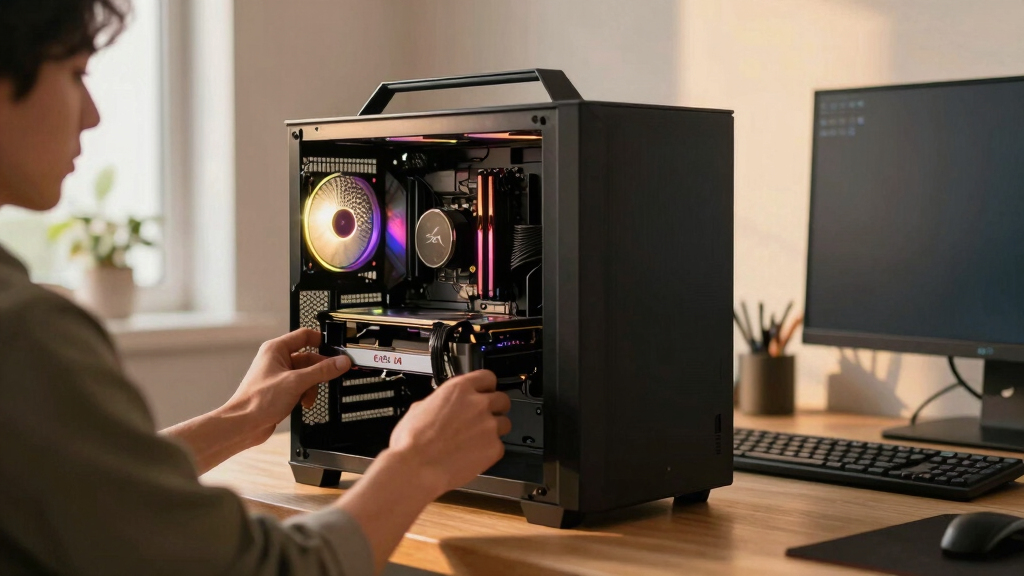
If you build your own machines or spec your team’s workstations, you’re the most exposed buyer in this market — no hedge, no bulk contract, just a parts cart and a number you used to ignore, now the biggest line on the invoice.
OEMs buy on bulk contracts and hold hedged stock; you pay the spot price on the day. The DIY builder is now the most exposed buyer in the chain — and the prebuilt is sometimes cheaper. Price it before you commit.
96GB & 128GB DDR5 RDIMMs are the scarcest, closest to the server memory makers prioritize. 64GB RDIMM could cost 2× by end-2026 vs early 2025. The parts that define a workstation are the ones squeezed hardest.
The squeeze didn’t just raise prices — it inverted the value system of high-end building. Buy big, buy early, build it yourself: each enthusiast virtue is now a way to overpay. Discipline beats ambition in 2026 — right-size hard, buy deliberately, lean on bundles, treat the prebuilt as a real price check. You can’t avoid the AI tax levied a layer up in the fabs; you can refuse to pay more of it than the job needs. Next: Cloud’s Hidden Memory Bill.
Implications for High-End PC and Workstation Builders
This market development affects the traditional value proposition of DIY PC building. Consumers and professionals need to consider procurement strategies carefully, as the cost advantage of building your own system has diminished at the high end. The increased memory costs impact project budgets, workstation availability, and upgrade planning, adding complexity to cost management.
Additionally, this trend reflects broader market disruptions, where supply chain constraints and market speculation influence component prices, challenging assumptions of decreasing hardware costs over time.
As an affiliate, we earn on qualifying purchases.
2026 Memory Market Disruptions and Historical Trends
Over the past two decades, memory prices have generally declined, supporting the DIY building trend and enabling easier upgrades. However, in 2026, increased demand from hyperscalers, supply chain issues, and market speculation have contributed to rising prices. HP’s investor reports highlight significant increases in memory costs, with some modules costing twice as much as early 2025.
This shift marks a notable change from previous years, where component costs were less of a concern for high-end builds, driven by changes in market structure and supply shortages for high-capacity modules used in professional and server environments.
“Memory’s share in the bill of materials has increased notably in a short period, reflecting supply and demand dynamics.”
— HP investor report
As an affiliate, we earn on qualifying purchases.
Unresolved Questions About Future Memory Pricing
It remains uncertain whether memory prices will stabilize or continue to increase throughout 2026. Factors such as market volatility, geopolitical developments, and supply chain conditions could influence future pricing, but definitive forecasts are not available.
As an affiliate, we earn on qualifying purchases.
Strategies for Managing High Memory Costs in 2026
Buyers may consider strategies such as staging upgrades, purchasing in bundles, and avoiding front-loaded capacity to manage costs. Monitoring market trends and securing prices through contracts could also be beneficial. Given market volatility, timing and procurement approaches will be important for high-end builders and professionals.
As an affiliate, we earn on qualifying purchases.
Key Questions
Why has memory become so expensive in 2026?
Memory prices have increased due to heightened demand from hyperscalers, supply shortages of high-capacity modules, and market speculation, which have contributed to supply and demand imbalances.
Does this mean building a high-end PC is no longer cost-effective?
For some, especially DIY builders, costs have risen significantly, which may make prebuilt systems more competitive at the high end. Strategic purchasing and incremental upgrades can help manage expenses.
Are these price increases temporary?
It is uncertain whether memory prices will stabilize or continue to rise in 2026. Market volatility and ongoing supply chain issues suggest that prices may remain unpredictable for some time.
How should professionals plan their workstation upgrades?
Professionals should consider locking in prices through contracts, staging purchases, and prioritizing essential upgrades to mitigate the impact of high costs and potential delays.
Will OEM prebuilt systems remain cheaper than custom builds?
In some cases, yes. OEMs benefit from bulk purchasing and inventory management, which can make prebuilt systems more cost-effective than sourcing individual components at retail prices.
Source: ThorstenMeyerAI.com
Fall Picks
fall essentials
As an affiliate, we earn on qualifying purchases.