
📊 Full opportunity report: The Voice Actor’s Licensing Platform For AI Clones on IdeaNavigator AI — validation score, market gap, and execution plan.

Get smart everyday buys delivered free with Prime
- Fast, free delivery on millions of items
- Prime Video, Amazon Music and more included
- Member-only deals all year
TL;DR
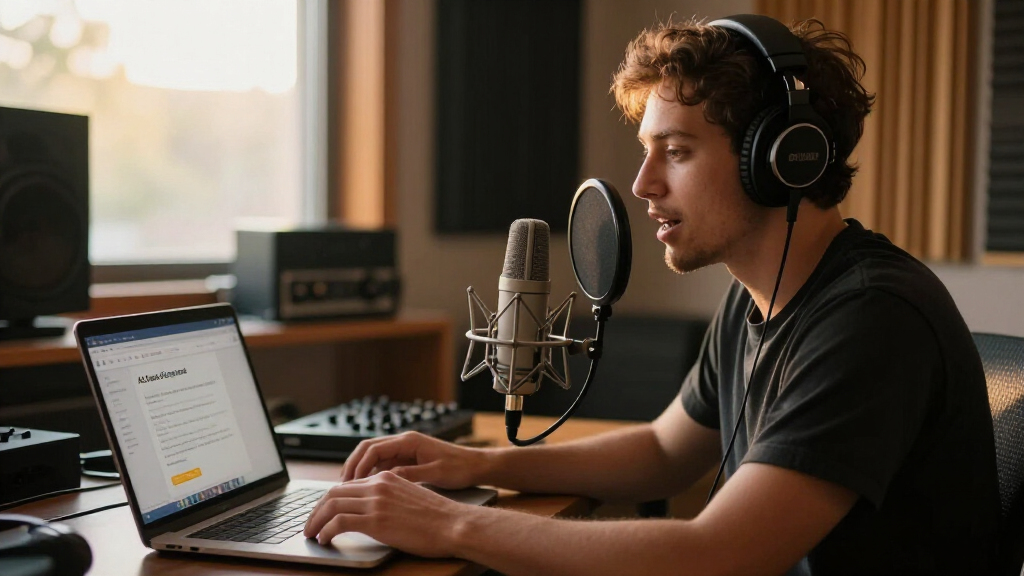
A licensing platform for voice actors’ AI clones is entering testing, allowing voice talents to set usage terms, approve projects, and track payments. This development aims to address current licensing gaps amid growing AI voice adoption.
A new licensing platform specifically for voice actors to manage AI clone usage is entering a testing phase, offering a structured workflow for licensing, project approval, and payments. This development addresses a key gap in current AI voice rights management and could reshape how synthetic voices are licensed and monetized.
The platform, developed by an unnamed team, aims to enable professional voice actors to create license listings for their AI clones, specifying allowed use cases, banned categories, and project-specific rates. Buyers can then submit project requests for one-click approval or rejection, with all approved uses logged and payments tracked. The initial testing involves recruiting ten voice actors with existing AI clones and routing five real project requests through the system to evaluate its effectiveness.
This initiative responds to the increasing commercial viability of AI voice cloning, which has raised concerns about consent, scope, and fair compensation. Currently, licensing often relies on informal agreements via email, lacking enforceability and audit trails. The platform seeks to formalize this process, providing a scalable, transparent solution that benefits both voice actors and AI content consumers.
Potential Impact on Voice Actor Rights Management
This platform could fundamentally change how voice actors control and monetize their AI clones, offering a clear, enforceable licensing process. It addresses legal and ethical concerns related to synthetic voice use, especially as AI voice technology becomes more widespread. If successful, it could set industry standards for licensing, improve transparency, and ensure fair compensation for voice talents whose voices are cloned and used commercially.
voice actor AI clone licensing platform
As an affiliate, we earn on qualifying purchases.
As an affiliate, we earn on qualifying purchases.
Growing Need for Structured AI Voice Licensing
As AI voice cloning technology advances, its commercial applications have expanded rapidly, prompting legal and union discussions about consent, scope, and remuneration. Currently, most licensing occurs informally, risking disputes and lack of accountability. Recent union statements and legal attention highlight the urgency for formal licensing solutions. This platform aims to fill that gap by providing a dedicated rights management system tailored to AI voice cloning.
“The development of a structured licensing platform is a necessary step as AI voice cloning moves into mainstream commercial use.”
— an anonymous researcher
synthetic voice rights management software
As an affiliate, we earn on qualifying purchases.
As an affiliate, we earn on qualifying purchases.
Unclear Scope and Adoption of the Licensing System
It is not yet clear how widely voice actors will adopt the platform or whether buyers will prefer to use it over existing informal licensing methods. The effectiveness of the system in enforcing licensing terms and tracking payments remains to be demonstrated during the pilot phase. Additionally, legal and contractual frameworks supporting this approach are still evolving.
As an affiliate, we earn on qualifying purchases.
Next Steps in Platform Validation and Industry Adoption
The developers plan to complete the initial testing with participating voice actors and project requests within the next few months. Success will be measured by the number of licensed transactions routed through the system and the willingness of voice talents and buyers to rely on it for commercial projects. If validated, the platform could expand to include more users and integrate with broader rights management ecosystems, potentially influencing industry standards.
voice actor project approval system
As an affiliate, we earn on qualifying purchases.
As an affiliate, we earn on qualifying purchases.
Key Questions
How will this licensing platform improve current AI voice licensing practices?
The platform offers a structured, enforceable, and auditable workflow for licensing AI clones, replacing informal email agreements and providing clear terms, project approval, and payment tracking.
What are the potential benefits for voice actors participating in the pilot?
Voice actors can better control how their AI clones are used, set specific licensing terms, and receive fair compensation for each approved project, reducing disputes and increasing transparency.
Will this platform be adopted industry-wide?
Its adoption depends on the success of the pilot and industry acceptance. If proven effective, it could serve as a model for broader licensing practices in AI voice use.
Are there any legal or regulatory hurdles to implementing this system?
Legal frameworks around AI voice licensing are still developing, and widespread adoption may require regulatory clarity and industry consensus on licensing standards.
Source: IdeaNavigator AI
Fall Picks
fall essentials
As an affiliate, we earn on qualifying purchases.